Issue · Transportation

Transportation

Every transportation bill, vote, and legislator stance in New Jersey, automatically classified by Maddy, our AI policy reader.

Total bills
138
119th Congress
Top supporter
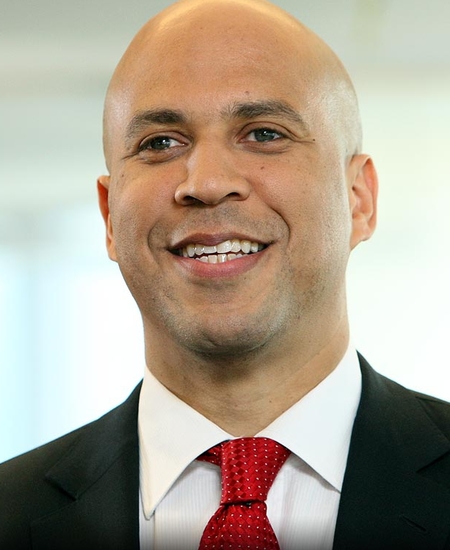
Cory A. Booker
69% support rate
Top opponent
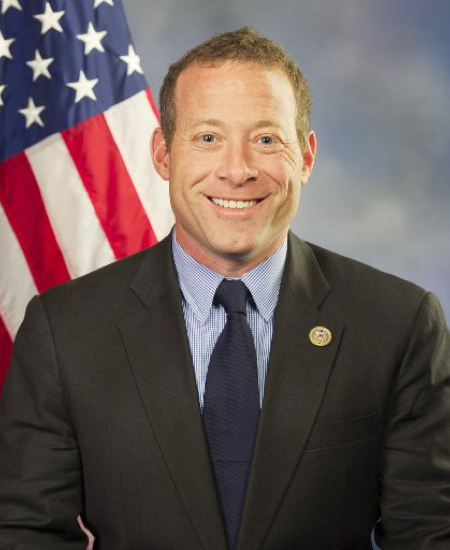
Josh Gottheimer
14% support rate
Ranked legislators
8
5 support · 3 oppose
Key legislators

Who's moving transportation in New Jersey

Legislators moving transportation in New Jersey
Legislator Party Stance Support rate Votes
Cory A. Booker
Cory A. Booker Senate
D
Support
69% 148
Andy Kim
Andy Kim Senate
D
Support
67% 153
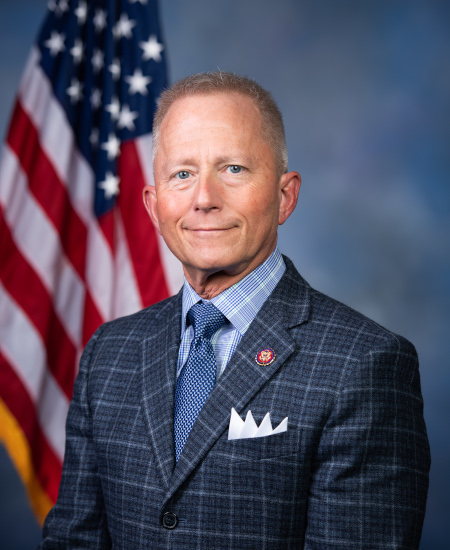
Jefferson Van Drew
Jefferson Van Drew House · District 2
R
Support
64% 122
Bonnie Watson Coleman
Bonnie Watson Coleman House · District 12
D
Mixed
53% 118
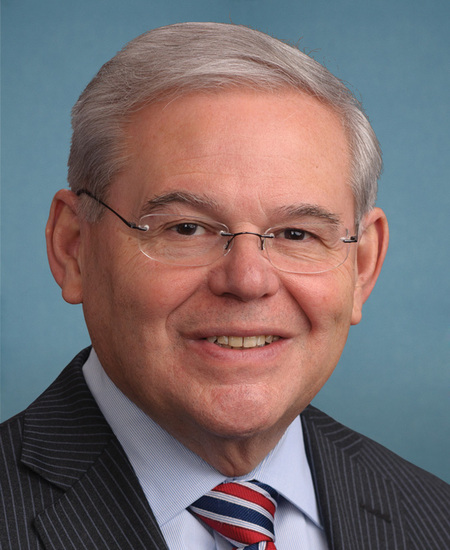
Robert Menendez
Robert Menendez House · District 8
D
Mixed
53% 123
Josh Gottheimer
Josh Gottheimer House · District 5
D
Strong −
14% 109
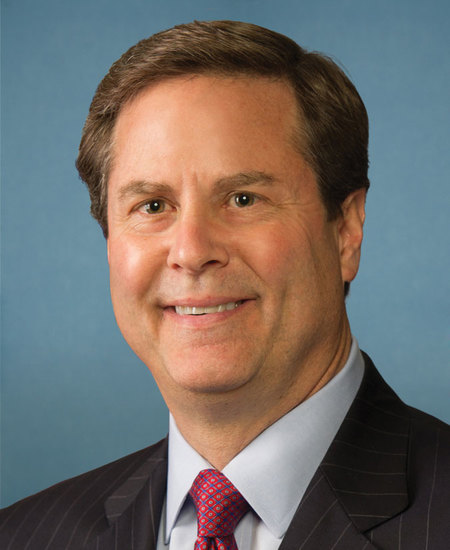
Donald Norcross
Donald Norcross House · District 1
D
Oppose
25% 107
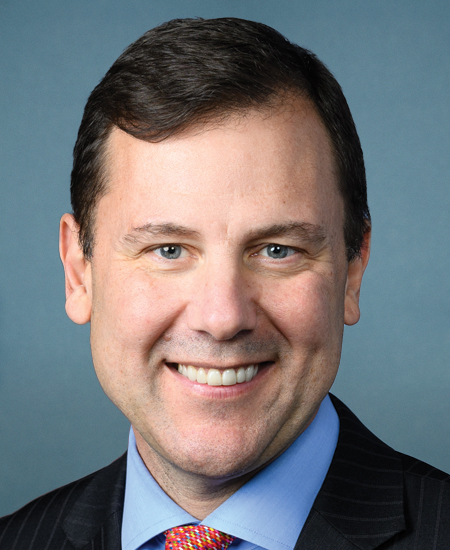
Thomas H. Kean, Jr.
Thomas H. Kean, Jr. House · District 7
R
Mixed −
47% 96
Showing 1–10 of 138 bills

All transportation bills

in committee · United States · House Sep 4, 2026

HR 10303: FLIGHT DECK Act

The FLIGHT DECK Act requires the Federal Aviation Administration to create a voluntary program that allows certified air traffic controllers to sit on the flight deck of commercial or general aviation aircraft during flights. This initiative is designed to help controllers better understand the onboard conditions and complex requirements faced by flight crews. Participation is limited to one round trip within the United States, its territories, Alaska, and Hawaii, with no government reimbursement for travel expenses. The FAA must consult with pilot and controller unions to establish safety policies and ticketing rules, and it must submit a report to Congress one year after the program begins detailing participation levels and any barriers encountered.
Sub-Topics Airports
in committee · United States · Senate Jul 28, 2026

S 5150: SAFE Act

The Safety and Accountability in Freight Enforcement Act creates a new category called "chameleon carriers" to identify trucking companies that repeatedly change their legal identity to avoid safety penalties, insurance hikes, or enforcement actions. To combat this, the bill requires the Federal Motor Carrier Safety Administration to develop a specialized automated tool that analyzes business data to detect these patterns during the registration process. The legislation also mandates a study by the Government Accountability Office to estimate the number of such carriers and their impact on road safety, along with an appeals process for applicants denied registration based on the tool's findings.
in committee · United States · House Jul 23, 2026

HR 9898: Transportation for Reentry Act

The Transportation for Reentry Act requires transit agencies receiving federal funding to offer free public transportation to individuals released from prison after serving at least one year. Under this bill, these agencies must provide the service for one year starting from the person's release date and cover costs related to program setup, staff training, and outreach. To receive federal grants, transit recipients must establish enrollment systems, track usage data, and ensure compliance with the program's duration requirements. The legislation authorizes $40 million annually from 2027 to 2031 to support these efforts and mandates a final report on the program's impact five years after enactment.
in committee · United States · Senate Jun 24, 2026

S 4935: Next Generation Shipping Act

The Next Generation Shipping Act establishes a $10 billion federal program to fund the research, development, and deployment of zero-emission vessels and clean alternative fuel technologies for the maritime industry. Administered by the Department of Transportation, the program provides grants, low-interest loans, and loan guarantees to eligible entities such as ship owners, manufacturers, and port authorities, while explicitly prohibiting funding for automated vessel systems. The legislation also creates an advisory committee composed of representatives from labor, academia, environmental groups, and industry to guide the program and ensure it addresses technology gaps and environmental justice concerns. Additionally, the act mandates that projects receiving funding utilize prevailing wage standards and encourages the use of community benefits agreements to support local workforces and communities.
Sub-Topics Ports
passed · United States · House Jul 14, 2026

HR 9391: Reimbursable Screening Services Program Extension Act of 2026

The Reimbursable Screening Services Program Extension Act of 2026 extends and expands a federal program that reimburses states for conducting aviation security background checks. The bill directly affects federal and state agencies responsible for vetting airline employees by allowing the program to operate through fiscal year 2031 instead of ending in 2026. Additionally, it increases the maximum number of reimbursable screening services that can be provided annually from eight to 14. This legislation aims to maintain and slightly increase the capacity for background investigations without changing the underlying requirements for who must be screened.
Sub-Topics Airports
in committee · United States · House Jul 14, 2026

HR 9317: BUSES Act

The BUSES Act establishes a national minimum standard requiring that restrictions on bus engine idling cannot last for less than 15 minutes, applying to both over-the-road and school buses. This rule prevents states and local governments from enforcing shorter idling limits through their existing air quality plans. Additionally, the legislation prohibits private citizens from suing bus owners or operators for violating these idling rules and bans state programs that pay individuals for reporting such violations.
in committee · United States · House Jun 15, 2026

HR 9320: All in For Attendance Act

The All in For Attendance Act aims to reduce chronic student absenteeism by requiring schools to implement specific support strategies for students missing 10 percent or more of school days. It mandates the creation of data systems to track attendance reasons, establishes advisory programs to engage families, and requires schools to partner with community organizations to remove barriers like transportation or health issues. The legislation also prohibits schools from using suspensions, fines, or academic penalties as punishment for student absences. Additionally, it directs funds toward evidence-based interventions such as social and emotional learning programs, restorative justice, and high-impact tutoring to improve student engagement and attendance.
in committee · United States · House Jun 24, 2026

HR 9250: Great American Outdoors Act 250

This bill redesignates the existing National Parks and Public Land Legacy Restoration Fund as the America's Legacy Restoration Fund to address deferred maintenance on federal lands. It directs revenue from recreation fees and a portion of energy development income into the fund, which must be used primarily for repairing critical infrastructure like roads, trails, and buildings managed by agencies such as the National Park Service and the Forest Service. The legislation establishes strict rules requiring that most funds go toward non-transportation projects, mandates transparency through public dashboards tracking project status, and sets aside a small percentage for matching private donations. Additionally, the bill increases entrance fees for foreign visitors to ensure they contribute to the fund, while prohibiting the use of these specific funds for land acquisition or employee bonuses.
in committee · United States · House Jun 11, 2026

HR 9297: Pedestrian Protection Act

The Pedestrian Protection Act directs the federal government to update vehicle safety standards to better protect pedestrians, bicyclists, and other vulnerable road users. It requires the Secretary of Transportation to create new rules within three years regarding vehicle design features like hoods, bumpers, and weight, as well as minimum visibility standards within four years. Additionally, the bill mandates that the government publish comparative ratings for these safety technologies and develop a system to inform consumers about how well a vehicle allows drivers to see vulnerable road users. These changes aim to reduce collisions and injuries by establishing specific performance criteria that vehicle manufacturers must meet.
in committee · United States · House May 26, 2026

HR 9036: American High-Speed Rail Act

The American High-Speed Rail Act expands federal funding and streamlines regulations to support the development of high-speed and higher-speed rail projects across the United States. It authorizes billions of dollars in grants for corridor planning, technology improvements, and construction, while allowing the federal government to cover up to 100% of project costs under specific conditions. The bill also introduces new provisions to facilitate land acquisition, prioritize border projects, and extend labor protections to workers involved in federally funded rail infrastructure. Additionally, the legislation defines higher-speed rail as trains traveling between 110 and 186 miles per hour and includes tax incentives for rail carriers that sell or lease property to support these projects.
Sub-Topics Rail
Showing 1 to 10 of 138 bills
1 2 3 14 Next