Issue · Healthcare

Healthcare

Every healthcare bill, vote, and legislator stance in New Hampshire, automatically classified by Maddy, our AI policy reader.

Total bills
380
119th Congress
Top supporter
Jeanne Shaheen
59% support rate
Top opponent
-
no data yet
Ranked legislators
4
4 support · 0 oppose
Key legislators

Who's moving healthcare in New Hampshire

Legislators moving healthcare in New Hampshire
Legislator Party Stance Support rate Votes
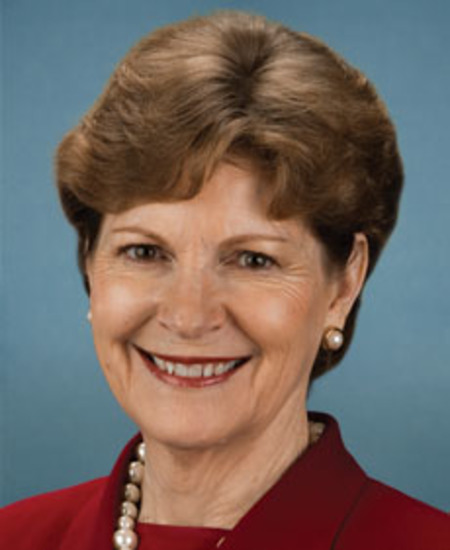
Jeanne Shaheen
Jeanne Shaheen Senate
D
Mixed
59% 221
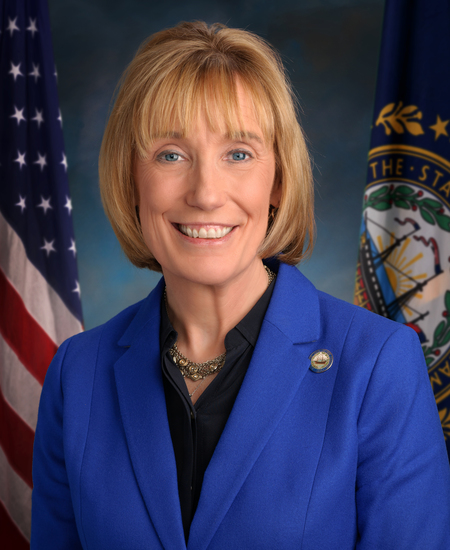
Margaret Wood Hassan
Margaret Wood Hassan Senate
D
Mixed
59% 223
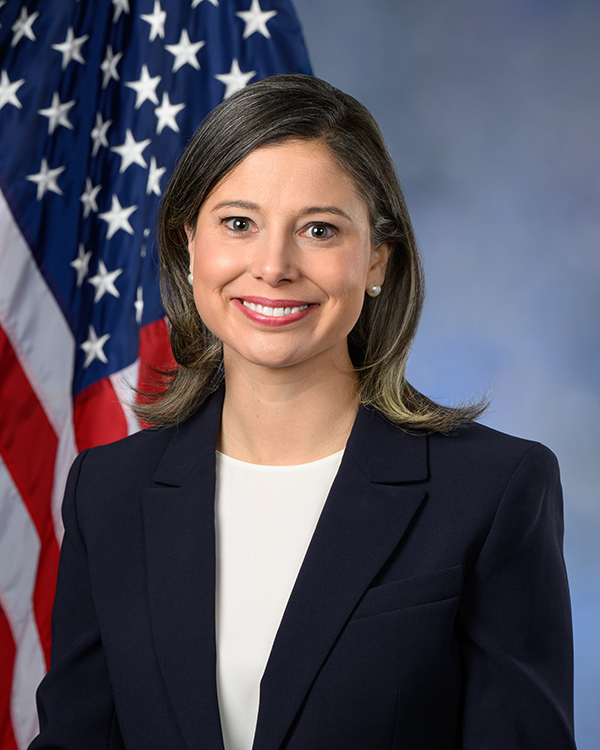
Maggie Goodlander
Maggie Goodlander House · District 2
D
Mixed
56% 208
Chris Pappas
Chris Pappas House · District 1
D
Mixed
56% 211
Showing 1–10 of 380 bills

All healthcare bills

in committee · United States · Senate Aug 6, 2026

S 5321: HCBS Access Act

The HCBS Access Act would require states to cover home and community-based services (HCBS) as a mandatory benefit under Medicaid, effectively eliminating waiting lists for individuals with disabilities and older adults who need support to live in their communities rather than institutions. To fund this expansion, the bill provides a 100% federal matching rate for these services if states meet specific requirements, such as improving workforce wages, removing access barriers, and establishing infrastructure to support self-directed care models. Additionally, the legislation creates a national technical assistance center and authorizes grants to recruit, train, and retain direct care workers, while also prohibiting states from placing liens on the assets of Medicaid recipients for medical assistance correctly paid.
in committee · United States · Senate Aug 4, 2026

S 5236: Improving CARE for Youth Act

The Improving CARE for Youth Act amends the Social Security Act to prevent state Medicaid plans from denying payment for mental health or primary care services provided on the same day as a qualifying service. This legislation directly affects individuals receiving Medicaid coverage, particularly those who visit outpatient facilities for both physical and mental health treatments during a single visit. By establishing that states cannot prohibit reimbursement for these concurrent services, the bill ensures that patients are not financially penalized for combining different types of care in one appointment. The measure defines "same-day qualifying services" as primary or mental health visits occurring at the same facility on the same day, regardless of whether the providers are identical.
Sub-Topics Children's Health Medicaid Mental Health Tags Children
passed · United States · Senate Aug 7, 2026

SRES 843: A resolution expressing support for the designation of the first week of August 2026, as "National Community Health Center Week", encouraging all people of the United States to participate by visiting their local community health center, and celebrating the important partnership between community health centers and the communities they serve.

This Senate resolution designates the first week of August 2026 as "National Community Health Center Week" to recognize the role these facilities play in providing affordable primary care across the United States. The bill highlights that community health centers serve a diverse range of populations, including those in rural and urban areas, by offering integrated services such as mental health, dental, and pharmacy care. It encourages the general public to participate in the observance by visiting local centers and celebrating the partnership between these organizations and their communities.
in committee · United States · Senate Aug 4, 2026

S 5237: Stop Superbugs Act

The Stop Superbugs Act directs the National Institute of Allergy and Infectious Diseases to award a competitive grant for an Antibiotic Resistance Leadership Group. This group will establish a clinical research network focused on speeding up the recruitment of trial participants and conducting outreach in community settings. The bill also requires the network to integrate new diagnostic tools with pharmaceutical innovations during trials and develop patient-reported outcome measures. Funding is authorized to cover the costs associated with implementing these specific research initiatives.
in committee · United States · Senate Aug 6, 2026

S 5305: Campus Lifeline Act

The Campus Lifeline Act expands federal grant programs to support student-led mental health and substance use disorder interventions at institutions of higher education. It authorizes funding for peer awareness activities, such as suicide prevention education and digital campaigns that encourage students to seek help, while requiring grantees to provide accessible resources for online and distance-learning students. Additionally, the bill directs the National Suicide Prevention Lifeline program to coordinate with schools and universities to list hotline numbers on student identification cards and promote behavioral health resources through public service announcements.
in committee · United States · Senate Aug 5, 2026

S 5260: Stroke Act

The Stroke Act directs the Department of Health and Human Services to conduct research on stroke care delivery and award grants to improve national stroke data collection and quality. The legislation authorizes funding for a national stroke registry that gathers standardized information from various types of hospitals to support quality improvement and benchmarking. Additionally, it provides grants for training emergency medical personnel, expanding telestroke services in underserved areas, and coordinating post-stroke rehabilitation. Finally, the bill funds a national public education campaign aimed at promoting stroke prevention and encouraging individuals to seek immediate treatment for symptoms.
in committee · United States · Senate Jul 30, 2026

S 5180: Provider Reimbursement Stability Act of 2026

The Provider Reimbursement Stability Act of 2026 aims to create more predictable payment amounts for physicians by modifying how the Centers for Medicare & Medicaid Services calculates fee schedules. It raises the financial threshold for certain budget adjustments from $20 million to $57.64 million starting in 2028 and requires these amounts to be adjusted every five years based on inflation data. The bill also mandates that the government update the costs of staff wages and medical supplies used to calculate payments at least once every five years and limits how much the overall payment rate can change from one year to the next to no more than 2.5 percent. These changes directly affect doctors and healthcare providers who receive Medicare payments, ensuring their reimbursement rates remain more stable and better aligned with actual costs.
Sub-Topics Medicaid Medicare
in committee · United States · Senate Jul 23, 2026

S 5108: Right to IVF Act of 2026

The Right to IVF Act of 2026 establishes federal protections to ensure individuals can access assisted reproductive technology and intrauterine insemination without state-imposed restrictions, while also mandating that health insurance plans, Medicare, Medicaid, and the Federal Employees Health Benefits program cover these services. The bill defines these procedures broadly to include treatments like egg and embryo freezing and requires coverage regardless of whether a patient has been diagnosed with infertility. It further directs the Department of Defense and the Department of Veterans Affairs to provide fertility preservation and reproductive assistance to uniformed service members and veterans, including funding for egg or sperm retrieval and storage. Additionally, the legislation grants federal courts the authority to challenge and block any state laws that limit access to these reproductive treatments or discriminate against providers and patients based on protected characteristics.
in committee · United States · Senate Jun 24, 2026

S 4889: Supporting Our Direct Care Workforce and Family Caregivers Act

The Supporting Our Direct Care Workforce and Family Caregivers Act establishes a national technical assistance center and provides $1 billion in grants to help recruit, train, and retain workers who assist older adults and people with disabilities. These funds will support projects run by states, community colleges, and other organizations to create career pathways, offer apprenticeships, and provide educational resources for both direct care professionals and family caregivers. A key requirement is that at least 30% of the funded projects must focus on advancing the careers of direct care workers through professional development and clear career ladders. The bill also mandates that grant recipients include people with disabilities, older individuals, and caregivers in planning and advisory roles to ensure programs meet community needs. Additionally, the legislation allocates $2 million annually for the technical assistance center to develop training curricula and address data gaps in the workforce.
in committee · United States · Senate Jun 24, 2026

S 4879: Let Doctors Provide Reproductive Health Care Act

The Let Doctors Provide Reproductive Health Care Act prohibits states and their officials from restricting or penalizing health care providers who offer reproductive health services that are legal in the state where they are performed. This includes banning laws that stop doctors, nurses, pharmacists, or their staff from providing abortion, contraception, or other reproductive care, as well as preventing the denial of professional liability insurance based on these services. The bill establishes a private right of action allowing providers to sue in federal court to challenge such restrictions and mandates that the federal government cannot use funds to support legal cases against providers acting within state law. Additionally, the legislation appropriates $80 million in grants to support legal defense funds for providers facing lawsuits and to improve physical and cybersecurity measures at health care facilities.
Sub-Topics Women's Health
Showing 1 to 10 of 380 bills
1 2 3 38 Next