Maddy summaryThis bill requires state agencies administering the SNAP (food stamp) program to provide recipient-level data to the USDA Secretary upon request. It directly affects state SNAP agencies, which must submit this data within 30 days (or sooner for urgent cases) in secure electronic formats. Key provisions include mandatory data sharing for program oversight and integrity, strict privacy safeguards under the Privacy Act, and potential withholding of federal funds for non-compliance. The bill also clarifies that this does not limit the USDA's existing authority to access state data for program administration.
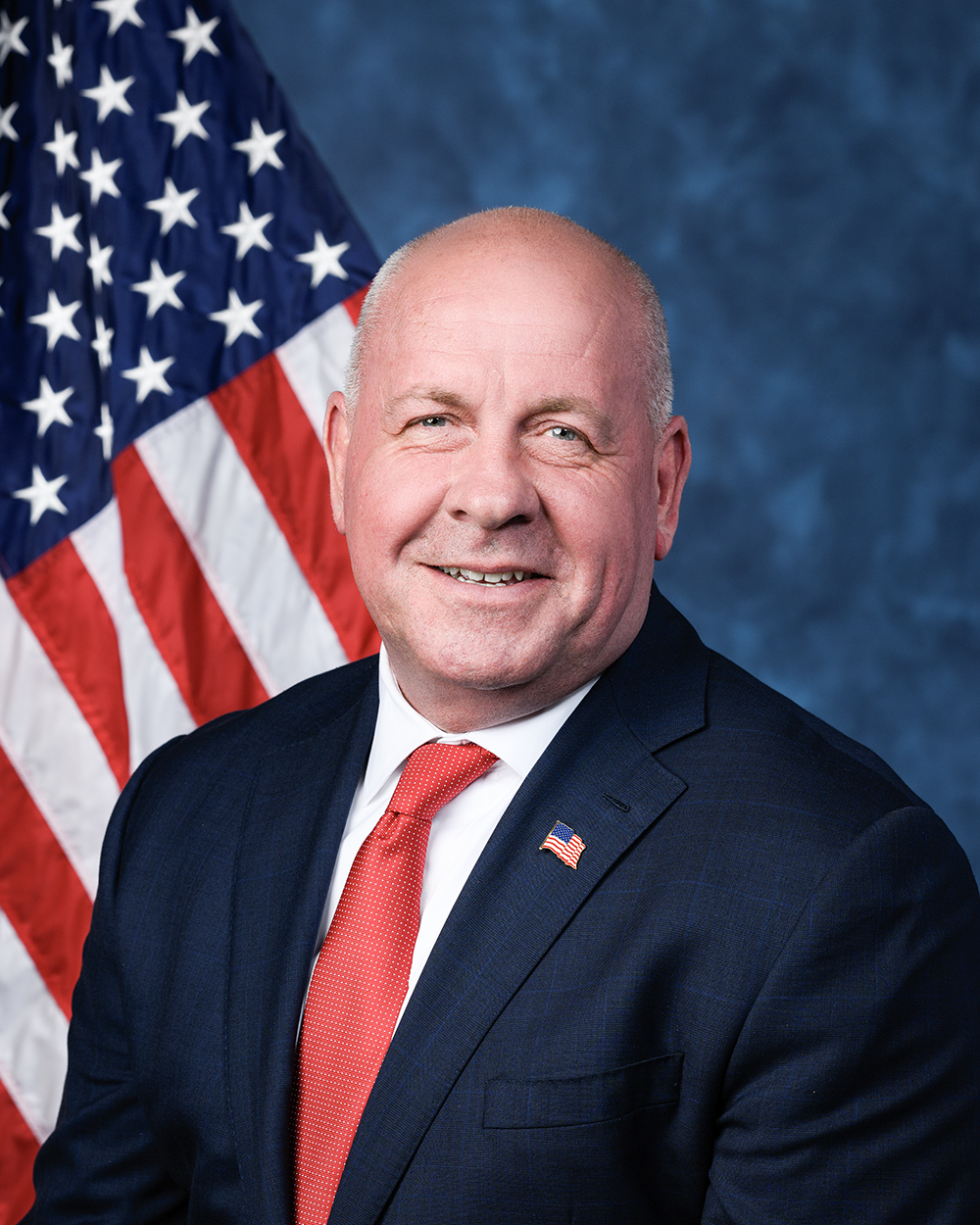
Rep. David J. Taylor
Sponsored bills
Maddy summaryHR 909, the Crime Victims Fund Stabilization Act of 2025, modifies how funds from the False Claims Act are deposited into the Crime Victims Fund. It specifies that from 2025 through 2029, certain False Claims Act proceeds (specifically those for qui tam plaintiff payments and government damage reimbursements) cannot be deposited into the fund. This change directly affects the composition of the Crime Victims Fund by excluding these specific revenue streams during the specified period. The bill does not create new benefits or alter victim services; it only adjusts fund allocation rules for existing False Claims Act revenues.
Maddy summaryHRES 984 is a symbolic resolution designating January 9, 2026, as "National Law Enforcement Appreciation Day." It directly honors all federal, state, local, and tribal law enforcement officers across the United States for their service and sacrifices. The resolution expresses the House's support and gratitude, encourages public observance through ceremonies, and recognizes officers who have made the ultimate sacrifice. As a non-binding resolution, it does not create new laws or policies but serves as a formal expression of appreciation.
Maddy summaryHR 6876, the "Protecting Children from Foreign Mutilation Act," imposes visa bans on foreign medical professionals or facilities that provide certain gender-affirming treatments to U.S. minors under 18. It targets foreign physicians or clinics performing "chemical or surgical mutilations" (defined as puberty blockers, hormones, or surgeries altering physical sex characteristics for transgender youth), excluding medically necessary care for intersex conditions or injuries. The bill requires the President to revoke visas for qualifying foreign providers and mandates a report to Congress on enforcement within 180 days. It explicitly excludes detransition treatments and medically necessary care for conditions like intersex variations or trauma. The law applies solely to foreign providers, not U.S. healthcare.
Maddy summaryHR 6840, the ARMENIA Security Partnership Act, requires the U.S. Secretary of Defense to annually certify whether Azerbaijan has met specific conditions related to Armenia, including withdrawing forces from Armenian territory, releasing prisoners, ending hostilities, and recognizing Armenian rights in Nagorno-Karabakh. If certification fails, the bill mandates an immediate review of U.S. security assistance to Armenia to assess gaps in Armenia’s defense capabilities and identify needed support. The review must evaluate historical U.S. security aid, threats to Armenia, and recommend steps to strengthen Armenia’s self-defense. It also blocks the use of a specific waiver (under the FREEDOM Support Act) that could bypass security aid restrictions if certification is not met. The bill directly affects U.S. security assistance decisions for Armenia based on Azerbaijan’s compliance with these conditions.
Maddy summaryThe PERMIT Act (HR 3898) amends the definition of "navigable waters" under the Clean Water Act to exclude specific water features from federal regulation. It explicitly removes waste treatment systems, ephemeral streams (flowing only after rain), prior converted cropland, groundwater, and other features designated by regulators. This change directly affects federal agencies like the EPA and Army Corps of Engineers, reducing their jurisdiction over these excluded water bodies. The bill aims to streamline permitting by clarifying which waters fall under federal Clean Water Act oversight.
Miracle on Ice Congressional Gold Medal Act This act provides for the award of Congressional Gold Medals to the members of the 1980 U.S. Olympic men's ice hockey team in recognition of the team's achievement at the 1980 Winter Olympic Games.
Maddy summaryHR 6600, the Main Street Lending Improvement Act of 2025, orders a study to examine how small business loans are processed across the U.S. It directs the government auditor (Comptroller General) to analyze disbursement times, approval rates, and loan amounts for small businesses in Appalachian and non-Appalachian regions from 2021 to 2024. The study will measure processing steps, accessibility, and efficiency, with a report due to Congress within two years. This bill does not change loan rules or provide funding - it only gathers data to inform potential future improvements to the small business loan system.
Maddy summaryHR 6592 redefines Medicaid-covered "private duty nursing" as "continuous skilled nursing services" for complex-care patients requiring multiple hours of daily nursing care (as determined by states), mandating these services be provided by licensed nurses (RNs or LPNs). It requires the Secretary to develop national quality standards for these services through a stakeholder working group, to be published within one year. The bill also updates Medicaid waiver services and quality measures to include continuous skilled nursing services, with standards reviewed every eight years. This directly affects complex-care Medicaid beneficiaries and their nursing providers across all states.
Maddy summaryThis bill prohibits public elementary and secondary schools receiving federal education funds from accepting money or entering contracts with the Chinese government, Chinese Communist Party, or their agents. Schools must also disclose any foreign funding or contracts within 30 days, including the source's name, country, amount, and terms. It directly affects all public K-12 schools participating in federal education programs. The law focuses solely on restricting funding sources and requiring transparency, with no provisions related to curriculum content or "combating lies" as referenced in the title.