Issue · Healthcare

Healthcare

Every healthcare bill, vote, and legislator stance in Nevada, automatically classified by Maddy, our AI policy reader.

Total bills
385
119th Congress
Top supporter
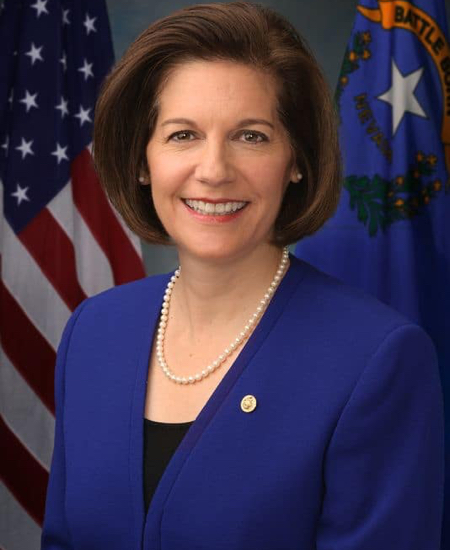
Catherine Cortez Masto
59% support rate
Top opponent
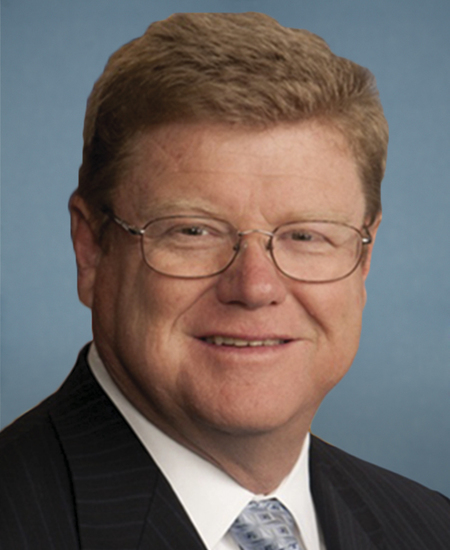
Mark E. Amodei
33% support rate
Ranked legislators
6
5 support · 1 oppose
Key legislators

Who's moving healthcare in Nevada

Legislators moving healthcare in Nevada
Legislator Party Stance Support rate Votes
Catherine Cortez Masto
Catherine Cortez Masto Senate
D
Mixed
59% 223
Jacky Rosen
Jacky Rosen Senate
D
Mixed
56% 221
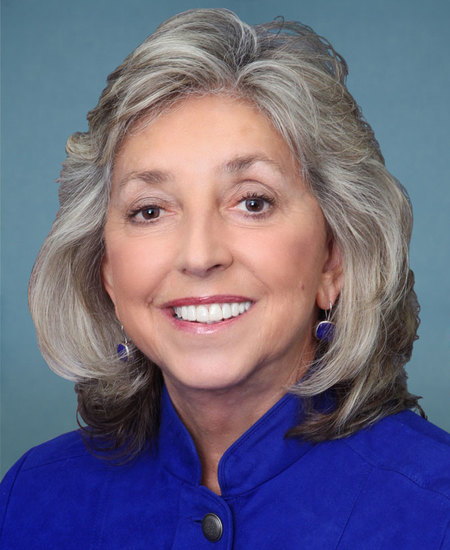
Dina Titus
Dina Titus House · District 1
D
Mixed
56% 208
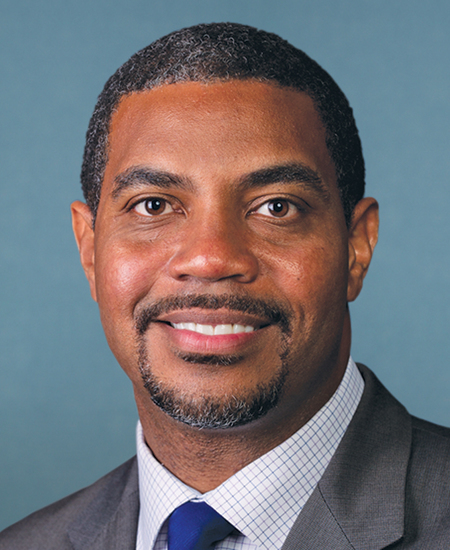
Steven Horsford
Steven Horsford House · District 4
D
Mixed
56% 211
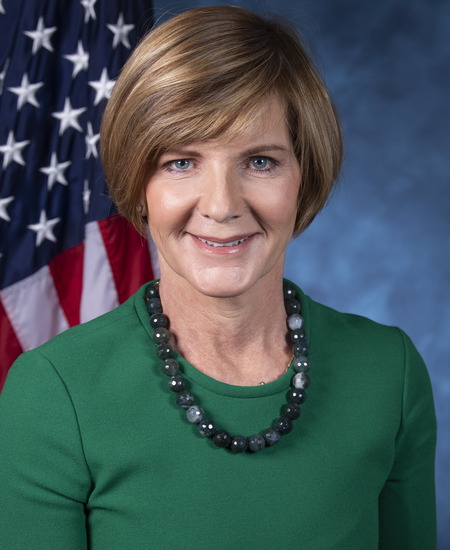
Susie Lee
Susie Lee House · District 3
D
Mixed
56% 210
Mark E. Amodei
Mark E. Amodei House · District 2
R
Oppose
33% 209
Showing 1–10 of 385 bills

All healthcare bills

in committee · United States · House Aug 17, 2026

HR 10115: Radiation Exposure Compensation Reauthorization Act of 2026

This bill reauthorizes and expands the Radiation Exposure Compensation Act, extending the program's funding through 2043 and allowing new claims to be filed until 2042. It increases compensation amounts for downwinders and Manhattan Project waste claimants from $100,000 or $50,000 to $150,000, respectively, and introduces a provision for reimbursing documented out-of-pocket medical expenses not covered by insurance. The legislation broadens eligibility by adding new geographic areas in states such as Colorado, Montana, Washington, Illinois, and Ohio, as well as the territory of Guam, while also permitting the use of third-party affidavits to verify employment history or physical presence in affected zones. Additionally, it establishes a discretionary process for the President to designate new groups of radiation-exposed individuals for compensation and mandates several health studies regarding the long-term effects of nuclear testing on specific populations.
in committee · United States · Senate Aug 6, 2026

S 5326: Health Care Fraud Prevention and Enforcement Act

The Health Care Fraud Prevention and Enforcement Act mandates increased funding for federal agencies, including the Department of Justice, the Department of Health and Human Services, and the Federal Bureau of Investigation, to combat health care fraud and abuse starting in fiscal year 2027. The bill expands the investigative authority of the HHS Office of Inspector General to cover programs established under the Affordable Care Act and includes the State Children's Health Insurance Program in Medicare-Medicaid data matching efforts. Additionally, it requires the Government Accountability Office to conduct a study on the program's performance and effectiveness, with results due to Congress within 16 months of enactment.
in committee · United States · Senate Aug 7, 2026

S 5361: MMU Rural Expansion Act of 2026

The Mobile Medical Unit Rural Expansion Act of 2026 directs the Department of Veterans Affairs to designate a specific office to oversee its mobile medical unit program and conduct a nationwide inventory of these vehicles. The bill requires the Secretary of Veterans Affairs to assess the feasibility of mandating annual deployments of these units to rural or underserved areas to improve healthcare access for veterans. Additionally, it mandates a comprehensive report to Congress identifying gaps in current capabilities, staffing, and funding barriers, as well as strategies for better engaging local veterans service organizations to optimize deployment locations.
in committee · United States · Senate Aug 5, 2026

S 5260: Stroke Act

The Stroke Act directs the Department of Health and Human Services to conduct research on stroke care delivery and award grants to improve national stroke data collection and quality. The legislation authorizes funding for a national stroke registry that gathers standardized information from various types of hospitals to support quality improvement and benchmarking. Additionally, it provides grants for training emergency medical personnel, expanding telestroke services in underserved areas, and coordinating post-stroke rehabilitation. Finally, the bill funds a national public education campaign aimed at promoting stroke prevention and encouraging individuals to seek immediate treatment for symptoms.
in committee · United States · Senate Aug 6, 2026

S 5283: Momnibus Act

The Momnibus Act is a comprehensive legislative package designed to address maternal health disparities by expanding access to care, improving data collection, and funding community-based interventions for pregnant and postpartum individuals. Key provisions include extending WIC nutrition benefits for new mothers from six months to two years, establishing a federal task force to coordinate efforts across government agencies, and creating grant programs to support social determinants of health such as housing, transportation, and mental health services. The bill also mandates respectful maternity care training for hospital staff, requires states to restrict the shackling of pregnant individuals in prison to maintain federal funding eligibility, and authorizes significant research funding through the National Institutes of Health to study maternal mortality causes and climate change impacts on pregnancy outcomes.
in committee · United States · Senate Jul 23, 2026

S 5127: Harley Jacobsen Clinical Trial Participant Income Exemption Act of 2026

This bill creates a tax exemption for money received by individuals who participate in approved clinical trials, allowing them to keep compensation and expense reimbursements without paying federal income tax. It also ensures that these payments are not counted as income or resources when determining eligibility for federal or federally funded assistance programs. The changes apply to any payments made after December 31, 2025, and are designed to help participants in studies covering a broader range of diseases and conditions.
in committee · United States · Senate Jul 23, 2026

S 5108: Right to IVF Act of 2026

The Right to IVF Act of 2026 establishes federal protections to ensure individuals can access assisted reproductive technology and intrauterine insemination without state-imposed restrictions, while also mandating that health insurance plans, Medicare, Medicaid, and the Federal Employees Health Benefits program cover these services. The bill defines these procedures broadly to include treatments like egg and embryo freezing and requires coverage regardless of whether a patient has been diagnosed with infertility. It further directs the Department of Defense and the Department of Veterans Affairs to provide fertility preservation and reproductive assistance to uniformed service members and veterans, including funding for egg or sperm retrieval and storage. Additionally, the legislation grants federal courts the authority to challenge and block any state laws that limit access to these reproductive treatments or discriminate against providers and patients based on protected characteristics.
in committee · United States · House Jul 21, 2026

HR 9817: Justice for Incarcerated Moms Act

The Justice for Incarcerated Moms Act aims to improve maternal health outcomes for pregnant and postpartum individuals in the criminal justice system by restricting financial incentives for states that use restraints on pregnant inmates. Under the bill, states receiving federal justice grants would face a 25 percent funding penalty if they fail to implement laws limiting the use of shackles on pregnant individuals, with those withheld funds redirected to compliant states. The legislation also directs the Bureau of Prisons and the Department of Justice to create and fund programs in at least six federal facilities and across various state and local prisons that provide specialized prenatal care, mental health support, and reentry assistance. These programs are designed to address specific health disparities, particularly for racial and ethnic minority groups, by offering culturally competent care, nutrition counseling, and opportunities to maintain contact with newborn children. Additionally, the act requires an independent oversight organization to monitor program implementation and mandates a Government Accountability Office report to analyze maternal and infant health data within the correctional system.
in committee · United States · Senate Jul 30, 2026

S 5188: Muhammad Ali American Boxing Revival Act of 2026

The Muhammad Ali American Boxing Revival Act of 2026 aims to improve safety and professional opportunities for boxers by modifying the existing Professional Boxing Safety Act of 1996. It creates a new category for "unified boxing organizations," which are private leagues or associations that manage title belts and rankings, allowing them to operate under a specific alternative compliance system. Under this system, these organizations must provide enhanced medical care, including additional ambulances and ringside physicians, and require more rigorous physical exams for older boxers. The bill also mandates minimum payments of $200 per round, limits contract lengths to six years, and establishes a comprehensive anti-doping program with random testing. Furthermore, the legislation prohibits unified boxing organizations from having financial interests in the management of the boxers they promote and requires strict rules against insider betting.
in committee · United States · Senate Jun 24, 2026

S 4879: Let Doctors Provide Reproductive Health Care Act

The Let Doctors Provide Reproductive Health Care Act prohibits states and their officials from restricting or penalizing health care providers who offer reproductive health services that are legal in the state where they are performed. This includes banning laws that stop doctors, nurses, pharmacists, or their staff from providing abortion, contraception, or other reproductive care, as well as preventing the denial of professional liability insurance based on these services. The bill establishes a private right of action allowing providers to sue in federal court to challenge such restrictions and mandates that the federal government cannot use funds to support legal cases against providers acting within state law. Additionally, the legislation appropriates $80 million in grants to support legal defense funds for providers facing lawsuits and to improve physical and cybersecurity measures at health care facilities.
Sub-Topics Women's Health
Showing 1 to 10 of 385 bills
1 2 3 39 Next