Issue · Healthcare

Healthcare

Every healthcare bill, vote, and legislator stance in Nebraska, automatically classified by Maddy, our AI policy reader.

Total bills
242
109th Legislature (2025-2026)
Top supporter
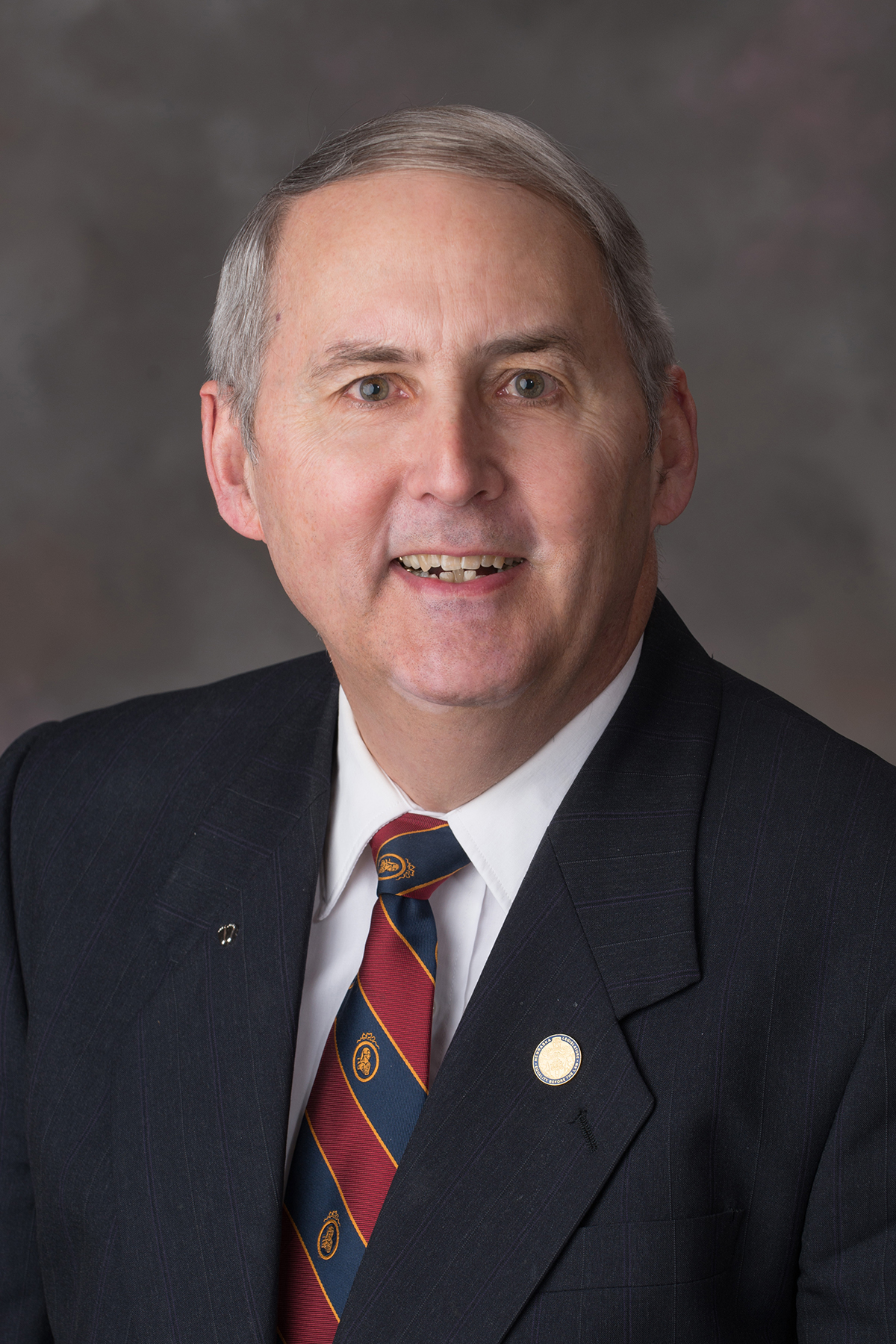
Dan Quick
81% support rate
Top opponent
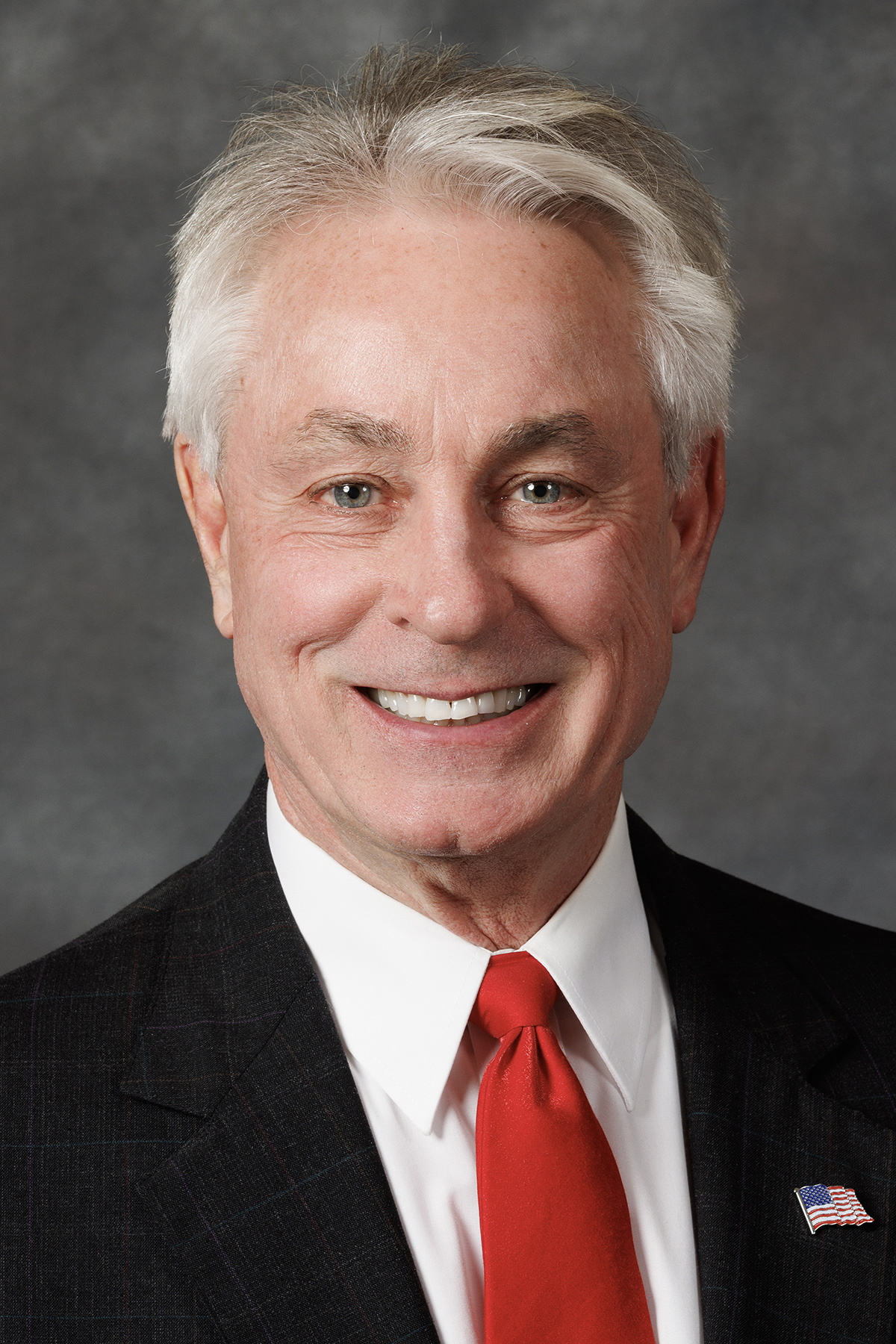
Rob Clements
36% support rate
Ranked legislators
10
5 support · 5 oppose
Key legislators

Who's moving healthcare in Nebraska

Legislators moving healthcare in Nebraska
Legislator Party Stance Support rate Votes
Dan Quick
Dan Quick House · District 35
N
Strong +
81% 135
Eliot Bostar
Eliot Bostar House · District 29
N
Support
79% 129
Machaela Cavanaugh
Machaela Cavanaugh House · District 6
N
Support
79% 162
Myron Dorn
Myron Dorn House · District 30
N
Support
77% 201
Ashlei Spivey
Ashlei Spivey House · District 13
N
Support
77% 148
Rob Clements
Rob Clements House · District 2
N
Oppose
36% 202
Jared Storm
Jared Storm House · District 23
N
Oppose
37% 188
Loren Lippincott
Loren Lippincott House · District 34
N
Oppose
38% 191
Bob Andersen
Bob Andersen House · District 49
N
Oppose
38% 203
Dave Murman
Dave Murman House · District 38
N
Oppose
39% 191
Showing 41–50 of 242 bills

All healthcare bills

died · Nebraska · Legislature Apr 17, 2026

LB 987: Adopt the Vision Benefit Plan Act

LB 987, the Vision Benefit Plan Act, establishes rules for vision benefit plans in Nebraska. It defines key terms like "covered services" (eye care provided under a plan), "covered materials" (items like glasses or contacts), and "fee schedule" (how much eye care providers are reimbursed). The bill requires insurers to follow specific reimbursement standards and prohibits "nominal" payments that don't cover providers' actual costs. It directly affects vision insurers, eye care providers (optometrists and ophthalmologists), and people enrolled in vision benefit plans. The law creates a regulatory framework to ensure fair reimbursement for vision care services.
died · Nebraska · Legislature Apr 17, 2026

LB 832: Extend the prohibition of the addition of long-term care services and supports to the medicaid managed care program

This bill extends Nebraska's existing ban on including long-term care services in the Medicaid managed care program until July 1, 2030. It prohibits adding services like skilled nursing facilities, nursing homes, assisted living, and home-based care to Medicaid managed care plans. The policy directly affects Medicaid beneficiaries seeking long-term care services and providers that would otherwise deliver these services through Medicaid managed care. The bill amends Section 68-994 of Nebraska law to update the end date and repeals the previous version of the section.
died · Nebraska · Legislature Apr 17, 2026

LB 1157: Provide payment method requirements for health insurers, health insurer vendors, and care management organizations

LB 1157 requires health insurers, their contracted vendors, and care management organizations to accept payment methods other than credit cards for healthcare provider payments starting January 1, 2027. The bill directly affects healthcare providers who receive payments from these entities, ensuring they are not forced to accept only credit card transactions. It prohibits payment systems from restricting providers to credit cards as the sole acceptable method for reimbursement. This change aims to provide more payment flexibility for healthcare providers while maintaining existing reimbursement standards.
Sub-Topics Insurance
signed · Nebraska · Legislature Apr 17, 2026

LB 912: Adopt the Community Health Worker Training Endorsement Act, the Athletic Trainer Compact, and the Respiratory Care Interstate Compact, change provisions relating to child care licensing and the practice of athletic training, respiratory care, massage therapy, medical radiography, nurse practitioners, pharmacy, and pharmacists, provide for liens for physical therapy services and automated pickup kiosks for certain prescription medication, and eliminate provisions relating to physician liability for physician assistants

LB 912, the Community Health Worker Training Endorsement Act, establishes a state system to recognize community health worker (CHW) training programs that meet minimum quality standards. It directly affects CHW training programs and the workers they prepare, enabling these programs to qualify for reimbursement by Medicaid and private insurers. The bill requires the Department of Health and Human Services to develop rules by December 2026 defining core competencies, application processes, fees, and oversight for program endorsement. Crucially, it clarifies that this endorsement does not create licensure or certification for CHWs, nor does it expand the scope of practice for licensed health professionals. The key change is creating a standardized pathway for CHW services to be covered by insurance, improving access to community-based health support.
signed · Nebraska · Legislature Apr 17, 2026

LB 1235: Change provisions of the Nebraska Liquor Control Act and the Nebraska Medical Cannabis Regulation Act

LB 1235 updates Nebraska's medical cannabis laws by amending the Nebraska Medical Cannabis Patient Protection Act and Nebraska Medical Cannabis Regulation Act. It establishes a patient and caregiver registry, creates a directory of healthcare practitioners who can recommend cannabis, and sets licensing requirements for practitioners and cannabis businesses. The bill introduces sales tax on medical cannabis (separate from marijuana taxes), outlines commission powers for regulation and enforcement, and defines key terms like "qualified patient" and "allowable amount." These changes directly affect medical cannabis patients, their caregivers, healthcare providers, and the Nebraska Medical Cannabis Commission.
Sub-Topics Sales Tax
died · Nebraska · Legislature Apr 17, 2026

LB 744: Include public safety communications personnel in certain provisions relating to first responders in the Nebraska Workers' Compensation Act and the Critical Incident Stress Management Act

LB 744 amends Nebraska's Workers' Compensation Act and Critical Incident Stress Management Act to include public safety communications personnel - such as 911 dispatchers and emergency communication center staff - within the definition of "first responder." This change allows these workers to seek workers' compensation for mental health injuries, like PTSD, without needing to prove a physical injury, under the same rules that apply to police and firefighters. The bill extends existing eligibility requirements, including mental health screenings upon hiring and annual resilience training, to cover these personnel.
Sub-Topics Mental Health Tags Public Safety
died · Nebraska · Legislature Apr 17, 2026

LB 942: Provide requirements for medicaid reimbursement for emergency medical conditions and inpatient services under the Medical Assistance Act

LB 942 amends Nebraska's Medical Assistance Act to clarify Medicaid reimbursement rules for emergency and inpatient services. It requires Medicaid to reimburse emergency services based solely on a patient's symptoms at the time of care (not final diagnosis), prohibits reducing payments for emergency services based on later diagnoses or screening tools, and mandates reimbursement at the standard fee-for-service rate. For inpatient care, it sets a two-midnight minimum stay requirement based on physician documentation of medical factors like symptoms and risk of adverse events, with exceptions for unexpected circumstances like death or transfer. The bill directly affects Medicaid recipients, hospitals, and emergency care providers by standardizing payment criteria under state Medicaid programs.
Sub-Topics Hospitals Medicaid
signed · Nebraska · Legislature Apr 17, 2026

LB 1240: Change provisions relating to state recovery under the achieving a better life experience program

LB 1240 modifies Nebraska's ABLE (Achieving a Better Life Experience) program by preventing the state from seeking recovery of funds from an ABLE account after the account holder's death. Specifically, it states that Nebraska cannot recover amounts from the account or distributions made upon death for medical assistance received under the Medical Assistance Act after the account was established. This directly affects Nebraska residents using ABLE accounts who receive state medical assistance, ensuring their beneficiaries won't face repayment claims for prior medical costs. The change amends Section 77-1403(5) of Nebraska law to align with federal ABLE program rules.
Sub-Topics Substance Abuse
died · Nebraska · Legislature Apr 17, 2026

LB 723: Provide for implementation of community engagement requirements under the Medical Assistance Act

LB 723 requires Nebraska's Department of Health and Human Services to implement community engagement rules for the medical assistance program strictly as mandated by federal law (42 U.S.C. 1396a(xx)). It directs the department to adopt all available short-term hardship exemptions, use the broadest definition of "medically frail," accept participant statements for verification, and utilize data from programs like SNAP to assess compliance. The bill also establishes an income threshold - automatically deeming individuals with monthly incomes equal to or higher than 80 hours at federal minimum wage as meeting requirements. This applies to Nebraskans enrolled in medical assistance who must comply with federal work or community engagement rules. The bill takes effect immediately upon approval.
died · Nebraska · Legislature Apr 17, 2026

LB 1040: Change provisions of the Nebraska Mental Health Commitment Act relating to grounds for civil commitment and inpatient treatment and allow for interested parties to file petitions

LB 1040 amends Nebraska's Mental Health Commitment Act to allow family members, close friends, or guardians (defined as "interested parties") to file petitions seeking civil commitment for individuals they believe are mentally ill and dangerous. The bill updates the definition of "mentally ill and dangerous" to explicitly include risks of harm to self (e.g., recent suicide threats), harm to others (e.g., violent acts), or property damage, requiring petitions to detail specific behaviors. It adds a penalty for filing petitions in bad faith and clarifies procedures for mental health boards and county attorneys handling these cases. This change expands who can initiate commitment proceedings while setting clearer standards for when civil commitment is warranted.
Sub-Topics Mental Health
Showing 41 to 50 of 242 bills
Previous 1 4 5 6 25 Next