Issue · Healthcare

Healthcare

Every healthcare bill, vote, and legislator stance in Nebraska, automatically classified by Maddy, our AI policy reader.

Total bills
242
109th Legislature (2025-2026)
Top supporter
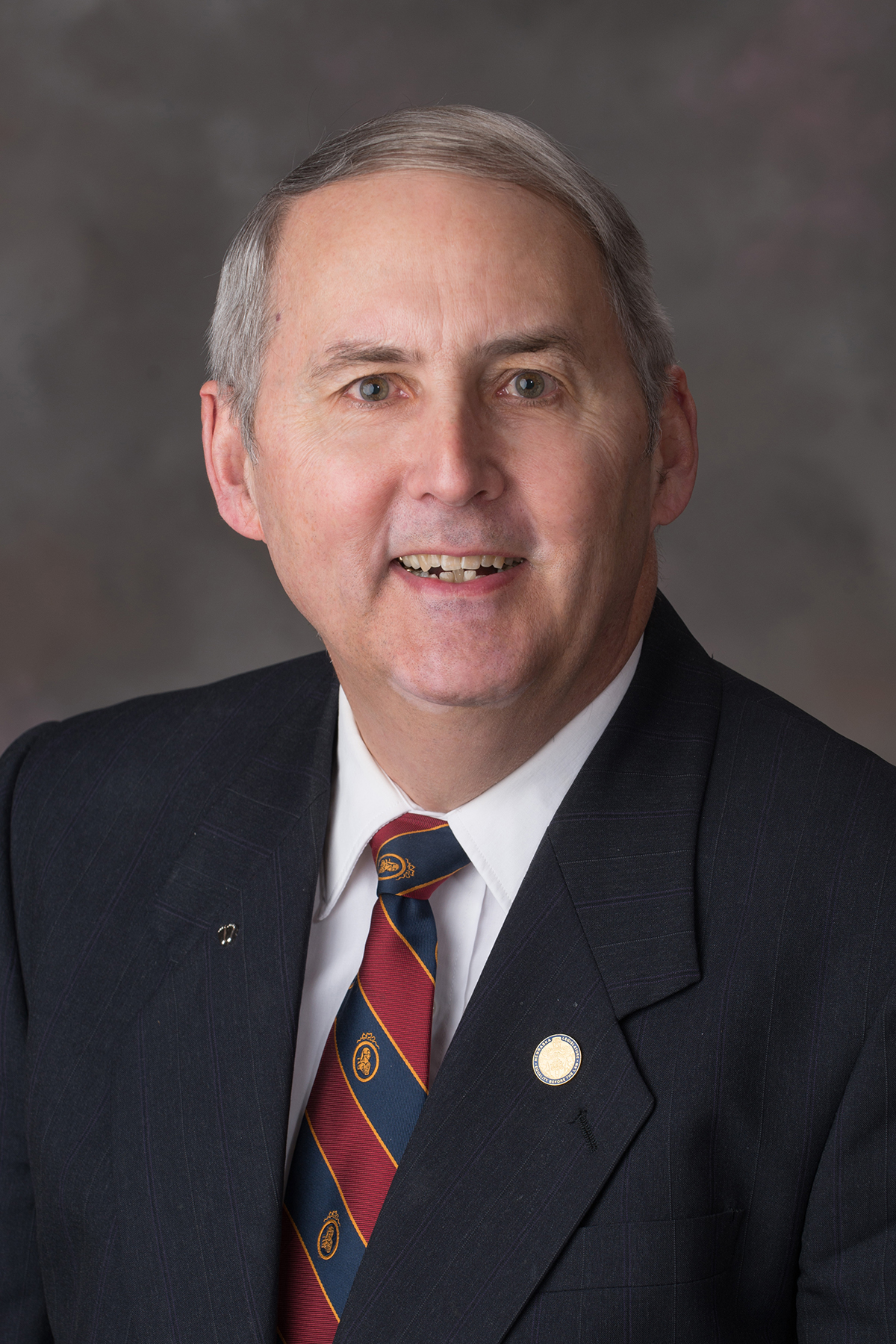
Dan Quick
81% support rate
Top opponent
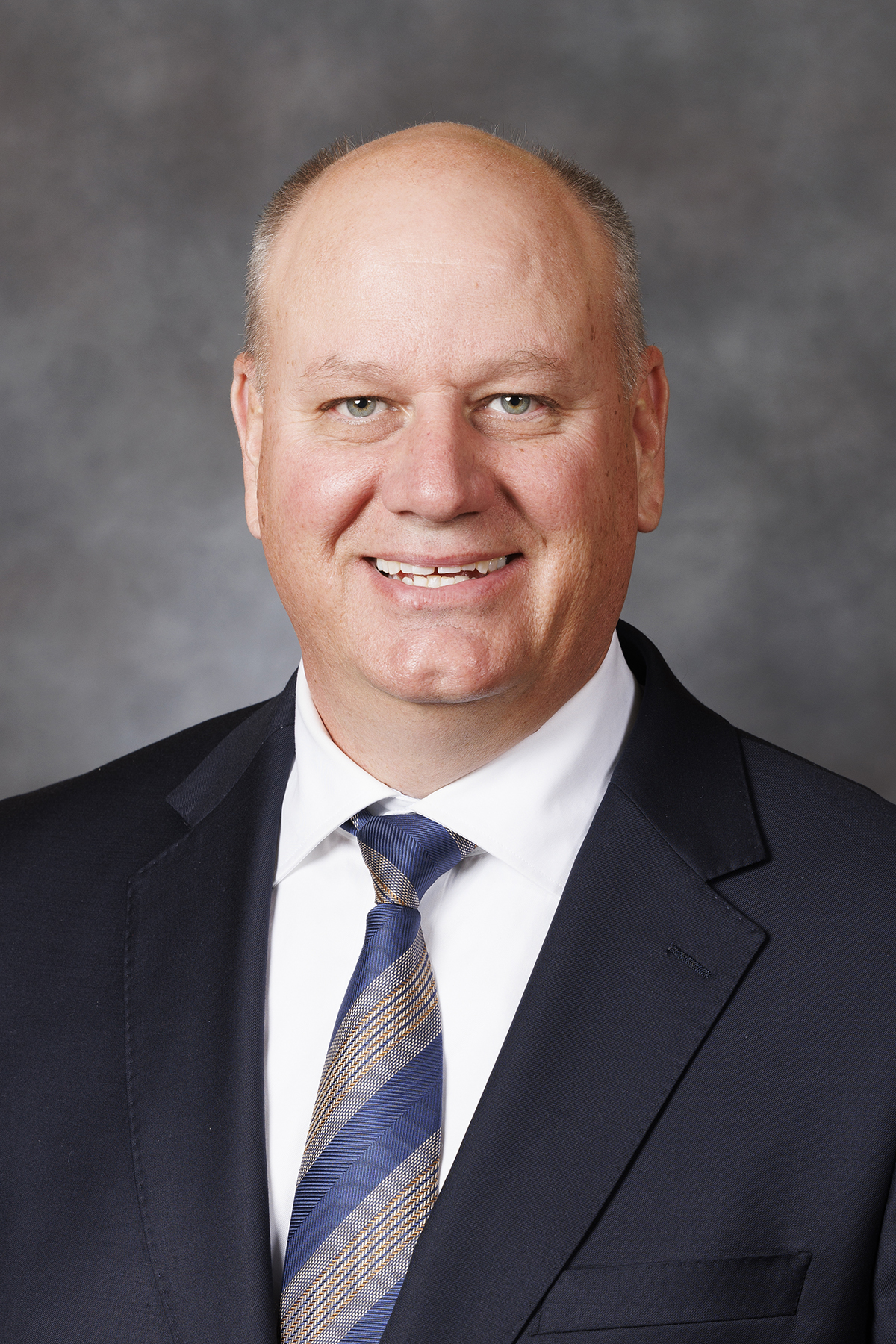
Rob Clements
36% support rate
Ranked legislators
10
5 support · 5 oppose
Key legislators

Who's moving healthcare in Nebraska

Legislators moving healthcare in Nebraska
Legislator Party Stance Support rate Votes
Dan Quick
Dan Quick House · District 35
N
Strong +
81% 135
Eliot Bostar
Eliot Bostar House · District 29
N
Support
79% 129
Machaela Cavanaugh
Machaela Cavanaugh House · District 6
N
Support
79% 162
Myron Dorn
Myron Dorn House · District 30
N
Support
77% 201
Ashlei Spivey
Ashlei Spivey House · District 13
N
Support
77% 148
Rob Clements
Rob Clements House · District 2
N
Oppose
36% 202
Jared Storm
Jared Storm House · District 23
N
Oppose
37% 188
Loren Lippincott
Loren Lippincott House · District 34
N
Oppose
38% 191
Bob Andersen
Bob Andersen House · District 49
N
Oppose
38% 203
Dave Murman
Dave Murman House · District 38
N
Oppose
39% 191
Showing 31–40 of 242 bills

All healthcare bills

died · Nebraska · Legislature Apr 17, 2026

LB 911: Provide requirements for licensed behavior analysts, certain child care licensing facilities, behavior analysis services under the Medical Assistance Act, and the Department of Health and Human Services

This bill establishes new requirements for licensed behavior analysts and modifies child care licensing rules for facilities providing applied behavior analysis (ABA) services. It prohibits remote-only supervision for ABA programs exceeding 15 hours per week per client, mandates in-person observations for supervision, and requires facilities to maintain physical presence in Nebraska. The bill exempts ABA facilities from standard child care licensing if they don’t provide custodial care or non-therapeutic recreation, but requires them to comply if offering extended care or non-billable time. Additionally, it directs the Department of Health and Human Services to review ABA services exceeding 20 hours weekly or 12 months without documented progress to ensure medical necessity.
died · Nebraska · Legislature Apr 17, 2026

LB 1211: Provide requirements for automated medication systems operated by certain pharmacies under the Automated Medication Systems Act

LB 1211 establishes licensing and operational requirements for automated medication systems used in Nebraska pharmacies. It requires pharmacists in charge to annually license these systems (located on pharmacy-owned/leased property) through the Division of Public Health, including application submissions, inspections, and documentation. Key provisions mandate proper drug packaging (original or compliant repackaging), labeling per pharmacy laws, pharmacist verification before dispensing, and prohibit dispensing controlled substances. The bill directly affects Nebraska pharmacies operating automated medication systems in hospitals, long-term care facilities, or assisted living settings. It also ensures systems outside enclosed buildings must have environmental/security safeguards approved by the Board of Pharmacy.
died · Nebraska · Legislature Apr 17, 2026

LB 1200: Require industrial integrators to submit an annual disaster mitigation plan to the Department of Health and Human Services

LB 1200 requires large livestock supply chain companies (defined as industrial integrators controlling feed, veterinary care, and entire production from farm to market) to submit annual disaster mitigation plans to Nebraska's Department of Health and Human Services. These plans must detail coordination with local health departments, hospitals, emergency responders, and nearby facilities during disease outbreaks (like avian flu) or natural disasters, including communication protocols, personal protective equipment distribution, and disease control measures. Key provisions include protocols for reporting exposures, monitoring public health, isolating affected animals, and protecting water resources. The bill directly affects major livestock corporations managing operations across Nebraska, aiming to improve preparedness for events disrupting public health or operations.
Sub-Topics Public Health
died · Nebraska · Legislature Apr 17, 2026

LB 1124: Increase the cigarette tax and state intent and change provisions relating to the distribution of cigarette tax proceeds

LB 1124 increases Nebraska's cigarette tax by $1.64 per pack (for ≤20 cigarettes) and redirects the majority of tax proceeds to specific state funds. It directs 97 cents per pack plus $1.25 million annually to the Nebraska Health Care Cash Fund for Medicaid programs, addressing smoking-related healthcare costs cited as exceeding $120 million yearly. The bill also allocates remaining funds to outdoor recreation, health services, building renewal, and public safety programs, while requiring the General Fund to receive the equivalent of 52.49 cents per pack. The changes take effect July 1, 2026, with Medicaid funding as the primary new focus.
Sub-Topics State Budget Medicaid
signed · Nebraska · Legislature Apr 17, 2026

LB 958: Provide for implementation of a home and community-based services waiver, retroactive coverage of certain benefits, and reimbursement of doula services and change reporting requirements under the Medical Assistance Act, change provisions relating to the Nebraska Prenatal Plus Program, and provide limits for crisis assistance payments under the low-income home energy assistance program

This bill requires Nebraska's Department of Health and Human Services to obtain legislative approval before applying for or amending a federal 1915(c) Medicaid waiver that would introduce individual cost limits, reduce total service hours, or narrow eligibility criteria. It also defines "nursing facility level of care" as a Medicaid recipient needing assistance with two or more daily activities in a community setting, provided the waiver program remains cost-neutral. These changes directly affect Medicaid recipients, providers, and the Department of Health and Human Services by regulating waiver modifications and clarifying service standards. The bill harmonizes existing definitions within Nebraska's Medical Assistance Act to ensure consistency in Medicaid program administration.
Sub-Topics Medicaid
died · Nebraska · Legislature Apr 17, 2026

LB 946: State intent regarding appropriations to the Department of Health and Human Services for medicaid assisted-living facilities

This bill directs Nebraska's Legislature to appropriate $7,046,697 (including $3.1 million in state funds and $3.9 million in federal funds) for fiscal year 2026-27 specifically to increase Medicaid reimbursement rates for assisted-living facilities. It mandates that the Department of Health and Human Services raise the daily rate for all facilities under Nebraska's aged and disabled home and community-based Medicaid waiver program (Program No. 348) to $78.45 per day, applying equally to both rural and urban facilities. The funding is intended to directly affect Medicaid-certified assisted-living facilities serving eligible older adults and disabled individuals in Nebraska.
Sub-Topics Medicaid
failed · Nebraska · Legislature Apr 17, 2026

LB 929: Provide for managed care organizations to pay the deductible, cost sharing, or similar charges on behalf of medicaid enrollees

This bill (LB 929) amends Nebraska's Medicaid rules to restrict cost-sharing requirements for enrollees. It prohibits the Department of Health and Human Services from imposing deductibles, copayments, or similar charges unless federal law mandates them (Section 68-912(6)). If federal requirements apply, the state must implement them no earlier than October 1, 2028, at the lowest amount permitted by federal law (Section 68-912(7)), allow managed care organizations to pay these costs on behalf of enrollees, and prevent providers from denying care due to unpaid charges. The bill directly affects Nebraska Medicaid enrollees by protecting them from unexpected out-of-pocket costs and ensuring access to care.
Sub-Topics Medicaid
died · Nebraska · Legislature Apr 17, 2026

LB 1143: Change provisions relating to nursing facility rates and establish a money follows the person program under the Medical Assistance Act

Nebraska bill LB 1143 changes how Medicaid funds are used for nursing facility care by requiring rates to be based on actual client usage and service needs, rather than fixed amounts. It mandates that the Department of Health and Human Services submit a federal application to establish a "Money Follows the Person" program by December 2026. This program would help Medicaid recipients transition from nursing homes to community-based care while maintaining their long-term care coverage. The bill directly affects Nebraska residents in nursing facilities and those eligible for community-based services under Medicaid.
died · Nebraska · Legislature Apr 17, 2026

LB 866: Change distribution of the Nebraska Opioid Recovery Trust Fund, create a fund, and provide for drug detection activities

Nebraska's LB 866 amends the state's opioid recovery fund to redirect specific annual transfers to address the opioid crisis. It allocates $1.125 million to first responder behavioral health training, $400,000 to overdose review teams, and $3 million to opioid prevention and treatment programs. The bill also creates a new Drug Detection and Prevention Cash Fund (administered by the Attorney General) to support law enforcement efforts targeting fentanyl, including detection technology, task forces, and public education. Funds must be used strictly for these purposes, with 25% going to prevention/treatment and 75% to infrastructure. The bill directly affects first responders, health services, law enforcement, and public safety initiatives across Nebraska.
died · Nebraska · Legislature Apr 17, 2026

LB 825: Require training on domestic abuse for mental health practitioners under the Uniform Credentialing Act

LB 825 requires licensed mental health practitioners in Nebraska to complete at least two hours of domestic abuse training every two years. It also mandates that individuals seeking provisional mental health licenses must complete three hours of specific domestic abuse training covering screening tools, risk indicators, trauma-informed care, and referrals. The training must be provided by qualified instructors with relevant experience and additional certification. This applies to all licensed practitioners and provisional license holders under the Mental Health Practice Act, effective January 1, 2027. The bill defines domestic abuse using Nebraska's existing legal definition from section 42-903.
Showing 31 to 40 of 242 bills
Previous 1 3 4 5 25 Next