Issue · Healthcare

Healthcare (Prescription Drugs)

Every healthcare bill, vote, and legislator stance in Nebraska, automatically classified by Maddy, our AI policy reader.

Total bills
17
109th Legislature (2025-2026)
Top supporter
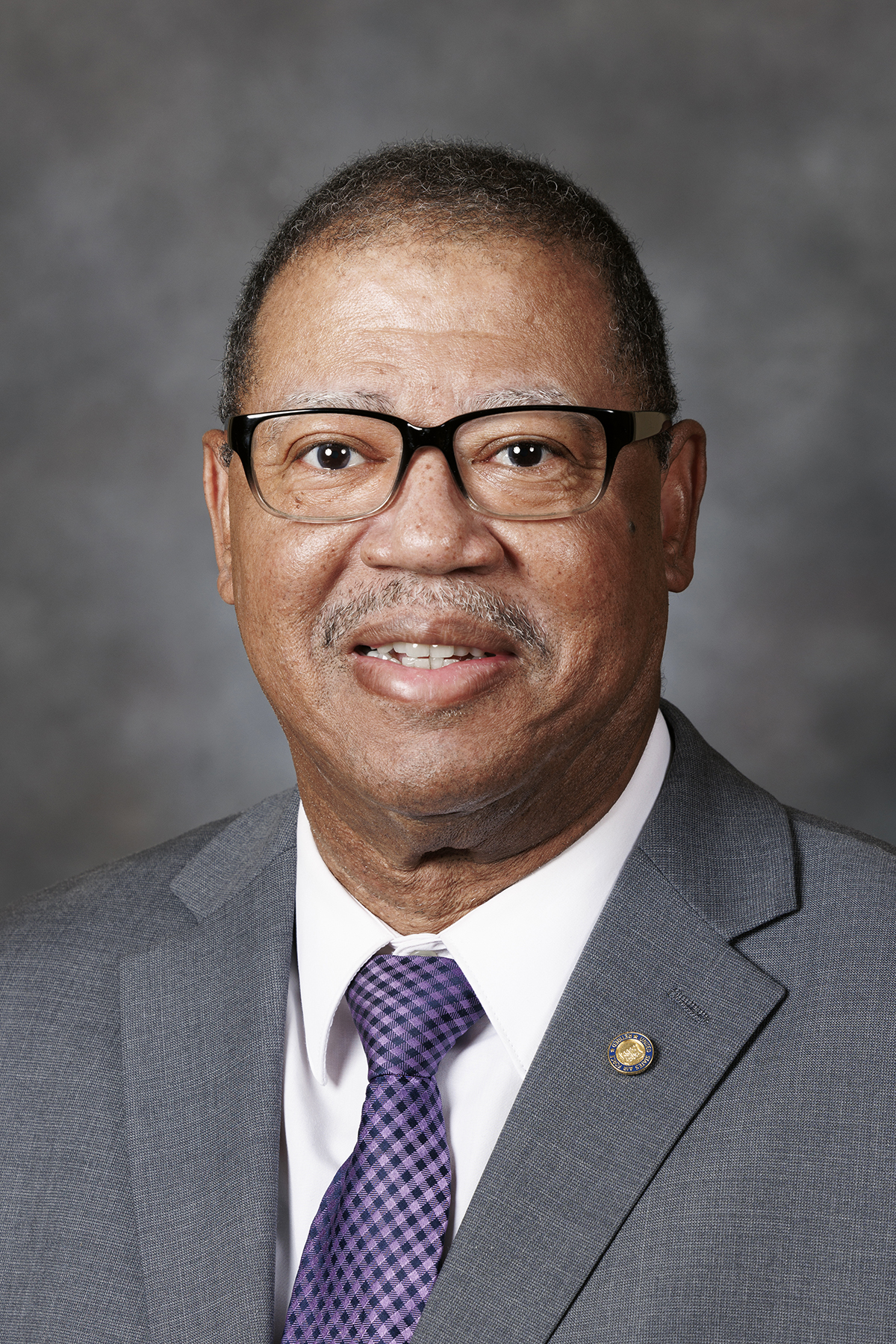
Victor Rountree
100% support rate
Top opponent
Wendy DeBoer
20% support rate
Ranked legislators
10
5 support · 5 oppose
Key legislators

Who's moving prescription drugs in Nebraska

Legislators moving prescription drugs in Nebraska
Legislator Party Stance Support rate Votes
Victor Rountree
Victor Rountree House · District 3
N
Strong +
100% 4
John Cavanaugh
John Cavanaugh House · District 9
N
Support
67% 6
Margo Juarez
Margo Juarez House · District 5
N
Support
67% 6
Ashlei Spivey
Ashlei Spivey House · District 13
N
Support
60% 5
Jane Raybould
Jane Raybould House · District 28
N
Support
60% 5
Wendy DeBoer
Wendy DeBoer House · District 10
N
Strong −
20% 5
Jana Hughes
Jana Hughes House · District 24
N
Oppose
29% 7
Mike Moser
Mike Moser House · District 22
N
Oppose
29% 7
Woody Wordekemper
Woody Wordekemper House · District 15
N
Oppose
29% 7
Tom Brandt
Tom Brandt House · District 32
N
Oppose
40% 5
Showing 1–10 of 17 bills

All healthcare bills

signed · Nebraska · Legislature Apr 17, 2026

LB 955: Provide for practice agreements between pharmacists and physician assistants

LB 955 allows pharmacists in Nebraska to form written practice agreements with physician assistants (PAs) who work under collaborative agreements with physicians. These agreements enable PAs to coordinate with pharmacists to provide pharmaceutical care under specific written protocols for monitored or initiated therapies. The bill requires pharmacists to notify both the Pharmacy Board and the PA's licensing board about agreements, include signed protocols, and review agreements every two years. This change directly affects pharmacists, PAs, and their supervising physicians by creating a formalized process for collaborative patient care.
died · Nebraska · Legislature Apr 17, 2026

LB 1211: Provide requirements for automated medication systems operated by certain pharmacies under the Automated Medication Systems Act

LB 1211 establishes licensing and operational requirements for automated medication systems used in Nebraska pharmacies. It requires pharmacists in charge to annually license these systems (located on pharmacy-owned/leased property) through the Division of Public Health, including application submissions, inspections, and documentation. Key provisions mandate proper drug packaging (original or compliant repackaging), labeling per pharmacy laws, pharmacist verification before dispensing, and prohibit dispensing controlled substances. The bill directly affects Nebraska pharmacies operating automated medication systems in hospitals, long-term care facilities, or assisted living settings. It also ensures systems outside enclosed buildings must have environmental/security safeguards approved by the Board of Pharmacy.
died · Nebraska · Legislature Feb 12, 2026

LB 1239: Change provisions relating to management of long-term care facilities

This bill changes Nebraska law to allow residents of long-term care facilities to choose their own pharmacy for medications, rather than being required to use the facility's automated medication system. It removes restrictions that previously forced residents to obtain medications through the facility's system, ensuring they can access medications from their preferred pharmacy. The law directly affects residents in Nebraska's long-term care facilities by expanding their medication choice. The bill replaces a previous requirement that limited pharmacy options for these residents.
died · Nebraska · Legislature Apr 17, 2026

LB 949: Change provisions relating to the prescription drug monitoring program, the statewide health information exchange, and the Health Information Technology Board

LB 949 updates Nebraska's prescription drug monitoring system by requiring all pharmacies to report prescription drug data daily to the system, including for cash payments or non-third-party payors. It prohibits patients from opting out of the monitoring system and exempts only "emergency use" or "immunization" prescriptions from reporting. The bill affects pharmacists, doctors, and healthcare providers who dispense medications, ensuring all controlled substances are tracked for safety oversight. It also harmonizes related rules for the statewide health information exchange and Health Information Technology Board.
Sub-Topics Prescription Drugs
signed · Nebraska · Legislature Jun 6, 2025

LB 332: Provide for assistant funeral directors, change scope of practice and regulatory provisions regarding funeral directing and embalming, hearing instrument specialists, and audiologists, change membership provisions for the Board of Pharmacy, change provisions regarding delegated dispensing permits and prescription refills, provide medicaid coverage for psychology services, and establish the Rural Health Opportunity Program

LB 332 creates a new "assistant funeral director" role to support licensed funeral directors, allowing assistants to help with funeral arrangements and management under direct supervision but prohibiting embalming (Sections 4-8). The bill expands Medicaid coverage to include psychology services provided by qualified practitioners and establishes the Rural Health Opportunity Program requiring a memorandum of understanding (Sections 38-1509, 38-1512). It also updates regulations for hearing instrument specialists, changes pharmacy board membership rules, and modifies prescription refill requirements. These changes directly affect funeral service professionals, healthcare providers, and Medicaid recipients in Nebraska.
signed · Nebraska · Legislature Mar 12, 2025

LB 10: Change requirements relating to wholesale drug distributors and dispensing of certain prescription drugs

This bill modifies Nebraska's requirements for wholesale drug distributors and emergency drug distribution. It exempts distributors participating in the Prescription Drug Donation Program from needing electronic pedigrees (tracking documents) for prescription drugs. The bill also allows the state health department to receive and dispense donated prescription drugs through licensed personnel during a declared state of emergency. These changes directly affect wholesale drug distributors and emergency response operations. The bill repeals the original section it amends and takes effect immediately upon approval.
Sub-Topics Prescription Drugs
died · Nebraska · Legislature Apr 17, 2026

LB 367: Prohibit conversion therapy and provide for disciplinary sanctions and a deceptive trade practice

LB 367 prohibits licensed medical and mental health professionals (including doctors, psychologists, nurses, and pharmacists) from providing conversion therapy, gender identity conversion therapy, or sexual orientation conversion therapy to individuals under 19 years old. The bill amends Nebraska’s Uniform Credentialing Act to add "providing conversion therapy" as a specific ground for disciplinary action, including license suspension or revocation. It also bans the use of state funds for conversion therapy and defines the prohibited practice as any effort to change a person’s sexual orientation or gender identity. The law directly affects practitioners in the Medicine and Surgery, Mental Health, Nurse, Pharmacy, and Psychology practice acts.
died · Nebraska · Legislature Apr 17, 2026

LB 322: Prohibit assault on a pharmacist and clarify provisions relating to assault on officers, emergency responders, certain employees, and health care professionals

LB 322 increases penalties for assaulting specific professionals while they are working. It makes assault on pharmacists, healthcare workers (including hospital/clinic staff), and emergency responders a higher felony classification when committed during their duties at pharmacies, hospitals, or clinics. The bill defines "pharmacist" as a state-licensed pharmacy practitioner and "health care professional" to include all employees at healthcare facilities. This amendment enhances existing assault penalties for these targeted groups without creating new prohibitions. The bill is currently postponed indefinitely in Nebraska's legislative process.
died · Nebraska · Legislature Apr 17, 2026

LB 697: Change requirements relating to compounding and delegated dispensing permits under the Pharmacy Practice Act

Nebraska's LB 697 amends pharmacy practice regulations to update compounding standards and delegated dispensing rules. It requires pharmacists to follow specific U.S. Pharmacopeia standards for compounding (effective Jan. 2023) and prohibits compounding certain drugs, like FDA-withdrawn products or copies of approved drugs during shortages. The bill also revises delegated dispensing permits for public health clinics, limiting dispensing to contraceptive refills, mandating detailed labeling requirements, and requiring a pharmacist's daily availability to answer questions. These changes directly affect pharmacists, pharmacy boards, and public health clinics operating under delegated dispensing permits.
died · Nebraska · Legislature Apr 17, 2026

LB 515: Provide requirements for certain prescription refills

This Nebraska bill (LB 515) amends pharmacy rules to establish clear procedures for pharmacists to provide emergency prescription refills when doctors cannot be contacted. It allows pharmacists to dispense up to a 30-day supply (or the previous refill amount, whichever is less) for non-controlled maintenance medications under specific conditions: the refill must be for ongoing treatment, the pharmacist must verify the prescription through records or a database, and the pharmacist must judge that interrupting therapy would harm the patient. The bill directly affects pharmacists and patients who need urgent access to ongoing medications like diabetes or blood pressure drugs. It does not change standard refill rules but creates a defined emergency process to prevent treatment gaps.
Sub-Topics Prescription Drugs
Showing 1 to 10 of 17 bills
1 2 Next