Maddy summaryHF 1259 appropriates $350,000 for fiscal years 2026 and 2027 from Minnesota's arts and cultural heritage fund to the Minnesota FFA. The funding directly supports FFA members participating in art- and history-related activities, including creating a history book and video series to commemorate 100 years of FFA work, and covering costs for events like FFA band/choir, talent competitions, and fair displays. Up to $125,000 annually must be used for historical documentation, with remaining funds allocated to other qualifying art and history activities. The commissioner of agriculture will develop grant criteria in consultation with the Minnesota FFA.
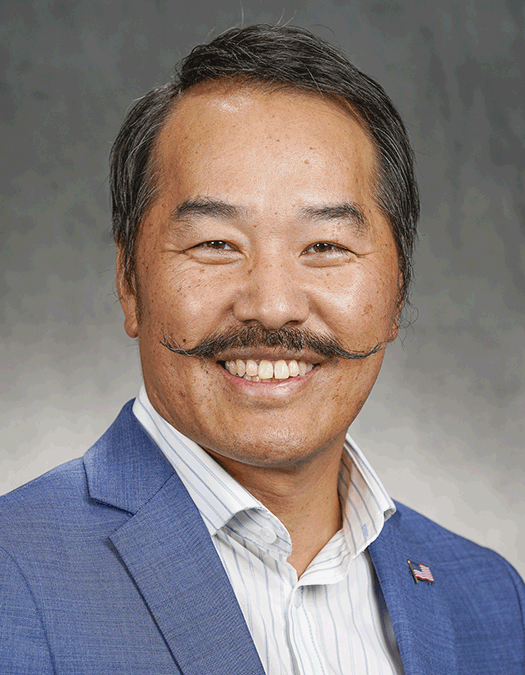
Rep. Ethan Cha
Sponsored bills
Maddy summaryHF 1529 provides a refundable sales and use tax exemption for construction materials used in specific water infrastructure projects in Woodbury, Minnesota. The bill exempts materials for water treatment facilities, water towers, pipelines, and related improvements from state sales tax, with the tax collected upfront and refunded later. Purchases made between February 2024 and December 2028 qualify, and refunds are processed through the state revenue system following existing procedures. This directly benefits Woodbury for its water infrastructure projects and contractors purchasing qualifying materials during the specified period.
Maddy summaryHF 1566 requires landlords in Minnesota to make reasonable safety modifications for tenants with children who have autism, specifically when hazards like lakes, rivers, or other water bodies are near rental properties. Tenants must request these accommodations, and landlords can ask for documentation unless the child's condition is obvious. Landlords cannot retaliate against tenants making such requests and must adjust policies or property features to protect the child, unless the change would fundamentally alter the property. This bill directly affects tenants with autistic children and their landlords in rental housing.
Maddy summaryHF 1559 appropriates $1.25 million for each of fiscal years 2026 and 2027 from Minnesota’s arts and cultural heritage fund to support community festivals. The Minnesota Humanities Center will distribute these grants to community organizations, cities, and counties for event programming, staffing, outreach, transportation, facilities, and signage. Up to $200,000 of the total can reimburse county sheriff departments for public safety costs at these events. The bill specifically prioritizes funding for named festivals including the Somali Museum Annual Celebration, Twin Cities Jazz Fest, Hmong Festival, and Rondo Days in St. Paul.
Maddy summaryHF 1586 appropriates $800,000 from Minnesota's arts and cultural heritage fund for a commemorative project honoring Gordon Parks. The bill directs the Minnesota Humanities Center, working with Soul Touch Productions, to create an art installation and related programming celebrating Parks' life and legacy. This funding specifically supports cultural programming focused on Parks' contributions as a photographer, filmmaker, and civil rights advocate. The bill does not create new policy but allocates existing state funds for a specific cultural initiative.
Maddy summaryHF 1415 increases funding for Minnesota's school unemployment aid program, which provides financial support to hourly school employees who face unemployment between academic terms. The bill appropriates specific additional funds from the general fund to the Department of Education for fiscal years 2026 and 2027. This directly affects hourly school workers, such as those in maintenance or summer programs, who qualify for unemployment aid under existing rules. The change simply adds more money to an existing account without altering eligibility or program structure.
Maddy summaryHF 1315 appropriates $1 million for fiscal year 2026 to fund a community center project for Hnub Tshiab: Hmong Women Achieving Together in Ramsey County. The grant will cover acquiring property, building, and equipping the center to host educational and leadership programs focused on strengthening cultural identity and improving opportunities for Hmong women and girls. This one-time funding is specifically earmarked for constructing a facility dedicated to these programs. The bill does not create new policies but provides targeted financial support for an existing community organization's physical space needs.
Maddy summaryHF 1104 modifies Minnesota's definition of "retail delivery" for tax purposes. It clarifies that retail delivery includes tangible goods sold in Minnesota (excluding diapers and cloth), but excludes in-store pickups or curbside delivery. The bill repeals an outdated definition of "clothing" from existing law, as it is no longer needed. These changes take effect July 1, 2025, and directly affect retailers shipping goods within Minnesota. The bill focuses on defining what triggers the retail delivery fee, not altering the fee amount itself.
Maddy summaryHF 1113 appropriates $10 million from state bonds to fund Washington County's design and construction of a public works and environmental center. The bill authorizes the state to issue up to $10 million in bonds to cover this project, as permitted under Minnesota law. This funding directly supports Washington County's infrastructure development for public works operations and environmental services. The project will be financed through state bond proceeds, with funds allocated to the county for the facility's construction.
Maddy summaryHF 1210 allocates $2 million from Minnesota's general fund for fiscal year 2026 to provide a one-time grant to TaikoArts Midwest, a nonprofit organization. The funds will enable TaikoArts Midwest to acquire, renovate, equip, and furnish a property at 449 Front Avenue in St. Paul, creating a permanent home for the organization and a multipurpose community event space. This appropriation is specifically for facility development and must be used to complete the project within the designated timeframe. The bill directly affects TaikoArts Midwest and the St. Paul community by supporting the organization's physical infrastructure and expanding public access to community programming.