Issue · Criminal Justice

Criminal Justice (Courts)

Every criminal justice bill, vote, and legislator stance in Minnesota, automatically classified by Maddy, our AI policy reader.

Total bills
72
2025-2026 Regular Session
Top supporter
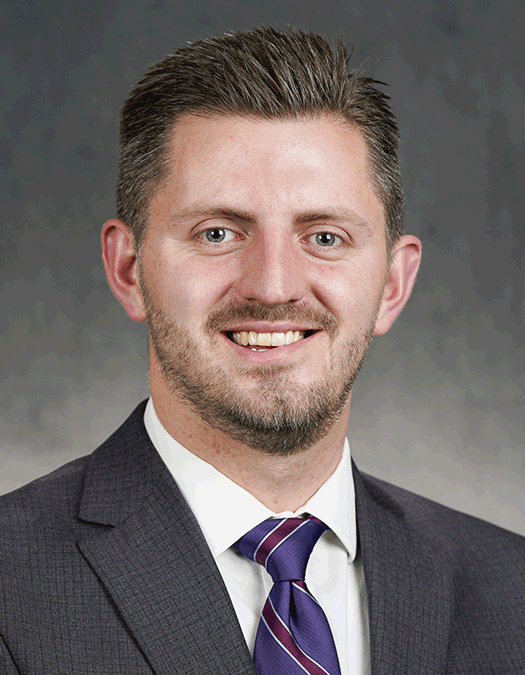
Aisha Gomez
100% support rate
Top opponent
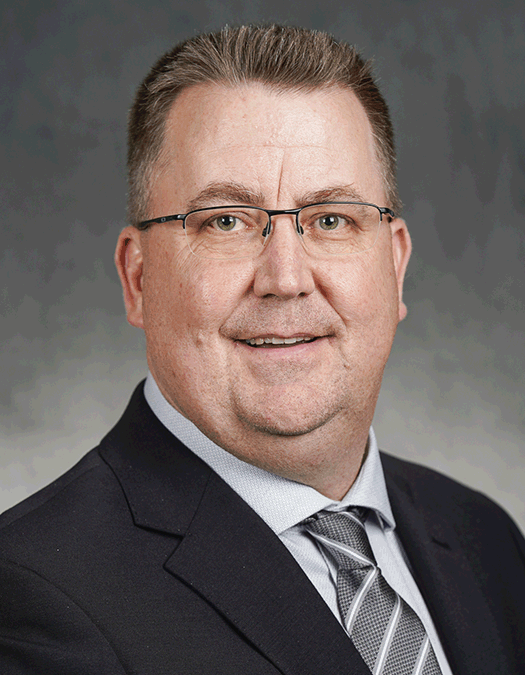
Bryan Lawrence
0% support rate
Ranked legislators
10
5 support · 5 oppose
Key legislators

Who's moving courts in Minnesota

Legislators moving courts in Minnesota
Legislator Party Stance Support rate Decisive votes
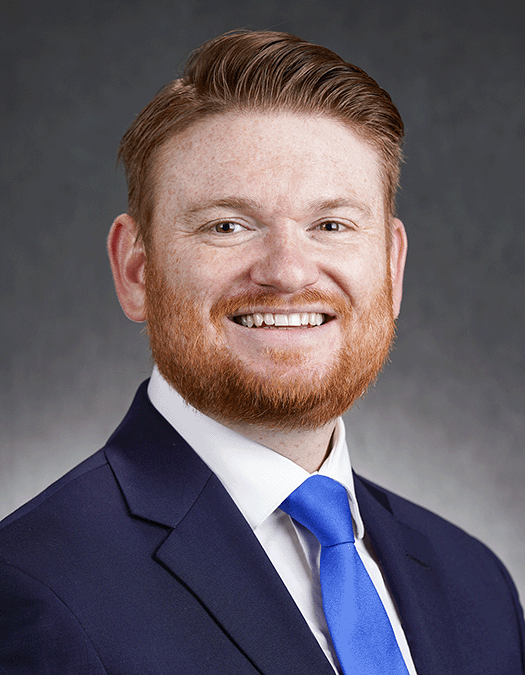
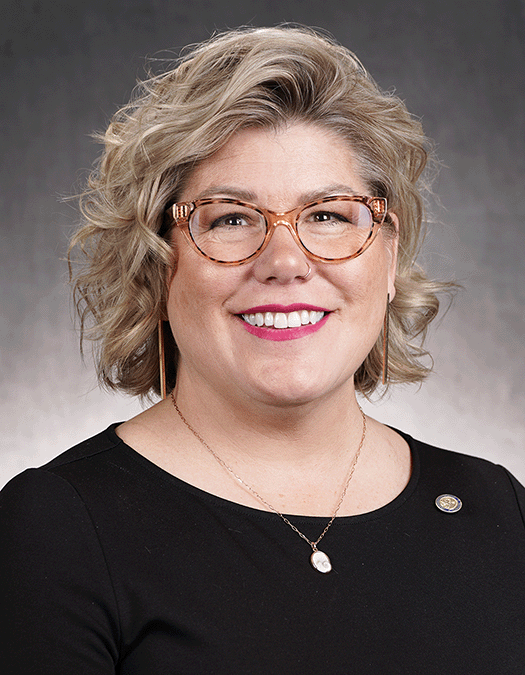
Aisha Gomez
Aisha Gomez House · District 62A
D
Strong +
100% 4
Alex Falconer
Alex Falconer House · District 49A
D
Strong +
100% 4
Andy Smith
Andy Smith House · District 25B
D
Strong +
100% 4
Anquam Mahamoud
Anquam Mahamoud House · District 62B
D
Strong +
100% 4
Athena Hollins
Athena Hollins House · District 66B
D
Strong +
100% 4
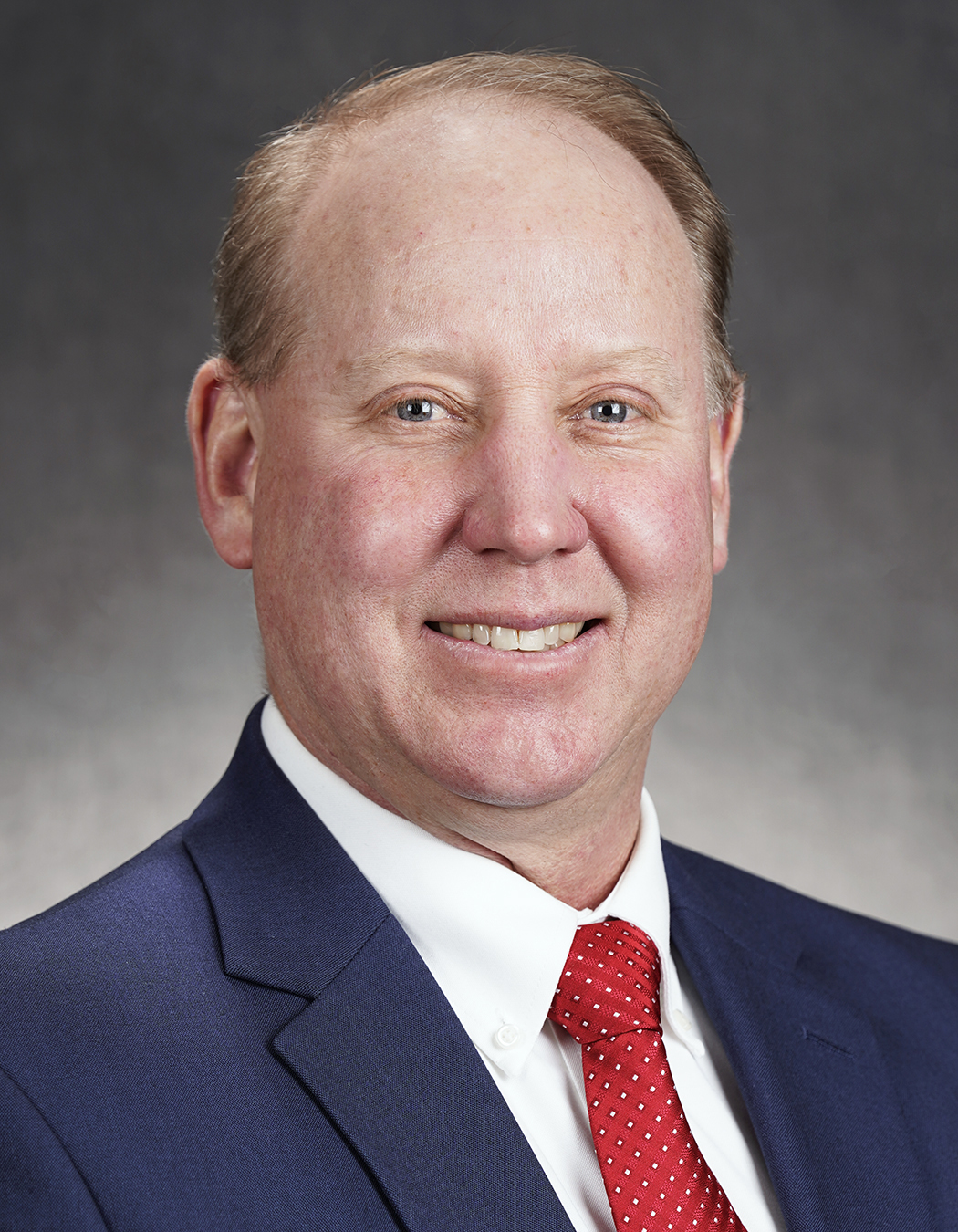
Bryan Lawrence
Bryan Lawrence House · District 27B
R
Strong −
0% 4
Dawn Gillman
Dawn Gillman House · District 17A
R
Strong −
0% 4
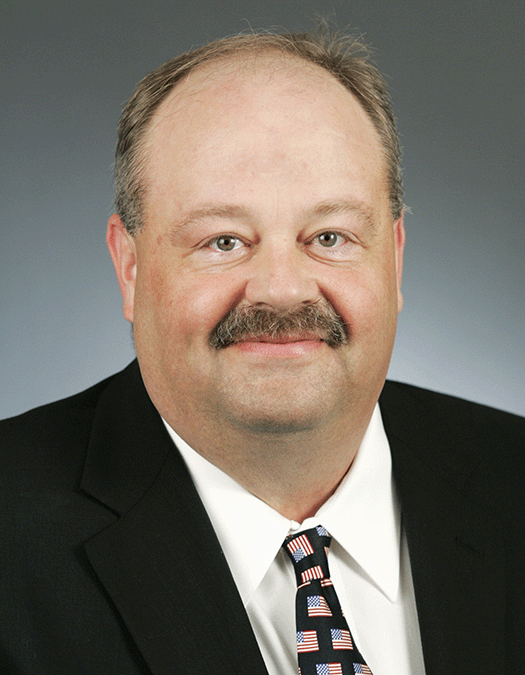
Greg Davids
Greg Davids House · District 26B
R
Strong −
0% 4
Isaac Schultz
Isaac Schultz House · District 10B
R
Strong −
0% 4
Jim Joy
Jim Joy House · District 4B
R
Strong −
0% 4
Showing 41–50 of 72 bills

All criminal justice bills

died · Minnesota · Senate Apr 22, 2026

SF 4371: Certain Bureau of Criminal Apprehension grants to local law enforcement as reimbursements clarification provision, recording of crimes law modifications, determination of how certain criminal records are ineligible for sealing process establishment, and orders of protection for access by law enforcement provided by the court requirement provision

This bill clarifies how local law enforcement agencies in Minnesota can receive reimbursements from the Bureau of Criminal Apprehension for specific criminal investigations, including drug crimes, stolen goods cases, gambling violations, juvenile prostitution, missing children investigations, and gang-related crimes. It also creates a new witness and victim protection fund that allows local officials to request reimbursement for services like relocation, housing, identity protection, and basic living expenses for individuals involved in criminal prosecutions who face threats. The legislation updates crime data collection requirements to align with federal standards and establishes rules for determining which criminal records cannot be sealed. Additionally, it mandates that courts provide law enforcement with access to protection orders and repeals an outdated statute regarding crime data collection.
died · Minnesota · Senate Apr 22, 2026

SF 3929: Chiefs of police and sheriffs authorization to open certain expunged records to determine eligibility to purchase, receive, or carry a firearm

This bill allows Minnesota chiefs of police and sheriffs to access certain expunged criminal records (from 2015 onward) to check if someone is eligible to buy, receive, or carry a firearm. It specifically permits this limited access without a court order for firearm background checks, while maintaining other expungement protections. The law requires law enforcement to securely handle these records if not used for denial, and to notify applicants if an expunged record leads to a firearm denial, providing the specific factual basis. It directly affects individuals with expunged records seeking firearms and law enforcement conducting background checks.
in committee · Minnesota · House Feb 19, 2026

HF 3503: Common law defenses of judicial and quasi-judicial immunity limited.

HF 3503 limits the common law defense of judicial and quasi-judicial immunity for state officials, such as judges and court personnel, when they violate specific rules while acting in bad faith or with actual malice. The bill defines "bad faith" as intentionally misleading or deceiving and "actual malice" as acting with ill will or improper intent to cause harm. It removes immunity protection if an official violates a mandatory rule (like a ministerial duty) or the Code of Judicial Conduct and acts with bad faith or actual malice, shifting the burden to the plaintiff to prove those elements by clear and convincing evidence. The law takes effect on August 1, 2026, for cases arising after that date.
Sub-Topics Courts
in committee · Minnesota · Senate Feb 26, 2026

SF 3920: Definition of active efforts in the Minnesota African American Family Preservation and Child Welfare Disproportionality Act modification

SF 3920 modifies Minnesota's child welfare laws to redefine "active efforts" as "reasonable efforts" specifically for African American children and children disproportionately represented in foster care. The bill requires social services agencies to collaboratively engage families, consider their cultural and economic needs, and develop safety plans - before seeking court-ordered removal - to keep children with their families and prevent unnecessary out-of-home placements. Key provisions include mandatory family group meetings, culturally appropriate service referrals, and safety plans addressing specific risks (like neglect), while exempting cases involving severe abuse or parental unavailability. This law directly affects African American families and child welfare agencies across Minnesota, aiming to reduce racial disparities in foster care through concrete procedural changes.
Sub-Topics Courts
in committee · Minnesota · House Feb 19, 2026

HF 3481: Prosecuting authorities required to seek protective order for certain evidence clearly offensive to common sensibilities, and classification of certain inactive criminal investigative data clarified.

HF 3481 requires prosecutors in criminal cases involving "crimes of violence" to seek court-ordered protective measures for specific sensitive evidence to prevent unnecessary public disclosure. It specifically mandates protective orders for 911 call recordings made by minors or their family members, and video footage showing minors (victims or family) captured by body cameras or police vehicle cameras. The bill clarifies that such evidence, if clearly offensive to common sensibilities, must remain private even if previously presented in court. This applies to cases commenced on or after August 1, 2026, and does not affect defendants' rights to access evidence under criminal procedure rules. The law directly affects minor victims, their families, and prosecutors handling violent crime cases in Minnesota.
in committee · Minnesota · House May 12, 2026

HF 3658: Processes for applying for, securing, and enforcing extreme risk protection orders modified.

HF 3658 modifies Minnesota's process for extreme risk protection orders (ERPOs), which are temporary court orders preventing individuals deemed a threat from accessing firearms. The bill expands who can file petitions - including law enforcement agencies, family/household members, and guardians - while clarifying definitions of "family or household members" and requiring specific evidence in petitions. Key changes include waiving court filing fees, mandating mental health professionals to report firearm-related suicide risks to law enforcement, and requiring courts to notify law enforcement and update background checks within 24 hours of issuing an order. These changes aim to streamline access to ERPOs for at-risk individuals and improve enforcement coordination.
passed · Minnesota · Senate May 4, 2026

SF 4067: Omnibus Firearms Bill

SF 4067 adds a specific provision requiring the Minnesota State Patrol to provide security and protection to the chief justice of the Supreme Court, explicitly authorizing patrol members to act as peace officers for this purpose. It also adjusts base funding levels for Minnesota's judicial branches starting in fiscal year 2028, increasing the Supreme Court's base to $51,636,000, the Court of Appeals to $15,871,000, and the District Courts to $402,918,000. These funding changes are technical adjustments to existing base amounts, not new programs. The bill directly affects the judicial branch's budget and the State Patrol's duties regarding chief justice security.
Sub-Topics Courts
died · Minnesota · Senate Apr 22, 2026

SF 3959: Safe at Home program protections, remedies, and provisions modification

SF 3959 amends Minnesota's Safe at Home program to strengthen protections for victims of domestic violence, sexual assault, or stalking. It directly affects eligible participants by requiring clearer application details (including court-ordered guardianship documentation for minors/incapacitated persons) and mandating that all entities accept the program's designated address as the participant's official address - without demanding their real location for services. Key provisions include adding "emancipated minor" to eligibility definitions, clarifying mail delivery rules, and establishing criminal penalties for violating address confidentiality. The bill ensures participants can safely access services like mail and voting without risking exposure to abusers.
signed · Minnesota · House Aug 1, 2026

HF 3676: Safe at Home program; protections, remedies, and various provisions provided and modified; and criminal penalties established.

HF 3676 strengthens Minnesota's Safe at Home program, which provides confidential addresses for victims of domestic violence, sexual assault, or stalking. The bill expands eligibility to include emancipated minors, requires court orders for guardianship applications, and clarifies that entities must use the program's confidential address exclusively for mail. It also establishes criminal penalties for knowingly disclosing a participant's real address or violating program confidentiality. This directly affects victims using the Safe at Home program by enhancing their safety protections and legal safeguards.
in committee · Minnesota · House Apr 7, 2026

HF 3477: Cause of action for violations of civil rights under color of law created, and state and local collaboration agreements with federal law enforcement agencies regulated.

HF 3477 creates a legal right for Minnesotans to sue state or local officials who violate their civil rights under the U.S. or Minnesota Constitution while acting in their official capacity. It allows victims to seek damages, injunctions, and attorney fees in court, with claims needing to be filed within six years. The bill also requires state and local law enforcement agencies to get written agreements from federal partners ensuring federal officers comply with both constitutions and can be held liable under this law during joint operations. These provisions apply to all cases filed on or after the law's effective date.
Sub-Topics Civil Rights Courts Law Enforcement Tags Civil Liberties
Showing 41 to 50 of 72 bills
Previous 1 … 4 5 6 … 8 Next