

Safe at Home program protections, remedies, and provisions modification
SF 3959 amends Minnesota's Safe at Home program to strengthen protections for victims of domestic violence, sexual assault, or stalking. It directly affects eligible participants by requiring clearer application details (including court-ordered guardianship documentation for minors/incapacitated persons) and mandating that all entities accept the program's designated address as the participant's official address - without demanding their real location for services. Key provisions include adding "emancipated minor" to eligibility definitions, clarifying mail delivery rules, and establishing criminal penalties for violating address confidentiality. The bill ensures participants can safely access services like mail and voting without risking exposure to abusers.
Bill status
died
1 of 4 stages cleared
Introduction
Feb 2026
Committee Review
Floor Vote
Governor
Introduced Feb 26, 2026
Last action Apr 22, 2026
Maddy AI version diff · 1 comparison
What changed between versions
Introduction
→
1st Engrossment
·
5 edits
·
Mar 23, 2026
MODERATE
This bill updates the Safe at Home program to strengthen protections for victims of domestic violence and stalking. Key changes include lowering the penalty for harming a Safe at Home participant from a felony to a gross misdemeanor, clarifying that businesses registered with the program are protected from discrimination, and mandating specific training on the Safe at Home program for law enforcement officers.
Scope change
The bill expands the scope of protection by explicitly including businesses registered by program participants under the nondiscrimination clause and clarifies that temporary Safe at Home cards cannot be used for identity verification purposes.
ENFORCEMENT
Reduced the criminal penalty for causing bodily harm to a Safe at Home participant from a felony to a gross misdemeanor.
DEFINITION
Added a definition clarifying that 'program participant' includes businesses registered by an individual participant using the designated Safe at Home address.
REQUIREMENT
Updated the nondiscrimination clause to include an affirmative defense for businesses acting in good faith or for legitimate business reasons.
Mandated that law enforcement training include at least one hour specifically on the Safe at Home program.
TECHNICAL
Clarified that Safe at Home cards marked as 'temporary' cannot be used for identity verification purposes.
Floor votes
How they voted
No floor votes recorded yet.
Full legislative history
Actions timeline
Total actions
9
Key actions
3
Committee
4
Apr 7, 2026
Upper · Passed
Comm report: To pass
upper
Mar 26, 2026
Upper · Passed
Comm report: To pass and re-referred to State and Local Government
upper
Mar 23, 2026
Upper · Passed
Comm report: To pass as amended and re-refer to Transportation
upper
Feb 26, 2026
Committee
Referred to Judiciary and Public Safety
upper
Feb 26, 2026
Introduced
Introduction and first reading
upper
1 primary · 2 co-sponsors
Sponsors
Role
Legislator
Party
State
District
P

Doron Clark
DDemocratic-Farmer-Labor
Co

Bobby Joe Champion
DDemocratic-Farmer-Labor
Co
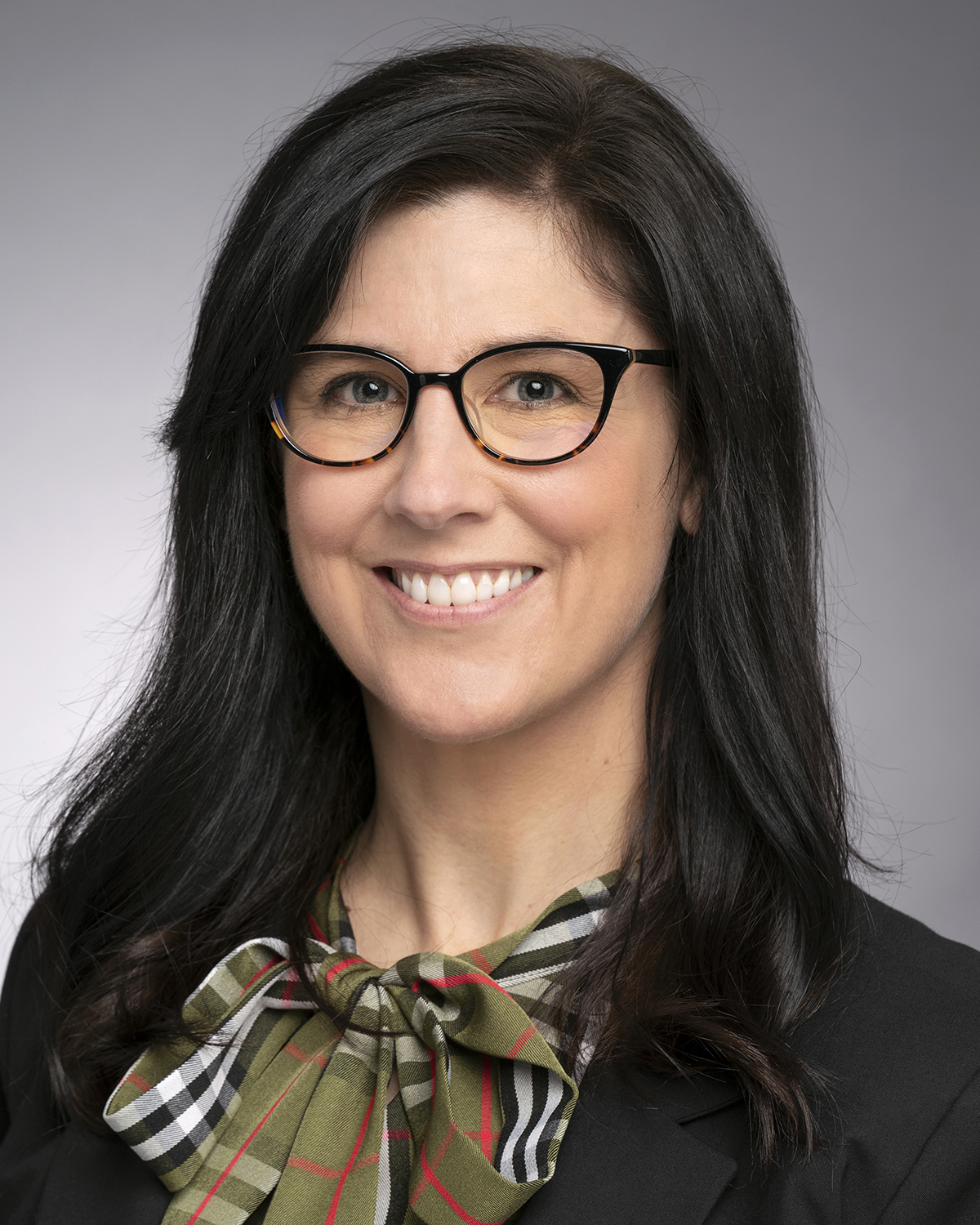
Heather Gustafson
DDemocratic-Farmer-Labor
Ask Maddy
·
AI policy assistant
Ask Maddy about SF 3959
Scope: MN
Hi! I can help you understand SF 3959. What would you like to know?
Try one of these
i
Maddy answers using official bill text and legislative records. Always verify before sharing.
Sources cited inline