Issue · Labor & Employment

Labor & Employment

Every labor & employment bill, vote, and legislator stance in Michigan, automatically classified by Maddy, our AI policy reader.

Total bills
241
2025-2026 Regular Session
Top supporter
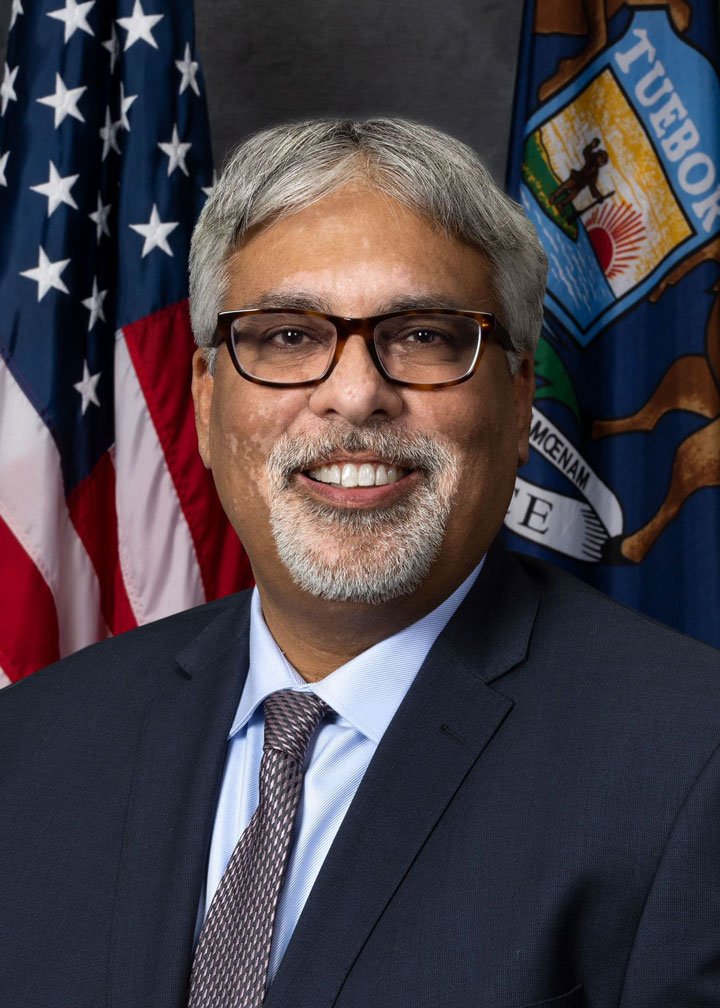
Sam Singh
93% support rate
Top opponent
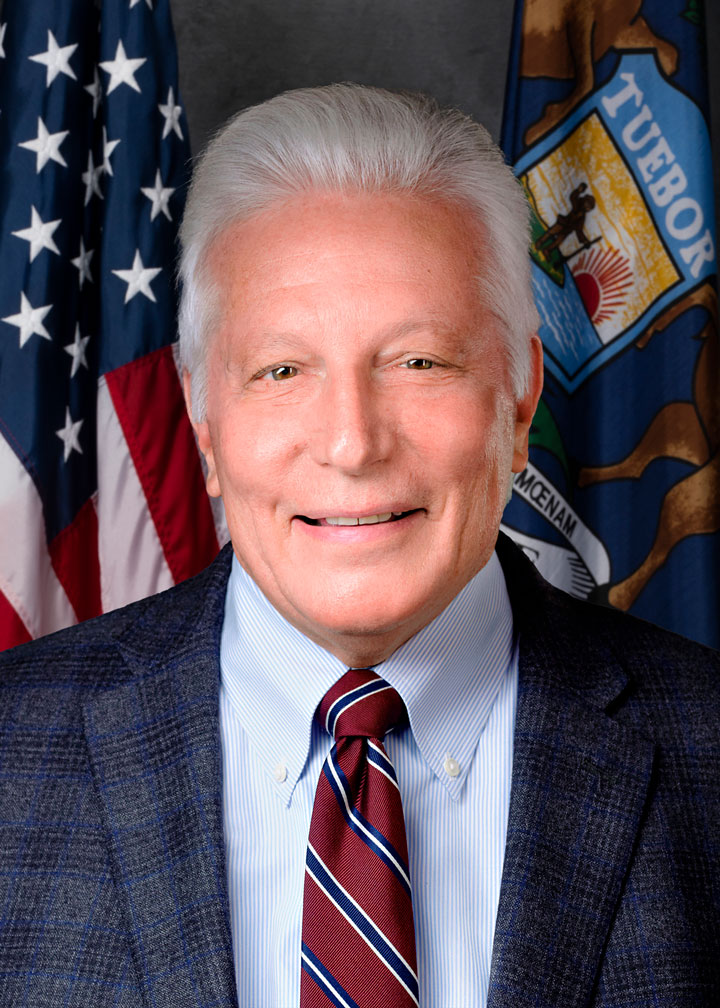
Thomas Albert
13% support rate
Ranked legislators
10
5 support · 5 oppose
Key legislators

Who's moving labor & employment in Michigan

Legislators moving labor & employment in Michigan
Legislator Party Stance Support rate Votes
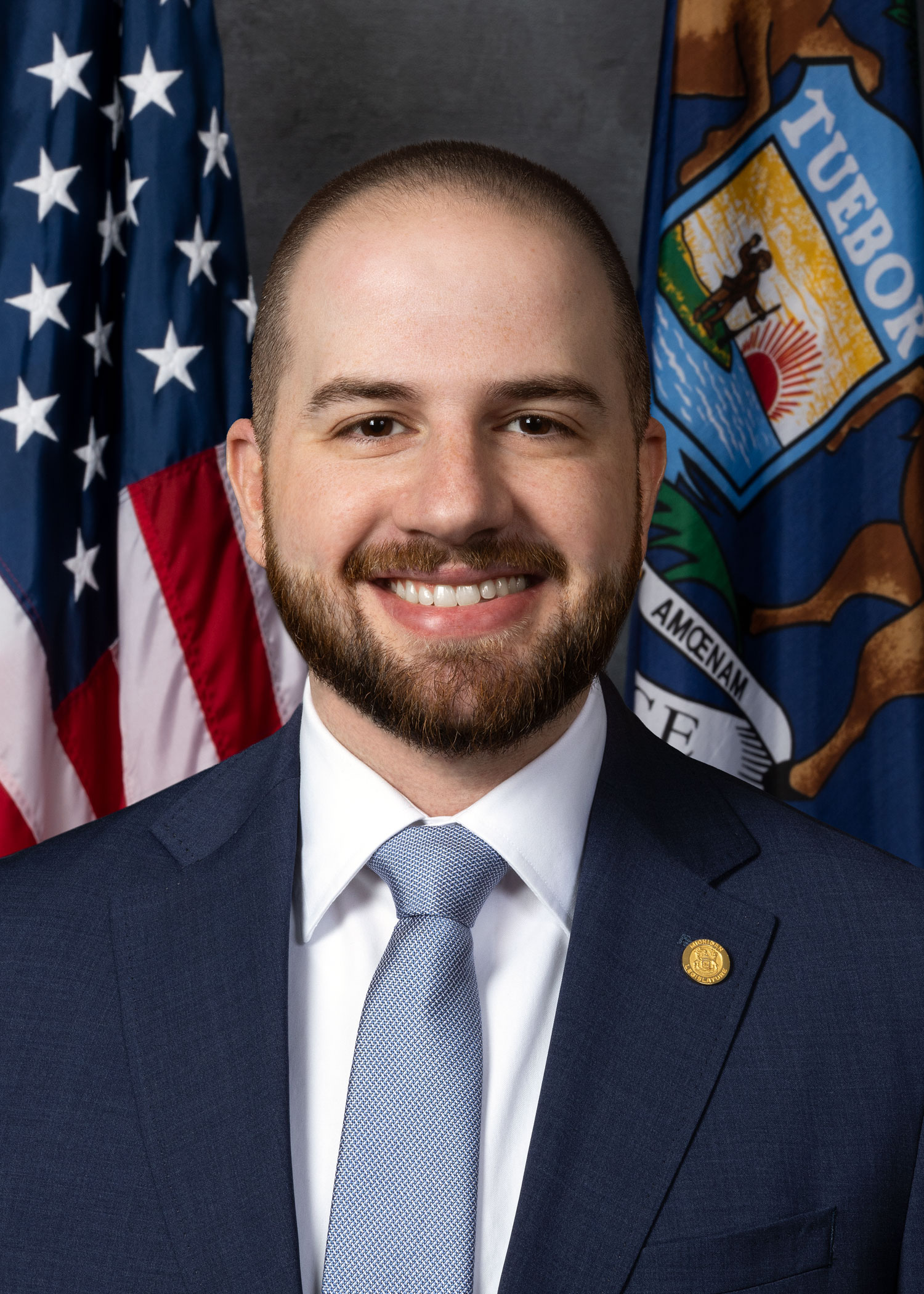
Sam Singh
Sam Singh Senate · District 28
D
Strong +
93% 45
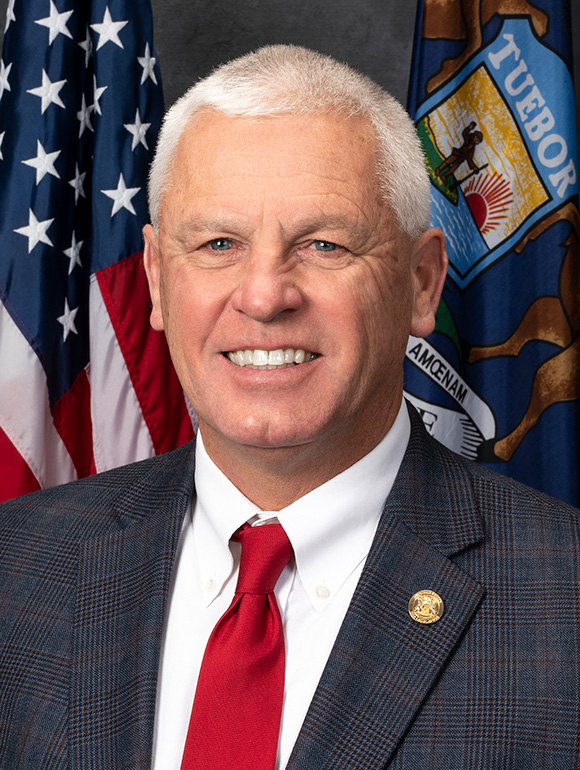
Paul Wojno
Paul Wojno Senate · District 10
D
Strong +
93% 45
Kevin Hertel
Kevin Hertel Senate · District 12
D
Strong +
93% 46
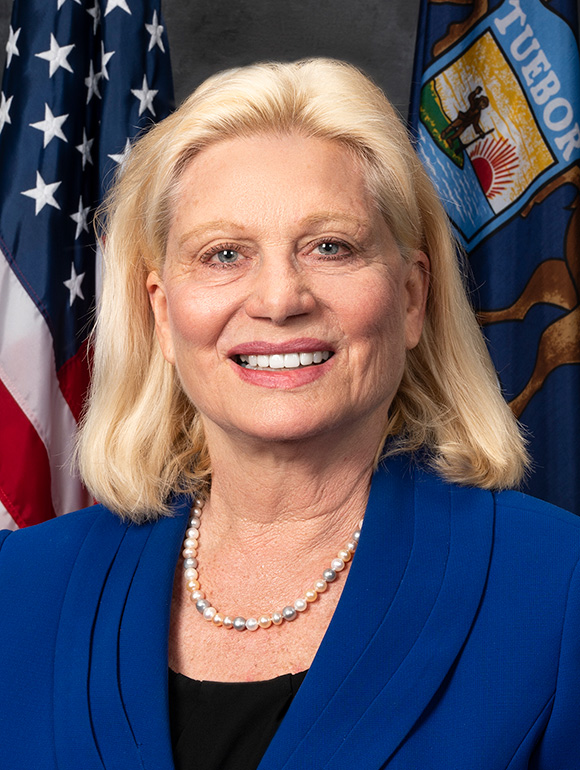
Winnie Brinks
Winnie Brinks Senate · District 29
D
Strong +
93% 45
Jeremy Moss
Jeremy Moss Senate · District 7
D
Strong +
93% 45
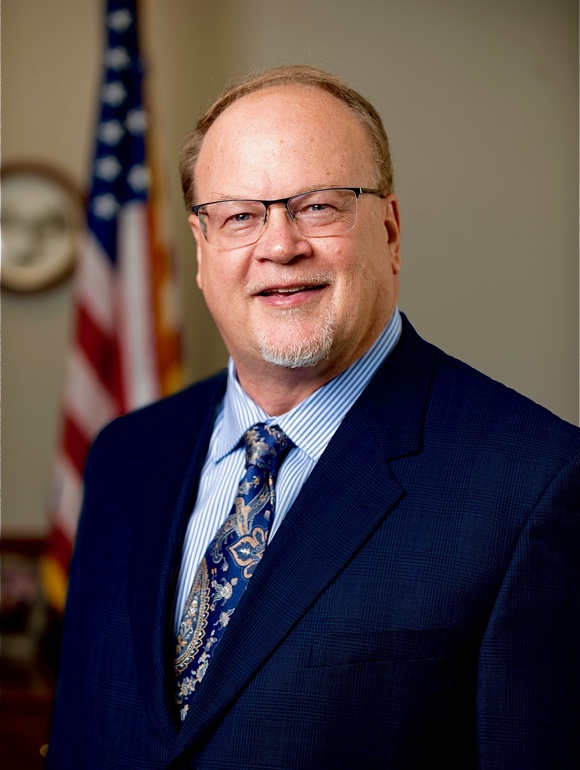
Thomas Albert
Thomas Albert Senate · District 18
R
Strong −
13% 45
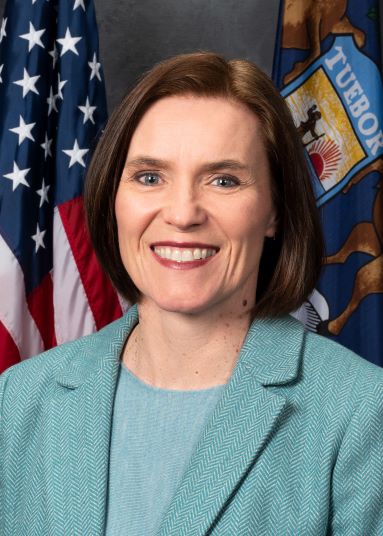
Michele Hoitenga
Michele Hoitenga Senate · District 36
R
Strong −
13% 45
Jim Runestad
Jim Runestad Senate · District 23
R
Strong −
14% 39
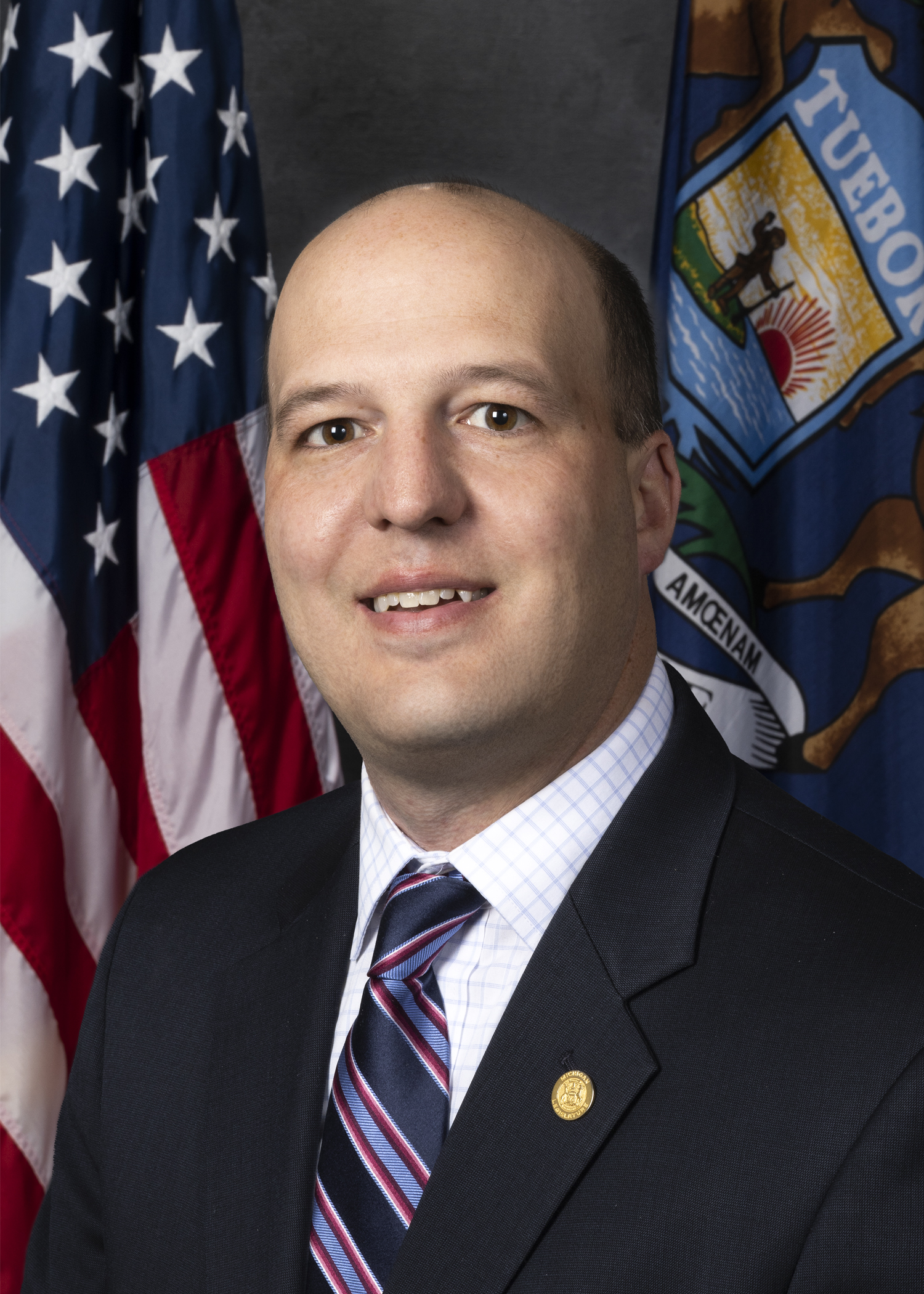
Jon Bumstead
Jon Bumstead Senate · District 32
R
Strong −
14% 42
Ruth Johnson
Ruth Johnson Senate · District 24
R
Strong −
17% 36
Showing 71–80 of 241 bills

All labor & employment bills

in committee · Michigan · House Feb 10, 2026

HB 5508: Civil rights: sex discrimination and harassment; confidentiality provisions in settlement agreements; prohibit. Amends 1976 PA 453 (MCL 37.2101 - 37.2804) by adding sec. 706.

HB 5508 prohibits settlement agreements in sex discrimination, harassment, or assault claims against employers from blocking disclosure of factual details about the claim. It applies to complaints filed with the Michigan Department of Civil Rights or civil lawsuits under Michigan's Elliott-Larsen Civil Rights Act. The bill allows settlements to keep the claimant's identity confidential and hide settlement amounts, but not the facts of the alleged discrimination. Violating this rule makes the confidentiality clause void under Michigan law.
in committee · Michigan · House Jan 22, 2026

HB 5460: State management: purchasing; state procurement of electric motor vehicles made with forced labor; prohibit. Amends secs. 213 & 215 of 1984 PA 431 (MCL 18.1213 & 18.1215).

HB 5460 prohibits Michigan state agencies from purchasing electric motor vehicles or components unless manufacturers provide a sworn declaration confirming no forced labor or oppressive child labor was used in their production, mining, or sourcing. This applies directly to all state agencies acquiring such vehicles, requiring verification of supply chain labor practices before contracts are signed. The bill defines "forced labor" broadly to include coercion, threats, abuse of legal processes, and child labor exploitation. It amends existing procurement laws to enforce this requirement, with no exceptions for state agencies under the transportation department's jurisdiction.
Sub-Topics Child Labor
in committee · Michigan · House Dec 11, 2025

HR 226: A resolution to urge the United States Department of Education to reject the recommended definition of “professional degree” and instead adopt a more accurate and consistent definition.

This resolution urges the U.S. Department of Education to reject a proposed definition of "professional degree" that would exclude many health care education programs from federal student loan eligibility. It specifically targets programs like physical therapy, occupational therapy, nursing, social work, and physician assistant studies - classified under CIP Code 51 - which would lose access to loans under the current proposal. The bill requests the Department instead adopt a definition based on required practice credentials, not program length or historical classification, to maintain consistent eligibility. This change aims to prevent worsening health care workforce shortages, particularly in rural and underserved communities.
in committee · Michigan · House Dec 18, 2025

HB 5392: Employment security: administration; recovery of improperly paid benefits; allow claimant to provide evidence of waiver eligibility. Amends sec. 62 of 1936 (Ex Sess) PA 1 (MCL 421.62).

HB 5392 updates Michigan's unemployment benefits recovery process by expanding eligibility for claimants to request waivers of repayment for improperly paid benefits. It allows claimants 60 days after receiving an overpayment notice to submit evidence showing repayment would be "contrary to equity and good conscience," such as administrative errors by the agency, employer-provided incorrect wage data, or household income below 150% of the federal poverty level. The bill clarifies that waivers apply retroactively from the date of the error or application, and requires refunds for payments made after the waiver request. This directly affects individuals who received unemployment benefits they later had to repay due to agency or employer errors.
in committee · Michigan · House Dec 9, 2025

HB 5335: Retirement: other; MI secure retirement program board; establish. Creates new act. TIE BAR WITH: HB 5336'25

HB 5335 creates the Secure Retirement Savings Board within Michigan's Department of Treasury to administer the state's Secure Retirement Program. The board, consisting of 7 members including the state treasurer (as chair), two public retirement experts, an employer representative, and an enrollee representative appointed by the governor, will oversee program operations. It establishes membership terms, appointment procedures, and requires senate confirmation for governor's appointments. This bill directly affects Michigan residents participating in the state's retirement savings program by defining the governing body responsible for its management.
Sub-Topics Retirement Benefits
in committee · Michigan · House Dec 23, 2025

HB 5421: Employment security: benefits; disqualification from receiving benefits when leaving employment; create exception for victim of stalking. Amends secs. 29 & 29a of 1936 (Ex Sess) PA 1 (MCL 421.29 & 421.29a).

HB 5421 amends Michigan's unemployment benefits law to create a new exception allowing victims of stalking to qualify for benefits if they leave employment due to stalking. Currently, an exception exists for domestic violence victims under Section 29(a)(iv), but this bill replaces "domestic violence" with "stalking" in that provision. The change means individuals who leave jobs to escape stalking would no longer be disqualified from benefits, directly affecting stalking victims who might otherwise lose unemployment eligibility. This policy update modifies the disqualification rule without altering other existing provisions.
in committee · Michigan · House Dec 17, 2025

HB 5374: Labor: hours and wages; prevailing wage; require on certain broadband service projects. Amends sec. 1 of 2023 PA 10 (MCL 408.1101).

HB 5374 requires that workers on specific broadband service projects in Michigan be paid prevailing wages and fringe benefits, as defined by state labor law. This applies to broadband developers constructing, maintaining, or expanding infrastructure (like fiber optic lines) for new projects funded by state or local governments, but excludes projects receiving federal funding under the Infrastructure Investment and Jobs Act or the Coronavirus Capital Projects Fund. The bill amends Michigan’s existing prevailing wage law to explicitly include broadband service projects under the same wage standards as other state-funded construction work. It defines key terms like "broadband service project" and clarifies which federal programs are exempt from these requirements.
in committee · Michigan · House Dec 23, 2025

HB 5423: Labor: discrimination; employees who are victims of certain crimes; prohibit employers from discriminating against because of. Creates new act.

HB 5423 prohibits Michigan employers from taking adverse actions (like firing, refusing to hire, or harassing) against employees who are victims of violent crimes or involved in related legal proceedings. It directly protects employees and their family members who experience violent crimes, ensuring employers cannot retaliate for attending court, requesting workplace adjustments (such as schedule changes or safety modifications), or seeking help. Employers must post notices about these protections and provide them to all employees in their primary language. Employees can file lawsuits within three years to seek remedies like reinstatement, back pay, or damages if their rights are violated.
in committee · Michigan · House Dec 18, 2025

HB 5393: Employment security: benefits; recovery waiver of an improperly paid benefit; require after a certain amount of time elapses. Amends sec. 62 of 1936 (Ex Sess) PA 1 (MCL 421.62).

HB 5393 amends Michigan's unemployment benefits law to change how overpaid benefits are recovered. It requires the unemployment agency to issue a repayment demand within 3 years of a final determination about overpayment, and prohibits recovery actions after that deadline (except for suspected identity fraud). The bill creates specific waiver conditions where repayment may be forgiven, including cases of agency errors, low household income (below 150% of federal poverty guidelines), or unintentional wage reporting mistakes by employers. This directly affects unemployed Michiganders who received incorrect benefits, ensuring they aren't required to repay overpayments after the 3-year window unless fraud is involved.
Sub-Topics Unemployment
in committee · Michigan · House Dec 23, 2025

HB 5422: Labor: leave; permissible use for earned sick time; modify. Amends title & secs. 2 & 4 of 2018 PA 338 (MCL 408.962 & 408.964).

HB 5422 amends Michigan's Earned Sick Time Act (2018 PA 338) to clarify and expand permissible uses of accrued sick time for workers. It specifically updates Section 4(1) to allow sick time for medical care related to domestic violence, sexual assault, or violent crime; school meetings about a child's health or disability; and public health emergencies. The bill also refines notice requirements for employers, permitting advance notice up to 7 days for foreseeable absences. This amendment directly affects Michigan workers covered under the existing sick time law, ensuring clearer access to time off for health, family, and safety needs.
Showing 71 to 80 of 241 bills
Previous 1 7 8 9 25 Next