Issue · Labor & Employment

Labor & Employment (Labor Standards)

Every labor & employment bill, vote, and legislator stance in Michigan, automatically classified by Maddy, our AI policy reader.

Total bills
59
2025-2026 Regular Session
Top supporter
Dayna Polehanki
100% support rate
Top opponent
Emily Dievendorf
14% support rate
Ranked legislators
10
5 support · 5 oppose
Key legislators

Who's moving labor standards in Michigan

Legislators moving labor standards in Michigan
Legislator Party Stance Support rate Votes
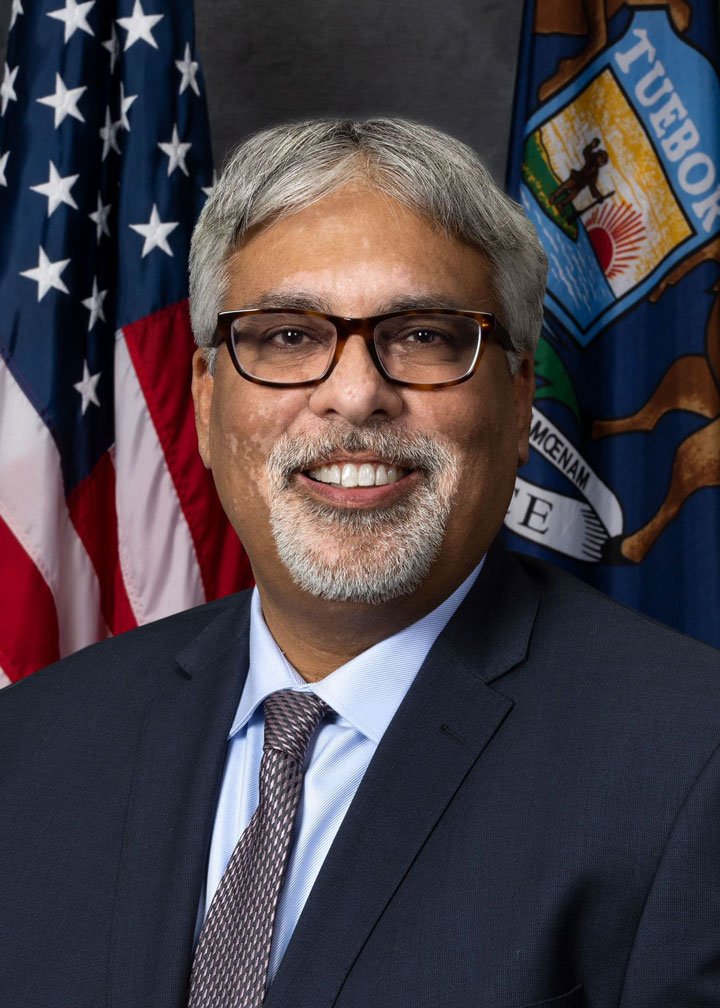
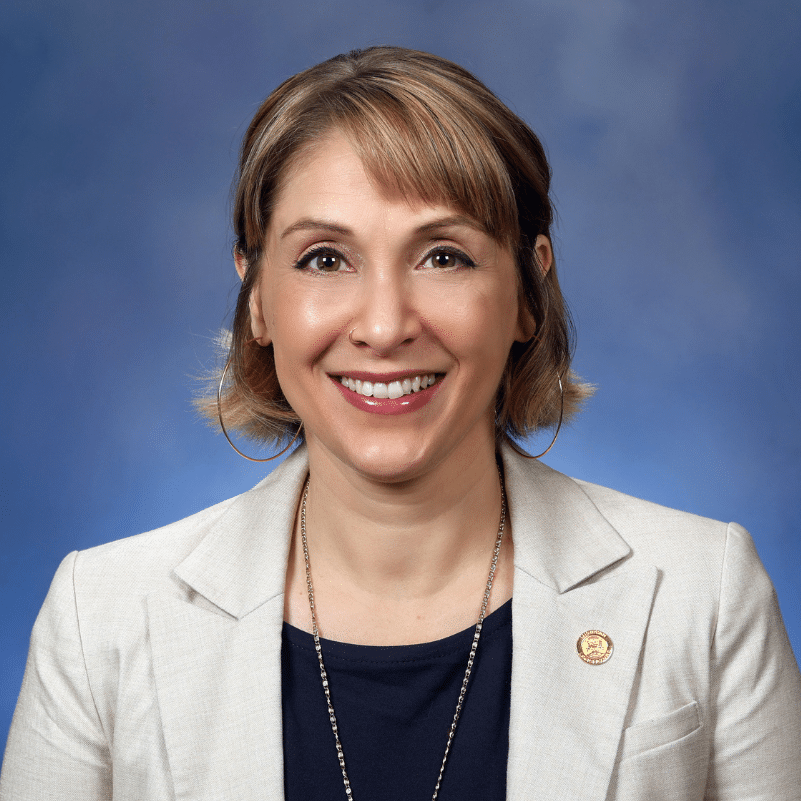
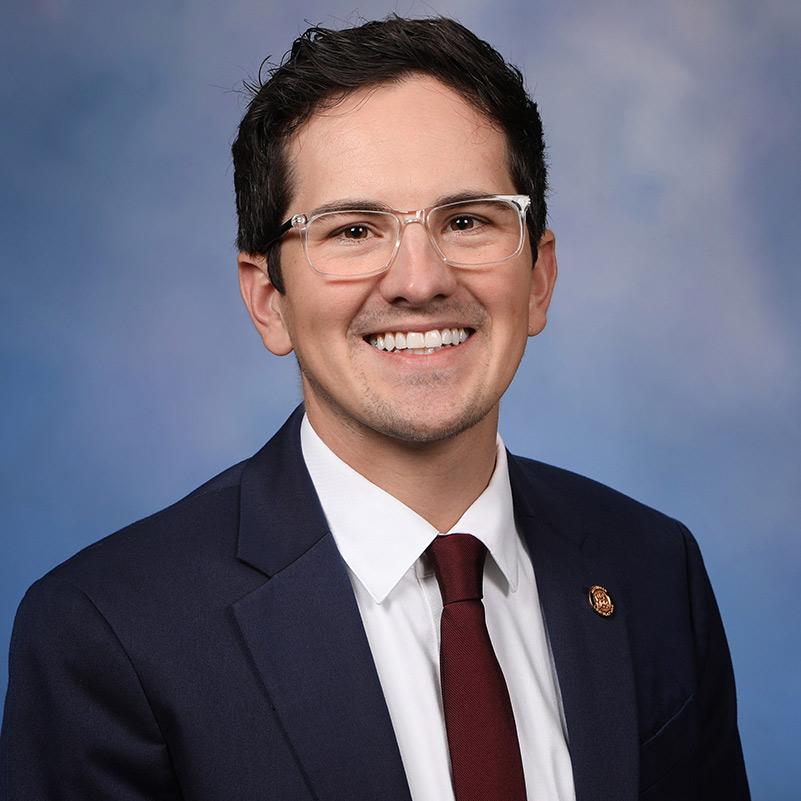
Dayna Polehanki
Dayna Polehanki Senate · District 5
D
Strong +
100% 5
Jeremy Moss
Jeremy Moss Senate · District 7
D
Strong +
100% 5
Kevin Hertel
Kevin Hertel Senate · District 12
D
Strong +
100% 5
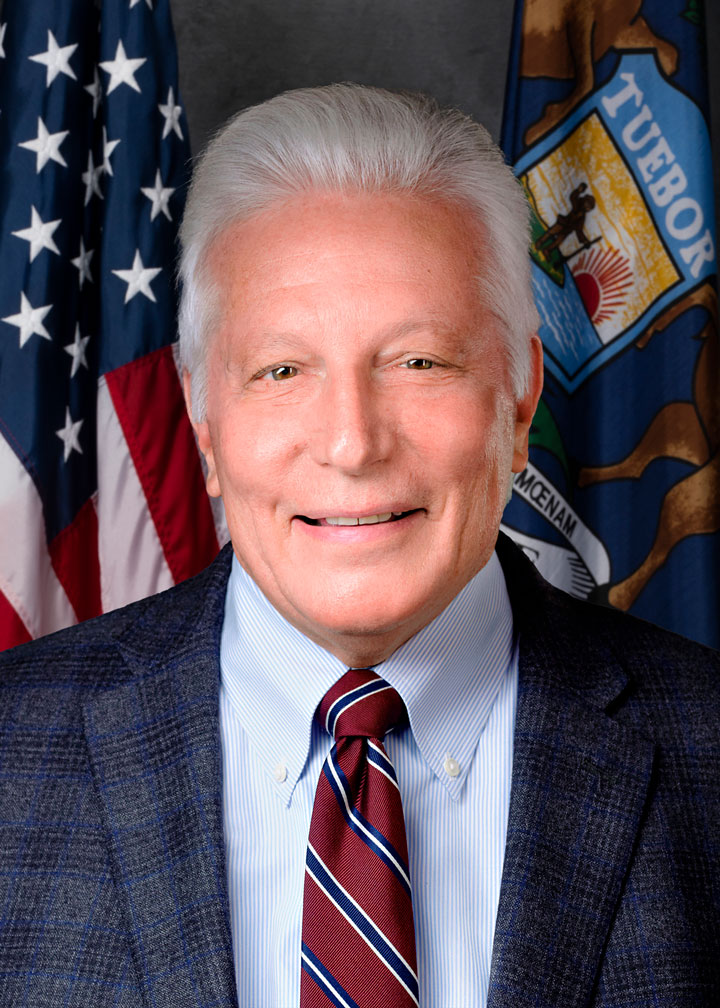
Paul Wojno
Paul Wojno Senate · District 10
D
Strong +
100% 5
Sam Singh
Sam Singh Senate · District 28
D
Strong +
100% 5
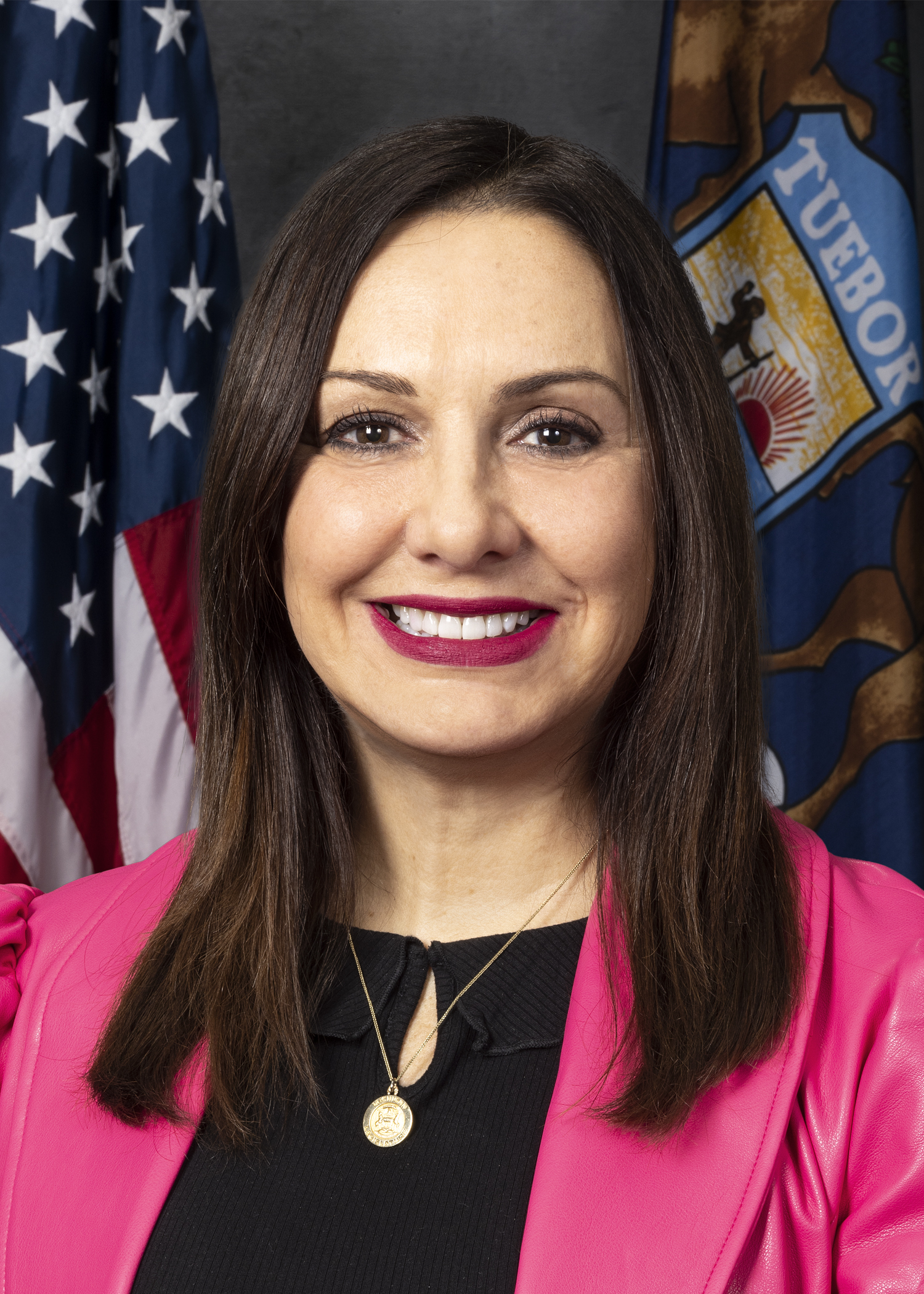
Emily Dievendorf
Emily Dievendorf House · District 77
D
Strong −
14% 7
Erin Byrnes
Erin Byrnes House · District 15
D
Strong −
14% 7
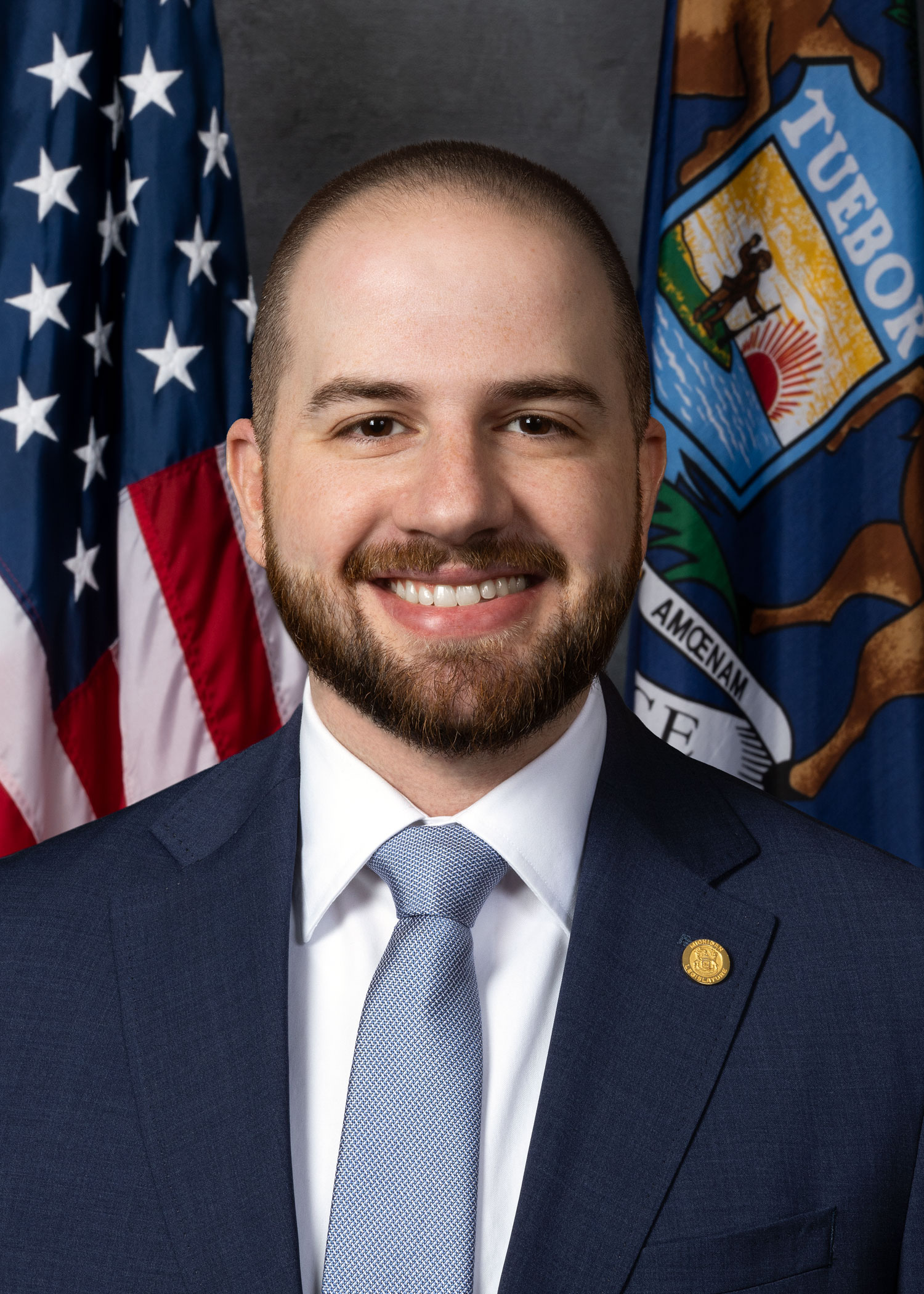
Jason Morgan
Jason Morgan House · District 23
D
Strong −
14% 7
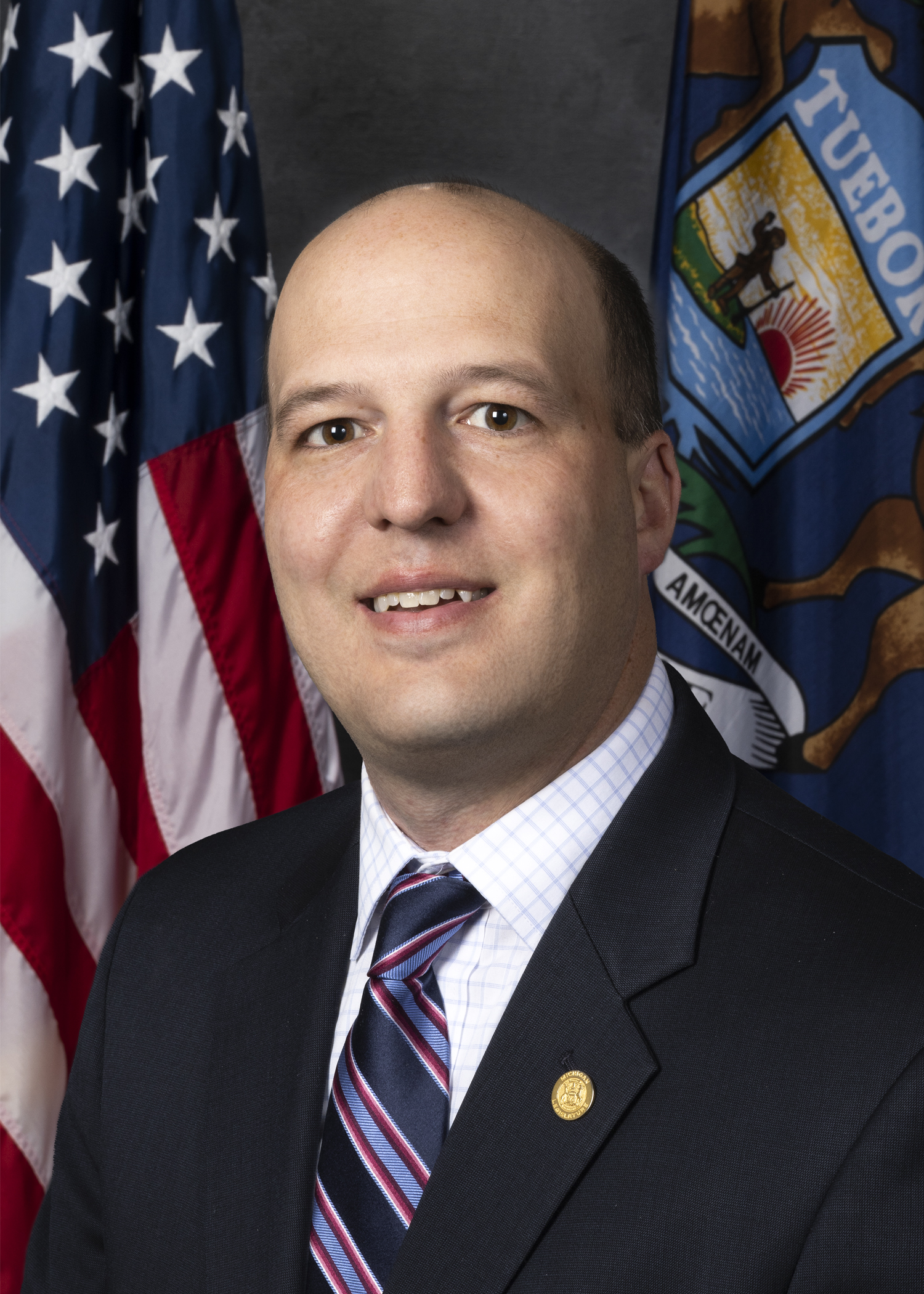
Joe Tate
Joe Tate House · District 9
D
Strong −
14% 7
Julie Brixie
Julie Brixie House · District 73
D
Strong −
14% 7
Showing 31–40 of 59 bills

All labor & employment bills

in committee · Michigan · House Mar 26, 2025

HB 4297: Labor: fair employment practices; wage information of similarly situated employees; require an employer to disclose to an employee under certain circumstances. Amends sec. 13a of 1978 PA 390 (MCL 408.483a).

HB 4297 requires Michigan employers to disclose wage information for "similarly situated employees" upon an employee's request. Specifically, employers must provide details on salary, bonuses, overtime, and other compensation within 30 days, while redacting individual names but including sex and seniority data for comparable roles. The bill prohibits employers from retaliating against employees who ask for this information or from requiring non-disclosure of wages as a condition of employment. It directly affects all Michigan employers and their employees by increasing wage transparency for jobs with comparable duties, skills, and responsibilities.
in committee · Michigan · House Mar 26, 2025

HB 4295: Labor: fair employment practices; requirements to obtain a fair paycheck workplace certificate; provide for. Creates new act.

HB 4295 creates a "Fair Paycheck Workplace Certificate" program for Michigan employers. To obtain the certificate, employers must submit payroll data showing less than a 5% average pay gap between employees with different protected characteristics (like race, gender, or age) and pay the required fee. Employers without a valid certificate cannot claim to have one, facing up to $1,000 civil fines for false claims. The state will maintain a public database of certified employers, and all employee data submitted for certification is exempt from public disclosure.
in committee · Michigan · House Mar 26, 2025

HB 4292: Labor: discrimination; anonymous reporting of wage discrimination; allow. Amends sec. 602 of 1976 PA 453 (MCL 37.2602).

HB 4292 amends Michigan's Elliott-Larsen Civil Rights Act to improve reporting of wage discrimination. It requires the Michigan Civil Rights Commission to establish a dedicated phone line and a public website with an anonymous electronic reporting form for workers to report wage discrimination without revealing their identity. These mechanisms must prominently display the phone number and website link, ensuring anonymity for individuals who report violations or assist in investigations. The bill directly affects workers experiencing wage discrimination by providing safer, confidential reporting options.
in committee · Michigan · House Mar 26, 2025

HB 4290: Labor: fair employment practices; certain information about a job applicant's compensation history and credit history; prohibit an employer from seeking or asking about. Amends sec. 13a of 1978 PA 390 (MCL 408.483a).

HB 4290 prohibits Michigan employers from asking job applicants about their past pay, credit scores, or credit history during the hiring process. It also prevents employers from requiring employees to sign agreements that stop them from discussing their wages or punishing employees for disclosing their pay. The law applies to most employers, with limited exceptions for legal or bonding requirements that legally mandate such information. This aims to reduce pay disparities by stopping employers from basing new salaries on past compensation.
in committee · Michigan · House Mar 26, 2025

HB 4291: Labor: discrimination; certain protected attributes and characteristics of an employee; prohibit an employer from basing the employee's wage rate on. Amends 1978 PA 390 (MCL 408.471 - 408.490) by adding sec. 13b & repeals sec. 13 of 2018 PA 337 (MCL 408.943).

HB 4291 prohibits Michigan employers from paying employees different wages for equal work based on protected attributes like race, gender identity, religion, or age. It amends the state's wage law to require equal pay for jobs requiring equal skill, effort, and responsibility under similar conditions, while allowing exceptions for seniority, merit, or productivity-based systems. The bill explicitly defines "protected attributes" using the Elliott-Larsen Civil Rights Act and repeals a prior section (2018 PA 337, Sec. 13) that previously allowed certain pay differentials. It directly affects all Michigan employers and employees by mandating pay equity for comparable work. The law would take effect if passed, aligning Michigan's wage standards with broader civil rights protections.
in committee · Michigan · House Apr 17, 2025

HB 4318: Labor: fair employment practices; penalty for wage and fringe benefit payment violations with the intent to defraud; increase. Amends sec. 15 of 1978 PA 390 (MCL 408.485).

House Bill 4318 increases the penalties for employers who intentionally fail to pay wages and fringe benefits owed to their employees. It establishes a tiered system where the severity of the punishment depends on the total value of the unpaid wages and benefits. For smaller amounts, employers could face misdemeanor charges with fines and imprisonment. However, for larger unpaid amounts or repeat offenses, employers could face felony charges, with significantly higher fines up to three times the unpaid amount and potential imprisonment for up to 20 years. This bill directly affects employers and their employees and will take effect 90 days after enactment.
Sub-Topics Labor Standards
in committee · Michigan · House Apr 17, 2025

HB 4320: Labor: hours and wages; employee who files a claim alleging that an employer violated 2018 PA 337; prohibit the commissioner from disclosing the employee's name to the employer under certain circumstances. Amends sec. 9 of 2018 PA 337 (MCL 408.939).

HB 4320 amends Michigan's Improved Workforce Opportunity Wage Act, which addresses employee hours and wages. The bill primarily affects employees who file claims alleging wage violations and the state agency responsible for investigating these claims. It adds a new provision stating that if an employee requests it, the state director (or their designee) investigating a wage claim must not disclose the employee's identity to the employer, to the extent allowed by law. This aims to protect the anonymity of employees reporting potential wage violations.
in committee · Michigan · House Apr 17, 2025

HB 4321: Labor: hours and wages; identity of employee who files a complaint under 1978 PA 390; prohibit department from disclosing to employer if requested by employee. Amends sec. 11 of 1978 PA 390 (MCL 408.481).

House Bill 4321 proposes an amendment to the existing law governing the payment of wages and fringe benefits to employees. This bill introduces a new provision that allows employees to request that their identity be withheld from their employer when filing a complaint about alleged wage or benefit violations. If such a request is made, the Department of Labor is prohibited from disclosing the employee's identity to the employer, to the extent allowed by law. This change directly affects employees who file complaints by offering them potential anonymity, and employers who will receive complaints without knowing the specific employee's identity if requested.
in committee · Michigan · House Apr 17, 2025

HB 4323: Labor: fair employment practices; whistleblowers' protection act; modify definition of employee and protected activities. Amends title & secs. 1, 2, 3 & 5 of 1980 PA 469 (MCL 15.361 et seq.) & adds sec. 4a.

HB 4323 proposes amendments to Michigan's Whistleblowers' Protection Act, aiming to expand protections for individuals reporting violations of state, local, or federal law. The bill broadens the definition of "employee" to include independent contractors and certain prospective employees, and adds refusing to participate in a violation as a protected activity. It extends the time limit for filing a civil action to two years and increases the civil fine for employers who violate the act from $500 to $10,000. Additionally, the bill introduces a mechanism to award the first reporting employee 30% of any money the state recovers as a result of their report.
Sub-Topics Labor Standards
in committee · Michigan · House Apr 17, 2025

HB 4326: Labor: fair employment practices; whistleblower protection; modify to include employees reporting to the state employee ombudsman or the press. Amends secs. 1, 2 & 3 of 1980 PA 469 (MCL 15.361 et seq.). TIE BAR WITH: HB 4316'25

House Bill 4326 amends Michigan's Whistleblowers' Protection Act to expand the types of disclosures protected from employer retaliation. It prohibits employers from discharging or discriminating against employees who report a violation or suspected violation of law to "the press" or "the state employee ombudsman." The bill also protects employees who are asked to participate in investigations by a public body or the state employee ombudsman. It clarifies that "employee" includes state employees (excluding the state classified civil service) and outlines civil action procedures for alleged violations.
Showing 31 to 40 of 59 bills
Previous 1 3 4 5 6 Next