Issue · Labor & Employment

Labor & Employment (Labor Standards)

Every labor & employment bill, vote, and legislator stance in Michigan, automatically classified by Maddy, our AI policy reader.

Total bills
67
2025-2026 Regular Session
Top supporter
Dayna Polehanki
100% support rate
Top opponent
Emily Dievendorf
14% support rate
Ranked legislators
10
5 support · 5 oppose
Key legislators

Who's moving labor standards in Michigan

Legislators moving labor standards in Michigan
Legislator Party Stance Support rate Votes
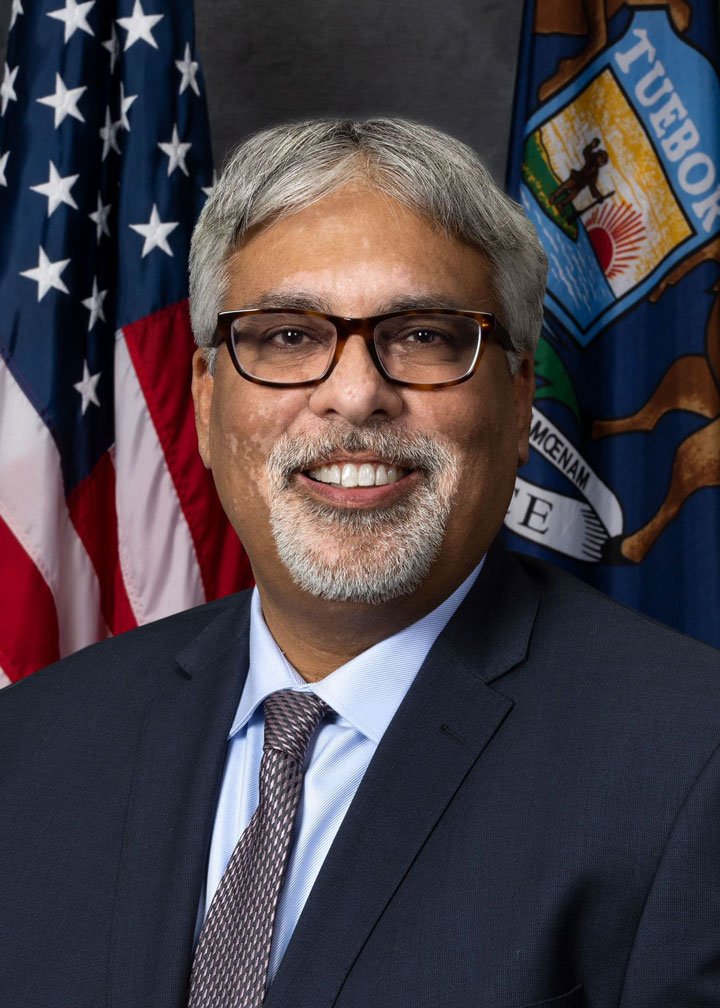
Dayna Polehanki
Dayna Polehanki Senate · District 5
D
Strong +
100% 5
Jeremy Moss
Jeremy Moss Senate · District 7
D
Strong +
100% 5
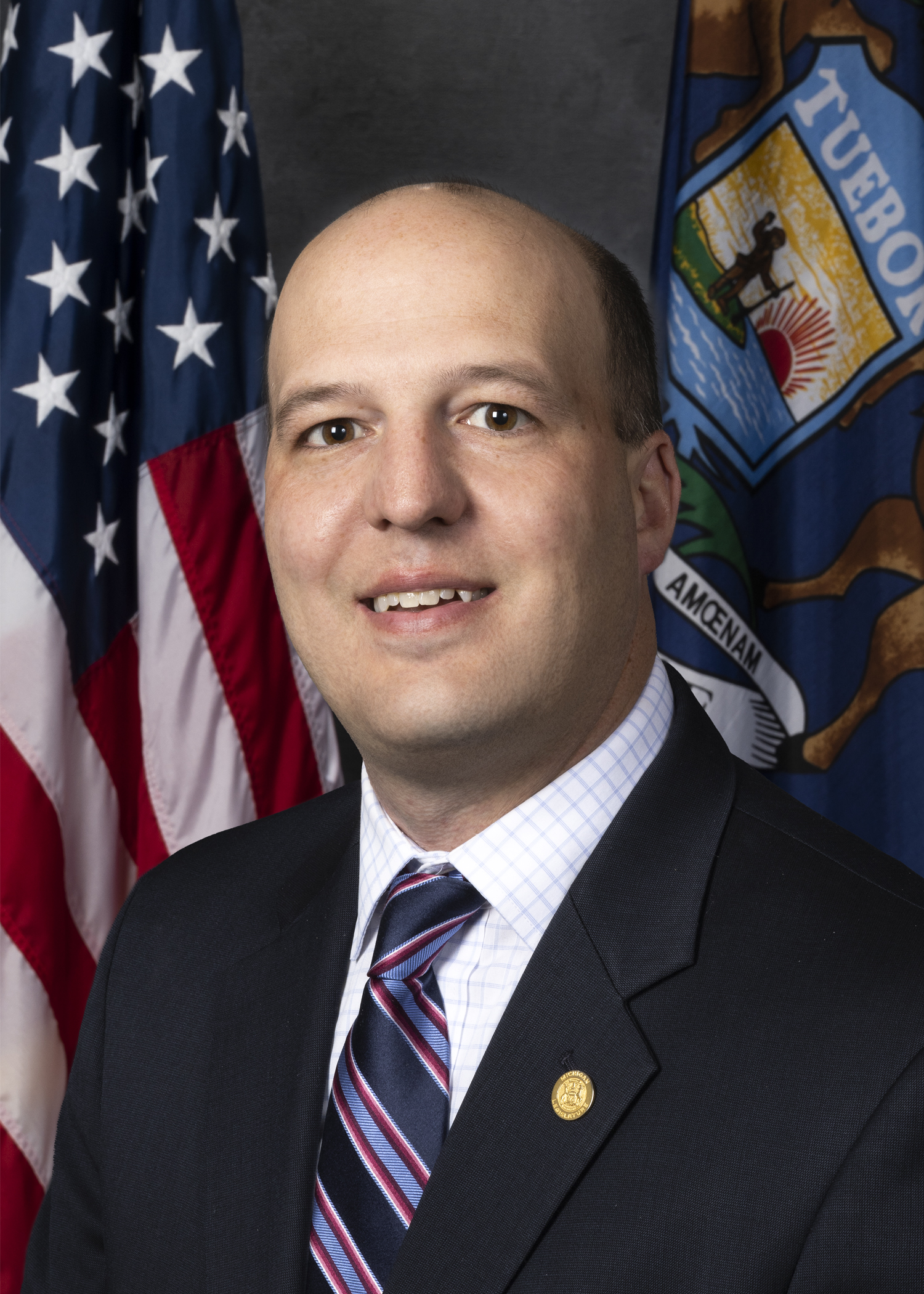
Kevin Hertel
Kevin Hertel Senate · District 12
D
Strong +
100% 5
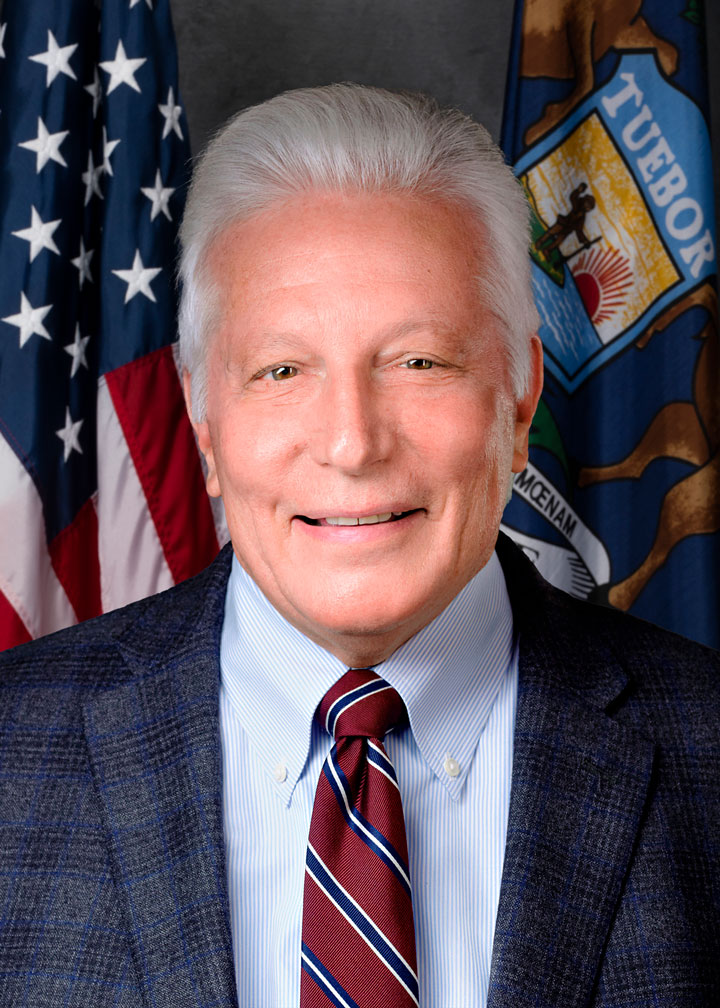
Paul Wojno
Paul Wojno Senate · District 10
D
Strong +
100% 5
Sam Singh
Sam Singh Senate · District 28
D
Strong +
100% 5
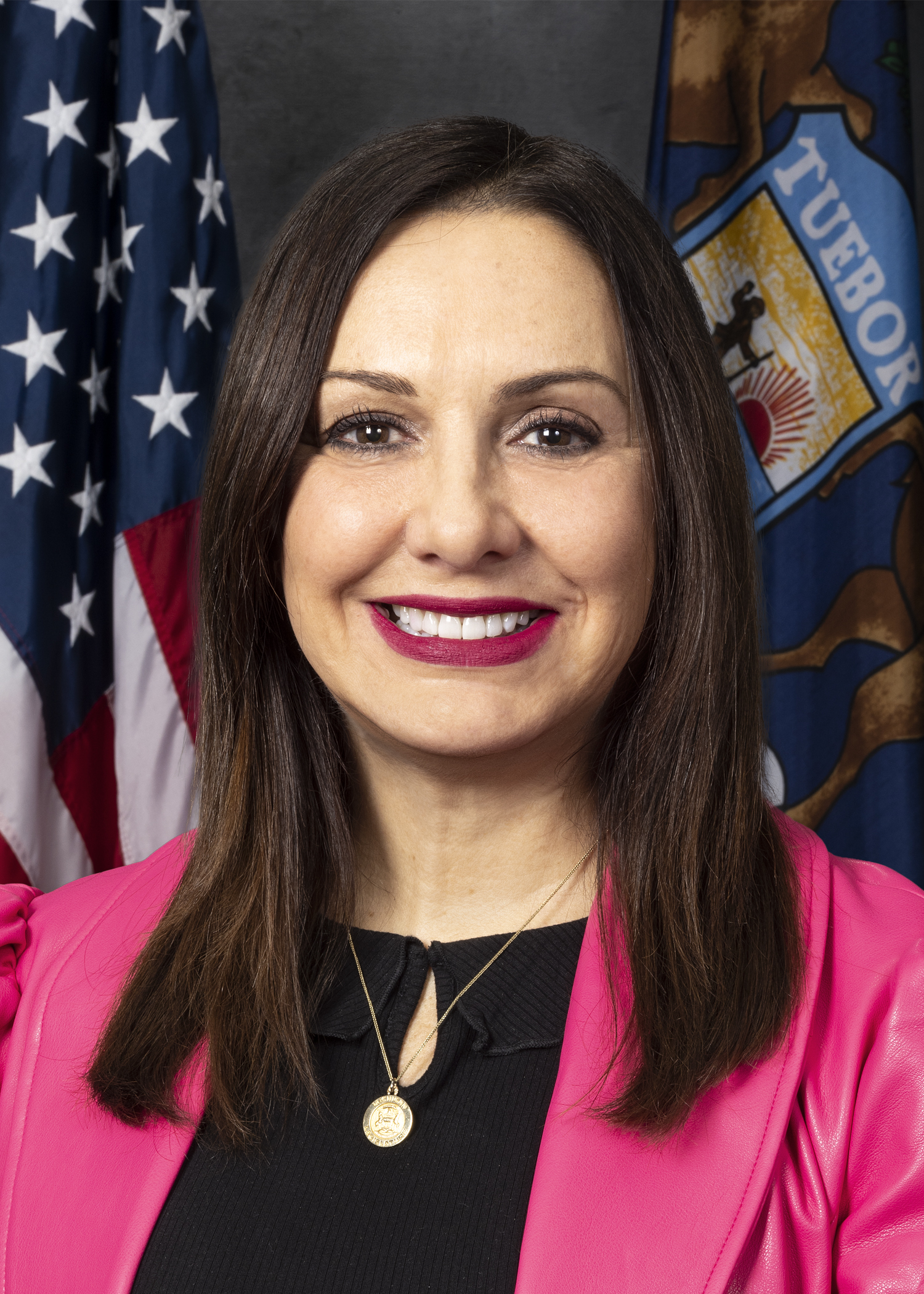
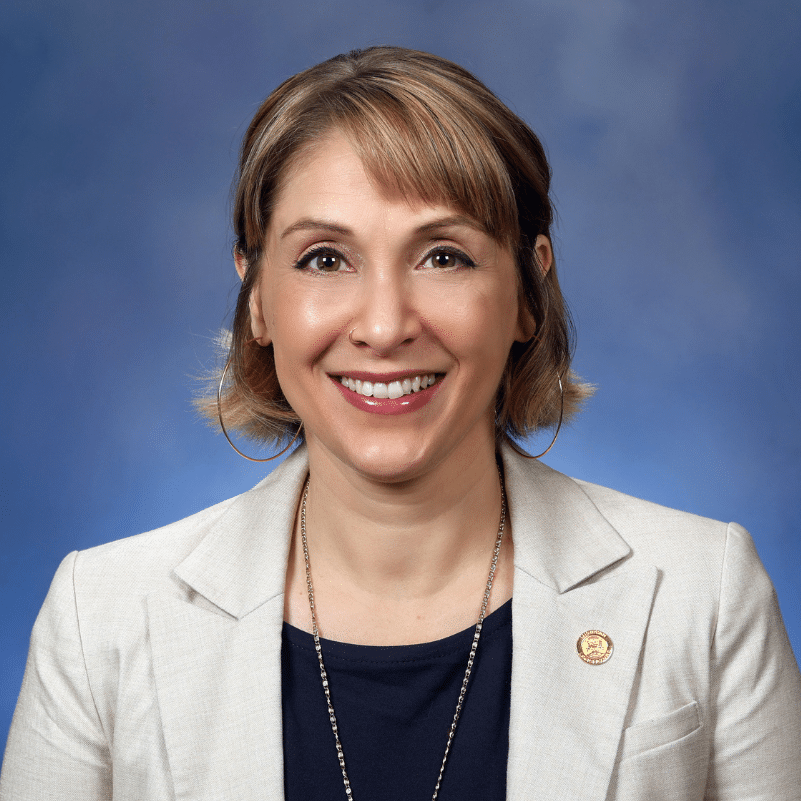
Emily Dievendorf
Emily Dievendorf House · District 77
D
Strong −
14% 7
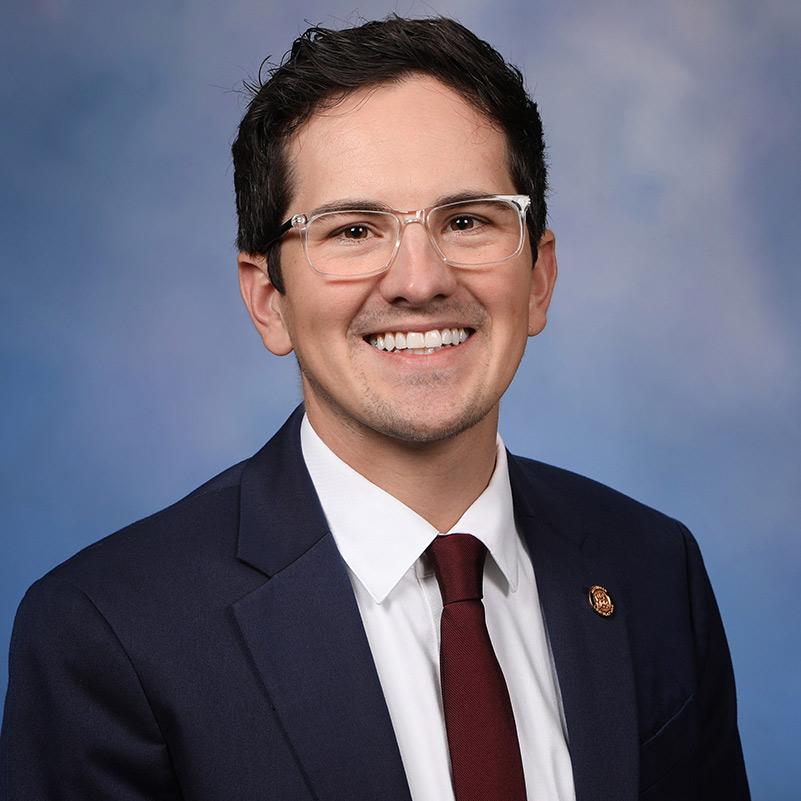
Erin Byrnes
Erin Byrnes House · District 15
D
Strong −
14% 7
Jason Morgan
Jason Morgan House · District 23
D
Strong −
14% 7
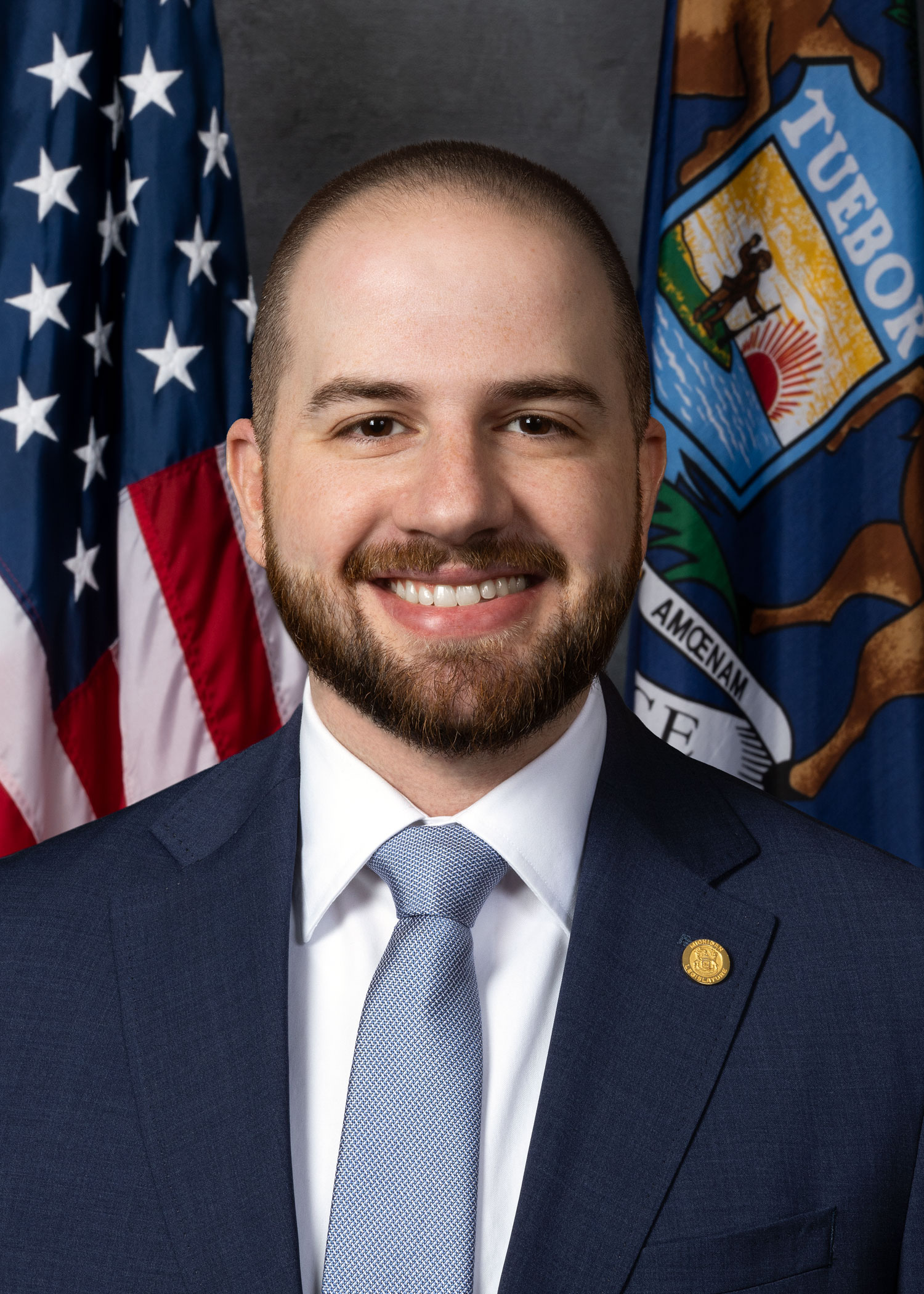
Joe Tate
Joe Tate House · District 9
D
Strong −
14% 7
Julie Brixie
Julie Brixie House · District 73
D
Strong −
14% 7
Showing 21–30 of 67 bills

All labor & employment bills

in committee · Michigan · House Apr 17, 2025

HB 4322: Labor: hours and wages; penalties and remedies for misclassification of independent contractors; provide for. Amends secs. 1, 13, 15, 18 & 19 of 1978 PA 390 (MCL 408.471 et seq.) & adds secs. 13c & 13d.

House Bill 4322 amends Michigan's wage and fringe benefits act, primarily addressing the misclassification of employees as independent contractors, which affects both employers and individuals performing work. The bill establishes a new legal definition for "independent contractor" and explicitly prohibits employers from classifying, reporting, or treating an employee as an independent contractor, placing the burden of proof on the alleged violator. It significantly increases penalties for misclassification, including a 100% annual penalty on unpaid wages and benefits, up to triple exemplary damages, and a civil fine up to $10,000. For misclassification violations, 50% of collected penalties and damages will be paid to the affected employee, and a new "wages and fringe benefits fund" is created to support enforcement.
in committee · Michigan · House May 7, 2025

HB 4441: Labor: youth employment; youth employment standards act; modify penalties for certain violations. Amends secs. 3, 21 & 22 of 1978 PA 90 (MCL 409.103 et seq.).

House Bill 4441 amends Michigan's Youth Employment Standards Act. It expands the types of jobs minors can hold, allowing those 11 and older to work as bridge caddies and 13 and older to set traps for shooting events. The bill strengthens enforcement by granting the Department of Labor Director authority to impose administrative fines up to $5,000 per violation and take legal action, including requiring employers to pay awards to affected minors. Additionally, it prohibits employers from retaliating against employees or minors who exercise their rights under the act. Finally, the bill significantly increases criminal penalties for employers who violate the act, particularly in cases where a minor is killed or suffers great bodily harm while working, introducing mandatory fines and potential imprisonment.
passed · Michigan · Senate Apr 15, 2026

SB 297: Health facilities: hospitals; mandatory overtime for nurses; prohibit except under certain circumstances. Amends sec. 20165 of 1978 PA 368 (MCL 333.20165) & adds sec. 17233. TIE BAR WITH: SB 0296'25

Senate Bill 297 aims to protect registered professional nurses by ensuring their refusal to work beyond their predetermined schedule is not grounds for administrative action. It also establishes penalties for hospitals that violate rules related to mandatory overtime for nurses, as referenced in section 21526. Hospitals found in violation could face an administrative fine of $1,000 for each instance, along with other potential sanctions. This bill amends the Public Health Code to implement these provisions, directly affecting nurses and hospitals.
in committee · Michigan · Senate Feb 11, 2025

SB 15: Labor: benefits; earned sick time; modify. Amends secs. 2, 3, 4, 6 & 7 of 2018 PA 338 (MCL 408.962 et seq.).

SB 15 amends Michigan's Earned Sick Time Act to expand the definition of "small business" from fewer than 10 employees to fewer than 25 employees. This change means more small businesses (with 11-24 employees) will now qualify for the act's simplified rules, including accruing 1 hour of sick time for every 30 hours worked, with a maximum of 40 hours of paid sick time per year. The bill maintains existing provisions requiring employers to provide earned sick time for employee health, family care, or safety needs (such as domestic violence or sexual assault), while clarifying definitions like "domestic partner" and "family member." It does not create new benefits but adjusts eligibility to cover more small employers under the current framework.
Sub-Topics Labor Standards Paid Leave Tags Small Business
in committee · Michigan · House Mar 4, 2025

HR 29: A resolution to urge the United States Congress to pass legislation temporarily freezing the Adverse Effect Wage Rate for the H-2A Temporary Agricultural Workers Program.

This resolution urges Congress to freeze the Adverse Effect Wage Rate (AEWR) for H-2A agricultural workers at the 2023 level ($15.10/hour) through 2025. It directly affects Michigan farmers who rely on the H-2A program, as the current 2025 AEWR in Michigan is $18.15/hour - a 34% increase since 2019. The resolution seeks to prevent further wage hikes for temporary farm workers, aiming to reduce rising labor costs amid broader farm expense increases. It does not change existing law but calls on Congress to pass legislation implementing this freeze.
in committee · Michigan · House Mar 6, 2025

HB 4168: Labor: hours and wages; employer offset of wages due an employee in a pay period based on the amount of gratuities the employee receives; prohibit. Amends sec. 4d of 2018 PA 337 (MCL 408.934d).

HB 4168 prohibits employers from using tips that exceed the minimum wage difference to cover other wage payments. It directly affects tipped workers (such as restaurant servers) and their employers by ensuring tips only count toward meeting minimum wage requirements up to specific percentages (starting at 38% in 2025 and rising to 50% by 2031). The bill requires written notice about tip distribution, mandates record-keeping for three years, and clarifies that tips remain the employee’s property regardless of wage calculations. Employers cannot offset wages for shifts with low tips using excess tips from other shifts.
passed · Michigan · Senate Apr 22, 2026

SB 145: Labor: fair employment practices; certain information about a job applicant's compensation history and credit history; prohibit an employer from seeking or asking about. Amends sec. 13a of 1978 PA 390 (MCL 408.483a).

SB 145 prohibits Michigan employers from asking job applicants about their past wages, credit scores, or credit history during the hiring process. This directly affects job seekers by preventing employers from using this information to make hiring or compensation decisions. The bill amends Michigan's Fair Employment Practices law to explicitly ban employers from requesting or seeking such details, replacing a prior prohibition on wage history inquiries. It aims to reduce pay discrimination by ensuring compensation decisions are based on current job requirements, not past earnings or credit data. The law would apply to all employers covered under Michigan's wage and employment protections.
in committee · Michigan · House Mar 19, 2025

HB 4253: Labor: benefits; certain types of accrued leave; require an employer to pay to an employee when employment is terminated. Amends secs. 1 & 5 of 1978 PA 390 (MCL 408.471 & 408.475).

This bill requires Michigan employers to pay employees for any accrued but unused paid vacation leave when employment ends. It applies to workers who have earned vacation time but didn't use it before leaving a job, such as through resignation or termination. Employers must pay this out unless the separation was a furlough (a temporary shutdown under specific conditions) or the employer provided unlimited vacation leave. The law will take effect on January 1, 2027.
in committee · Michigan · House Mar 19, 2025

HB 4264: Labor: fair employment practices; job applicant's credit history; prohibit an employer from inquiring about. Creates new act.

HB 4264, the "Job Applicant Credit Privacy Act," bans most employers in Michigan from using an applicant's credit history to make hiring decisions or asking about it during the recruitment process. It directly affects all job seekers and employers, except for specific roles in banking (state/nationally chartered banks, savings institutions, credit unions), licensed financial services, or casinos. The bill also prohibits employers from retaliating against applicants who oppose violations or participate in investigations, and bans any requirement for applicants to waive their rights under this law. Violators face civil lawsuits allowing for damages, injunctions, or attorney fees.
in committee · Michigan · House Mar 26, 2025

HB 4289: Labor: fair employment practices; certain employment discrimination information; require employers to post. Amends sec. 602 of 1976 PA 453 (MCL 37.2602) & adds sec. 202b.

HB 4289 requires Michigan employers with 2 or more employees to post a clear notice about equal pay laws in a visible workplace location. The notice must state that federal and state laws prohibit wage discrimination based on race, sex, religion, national origin, age, disability, sexual orientation, gender identity, height, weight, or marital status. It also provides contact details for reporting violations to the Michigan Department of Civil Rights, including a phone line and website. Employers who fail to post the notice may face a $100 civil fine.
Showing 21 to 30 of 67 bills
Previous 1 2 3 4 7 Next