Issue · Labor & Employment

Labor & Employment

Every labor & employment bill, vote, and legislator stance in Michigan, automatically classified by Maddy, our AI policy reader.

Total bills
262
2025-2026 Regular Session
Top supporter
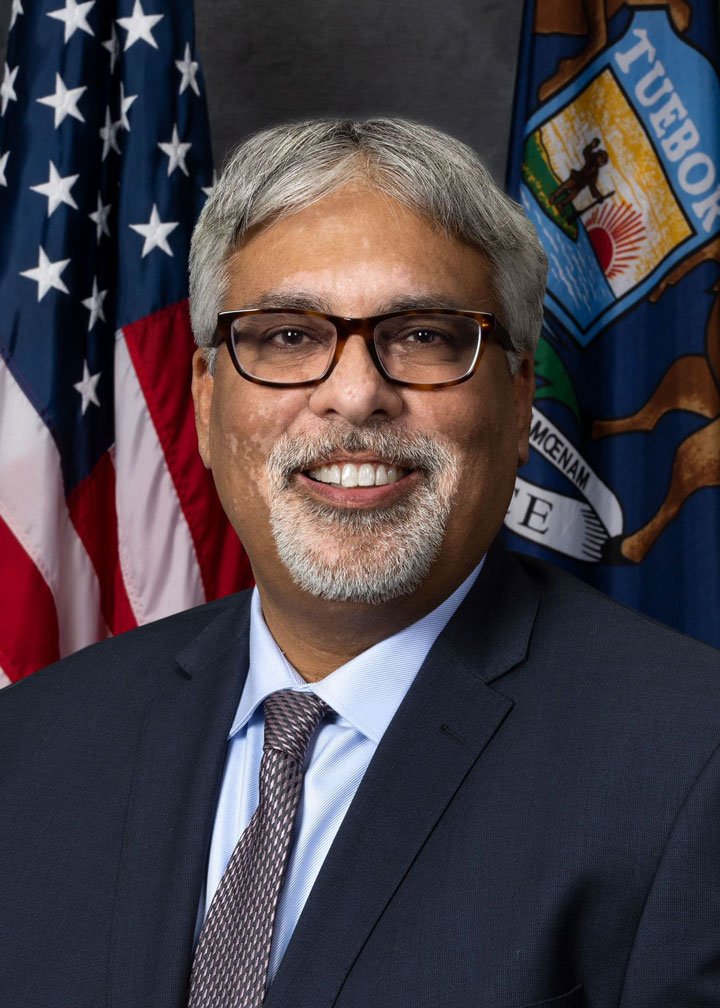
Sam Singh
93% support rate
Top opponent
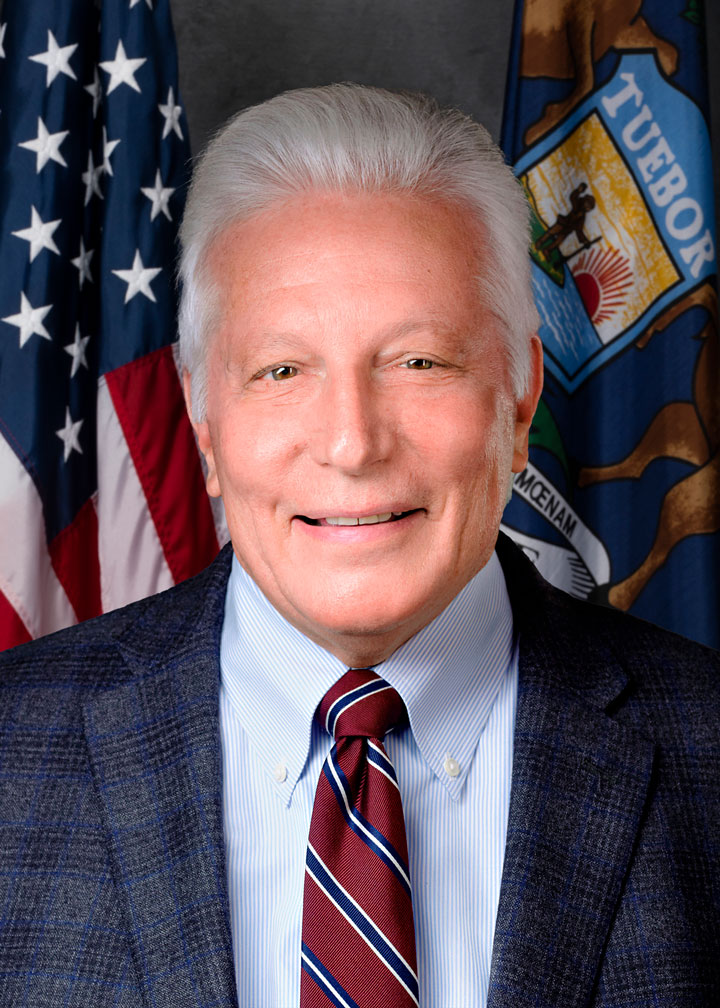
Thomas Albert
13% support rate
Ranked legislators
10
5 support · 5 oppose
Key legislators

Who's moving labor & employment in Michigan

Legislators moving labor & employment in Michigan
Legislator Party Stance Support rate Votes
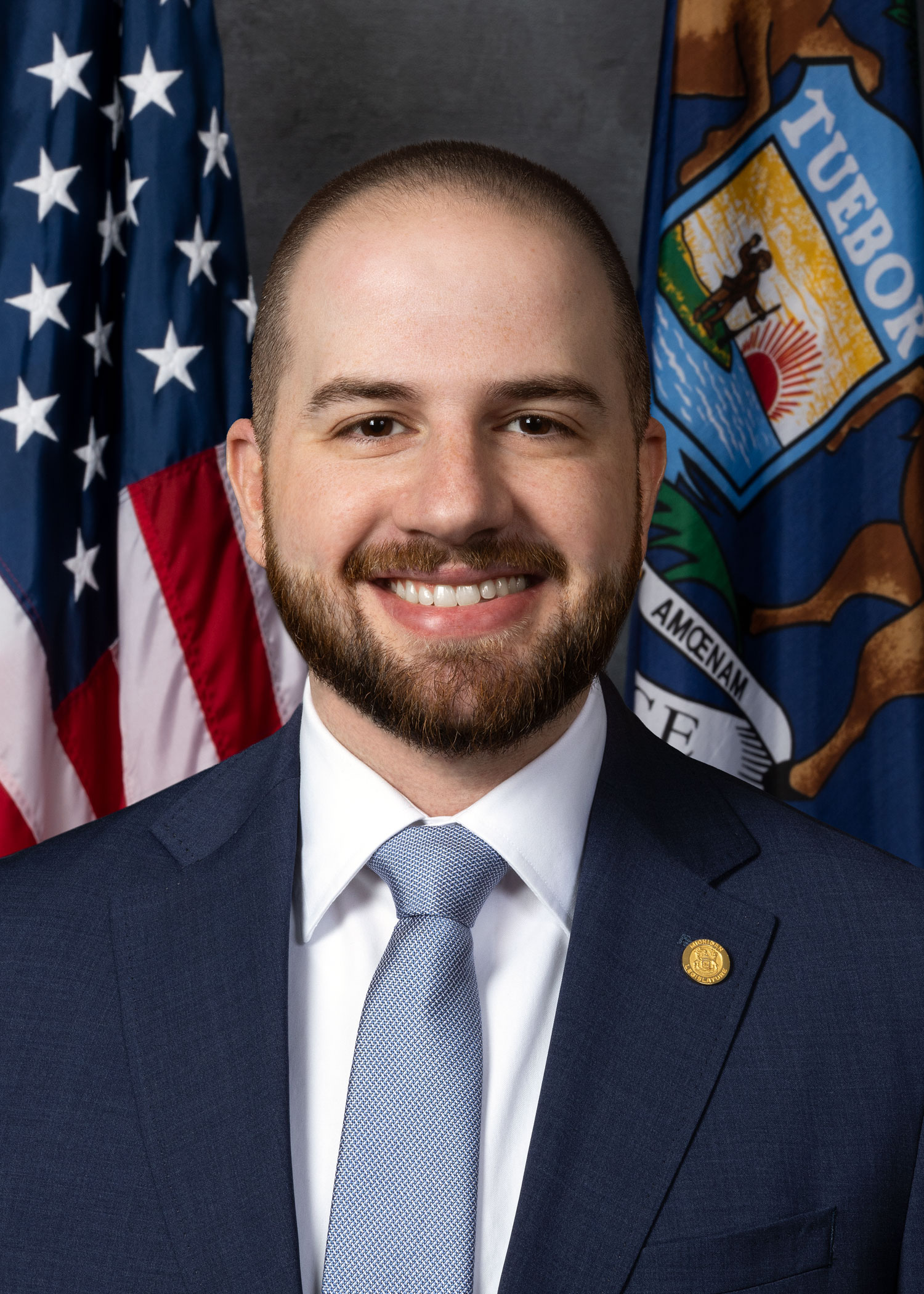
Sam Singh
Sam Singh Senate · District 28
D
Strong +
93% 45
Paul Wojno
Paul Wojno Senate · District 10
D
Strong +
93% 45
Kevin Hertel
Kevin Hertel Senate · District 12
D
Strong +
93% 46
Winnie Brinks
Winnie Brinks Senate · District 29
D
Strong +
93% 45
Jeremy Moss
Jeremy Moss Senate · District 7
D
Strong +
93% 45
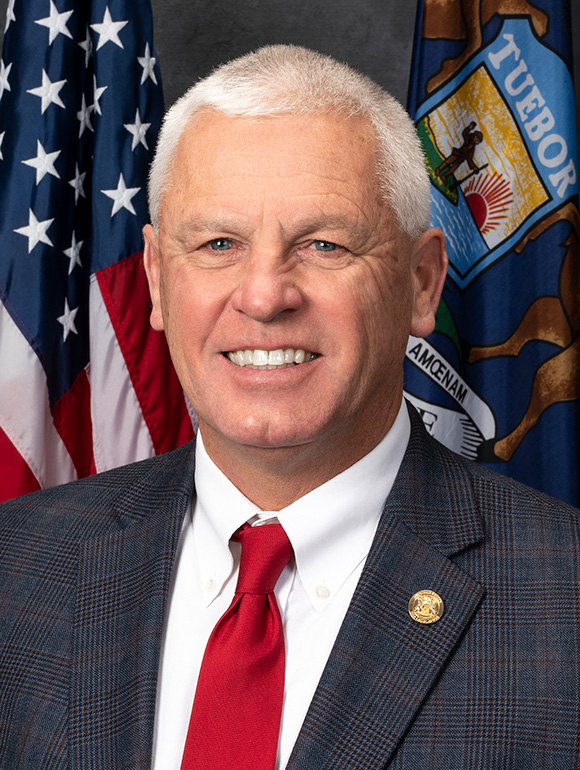
Thomas Albert
Thomas Albert Senate · District 18
R
Strong −
13% 45
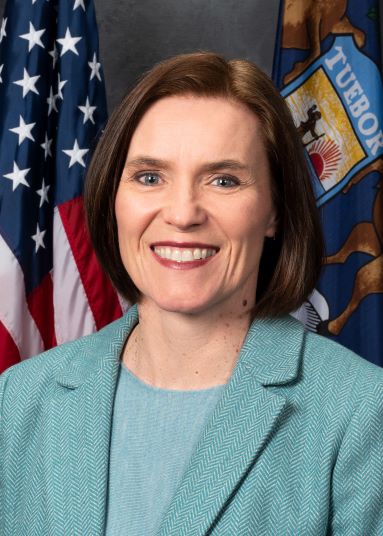
Michele Hoitenga
Michele Hoitenga Senate · District 36
R
Strong −
13% 45
Jim Runestad
Jim Runestad Senate · District 23
R
Strong −
14% 39
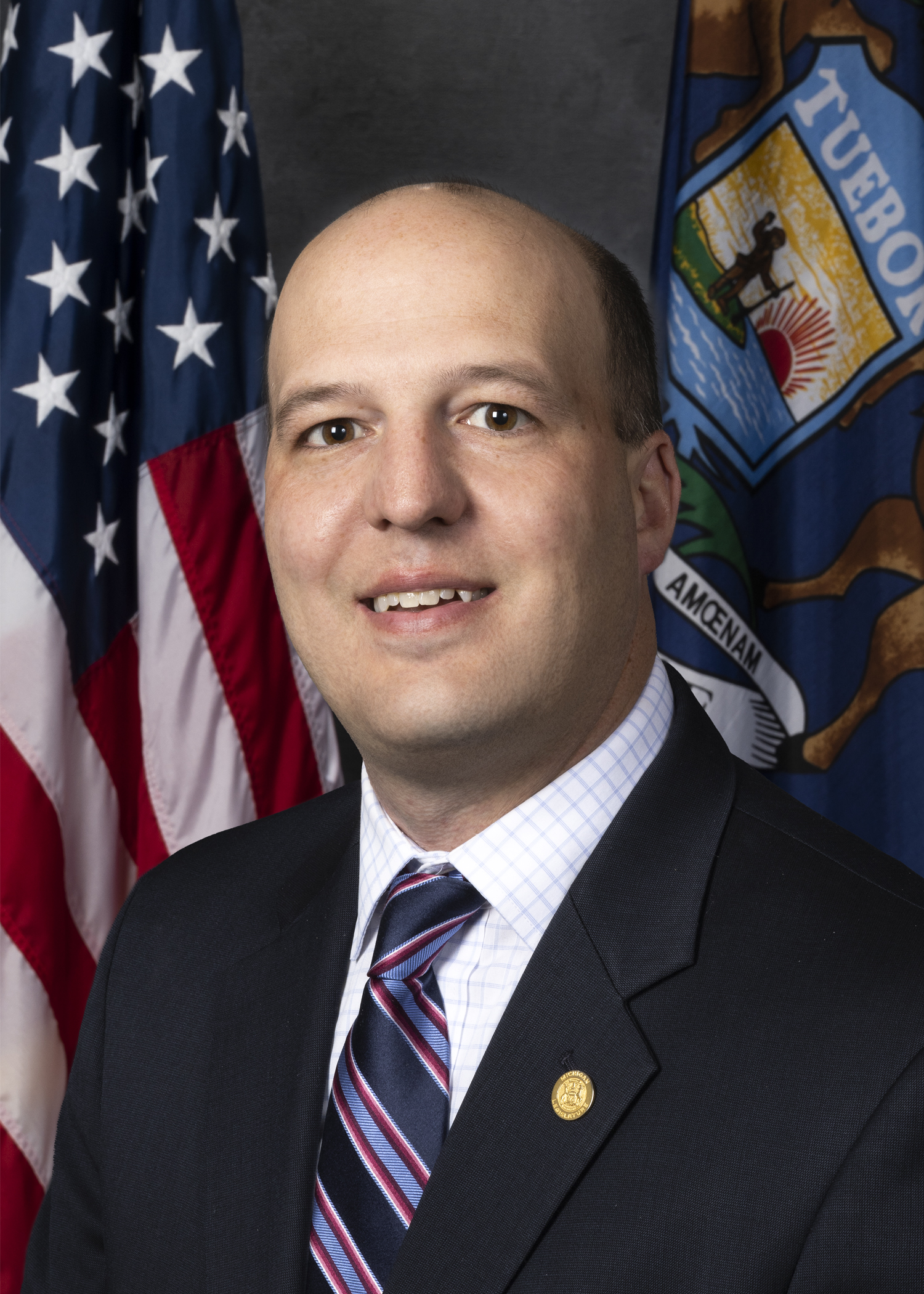
Jon Bumstead
Jon Bumstead Senate · District 32
R
Strong −
14% 42
Ruth Johnson
Ruth Johnson Senate · District 24
R
Strong −
17% 36
Showing 151–160 of 262 bills

All labor & employment bills

passed both · Michigan · House Feb 11, 2026

HB 4907: Occupations: individual licensing and registration; testing of control and safety devices by boiler repairers and installers; allow. Amends sec. 907 of 2016 PA 407 (MCL 339.5907).

HB 4907 amends Michigan's Skilled Trades Regulation Act to ensure certain boiler professionals can continue performing essential safety work. It specifically prohibits the department from creating rules that restrict Class 5B boiler installers or Class IV boiler repairers from conducting routine maintenance and safety device testing on boiler systems. This directly affects licensed boiler technicians who install or repair industrial/commercial heating systems, guaranteeing they can perform these safety checks without new regulatory barriers. The bill clarifies existing practice rather than creating new requirements, focusing on maintaining safe operations for facilities relying on boiler systems.
Sub-Topics Professional Licensing Tags Licensing
in committee · Michigan · House Oct 21, 2025

HB 5098: Employment security: administration; discontinuation of fraud detection software by the unemployment insurance agency; prohibit. Amends 1936 (Ex Sess) PA 1 (MCL 421.1 - 421.75) by adding sec. 32e.

HB 5098 prevents Michigan's Unemployment Insurance Agency from stopping its fraud detection software except for brief, documented maintenance needed to keep the system running. The bill requires the agency to immediately restore the software after any maintenance and limits such maintenance to what's strictly necessary. This directly affects the agency's operations and people filing unemployment claims, as the software helps identify potentially fraudulent applications. The law amends Michigan's Employment Security Act to mandate continuous use of the fraud detection tools, with specific rules for temporary maintenance periods.
Sub-Topics Unemployment
passed both · Michigan · House Jan 14, 2026

HB 4933: Occupations: employment agencies; deregulation of personnel agencies; provide for. Amends secs. 303a & 411 of 1980 PA 299 (MCL 339.303a & 339.411) & repeals art. 10 of 1980 PA 299 (MCL 339.1001 - 339.1022) & sec. 27 of 1979 PA 152 (MCL 338.2227).

HB 4933 would reduce licensing requirements for personnel agencies in Michigan by amending sections of the Occupational Code (MCL 339.303a and 339.411) and repealing specific existing rules. The bill directly affects employment and staffing agencies by removing current licensing mandates under Article 10 of the 1980 Occupational Code and part of a 1979 law (MCL 338.2227). Key provisions include eliminating the need for these agencies to obtain state licenses, streamlining their operations, and updating regulatory language to reflect current practices. This is a policy change focused on regulatory simplification for a specific sector of the workforce industry.
Sub-Topics Professional Licensing Tags Licensing
in committee · Michigan · House Oct 29, 2025

HR 200: A resolution to urge the Wayne County Airport Authority to halt plans to open a cigar bar inside the Detroit Metropolitan Airport.

This non-binding resolution urges the Wayne County Airport Authority to stop plans for a cigar bar in Detroit Metropolitan Airport's McNamara Terminal. It opposes seeking an exemption from Michigan's smoke-free law, which has banned indoor smoking at DTW since 2010. The resolution highlights concerns about secondhand smoke risks to travelers, employees (over 18,000 at DTW), and the fact that only 3.5% of adults smoke cigars. It does not change laws but formally requests the airport authority halt these plans.
in committee · Michigan · House Nov 4, 2025

HB 5183: Worker's compensation: benefits; type of employee misconduct that excludes an injured employee from receiving benefits; modify. Amends sec. 305 of 1969 PA 317 (MCL 418.305).

HB 5183 amends Michigan's Worker's Disability Compensation Act (MCL 418.305) to clarify when an injured worker loses benefits due to their own misconduct. The bill states that an employee cannot receive benefits if their employer proves the injury resulted from the employee's "intentional, serious, and wilful misconduct." It defines "serious" misconduct as objectively egregious and harmful conduct that endangers the employee or others. This change directly affects injured workers whose employers claim they caused their own injury through severe workplace misconduct. The bill is currently in committee referral after its introduction on October 30, 2025.
in committee · Michigan · House Nov 4, 2025

HB 5180: Worker's compensation: benefits; infectious disease presumption for essential employees during a declared emergency; provide for. Amends sec. 405 of 1969 PA 317 (MCL 418.405).

HB 5180 expands worker's compensation benefits for certain first responders by creating a presumption that specific cancers arise from job duties during emergencies. It applies to firefighters, police, and emergency medical personnel with 60+ months of active service who developed covered cancers (like lung, bladder, or breast cancer) due to exposure while on duty. The bill establishes the "Christopher R. Slezak first responder presumed coverage fund" as the primary source for benefits, requiring claimants to first seek pension benefits or prove ineligibility. It also allows rebuttal of the presumption only through scientific evidence showing tobacco use was a significant factor in the cancer. The law affects current and former essential emergency service workers directly, not general employees.
in committee · Michigan · House Nov 4, 2025

HB 5189: Worker's compensation: other; procedure for claims referred to the small claims division of the worker's compensation agency; modify. Amends sec. 841 of 1969 PA 317 (MCL 418.841). TIE BAR WITH: HB 5181'25

HB 5189 modifies Michigan's worker's compensation process for small claims. It specifies that claims under $2,000 for medical benefits only, or for a definite work period with the employee returned to work, may be referred to a small claims division. The bill prohibits attorneys in these small claims cases (requiring removal to standard hearings if attorneys are involved) and makes magistrate decisions final without appeal, except for fraud. This directly affects workers filing small compensation claims and insurance carriers handling those cases.
in committee · Michigan · House Nov 4, 2025

HB 5190: Worker's compensation: benefits; vocational rehabilitation benefits offered to injured workers; enhance. Amends sec. 319 of 1969 PA 317 (MCL 418.319).

HB 5190 amends Michigan's Worker's Disability Compensation Act (MCL 418.319) to improve vocational rehabilitation services for injured workers. It requires face-to-face evaluations by approved providers, mandates detailed individualized rehabilitation plans based on a six-step return-to-work hierarchy (including same job, modified work, or new employment), and limits vocational training to 52 weeks (with possible 52-week extension). The bill ensures services are tailored to an employee's qualifications and includes provisions for transportation costs during rehabilitation. Refusal to accept approved vocational rehab may result in reduced compensation, while workers can appeal director decisions to the Michigan Workers' Disability Compensation Appellate Commission.
in committee · Michigan · House Nov 4, 2025

HB 5186: Worker's compensation: benefits; eligibility to receive benefits and amount of benefits paid to an injured worker; modify. Amends secs. 301, 311, 313, 351, 354, 355, 356, 358, 361, 371, 401 & 891 of 1969 PA 317 (MCL 418.301 et seq.) & repeals secs. 302, 357 & 431 of 1969 PA 317 (MCL 418.302 et seq.).

HB 5186 amends Michigan's Worker's Disability Compensation Act to increase weekly wage replacement benefits for totally disabled workers from 80% to 90% of their after-tax average weekly wage, subject to the maximum rate in Section 355. It clarifies that mental disabilities are compensable if work significantly contributes to or aggravates them, and defines "wage earning capacity" to include jobs within an injured worker's transferable skills. The bill shifts the burden to employers to refute an employee's initial disability claim after the employee demonstrates eligibility through evidence of job qualifications and work limitations. This directly affects injured workers seeking compensation and Michigan employers who pay these benefits.
in committee · Michigan · House Nov 4, 2025

HB 5179: Worker's compensation: benefits; payment of death benefits; modify, and expand conclusive presumption of dependency to include certain individuals. Amends secs. 321, 331, 335, 345 & 356 of 1969 PA 317 (MCL 418.321 et seq.).

HB 5179 amends Michigan's worker's compensation law to expand the conclusive presumption of dependency to include certain individuals, meaning these people will automatically qualify for death benefits without needing to prove dependency. The bill modifies specific sections (321, 331, 335, 345, and 356) of the 1969 Worker's Disability Compensation Act (MCL 418.321 et seq.). This change directly affects families of workers who die from work-related injuries by broadening eligibility for death benefits to cover additional dependents. The bill does not alter benefit amounts but simplifies access to death benefits for the newly included groups.
Showing 151 to 160 of 262 bills
Previous 1 15 16 17 27 Next