Issue · Healthcare

Healthcare (Medical Licensing)

Every healthcare bill, vote, and legislator stance in Michigan, automatically classified by Maddy, our AI policy reader.

Total bills
69
2025-2026 Regular Session
Top supporter
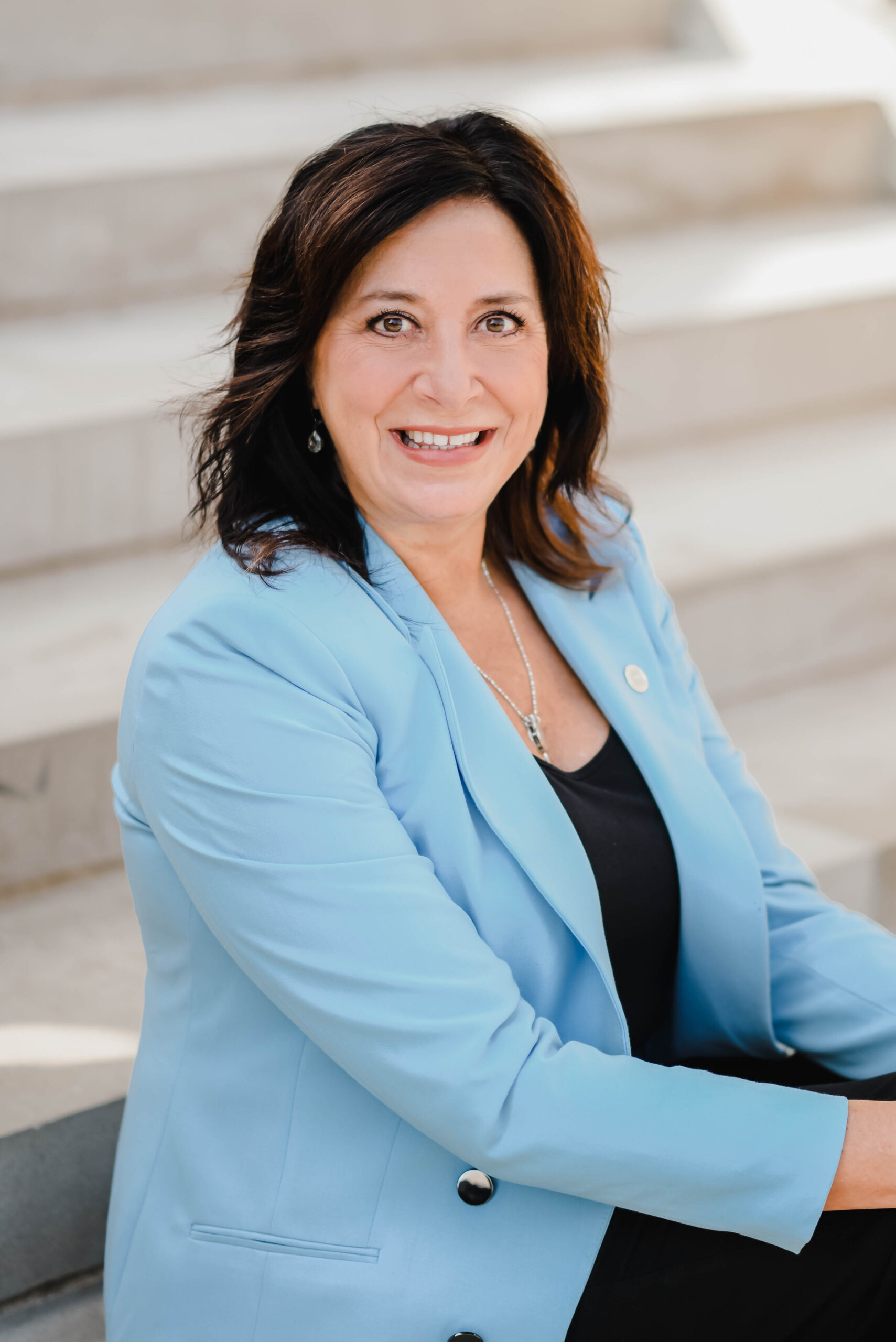
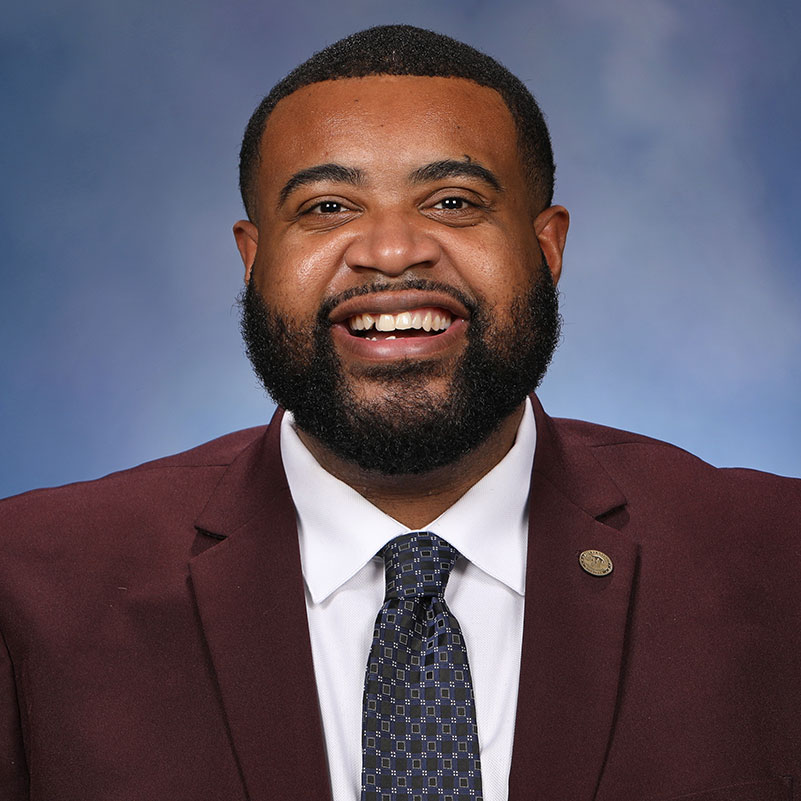
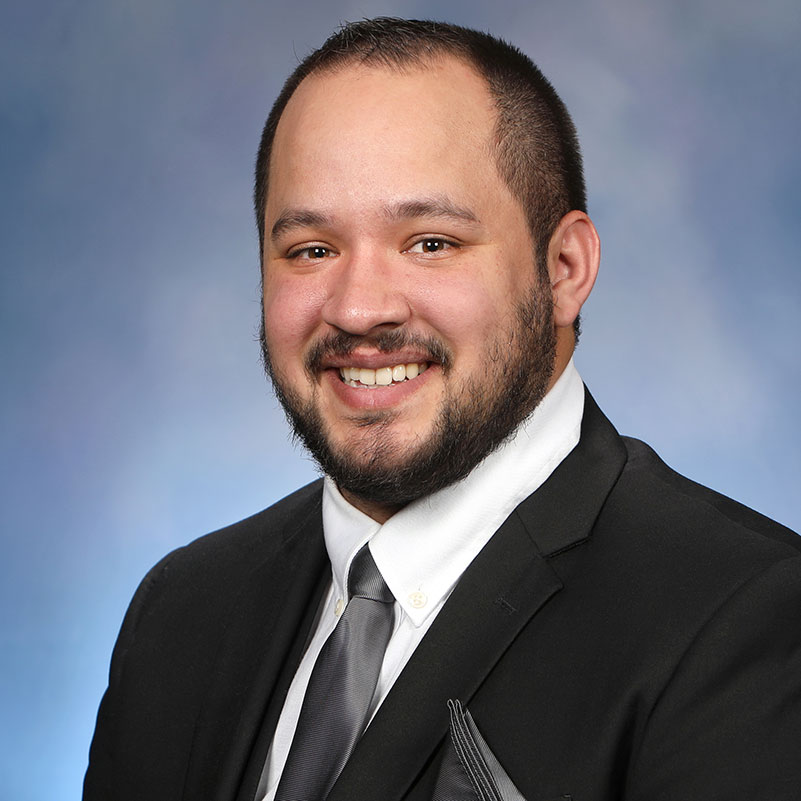
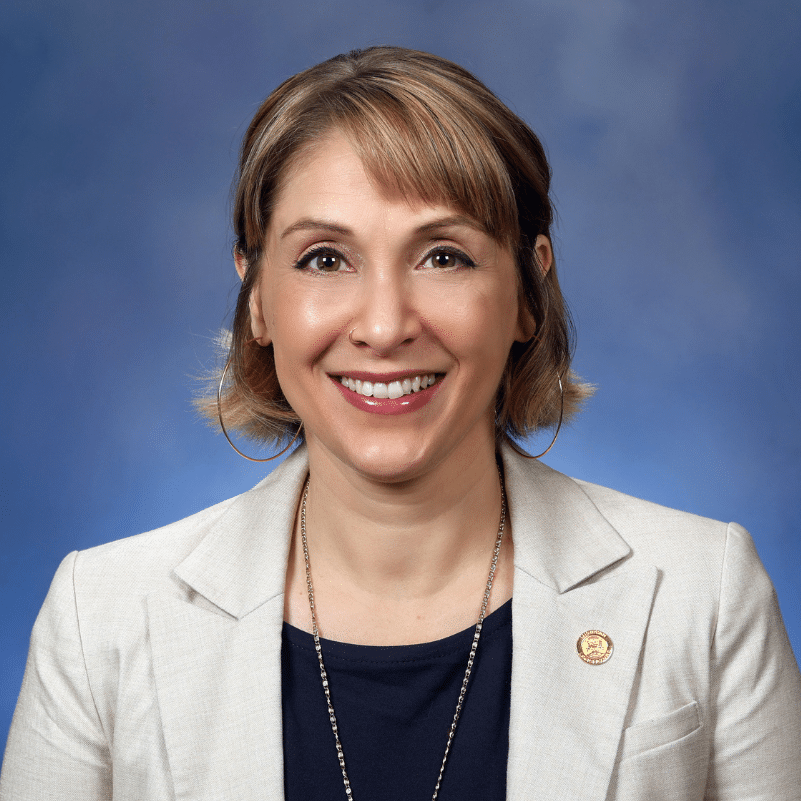
Angela Witwer
83% support rate
Top opponent
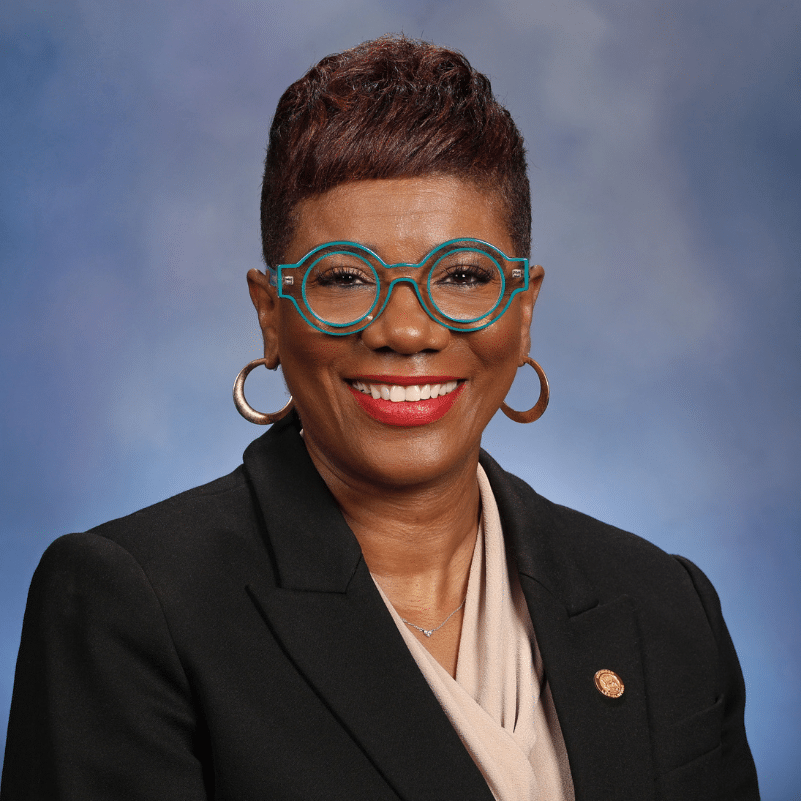
Carrie Rheingans
33% support rate
Ranked legislators
10
5 support · 5 oppose
Key legislators

Who's moving medical licensing in Michigan

Legislators moving medical licensing in Michigan
Legislator Party Stance Support rate Decisive votes
Angela Witwer
Angela Witwer House · District 76
D
Strong +
83% 6
Cynthia Neeley
Cynthia Neeley House · District 70
D
Strong +
83% 6
Denise Mentzer
Denise Mentzer House · District 61
D
Strong +
83% 6
Jason Hoskins
Jason Hoskins House · District 18
D
Strong +
83% 6
Jaz Martus
Jaz Martus House · District 69
D
Strong +
83% 6
Carrie Rheingans
Carrie Rheingans House · District 47
D
Oppose
33% 6
Donavan McKinney
Donavan McKinney House · District 11
D
Oppose
33% 6
Dylan Wegela
Dylan Wegela House · District 26
D
Oppose
33% 6
Emily Dievendorf
Emily Dievendorf House · District 77
D
Oppose
33% 6
Erin Byrnes
Erin Byrnes House · District 15
D
Oppose
33% 6
Showing 11–20 of 69 bills

All healthcare bills

in committee · Michigan · House Jun 24, 2026

HB 5734: Health: licensing; references to licenses for certain substance use disorder services programs in the nonprofit health care corporation reform act; modify to include those exempt from licensure. Amends sec. 414a of 1980 PA 350 (MCL 550.1414a). TIE BAR WITH: HB 5729'26

This bill modifies the Nonprofit Health Care Corporation Reform Act to clarify that substance use disorder services programs exempt from licensure under the Public Health Code are eligible to contract with health care corporations for inpatient treatment. The amendment updates language in Section 414a to explicitly include these exempt programs alongside licensed facilities, ensuring they can participate in state-regulated health care contracts for substance abuse treatment. The bill does not create new programs or change existing coverage requirements but rather aligns the licensing references to reflect current exemptions under Michigan law. It affects health care corporations, providers of substance use disorder services, and the regulatory framework governing their contracting relationships.
in committee · Michigan · Senate Mar 26, 2026

SB 894: Insurance: health benefits; nonprofit health care corporation to panel a mental health provider within a certain time period of the application process; require. Amends 1980 PA 350 (MCL 550.1101 - 550.1704) by adding sec. 414c.

This bill requires nonprofit health care corporations in Michigan to review mental health provider applications within 60 calendar days and either approve or deny them in writing. It mandates that corporations send written requests for missing information within 10 business days if an application is incomplete, and allows a 15-day extension only for serious issues like sanctions or felony convictions. The legislation also ensures that providers can receive payment for services rendered during the credentialing review period if they meet specific criteria, including having no license sanctions and professional liability insurance. Additionally, the bill defines which mental health professionals are covered, including physicians, psychologists, social workers, and therapists.
in committee · Michigan · House Jun 24, 2026

HB 5728: Health: licensing; references to licenses for certain substance use disorder services programs in the prudent purchaser act; modify to include those exempt from licensure. Amends sec. 2 of 1984 PA 233 (MCL 550.52). TIE BAR WITH: HB 5729'26

This bill modifies the Prudent Purchaser Act in Michigan to clarify that substance use disorder treatment programs exempt from licensure are still considered health facilities under the law. The change updates the definition of "health facility" in the statute to explicitly include programs that are either licensed or exempt from licensure under specific public health codes. This adjustment ensures these programs are recognized within the legal framework governing health care provider agreements and purchasing arrangements. The bill is tied to companion legislation HB 5729 and would take effect only if that related bill is also enacted.
in committee · Michigan · House Jun 24, 2026

HB 5730: Health: licensing; references to licenses for certain substance use disorder services programs in the municipal health facilities corporations act; modify to include those exempt from licensure. Amends sec. 103 of 1987 PA 230 (MCL 331.1103). TIE BAR WITH: HB 5729'26

This bill amends the Municipal Health Facilities Corporations Act to clarify which substance use disorder service programs are exempt from licensure requirements. It updates the definition of "direct provider of health care" to explicitly include organizations that are exempt from licensure under the Public Health Code, alongside those that are licensed or certified. The change applies to municipal health facilities corporations and their subsidiary entities, ensuring that programs currently operating without a license but meeting specific state exemptions remain compliant with the act. By aligning the definition with existing public health code provisions, the bill removes ambiguity about which substance use disorder programs fall under the corporation's regulatory scope.
in committee · Michigan · House Jun 24, 2026

HB 5732: Health: licensing; references to licenses for certain substance use disorder services programs in the Michigan zoning enabling act; modify to include those exempt from licensure. Amends sec. 206 of 2006 PA 110 (MCL 125.3206). TIE BAR WITH: HB 5729'26

This bill modifies Michigan's zoning enabling act to update how certain substance use disorder services programs are classified for zoning purposes. It specifically adjusts the language to include facilities that are exempt from licensure under state public health regulations, ensuring they are treated consistently with other licensed substance use disorder programs in zoning decisions. The change affects local governments and zoning boards that review residential property uses, particularly those evaluating the placement of group child care homes near substance use disorder treatment facilities. By aligning the zoning language with current licensing exemptions, the bill ensures that facilities not required to hold a license are still properly recognized in zoning determinations.
in committee · Michigan · House Mar 3, 2026

HB 5591: Health facilities: other; licensure of freestanding hyperbaric oxygen therapy facilities; provide for. Amends 1978 PA 368 (MCL 333.1101 - 333.25211) by adding pt. 212. TIE BAR WITH: HB 5590'26, HB 5592'26, HB 5593'26

HB 5591 updates Michigan's Public Health Code to establish licensing requirements for freestanding hyperbaric oxygen therapy facilities (which treat conditions like non-healing wounds using pressurized oxygen). It directly affects these specialized facilities by requiring them to be accredited by approved organizations (like The Joint Commission), appoint a medical director licensed as a physician or nurse practitioner, and designate a safety coordinator. Key provisions include defining terms like "qualified health professional" and mandating compliance with NFPA 99 fire safety standards. The bill does not change patient access but sets new operational standards for facility operators. (Note: This bill is pending and requires companion bills HB 5590-5593 to take effect.)
in committee · Michigan · Senate Feb 26, 2026

SB 803: Health facilities: other; licensure of freestanding hyperbaric oxygen therapy facilities; provide for. Amends secs. 20104, 20106, 20155, 20161, 20162 & 20164 of 1978 PA 368 (MCL 333.20104 et seq.). TIE BAR WITH: SB 0804'26, SB 0805'26, SB 0806'26

SB 803 creates a new licensure requirement for freestanding facilities that provide hyperbaric oxygen therapy (HBOT), a medical treatment using pressurized oxygen. It directly affects businesses operating standalone HBOT centers and patients receiving this therapy by establishing specific safety and operational standards. The bill amends Michigan's Public Health Code to add licensing rules for these facilities, ensuring they meet state health and safety criteria. This change applies to facilities not located within hospitals, requiring them to obtain state licensure before operation.
Sub-Topics Hospitals Medical Licensing Public Health Tags Licensing
in committee · Michigan · House Mar 3, 2026

HB 5592: Health facilities: other; licensure of freestanding hyperbaric oxygen therapy facilities; provide for. Amends secs. 20104, 20106, 20155, 20161, 20162 & 20164 of 1978 PA 368 (MCL 333.20104 et sec.). TIE BAR WITH: HB 5590'26, HB 5591'26, HB 5593'26

HB 5592 creates a new licensure requirement for freestanding hyperbaric oxygen therapy facilities in Michigan. It directly affects independent medical facilities that provide hyperbaric oxygen therapy, which uses high-oxygen environments to treat specific medical conditions like non-healing wounds. The bill amends Michigan's Public Health Code to establish specific standards and oversight for these facilities, including facility requirements and operational guidelines. This change ensures these specialized treatment centers meet defined safety and quality standards under state regulation.
in committee · Michigan · House Feb 19, 2026

HB 5522: Health occupations: physician's assistants; licensure of physician's assistants; modify. Amends (see bill).

HB 5522 amends Michigan's Public Health Code to update delegation rules for physician assistants (PAs). It clarifies that supervising physicians may delegate specific medical tasks to PAs under certain conditions, including direct physical supervision during procedures. The bill specifies that PAs can perform surgical tasks only when a licensed physician is present, and outlines requirements for health facilities to authorize such delegation. These changes directly affect PAs, physicians, and healthcare facilities by defining clearer boundaries for PA scope of practice under supervision.
in committee · Michigan · Senate May 13, 2026

SB 799: Mental health: facilities; licensure for adult residential psychiatric programs; provide for. Creates new act.

SB 799 creates a new licensing system for adult psychiatric residential treatment facilities (APRTFs) that provide 24-hour residential psychiatric care to adults 18+ with severe mental health needs. It requires facilities to obtain a license from the Michigan Department of Licensing and Regulatory Affairs, pay fees ($2,000 initial, $1,000 renewal), and undergo on-site inspections before operating. The bill sets standards for care, defines prohibited exclusions (like psychiatric hospitals or nursing homes), and specifies that licensed facilities must offer individualized treatment plans certified by a physician. This directly affects APRTFs currently operating without state licensing, requiring them to meet new regulatory requirements to continue providing services.
Showing 11 to 20 of 69 bills
Previous 1 2 3 … 7 Next