

Issue · Environment
Environment
Every environment bill, vote, and legislator stance in Michigan, automatically classified by Maddy, our AI policy reader.
Total bills
236
2025-2026 Regular Session
Top supporter
Winnie Brinks
94% support rate
Top opponent
Jonathan Lindsey
6% support rate
Ranked legislators
10
5 support · 5 oppose
Key legislators
Who's moving environment in Michigan
| Legislator | Party | Stance | Support rate | Votes |
|---|---|---|---|---|

Winnie Brinks
Senate · District 29
|
D |
Strong +
|
94% | 29 |
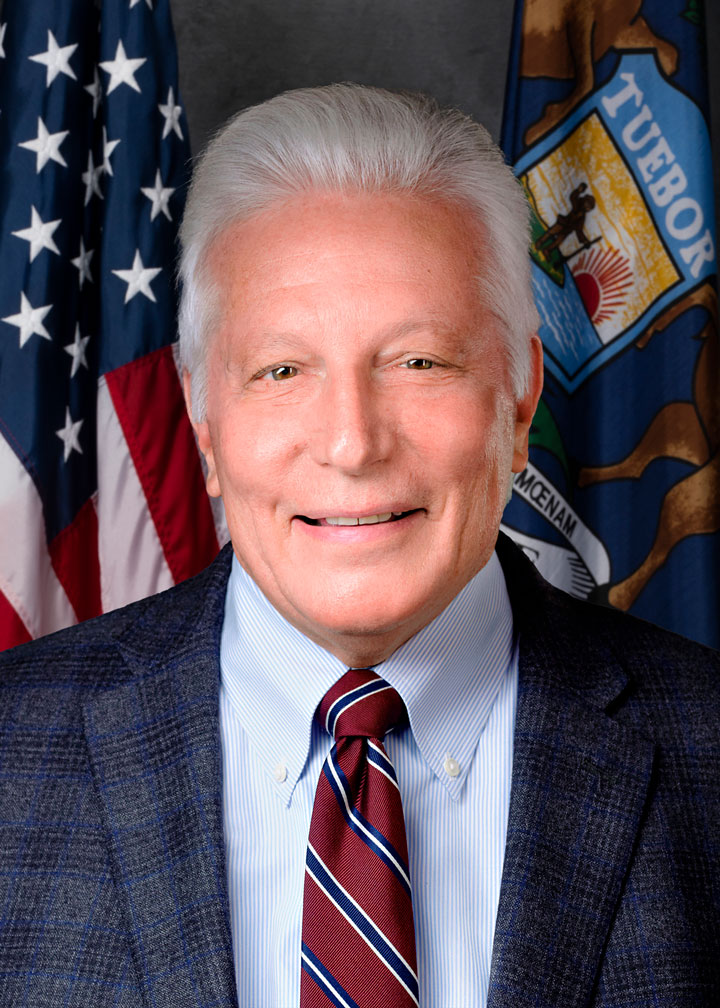
Paul Wojno
Senate · District 10
|
D |
Strong +
|
94% | 29 |
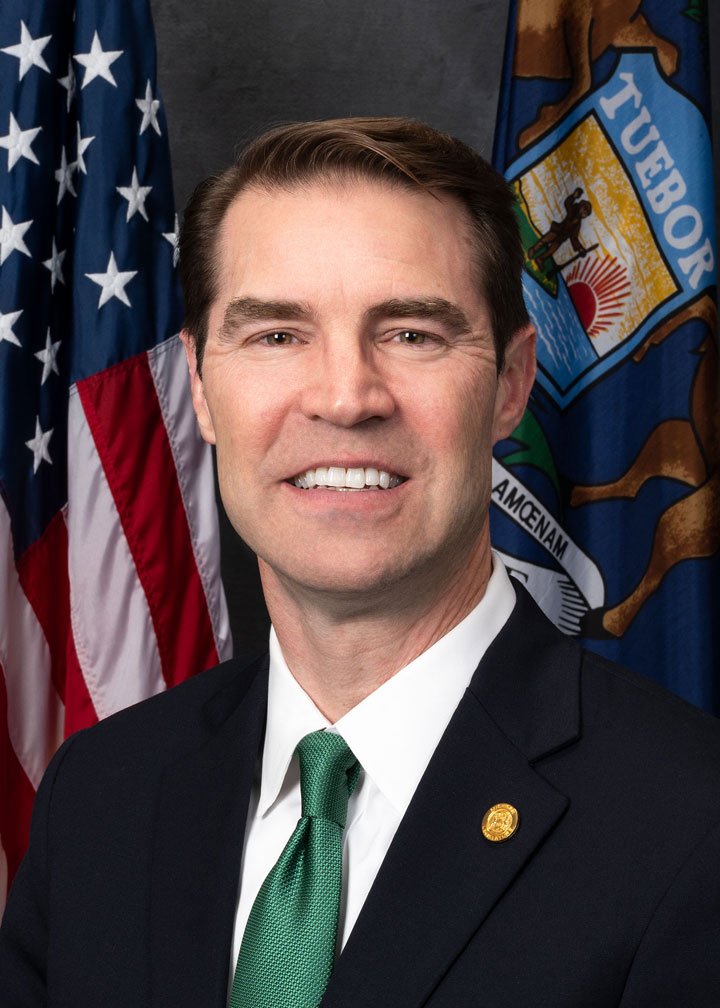
Sean McCann
Senate · District 19
|
D |
Strong +
|
94% | 29 |

Sylvia Santana
Senate · District 2
|
D |
Strong +
|
94% | 29 |

Mary Cavanagh
Senate · District 6
|
D |
Strong +
|
94% | 29 |

Jonathan Lindsey
Senate · District 17
|
R |
Strong −
|
6% | 28 |

Jim Runestad
Senate · District 23
|
R |
Strong −
|
17% | 23 |

Lana Theis
Senate · District 22
|
R |
Strong −
|
17% | 29 |

Ed McBroom
Senate · District 38
|
R |
Strong −
|
20% | 26 |
Thomas Albert
Senate · District 18
|
R |
Oppose
|
22% | 29 |
Showing 121–130 of 236
bills
All environment bills
SB 394: Natural resources: gas and oil; ownership and conveyance rights associated with pore space; establish. Creates new act. TIE BAR WITH: SB 395'25
SB 26: Traffic control: driver license; reference to fire protection fund in the natural resources and environmental protection act; remove. Amends sec. 52706 of 1994 PA 451 (MCL 324.52706).
Topics
✓ Budget & TaxesSupports Budget & TaxesDirects 50% of municipal forestland sale proceeds to state treasury (first $18M to general fund, excess to fire protection fund), promoting fiscal responsibility in budget allocation.
✓ EnvironmentSupports EnvironmentBill mandates forestry/recreation use of municipal forestland and directs 50% sale proceeds to environmental funds, conserving natural resources per amended Natural Resources Act.
HB 4111: Property tax: exemptions; personal property constituting certain hydrogen fuel pumps; exempt. Amends secs. 27 & 34d of 1893 PA 206 (MCL 211.27 & 211.34d) & adds sec. 9q. TIE BAR WITH: HB 4112'25
Topics
✓ Budget & TaxesSupports Budget & TaxesExempts hydrogen fuel pumps from property tax, providing tax relief for businesses investing in green infrastructure, directly advancing fiscal policy supporting clean energy adoption.
✓ EnergySupports EnergyExempts hydrogen fuel pumps from property tax, directly incentivizing clean energy infrastructure adoption for hydrogen-powered vehicles per H35/H70 standards.
✓ EnvironmentSupports EnvironmentExempts hydrogen fuel pumps from property tax, incentivizing clean energy infrastructure adoption to reduce emissions from transportation.
✓ TransportationSupports TransportationExempts hydrogen fuel pumps from property tax to incentivize installation of sustainable fueling infrastructure, directly supporting clean transportation adoption and alternative fuel vehicle infrastructure development.
Sub-Topics
Property Tax
HB 4212: Natural resources: fishing; allowable catch per species and percentage quota for commercial fishing; provide for. Amends secs. 47301, 47303, 47305, 47306, 47307, 47308, 47309, 47310, 47311, 47312, 47313, 47314, 47315, 47316, 47317, 47318, 47319, 47320, 47321, 47322, 47323, 47324, 47325, 47326, 47327, 47328 & 48724 of 1994 PA 451 (MCL 324.47301 et seq.) & repeals (See Bill).
SB 201: Environmental protection: funding; solid waste management fund; establish account to fund material waste reduction, reuse, recycling, and recovery. Amends secs. 11550 & 11582 of 1994 PA 451 (MCL 324.11550 & 324.11582).
HB 4393: Environmental protection: hazardous waste; environmental protection; landfills; disposal fees; increase, and limit certain disposal wells and TENORM disposal. Amends secs. 11102, 11103, 11104, 11108, 11109, 11110, 11125, 11132, 11514b, 11525a, 62501 & 62509 of 1994 PA 451 (MCL 324.11102 et seq.); adds secs. 11122, 62508b & 62509d & repeals secs. 11111 & 11112 of 1994 PA 451 (MCL 324.11111 & 324.11112).
SB 275: Public utilities: natural gas utilities; local units of government imposing a ban on the use of natural gas or installation of natural gas infrastructure; prohibit. Creates new act.
Topics
✗ EnergyOpposes EnergyBlocks local bans on natural gas infrastructure, actively supporting fossil fuel use over renewable alternatives
✗ EnvironmentOpposes EnvironmentPrevents local bans on natural gas infrastructure, opposing climate initiatives that would limit fossil fuel use and weaken local environmental protections.
HB 4445: Natural resources: hunting; feeding or baiting deer; allow. Amends secs. 40102 & 40111a of 1994 PA 451 (MCL 324.40102 & 324.40111a).
HB 4425: Corporate income tax: other; sustainable aviation fuel incentive program; create. Creates new act. TIE BAR WITH: HB 4424'25
Topics
✓ Budget & TaxesSupports Budget & TaxesCreates corporate income tax credits for sustainable aviation fuel production, directly advancing tax incentive policy under Budget & Taxes.
✓ EnergySupports EnergyCreates tax credits for sustainable aviation fuel production, promoting renewable energy development and 50% GHG reduction targets per program criteria.
✓ EnvironmentSupports EnvironmentCreates tax credits for SAF production requiring 50% GHG reduction, directly promoting cleaner aviation fuel and reducing emissions per EGLE environmental criteria.
✓ TransportationSupports TransportationCreates tax credits for sustainable aviation fuel production, promoting cleaner transportation infrastructure and reducing emissions in aviation sector.