

Issue · Budget & Taxes
Budget & Taxes
Every budget & taxes bill, vote, and legislator stance in Michigan, automatically classified by Maddy, our AI policy reader.
Total bills
639
2025-2026 Regular Session
Top supporter
Chedrick Greene
100% support rate
Top opponent
Jim Runestad
6% support rate
Ranked legislators
10
5 support · 5 oppose
Key legislators
Who's moving budget & taxes in Michigan
| Legislator | Party | Stance | Support rate | Votes |
|---|---|---|---|---|

Chedrick Greene
Senate · District 35
|
D |
Strong +
|
100% | 17 |
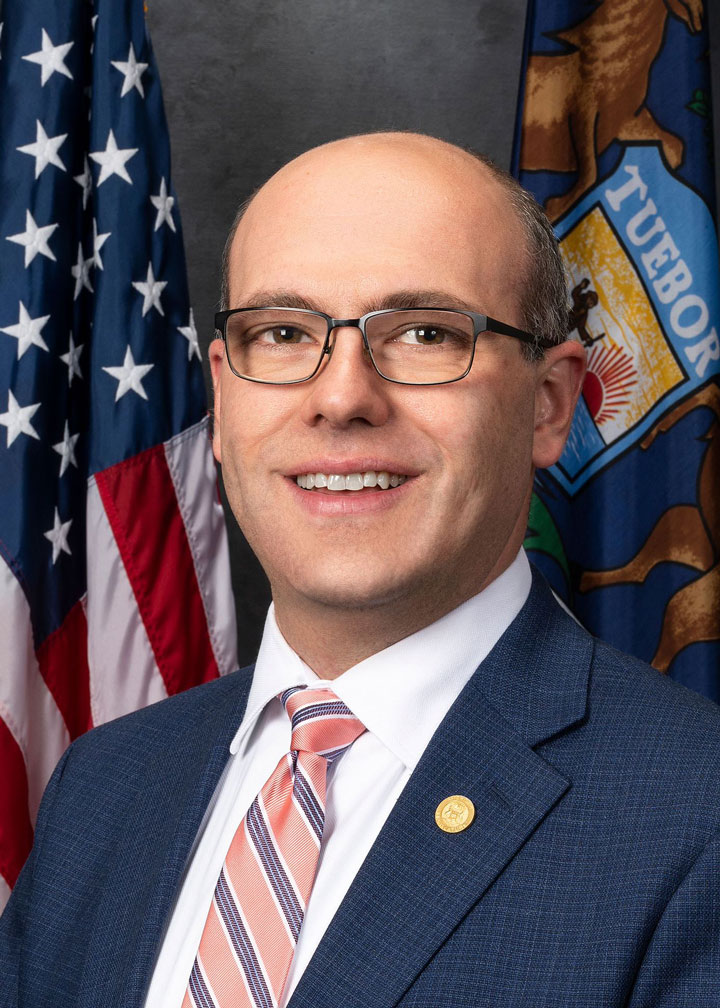
John Cherry
Senate · District 27
|
D |
Strong +
|
97% | 95 |
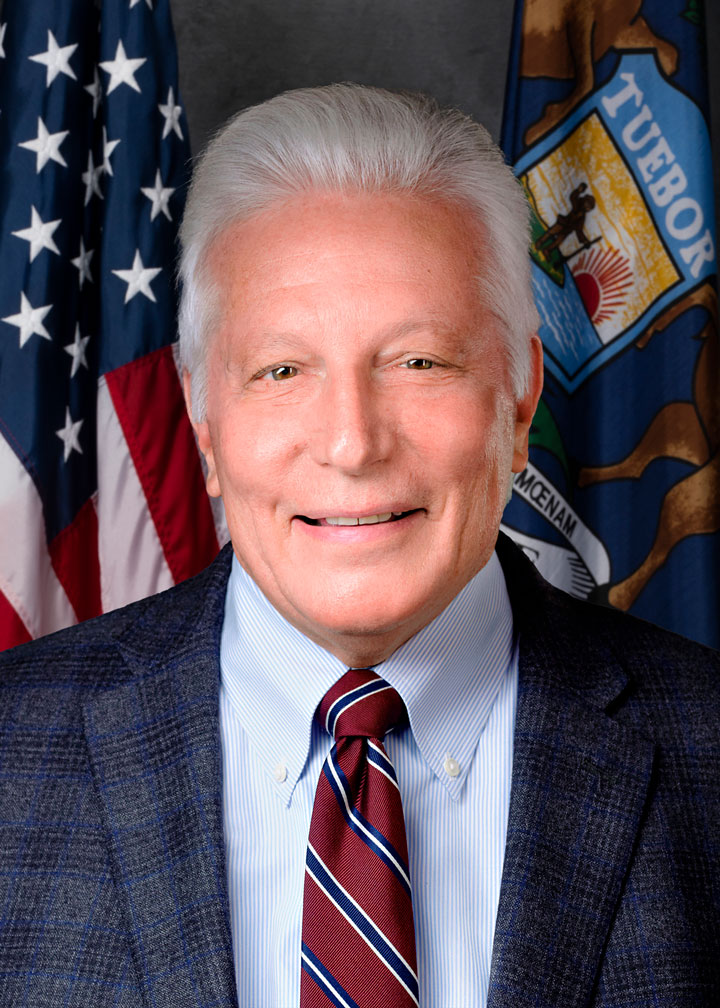
Paul Wojno
Senate · District 10
|
D |
Strong +
|
97% | 94 |
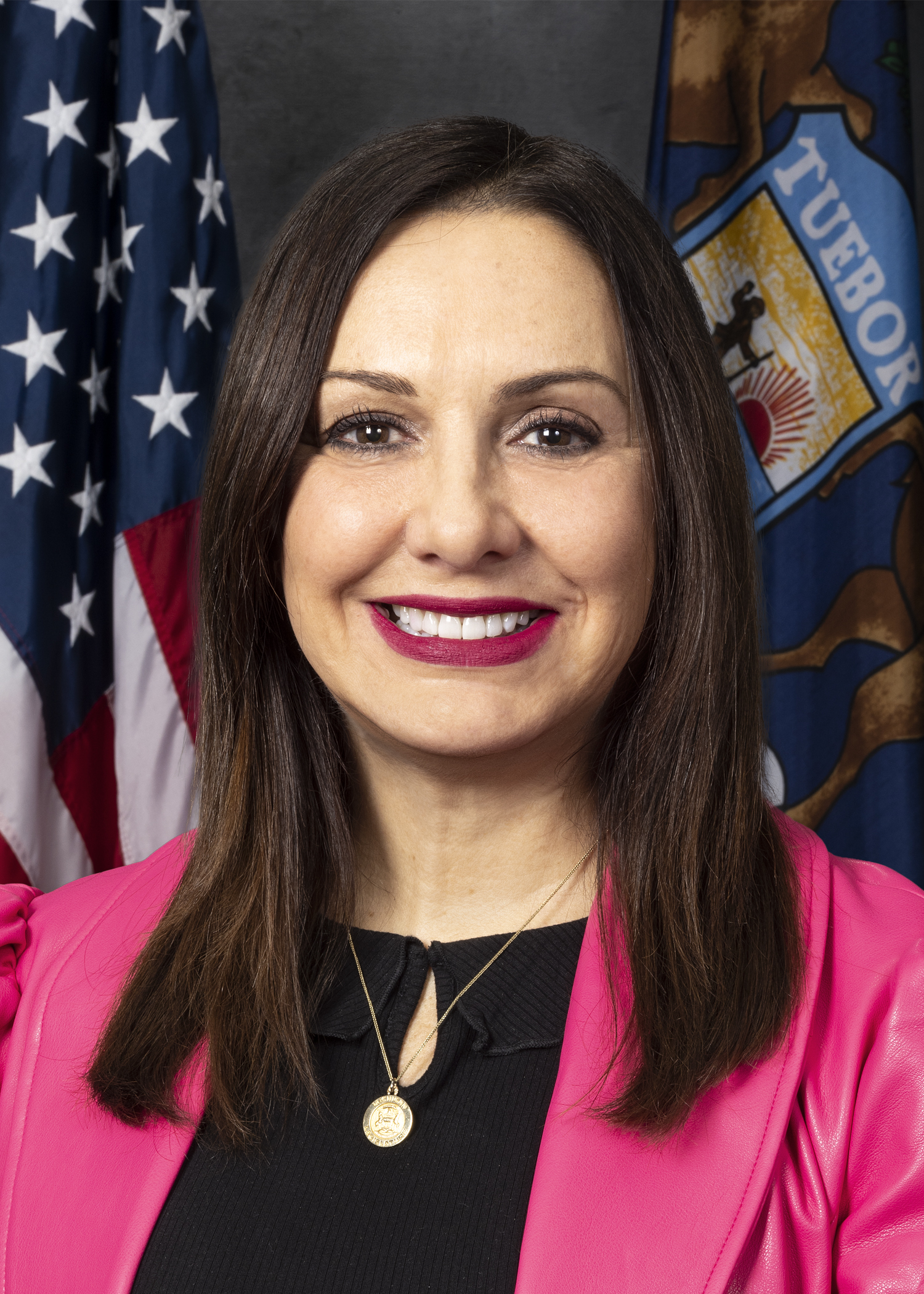
Dayna Polehanki
Senate · District 5
|
D |
Strong +
|
97% | 93 |

Sarah Anthony
Senate · District 21
|
D |
Strong +
|
95% | 97 |
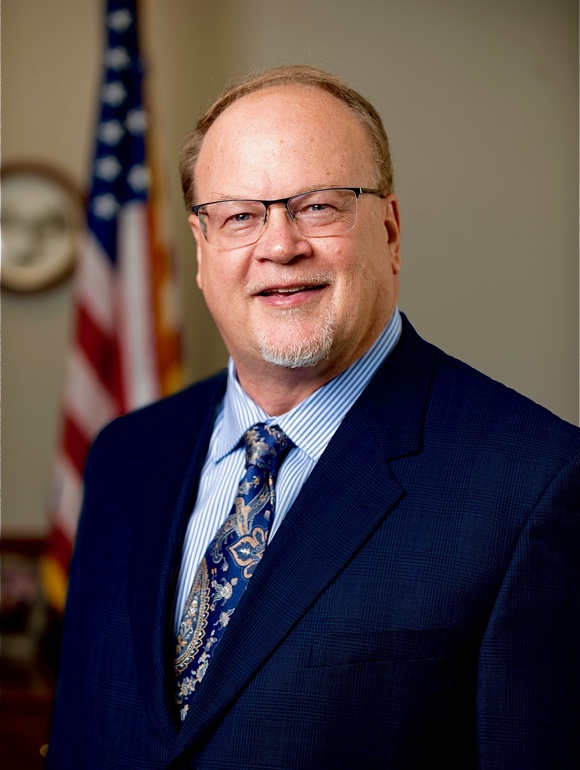
Jim Runestad
Senate · District 23
|
R |
Strong −
|
6% | 73 |

Lana Theis
Senate · District 22
|
R |
Strong −
|
10% | 94 |

Thomas Albert
Senate · District 18
|
R |
Strong −
|
11% | 95 |

Jonathan Lindsey
Senate · District 17
|
R |
Strong −
|
11% | 94 |

Michele Hoitenga
Senate · District 36
|
R |
Strong −
|
11% | 92 |
Showing 381–390 of 639
bills
All budget & taxes bills
HB 4563: Appropriations: department of health and human services; appropriations for fiscal year 2025-2026; provide for. Creates appropriation act.
Topics
✓ Budget & TaxesSupports Budget & TaxesAllocates state funds for HHS programs, directly supporting budgetary funding for public health services without tax changes or program cuts.
✓ HealthcareSupports HealthcareAllocates state funding for existing health programs (Medicaid, public health) without restrictions, directly advancing service delivery per bill summary.
HB 4771: Economic development: other; certain funds directed to SOAR or CIP; require to be returned to the general fund. Amends secs. 88s & 88t of 1984 PA 270 (MCL 125.2088s & 125.2088t). TIE BAR WITH: HB 4773'25
Sub-Topics
State Budget
HB 4038: Insurance: other; allocation of revenue under the insurance provider assessment act; modify. Amends sec. 13 of 2018 PA 175 (MCL 550.1763). TIE BAR WITH: HB 4037'25
Topics
✓ Budget & TaxesSupports Budget & TaxesRedirects insurance assessment revenue to fund Medicaid capitation ($14M/year) and health data utility ($6M-$8M), directly allocating existing funds to public health programs and fiscal management.
✓ HealthcareSupports HealthcareRedirects insurance assessment funds to Medicaid capitation ($14M/yr), offset health insurance revenue loss, and funds health data utility ($6M-$8M), directly advancing healthcare funding and infrastructure.
Sub-Topics
Public Health
SB 280: Vehicles: registration; recreation passport fee; make mandatory. Amends sec. 805 of 1949 PA 300 (MCL 257.805). TIE BAR WITH: SB 281'25
SB 425: Higher education: community colleges; remission of new jobs credit from withholding to community college districts; clarify application to professional employer organizations. Amends secs. 161 & 163 of 1966 PA 331 (MCL 389.161 & 389.163). TIE BAR WITH: SB 426'25
Topics
✓ Budget & TaxesSupports Budget & TaxesRedirects payroll withholdings to fund community college job training programs, directly allocating existing tax revenue to public education services.
✓ EducationSupports EducationRedirects employer payroll withholdings to fund community college job training programs, increasing direct funding for higher education workforce development.
✓ Labor & EmploymentSupports Labor & EmploymentRedirects payroll withholdings to community college job training programs, requires new jobs pay ALICE living wage, and defines 'new job' to create net employment opportunities.
HB 4952: Use tax: distribution; distribution of money to the local government reimbursement fund; modify. Amends sec. 21 of 1937 PA 94 (MCL 205.111).
Topics
✓ Budget & TaxesSupports Budget & TaxesDirects 35% and 65% of aviation fuel tax revenue to aeronautics/airport funds and mandates $75M/$25M annual deposits to local government reimbursement fund, increasing public infrastructure funding.
✓ TransportationSupports TransportationDirects aviation fuel tax revenue to airport funds (transportation infrastructure) and mandates annual deposits to local government reimbursement fund, supporting transportation infrastructure funding.
HB 4957: State finance: bonds; tobacco settlement funds; modify. Amends sec. 7 of 2000 PA 489 (MCL 12.257).
Sub-Topics
State Budget
HB 4979: Use tax: collections; application of use tax to advertising services; provide for. Amends secs. 3 & 21 of 1937 PA 94 (MCL 205.93 & 205.111) & adds sec. 3g.
Sub-Topics
Sales Tax
SB 553: Economic development: tax increment financing; water resource improvement authorities; modify. Amends secs. 703, 705 & 710 of 2018 PA 57 (MCL 125.4703 et seq.).
Topics
✓ Budget & TaxesSupports Budget & TaxesExpands TIF use to fund water resource infrastructure, enabling local spending on essential public projects via existing tax increment revenues.
✓ EnvironmentSupports EnvironmentBill explicitly funds water resource projects including shoreline protection, invasive species control, and stormwater systems via TIF, advancing environmental conservation and pollution control.