Issue · Budget & Taxes

Budget & Taxes

Every budget & taxes bill, vote, and legislator stance in Michigan, automatically classified by Maddy, our AI policy reader.

Total bills
430
119th Congress
Top supporter
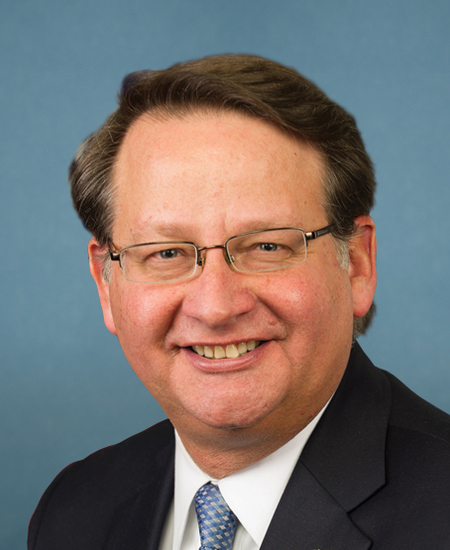
Gary C. Peters
69% support rate
Top opponent
Kristen McDonald Rivet
15% support rate
Ranked legislators
10
5 support · 5 oppose
Key legislators

Who's moving budget & taxes in Michigan

Legislators moving budget & taxes in Michigan
Legislator Party Stance Support rate Votes
Gary C. Peters
Gary C. Peters Senate
D
Support
69% 273
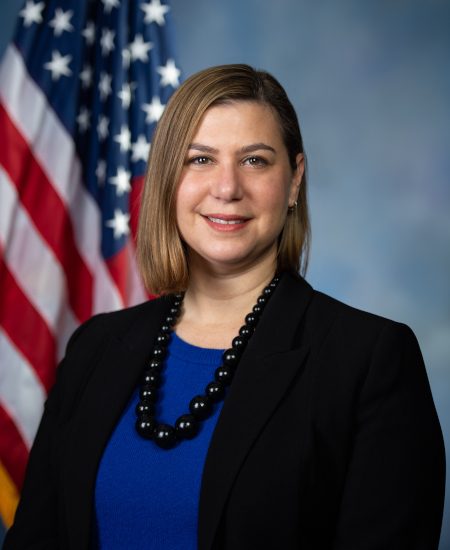
Elissa Slotkin
Elissa Slotkin Senate
D
Support
67% 271
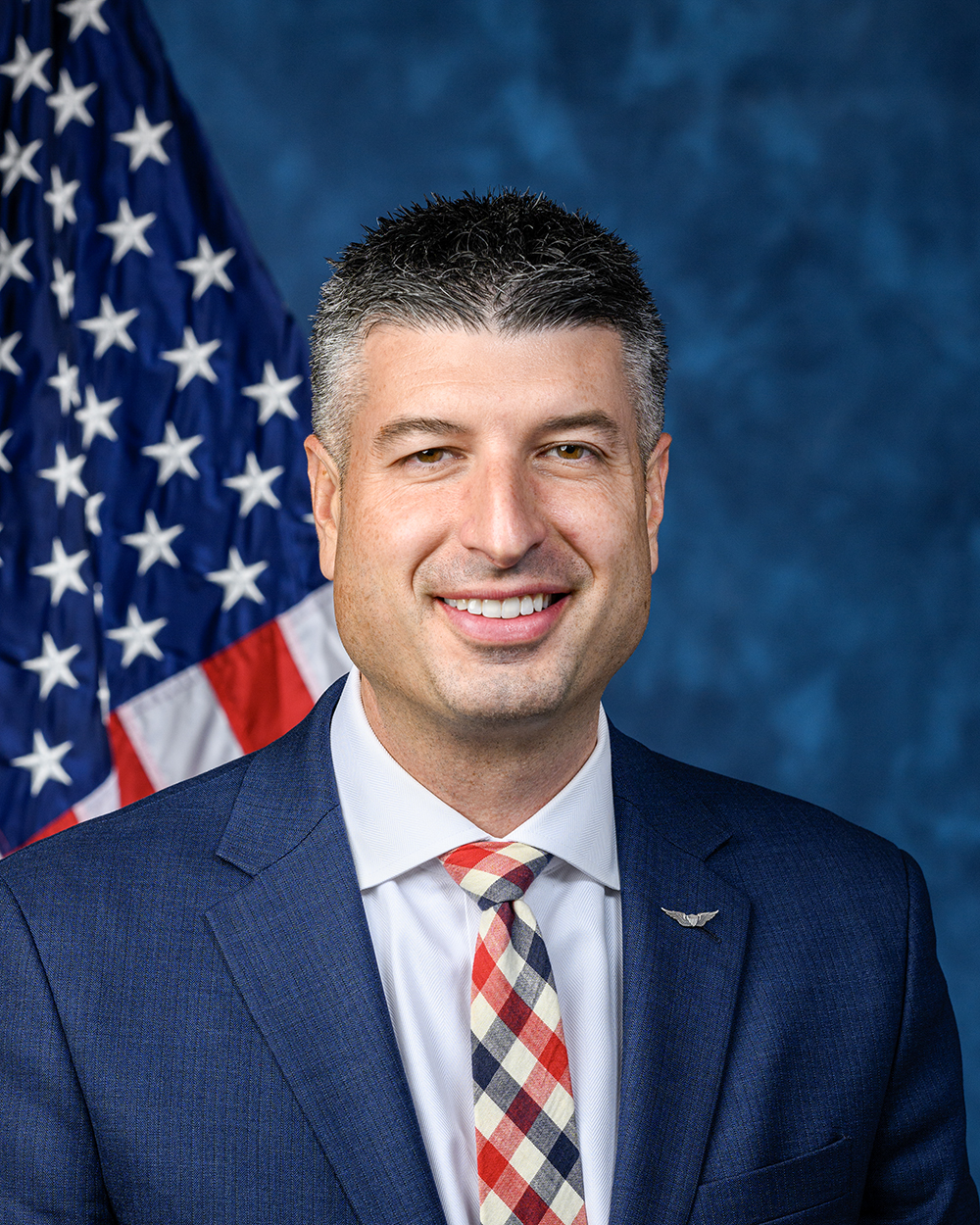
Tom Barrett
Tom Barrett House · District 7
R
Support
66% 185
John James
John James House · District 10
R
Support
66% 181
Lisa C. McClain
Lisa C. McClain House · District 9
R
Support
64% 183
Kristen McDonald Rivet
Kristen McDonald Rivet House · District 8
D
Strong −
15% 178
Hillary J. Scholten
Hillary J. Scholten House · District 3
D
Strong −
16% 184
Haley M. Stevens
Haley M. Stevens House · District 11
D
Strong −
18% 186
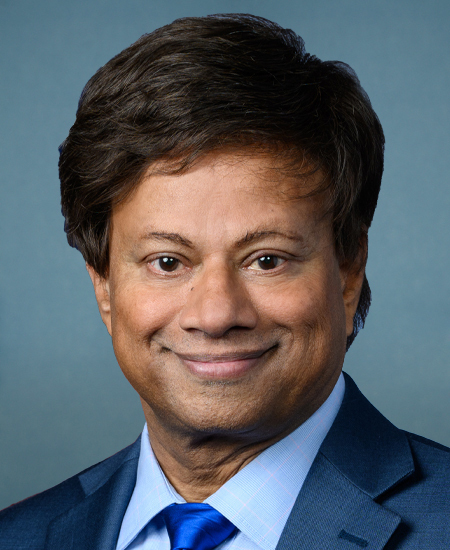
Shri Thanedar
Shri Thanedar House · District 13
D
Strong −
18% 186
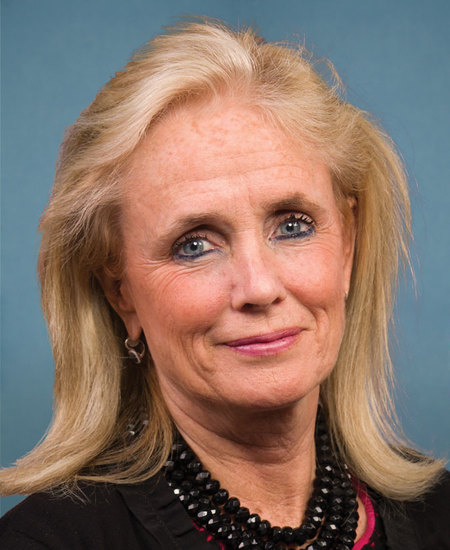
Debbie Dingell
Debbie Dingell House · District 6
D
Strong −
20% 179
Showing 1–10 of 430 bills

All budget & taxes bills

in committee · United States · House Sep 10, 2026

HR 10327: Cost Estimates Improvement Act

The Cost Estimates Improvement Act requires the Congressional Budget Office and the Joint Committee on Taxation to include public debt servicing costs in their financial estimates, to the extent practicable. This change directly affects federal budgeting processes by ensuring that the interest payments on national debt are factored into official cost projections for new legislation. The bill amends the Congressional Budget and Impoundment Control Act of 1974 to mandate this specific inclusion in all future estimates prepared by these two bodies.
in committee · United States · House Sep 10, 2026

HR 10347: Data Science and Literacy Act of 2026

The Data Science and Literacy Act of 2026 establishes a competitive grant program administered by the Secretary of Education to support state agencies, local school districts, tribal schools, and higher education institutions in expanding data literacy and statistics education from pre-kindergarten through postsecondary levels. Eligible recipients must use funds for activities such as developing new curricula, providing professional development for teachers, and creating partnerships with industry or community organizations to reduce access gaps for underrepresented students. The bill authorizes $10 million annually for fiscal years 2027 through 2031, requiring grantees to submit biannual reports on student outcomes disaggregated by race, ethnicity, gender, and income status. Additionally, the legislation amends existing federal law to require the collection of demographic and background data on secondary school STEM teachers in each state every five years.
Sub-Topics K-12 Education
in committee · United States · House Sep 3, 2026

HR 10256: Taxpayer Relief from Big Oil Act

The Taxpayer Relief from Big Oil Act would eliminate existing royalty relief programs for oil and gas companies operating in the Gulf of Mexico and Alaska, requiring these firms to pay full royalties on their production. The bill also mandates that the Department of Interior establish standardized transportation cost deductions for calculating royalties on federal lands and offshore waters, capping these deductions at either 30 percent of the total value of production or actual reasonable costs, whichever is lower. Additionally, the legislation requires the Bureau of Land Management and the Bureau of Ocean Energy Management to submit annual reports to Congress detailing the number of royalty relief applications processed, approved wells, and estimated impacts on government revenue.
in committee · United States · House Jul 27, 2026

HR 9958: Head Start Expansion and Improvement Act of 2026

The Head Start Expansion and Improvement Act of 2026 broadens eligibility for early childhood education services by including recipients of various public assistance programs, such as food stamps and Medicaid, in the definition of qualifying families. The bill authorizes $36 billion annually from fiscal years 2027 through 2032 to support these expanded operations and creates a separate grant program providing $1 billion per year until 2030 for agencies to repair or upgrade aging facilities with safety hazards. Additionally, the legislation establishes a loan forgiveness program that cancels federal student loans for childcare workers who complete three years of full-time service in Head Start or Early Head Start programs. Finally, it authorizes $6.8 billion annually through 2032 to provide salary supplements to Head Start employees, with funding allocated based on local wage gaps and cost-of-living factors.
in committee · United States · House Aug 27, 2026

HR 10162: STORMWATER Act

The STORMWATER Act extends the funding period for stormwater control infrastructure technology centers from fiscal years 2022-2026 to 2027-2031. It mandates that exactly five of these centers be established, rather than a range of three to five as previously allowed. Additionally, the bill requires that one of the designated centers be located in and focused on the Great Lakes region.
Sub-Topics Water Quality
in committee · United States · House Sep 3, 2026

HR 10277: Access to School Supplies Act of 2026

The Access to School Supplies Act of 2026 establishes a five-year pilot program that provides competitive grants to up to ten local school districts serving high-poverty schools. These funds are intended to help districts purchase books, supplies, and other materials for students and instructional staff at no cost. The legislation authorizes $100 million annually from fiscal years 2027 through 2031 and requires recipients to submit annual reports detailing how the money was spent and which schools benefited. A small portion of the total funding is reserved for outlying areas and Bureau of Indian Education schools, while the program sunsets on September 30, 2031.
in committee · United States · House Jul 23, 2026

HR 9912: Industrial Bank for American Manufacturing Act of 2026

This bill establishes the Industrial Bank for American Manufacturing, a Treasury fund that can receive up to $15 billion annually from tariffs on goods from China and future congressional appropriations. The Secretary of Commerce is authorized to use these funds to provide loans, equity investments, or grants to U.S.-based manufacturers working in industries deemed critical for national security or supply chain resilience. To qualify, manufacturers must certify they have no tax liabilities or ties to prohibited foreign entities and agree to specific conditions, such as paying prevailing wages, hiring apprentices, and using funds only for domestic operations. The legislation also sets a $500 million cap on individual awards, requires public reporting on all grants, and limits the program's authority to ten years.
in committee · United States · House Jan 13, 2026

HR 6061: American Farmers First Act

This bill prohibits the use of a federal fund to provide financial support to Argentina's markets, including currency swaps or debt purchases, with existing contracts requiring termination within 7 days. It redirects funds from this prohibition - specifically from the sale or termination of affected financial instruments - to create a one-time economic relief program for U.S. crop producers. The program provides payments to farmers who experienced export market losses for specific crops during the 2025 marketing year, as determined by the Secretary of Agriculture. The relief targets direct economic impacts on agricultural producers tied to lost exports, not broader market interventions.
in committee · United States · House Jun 30, 2026

HR 9540: Community Housing Act of 2026

The Community Housing Act of 2026 aims to increase the supply and affordability of housing by directing significant new federal funding to programs like the Housing Trust Fund and the Capital Magnet Fund. It establishes a new Office of Community Land Use and Zoning within HUD to help states and localities reform restrictive zoning laws that limit housing development. The bill also expands financial support for rural areas, creates a new fund to promote shared equity and community land trusts, and removes a legal cap on the number of public housing units agencies can manage. Additionally, it provides grants to protect tenants from eviction and authorizes low-cost financing options for affordable housing projects.
in committee · United States · House Jul 23, 2026

HR 9824: Daycare Not Detentions Act of 2026

The Daycare Not Detentions Act of 2026 provides additional funding to the Department of Health and Human Services to support child care programs, including the Child Care and Development Block Grant, Head Start, and preschool development grants. These funds are intended to help states and organizations cover necessary expenses for these programs through fiscal year 2029. The bill also rescinds $70 billion in previously allocated money for U.S. Customs and Border Protection and U.S. Immigration and Customs Enforcement that has not yet been spent. Overall, the legislation redirects federal resources toward early childhood education and care rather than immigration enforcement activities.
Showing 1 to 10 of 430 bills
1 2 3 43 Next