

Issue · Environment
Environment
Every environment bill, vote, and legislator stance in Kentucky, automatically classified by Maddy, our AI policy reader.
Total bills
52
119th Congress
Top supporter
Morgan McGarvey
64% support rate
Top opponent
Rand Paul
25% support rate
Ranked legislators
6
1 support · 5 oppose
Key legislators
Who's moving environment in Kentucky
| Legislator | Party | Stance | Support rate | Votes |
|---|---|---|---|---|

Morgan McGarvey
House · District 3
|
D |
Support
|
64% | 305 |

Rand Paul
Senate
|
R |
Oppose
|
25% | 231 |

Mitch McConnell
Senate
|
R |
Oppose
|
26% | 210 |
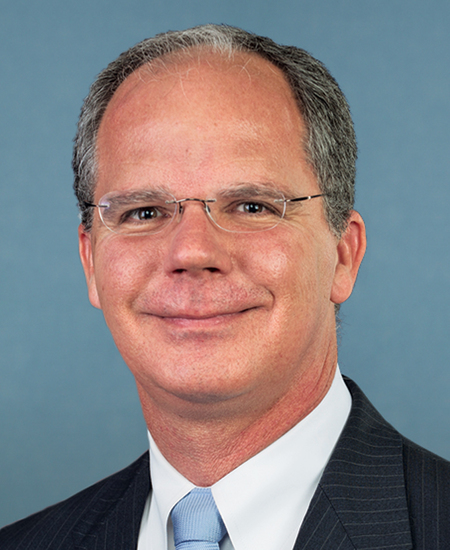
Brett Guthrie
House · District 2
|
R |
Oppose
|
30% | 305 |

Harold Rogers
House · District 5
|
R |
Oppose
|
31% | 301 |
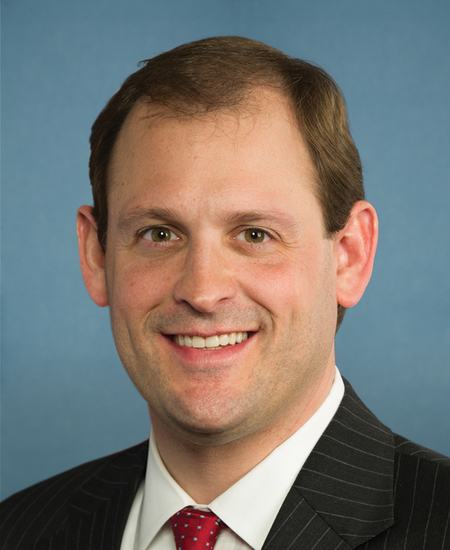
Andy Barr
House · District 6
|
R |
Oppose
|
39% | 293 |
Showing 1–10 of 52
bills
All environment bills
HR 9807: Americans vs. Poisonous Pesticides Act
Topics
✓ EnvironmentSupports EnvironmentThe bill strengthens environmental protection by allowing state courts to hear lawsuits regarding pesticide risks and enabling label updates for new safety information.
✓ HealthcareSupports HealthcareThe bill allows state lawsuits regarding pesticide health risks and facilitates label updates for new safety info, indirectly supporting public health protections.
S 5262: Defense of Environment and Property Act of 2026
HR 9250: Great American Outdoors Act 250
Topics
✓ Budget & TaxesSupports Budget & TaxesBill establishes a dedicated funding mechanism for federal land maintenance using recreation fees and energy income, directly strengthening fiscal management for public services.
✓ EnvironmentSupports EnvironmentBill funds infrastructure repair on federal lands, directly supporting conservation and environmental protection.
✓ TransportationSupports TransportationBill funds repair of critical infrastructure including roads and trails managed by federal agencies, directly advancing transportation maintenance.
HR 9036: American High-Speed Rail Act
Topics
✓ Budget & TaxesSupports Budget & TaxesBill explicitly authorizes billions in federal grants to fund high-speed rail projects, directly advancing the budget topic through increased government spending.
✓ EnvironmentSupports EnvironmentHigh-speed rail reduces reliance on fossil-fuel-powered cars and trucks, lowering greenhouse gas emissions and promoting sustainable transportation.
✓ TransportationSupports TransportationBill explicitly expands federal funding and streamlines regulations for high-speed rail projects, directly advancing transportation infrastructure.
Sub-Topics
Rail
HR 7977: Energy Bills Relief Act
Topics
✓ Budget & TaxesSupports Budget & TaxesBill restores tax incentives and increases funding for weatherization and low-income heating assistance, directly supporting budget and tax relief goals.
✓ EnergySupports EnergyBill explicitly aims to lower energy costs, restore tax incentives for renewables, and streamline permitting for clean energy projects.
✓ EnvironmentSupports EnvironmentBill promotes clean energy, restores renewable tax incentives, and streamlines permitting for wind, solar, and storage projects.
HR 8739: Brownfields Revitalization for a Better Tomorrow Act
Topics
✓ Budget & TaxesSupports Budget & TaxesBill explicitly increases funding for brownfield remediation and mandates audits, directly advancing the budget topic by allocating resources to essential environmental programs.
✓ EnvironmentSupports EnvironmentBill expands funding for cleaning contaminated properties, directly reducing pollution and protecting environmental health.
✓ VeteransSupports VeteransBill prioritizes brownfield projects on former military bases, aiding veteran transition and community revitalization.
HR 8397: Protecting Moms and Babies Against Climate Change Act
Topics
✓ EnvironmentSupports EnvironmentBill funds cooling resources and health education to mitigate climate-related health risks like extreme heat and air pollution.
✓ HealthcareSupports HealthcareBill allocates $105M to fund cooling resources and health services for vulnerable mothers and babies, directly strengthening healthcare access.
HR 7340: Rebuild America’s Schools Act of 2026
Topics
✓ Budget & TaxesSupports Budget & TaxesBill authorizes $20B annual federal funding for public school facility improvements, increasing government spending on essential public education services.
✓ EducationSupports EducationBill allocates $20B annually (2027-2031) for public school facility upgrades, prioritizing safety, energy efficiency, and accessibility in schools serving low-income students.
✓ EnergySupports EnergyBill explicitly prioritizes energy efficiency in school facility projects, aligning with energy efficiency investments and infrastructure improvements.
✓ EnvironmentSupports EnvironmentBill includes funding for energy efficiency improvements in school facilities, which indirectly supports environmental conservation and reduced energy consumption.