Issue · Budget & Taxes

Budget & Taxes

Every budget & taxes bill, vote, and legislator stance in Iowa, automatically classified by Maddy, our AI policy reader.

Total bills
30
119th Congress
Top supporter
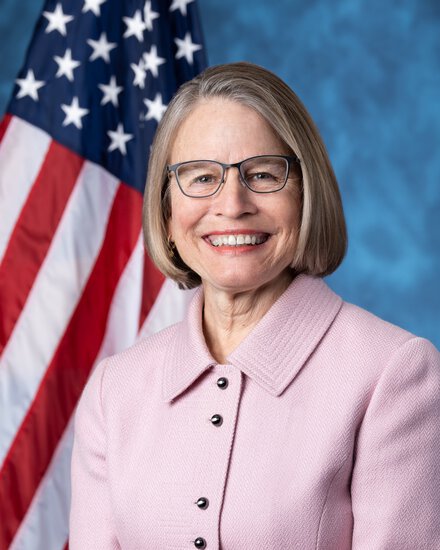
Mariannette Miller-Meeks
66% support rate
Top opponent
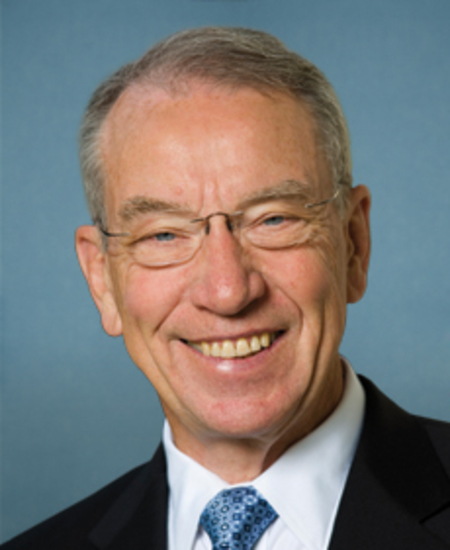
Chuck Grassley
33% support rate
Ranked legislators
6
4 support · 2 oppose
Key legislators

Who's moving budget & taxes in Iowa

Legislators moving budget & taxes in Iowa
Legislator Party Stance Support rate Votes
Mariannette Miller-Meeks
Mariannette Miller-Meeks House · District 1
R
Support
66% 184
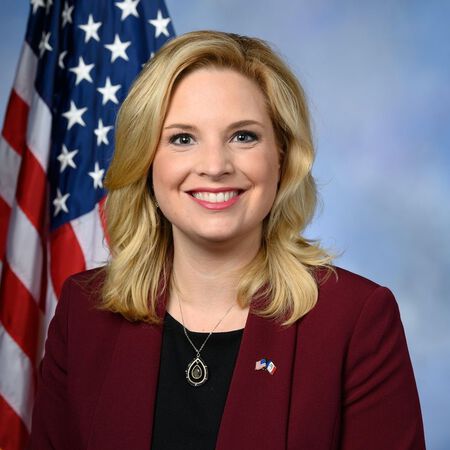
Ashley Hinson
Ashley Hinson House · District 2
R
Support
63% 186
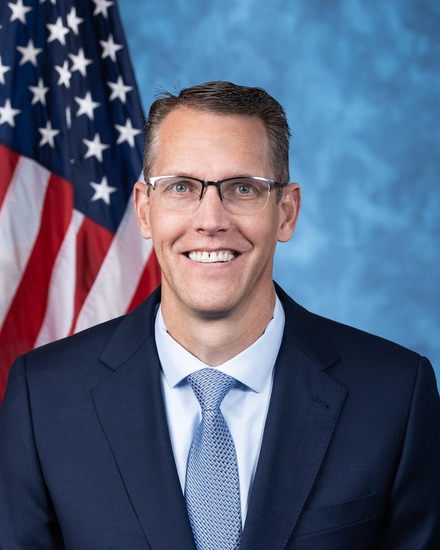
Randy Feenstra
Randy Feenstra House · District 4
R
Support
63% 184
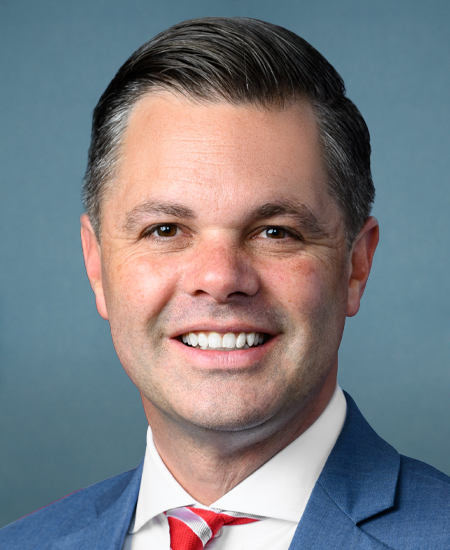
Zachary Nunn
Zachary Nunn House · District 3
R
Support
61% 180
Chuck Grassley
Chuck Grassley Senate
R
Oppose
33% 256
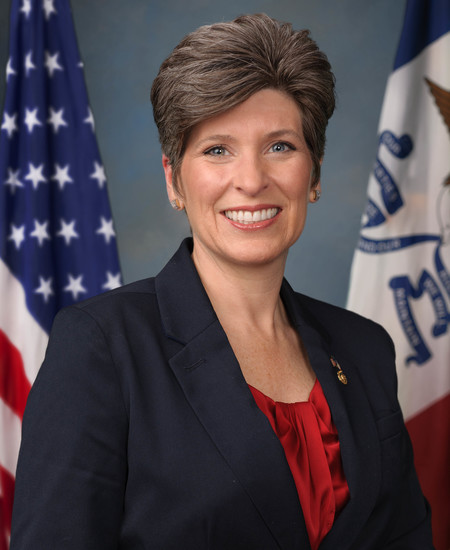
Joni Ernst
Joni Ernst Senate
R
Oppose
34% 267
Showing 1–10 of 30 bills

All budget & taxes bills

in committee · United States · Senate Feb 12, 2025

S 534: Presidential Allowance Modernization Act of 2025

The Presidential Allowance Modernization Act of 2025 increases annual financial benefits for former U.S. Presidents and their surviving spouses. It sets a $200,000 annual annuity and a $200,000 annual allowance for former Presidents (replacing prior rates), and raises the surviving spouse allowance from $20,000 to $100,000 per year. Both the annuity and allowance for former Presidents will adjust annually for inflation using Social Security's cost-of-living formula. The allowance for former Presidents may be reduced if their income exceeds $400,000, but the reduction is structured to ensure the allowance remains sufficient for security costs.
in committee · United States · Senate Sep 2, 2025

S 2067: Rescissions Act of 2025

S 2067, the Rescissions Act of 2025, cancels over $7.6 billion in unobligated foreign aid funds that were previously allocated but not spent. It directly affects U.S. international programs by permanently rescinding unused balances across multiple categories, including contributions to international organizations, global health initiatives, refugee assistance, economic support, and disaster aid. The bill targets specific line items from the 2024 and 2025 appropriations acts, such as $2.5 billion for Development Assistance and $800 million for Migration and Refugee Assistance. These rescissions take effect immediately upon the bill’s enactment, reducing available funding for these programs without altering their underlying policy structure.
in committee · United States · House Jan 9, 2025

HR 272: Protecting Life and Taxpayers Act of 2025

HR 272, the Protecting Life and Taxpayers Act of 2025, prohibits federal funding (directly or indirectly) to any organization that performs or funds abortions, requiring certification from all recipients. This applies to entities receiving federal funds, including contractors and subsidiaries, with limited exceptions for pregnancies resulting from rape or incest, or when a physician certifies a life-threatening condition. The bill directly affects healthcare providers, clinics, and organizations that rely on federal grants or contracts. It changes existing funding rules by banning federal money from supporting abortion services, except in the specified medical or criminal exceptions.
Sub-Topics Women's Health
passed · United States · Senate May 9, 2025

SJRES 7: A joint resolution providing for congressional disapproval under chapter 8 of title 5, United States Code, of the rule submitted by the Federal Communications Commission relating to "Addressing the Homework Gap Through the E-Rate Program".

This joint resolution seeks to block a Federal Communications Commission (FCC) rule that aimed to expand internet access for schools through the E-Rate program, specifically addressing the "homework gap" by increasing funding for student connectivity. The rule, published in the Federal Register on August 20, 2024, would have modified how schools and libraries access broadband under the E-Rate program. If passed, the resolution would cancel this rule, preventing it from taking effect under federal disapproval procedures. This is a procedural action targeting a specific FCC regulatory change, not a new policy.
in committee · United States · House Feb 6, 2025

HR 1062: Growing and Preserving Innovation in America Act of 2025

Growing and Preserving Innovation in America Act of 2025 This bill makes permanent the increased percentage rates at which a domestic corporation may deduct (for federal tax purposes) foreign-derived intangible income and global intangible low-taxed income (GILTI). As background, for tax years beginning after 2017 and before 2026, a domestic corporation generally is allowed a tax deduction equal to the sum of (1) 37.5% of the corporation’s foreign-derived intangible income, and (2) 50% of the corporation’s GILTI and any dividends that are attributable to the corporation’s GILTI. However, under current law, the tax deduction decreases starting in 2026, to the sum of (1) 21.875% of the corporation’s foreign-derived intangible income, and (2) 37.5% of the corporation’s GILTI and any dividends that are attributable to the corporation’s GILTI. Under the bill, for tax years beginning in 2026, a domestic corporation generally may claim a tax deduction equal to the sum of (1) 37.5% of the corporation’s foreign-derived intangible income, and (2) 50% of the corporation’s GILTI and any dividends that are attributable to the corporation’s GILTI.
passed · United States · House Jan 13, 2026

HR 909: Crime Victims Fund Stabilization Act of 2025

HR 909, the Crime Victims Fund Stabilization Act of 2025, modifies how funds from the False Claims Act are deposited into the Crime Victims Fund. It specifies that from 2025 through 2029, certain False Claims Act proceeds (specifically those for qui tam plaintiff payments and government damage reimbursements) cannot be deposited into the fund. This change directly affects the composition of the Crime Victims Fund by excluding these specific revenue streams during the specified period. The bill does not create new benefits or alter victim services; it only adjusts fund allocation rules for existing False Claims Act revenues.
Sub-Topics Victims' Rights
in committee · United States · House Jan 22, 2025

HR 7: No Taxpayer Funding for Abortion and Abortion Insurance Full Disclosure Act of 2025

HR 7 prohibits federal funds from being used for abortions or health insurance plans covering abortion, with exceptions for pregnancies resulting from rape, incest, or when a woman's life is endangered. It blocks federal premium tax credits under the Affordable Care Act for health plans covering abortion (except in specified cases) and requires clear disclosure of abortion coverage and related surcharges in plan materials. The bill allows individuals or employers to purchase separate abortion coverage using non-federal funds, such as out-of-pocket payments, without affecting federal subsidies. It directly affects federal health programs, ACA marketplace plans, and health insurance issuers offering coverage that includes abortion services.
in committee · United States · House Jan 21, 2025

HR 574: ALIGN Act

The ALIGN Act (HR 574) allows businesses to immediately deduct the full cost of certain qualifying equipment and property (like machinery or tools) instead of spreading the deduction over several years. This permanent tax change directly affects businesses that invest in eligible property placed in service after September 2017. The key provision eliminates the previous depreciation rules for these assets, providing an immediate tax benefit to encourage capital investment. It does not change tax rates or apply to all business expenses, only specific types of equipment meeting the defined criteria.
in committee · United States · House Jan 3, 2025

HR 32: No Bailout for Sanctuary Cities Act

This bill denies federal funds to states or localities (sanctuary jurisdictions) that restrict sharing immigration status information or refuse to comply with federal detainer requests under specific circumstances. It specifically blocks funding intended for services like food, shelter, healthcare, legal aid, or transportation for undocumented immigrants. The funding cutoff begins 60 days after enactment or the next fiscal year start. An exception applies if a jurisdiction cooperates when an undocumented immigrant is a crime victim or witness.
in committee · United States · House Jan 31, 2025

HR 858: REVIVE VI Act

HR 858, the REVIVE VI Act, exempts certain income earned by Virgin Islands businesses from global tax rules that typically apply to foreign-owned companies. Specifically, it creates a new category of "qualified Virgin Islands services income" for Virgin Islands corporations performing services within the territory, excluding this income from the global intangible low-taxed income (GILTI) tax calculation. This directly benefits Virgin Islands-based service providers and their "specified United States shareholders" (including individuals, trusts, estates, or closely held C corporations that owned the business before 2023). The change reduces tax liability for qualifying businesses operating in the U.S. Virgin Islands, aiming to boost local economic activity.
Showing 1 to 10 of 30 bills
1 2 3 Next