Issue · Healthcare

Healthcare

Every healthcare bill, vote, and legislator stance in Indiana, automatically classified by Maddy, our AI policy reader.

Total bills
410
119th Congress
Top supporter
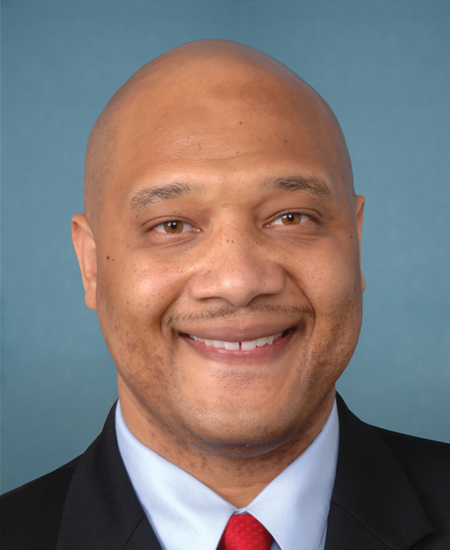
André Carson
67% support rate
Top opponent
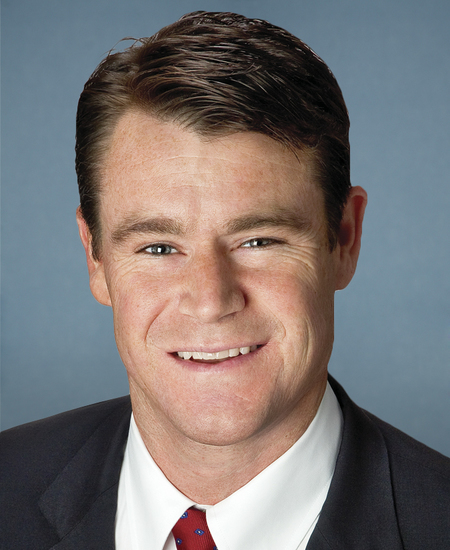
Todd Young
24% support rate
Ranked legislators
7
2 support · 5 oppose
Key legislators

Who's moving healthcare in Indiana

Legislators moving healthcare in Indiana
Legislator Party Stance Support rate Votes
André Carson
André Carson House · District 7
D
Support
67% 210
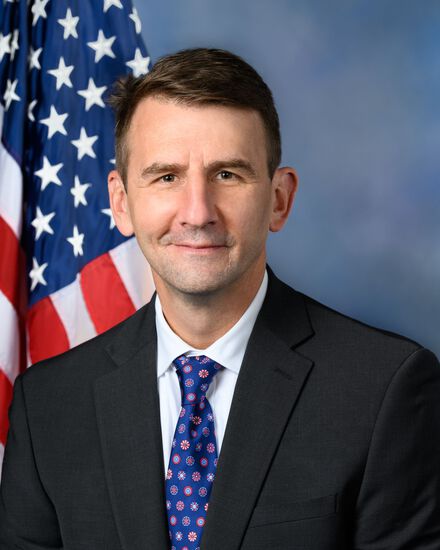
Frank J. Mrvan
Frank J. Mrvan House · District 1
D
Mixed
56% 204
Todd Young
Todd Young Senate
R
Oppose
24% 223
Jim Banks
Jim Banks Senate
R
Oppose
25% 221
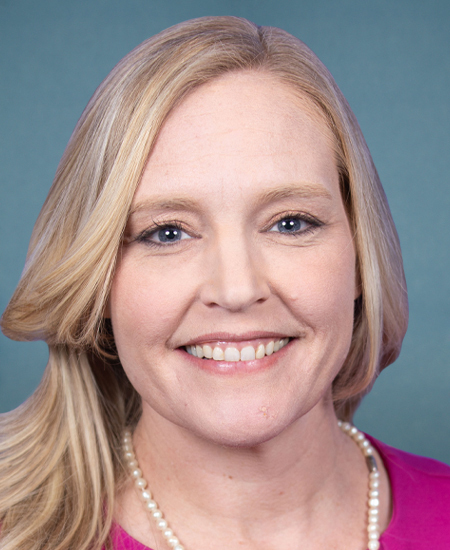
Erin Houchin
Erin Houchin House · District 9
R
Oppose
33% 204
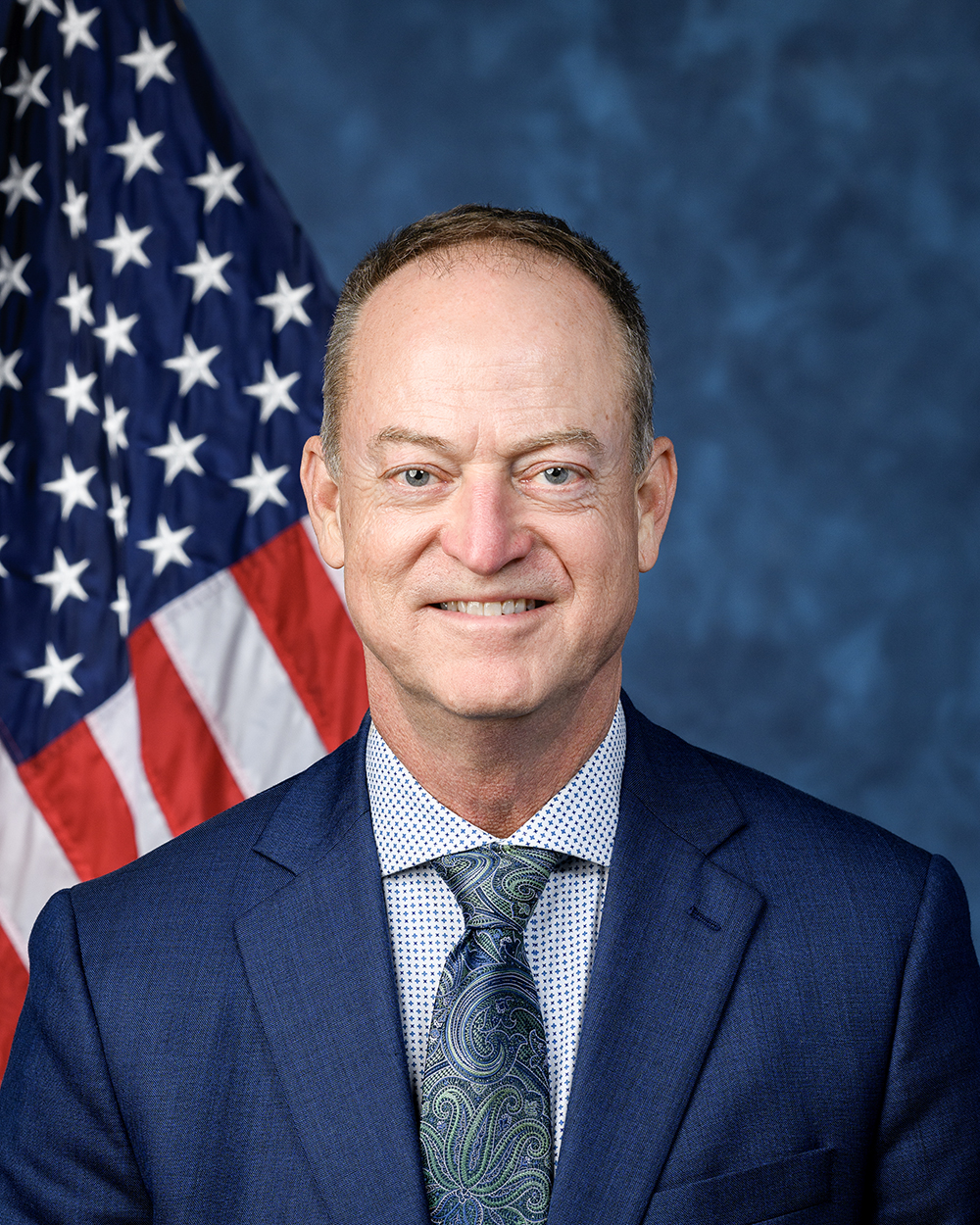
Marlin A. Stutzman
Marlin A. Stutzman House · District 3
R
Oppose
33% 208
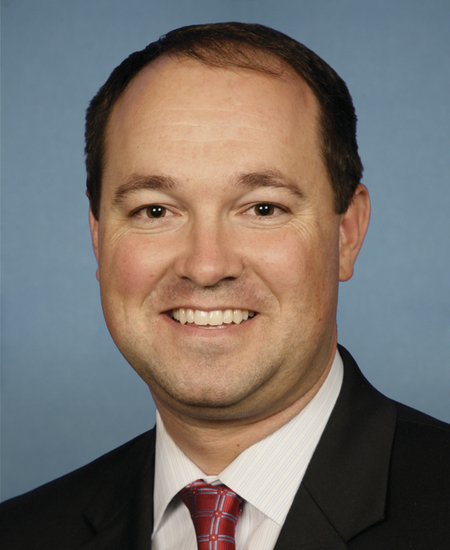
Mark B. Messmer
Mark B. Messmer House · District 8
R
Oppose
33% 209
Showing 1–10 of 410 bills

All healthcare bills

in committee · United States · House Sep 8, 2026

HRES 1514: Recognizing suicide as a serious public health problem, expressing support for the designation of September 8, 2026, as "988 Day" and the role of the 988 Suicide and Crisis Lifeline, and for other purposes.

This House resolution formally recognizes suicide as a significant public health issue in the United States and highlights the impact of the 988 Suicide and Crisis Lifeline on individuals and communities. It commends the establishment of the 988 number as a nationwide three-digit dialing code for crisis support, noting its role in connecting people to mental health resources. The bill supports the designation of September 8, 2026, as "988 Day" to raise awareness about the service and promote access to mental health care. Additionally, it encourages continued public education and federal, state, and local efforts to expand crisis intervention programs for high-risk populations.
in committee · United States · House Sep 10, 2026

HRES 1528: Recognizing suicide as a serious public health problem and expressing support for the designation of September, 2026, as "National Suicide Prevention Month" as well as September 10, 2026, as "World Suicide Prevention Day".

This House resolution formally recognizes suicide as a serious public health problem in the United States and expresses support for designating September 2026 as National Suicide Prevention Month and September 10, 2026, as World Suicide Prevention Day. The bill cites data from the CDC, SAMHSA, and the VA to highlight that suicide is a leading cause of death among young people, veterans, and during the postpartum period, while also noting the significant economic costs associated with it. It declares suicide prevention a national priority and emphasizes that mental health is as important as physical health. The resolution supports the development of strategies to improve access to quality mental health, substance abuse, and suicide prevention services for all communities.
in committee · United States · House Aug 17, 2026

HR 10113: New IDEA Act

The New IDEA Act amends the Individuals with Disabilities Education Act to expand the legal definitions of specific learning disabilities, explicitly including conditions such as dyslexia, dyscalculia, and dysgraphia. It also updates terminology for language impairments by adding developmental language disorder and clarifies that autism is part of a broader category of spectrum disorders. The bill establishes clear criteria for what constitutes a specific learning disability while excluding issues caused by factors like visual or hearing impairments, intellectual disabilities, or a lack of appropriate instruction. Additionally, it requires local educational agencies to ensure equal access to accommodations and services for eligible children from low-income households and those with limited English proficiency.
Sub-Topics Special Education Tags People with Disabilities
in committee · United States · House Sep 3, 2026

HR 10252: Launching with Healthcare Act

The Launching with Healthcare Act extends the period during which young adults must be covered under their parents' health insurance plans from age 26 to age 31. This change directly affects individuals up to age 31 and the employers or insurers providing these family coverage plans. The bill amends the Public Health Service Act to implement this new age limit, with the provision taking effect for plan years that begin after December 31, 2026.
in committee · United States · Senate Aug 5, 2026

S 5246: MATCH IT Act of 2026

The MATCH IT Act of 2026 directs the Department of Health and Human Services to create a uniform definition for patient match rates and establish a minimum data set required to accurately link patients with their medical records. These new standards would be integrated into federal health information technology certification criteria and Medicare interoperability program requirements, affecting electronic health record vendors and healthcare providers participating in these programs. To encourage adoption, the bill introduces a voluntary bonus measure within the Medicare Promoting Interoperability Program that allows eligible providers to receive payment adjustments for achieving high patient match rates, such as 90 percent or higher. Additionally, the legislation mandates the creation of an anonymous reporting program where providers can submit matching accuracy data to help the government monitor progress and adjust incentive thresholds over time.
Sub-Topics Medicare
in committee · United States · Senate Aug 5, 2026

S 5267: Accountable Produce is Medicine Act of 2026

The Accountable Produce is Medicine Act of 2026 directs the Center for Medicare and Medicaid Innovation to launch a five-year pilot program that tests a bundled payment model for chronic disease management. This initiative targets patients with conditions such as diabetes, obesity, or cardiovascular disease who reside in rural, medically underserved, or health professional shortage areas. Participating programs must provide a comprehensive package of services, including personalized nutrition counseling, remote patient monitoring, telehealth, and access to nutrient-dense foods, while prioritizing locally grown produce and regenerative agriculture. The model requires regular tracking of patient health metrics like weight and blood pressure, with the option for programs to assume financial risk for performance starting in the third year. All services under this pilot are provided without deductibles or copayments, aiming to evaluate whether these integrated food and medical interventions can improve health outcomes and reduce overall healthcare costs.
in committee · United States · Senate Jul 29, 2026

S 5172: Kidd’s Stuttering Act

The Kidd's Stuttering Act requires Medicaid and CHIP programs to include screening for childhood-onset fluency disorders, such as stuttering, in well-child visits for children aged 2 to 6. Starting in 2028, these screenings must be added to standard health quality measures, and by 2029, states must provide coverage for specific speech therapy services treating these disorders. The law ensures that coverage for stuttering therapy is not more restrictive than coverage for other speech and language disorders and allows these services to be delivered via telehealth. Additionally, managed care organizations and insurance plans must follow established rules to guarantee equal access to these treatments.
in committee · United States · House Aug 3, 2026

HRES 1475: Expressing support for the designation of the first week of August as "National Community Health Center Week", and encouraging all Americans to participate by visiting their local community health center and celebrating the important partnership between health centers and the communities they serve.

This resolution expresses support for designating the first week of August as National Community Health Center Week to honor the contributions of these facilities. It encourages all Americans to visit their local health centers during this time to celebrate the partnership between these organizations and the communities they serve. The bill highlights how community health centers provide affordable, comprehensive care to millions of people, particularly in rural and underserved areas, while integrating services like dental care, behavioral health, and pharmacy support. By recognizing these centers, the resolution aims to raise awareness of their role in improving public health outcomes and supporting local economies.
in committee · United States · Senate Jul 23, 2026

S 5127: Harley Jacobsen Clinical Trial Participant Income Exemption Act of 2026

This bill creates a tax exemption for money received by individuals who participate in approved clinical trials, allowing them to keep compensation and expense reimbursements without paying federal income tax. It also ensures that these payments are not counted as income or resources when determining eligibility for federal or federally funded assistance programs. The changes apply to any payments made after December 31, 2025, and are designed to help participants in studies covering a broader range of diseases and conditions.
in committee · United States · House Jul 21, 2026

HR 9817: Justice for Incarcerated Moms Act

The Justice for Incarcerated Moms Act aims to improve maternal health outcomes for pregnant and postpartum individuals in the criminal justice system by restricting financial incentives for states that use restraints on pregnant inmates. Under the bill, states receiving federal justice grants would face a 25 percent funding penalty if they fail to implement laws limiting the use of shackles on pregnant individuals, with those withheld funds redirected to compliant states. The legislation also directs the Bureau of Prisons and the Department of Justice to create and fund programs in at least six federal facilities and across various state and local prisons that provide specialized prenatal care, mental health support, and reentry assistance. These programs are designed to address specific health disparities, particularly for racial and ethnic minority groups, by offering culturally competent care, nutrition counseling, and opportunities to maintain contact with newborn children. Additionally, the act requires an independent oversight organization to monitor program implementation and mandates a Government Accountability Office report to analyze maternal and infant health data within the correctional system.
Showing 1 to 10 of 410 bills
1 2 3 41 Next