

Maddy summaryThe GPA Act (S 4425) establishes U.S. sanctions against Georgian officials who obstruct Georgia's path to NATO and EU membership, including those involved in significant corruption or actions undermining Georgia's sovereignty. It requires the U.S. to review and potentially suspend foreign assistance to Georgia if the government continues policies that impede democratic development, such as the controversial "foreign agents bill" that restricts civil society. The legislation includes provisions to support Georgia's democratic institutions, free elections, and civil society while emphasizing U.S. support for Georgia's territorial integrity within internationally recognized borders. It also mandates reports on disinformation, political prisoners, and corruption in Georgia, reflecting U.S. concerns about democratic backsliding and Georgia's relationship with Russia. The act includes a sunset provision, expiring five years after enactment.
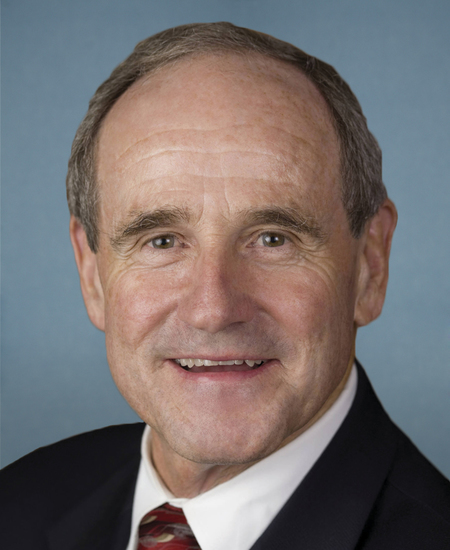
Sen. James E. Risch
Sponsored bills
Maddy summaryThis bill requires prime contractors working with the government to use plain writing when soliciting subcontractors, directly affecting small businesses seeking subcontract opportunities. It mandates that all subcontract solicitations and related subcontracts must be written clearly and simply, as defined by the 2010 Plain Writing Act. If a contractor fails to comply, they must provide a corrected solicitation in plain writing within 30 days of a Small Business Administration (SBA) determination. The SBA must issue regulations within 90 days to implement these requirements.
Maddy summaryThis joint resolution (SJRES 58) seeks congressional disapproval of a Department of Energy rule establishing new energy efficiency standards for consumer furnaces. It targets the specific rule published in the Federal Register on December 18, 2023 (88 Fed. Reg. 87502), which set requirements for furnace manufacturers. If passed, the resolution would nullify this rule, preventing it from taking effect and requiring the Department of Energy to withdraw the standards. The resolution directly affects furnace manufacturers and consumers by halting the implementation of these new efficiency requirements.
Maddy summaryThis Senate resolution (SRES 174) condemns Eswatini's government for its human rights abuses and specifically the killing of activist Thulani Maseko on January 21, 2023. It calls on Eswatini to investigate Maseko's murder fully and impartially, end harassment of human rights advocates, uphold freedoms of speech and assembly, and begin a credible national dialogue on democratic reforms. The resolution also urges the U.S. government to support human rights defenders and consider sanctions against those violating rights. As a non-binding resolution, it does not create new laws but expresses the Senate's position and demands specific actions from Eswatini's government.
Maddy summaryThis bill establishes the Southern Border Wall Construction Fund in the Treasury, using unobligated funds from the Coronavirus State and Local Fiscal Recovery Funds (originally allocated for pandemic relief). The Secretary of Homeland Security would direct these funds to build and maintain physical barriers along the southern U.S. border. It directly affects federal border construction efforts by redirecting existing, unused pandemic recovery money toward border barrier projects, without creating new taxes or spending.
Maddy summaryThis bill (SJRES 86) seeks congressional disapproval of a specific rule issued by the U.S. Fish and Wildlife Service regarding endangered species protections. The rule, published April 5, 2024, aimed to update regulations for interagency cooperation on endangered and threatened wildlife conservation. The resolution would block this rule from taking effect by invoking a statutory process under Title 5 of the U.S. Code that allows Congress to reject federal agency regulations. If passed, the rule would have no legal force, maintaining existing regulatory standards instead of implementing the new provisions.
Maddy summarySRES 697 is a commemorative resolution designating the week of May 12-18, 2024, as "National Police Week" in the U.S. Senate. It aligns with the 1962 law authorizing the President to designate this week, honoring law enforcement officers who have died or been injured in the line of duty. The resolution expresses support for officers, recognizes their service in protecting communities, and encourages public observance to honor their mission and sacrifices. It does not create new policies or affect specific groups, as it is purely ceremonial.
Maddy summarySRES 699 is a ceremonial Senate resolution congratulating students, parents, teachers, and leaders of U.S. charter schools for their contributions to education during the 25th Annual National Charter Schools Week (May 12-18, 2024). It does not create new laws or policies; instead, it symbolically recognizes charter schools’ role in providing public education options and improving student outcomes, as noted in the resolution’s background statements. The resolution directly addresses the charter school community and encourages public celebration of National Charter Schools Week. It is a non-binding expression of support, not a legislative action affecting any specific group or policy.
Maddy summarySJRES 79 is a joint resolution that would block a Department of Labor rule published in April 2024. The rule would have required financial advisors to act in the best interest of retirement account holders when providing investment advice, expanding the scope of who must meet this standard. If passed, the resolution would prevent the rule from taking effect by invoking a congressional disapproval process under Title 5, U.S. Code. This directly affects retirement advisors and the standards they must follow when giving retirement investment guidance.
Maddy summaryThis joint resolution (SJRES 80) seeks congressional disapproval of a specific rule issued by the U.S. Fish and Wildlife Service on April 5, 2024. The rule established regulations under the Endangered Species Act concerning protections for endangered and threatened wildlife. If approved, this resolution would nullify the rule, preventing it from taking effect and reversing the regulatory changes it proposed. The resolution directly affects how federal protections are applied to listed species under the Endangered Species Act.