Maddy summaryThis bill (SJRES 81) seeks congressional disapproval of a National Marine Fisheries Service rule that updated regulations for interagency cooperation on protecting endangered and threatened wildlife. The rule, published in the Federal Register on April 5, 2024, aimed to streamline how federal agencies work together on species conservation efforts. By passing this resolution, Congress would block the rule from taking effect under the procedural process outlined in Title 5 of the U.S. Code. The direct effect is preventing the National Marine Fisheries Service from implementing these specific regulatory changes for endangered species protection.
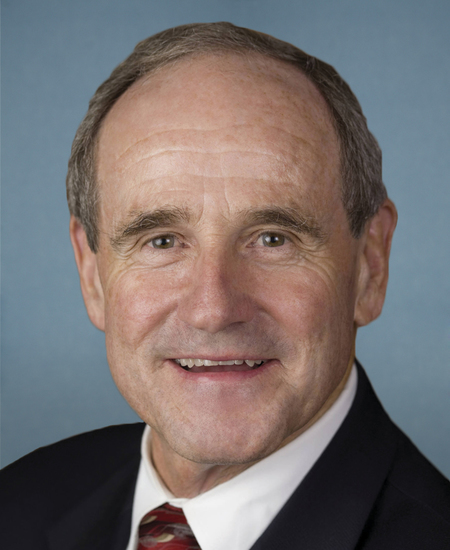
Sen. James E. Risch
Sponsored bills
Maddy summaryThis bill (SJRES 83) seeks to block a rule issued by the Bureau of Alcohol, Tobacco, Firearms, and Explosives (ATF) that redefined who qualifies as a "dealer in firearms" under federal law. The rule, published in the Federal Register on April 19, 2024, would have changed how the ATF identifies and regulates firearm sellers. If passed, the resolution would make the rule invalid, preventing it from taking effect and leaving current dealer regulations unchanged. This directly affects firearm dealers (particularly small businesses and hobbyists) and the ATF’s enforcement authority under existing law.
Maddy summaryThis joint resolution (SJRES 84) seeks congressional disapproval of a specific rule issued by the U.S. Fish and Wildlife Service (FWS) on April 5, 2024 (89 Fed. Reg. 24300). It targets the FWS rule concerning the listing of endangered/threatened species and designation of critical habitat under the Endangered Species Act. The resolution, if passed, would nullify that particular rule, preventing it from taking effect. This is a procedural measure under Chapter 8 of Title 5, U.S. Code, not a new law altering species protections.
Maddy summaryThis joint resolution (SJRES 85) seeks to block a specific rule issued by the National Marine Fisheries Service. The rule, published in the Federal Register on April 5, 2024, aimed to update protections for endangered and threatened species and designate critical habitats under the Endangered Species Act. Congress is using a statutory process (under Chapter 8 of Title 5, U.S. Code) to formally disapprove this rule, which would prevent it from taking effect. If approved, the rule would no longer have legal force, directly affecting how federal agencies manage species conservation programs.
Maddy summarySRES 687 is a non-binding Senate resolution clarifying that United Nations General Assembly Resolution 2758 (1971) only addressed which government represented China at the UN, not Taiwan's sovereignty. It explicitly states the U.S. "One China Policy" does not accept China's "One China Principle" (which claims Taiwan as part of China) and rejects China's misuse of Resolution 2758 to pressure other nations into severing ties with Taiwan. The resolution opposes China's efforts to isolate Taiwan internationally by falsely conflating the UN resolution with its territorial claims. It reaffirms U.S. support for Taiwan's meaningful participation in international organizations where statehood is not required and urges partners to counter China's misleading narratives. This resolution does not alter U.S. policy but formally distinguishes between the UN resolution and China's political stance.
Maddy summarySRES 690 is a symbolic Senate resolution designating May 15, 2024, as "National Senior Fraud Awareness Day." It aims to raise public awareness about scams targeting seniors (ages 65+), such as Social Security impersonation, Medicare fraud, and tech support scams, which cost seniors an estimated $2 billion annually. The resolution encourages existing efforts to prevent these scams and improve protections but does not create new laws or funding. It highlights that seniors report significant financial losses (e.g., $1,450 median loss for those 80+) and emphasizes collaboration between law enforcement, area agencies on aging, and financial institutions to address the issue.
Maddy summaryThis resolution (SRES 692) designates May 7, 2024, as National Fentanyl Awareness Day to raise public attention about the dangers of counterfeit fentanyl pills. It highlights alarming statistics, including that illicit fentanyl was involved in 81% of drug-induced deaths among youth aged 14-23 in 2023 and that only 36% of teens were aware of fentanyl in fake pills. The resolution does not create new laws or funding but urges increased awareness and supports law enforcement efforts against counterfeit pills. It directly aims to educate families and young people about the risks of fake pills marketed as legitimate medications.
Maddy summaryThis joint resolution (SJRES 78) seeks congressional disapproval of a Bureau of Land Management (BLM) rule issued on April 23, 2024, regarding "Fluid Mineral Leases and Leasing Process" (89 Fed. Reg. 30916). If passed, it would block the BLM rule from taking effect, preventing it from governing oil and gas leasing on federal lands. The bill directly affects energy companies and land users involved in federal mineral leasing by halting the implementation of this specific regulatory process. It is a procedural measure under federal law, not a new policy.
Maddy summaryThis bill, the No Taxpayer-Funded Pensions for Sex Criminals Act, requires federal employees convicted of certain sex crimes to forfeit their pension benefits. It applies to convictions for specific federal offenses (such as sexual abuse, exploitation, or trafficking under Title 18) and equivalent state crimes that would qualify as federal offenses. The pension forfeiture takes effect from the date of conviction or the bill's enactment date, whichever is later, for crimes committed on or after the bill's passage. The law updates existing pension rules to exclude these individuals from receiving benefits, ensuring taxpayer funds do not support pensions for such convictions.
Maddy summaryThis Senate resolution condemns violent protests on college campuses that are described as anti-American and anti-Israel. It references specific incidents like flag desecration and over 1,500 arrests since April 2024, but the resolution itself has no legal force or policy changes. The Senate expresses support for law enforcement and campus officials who restored American flags during these demonstrations. The resolution focuses on symbolic condemnation, not new laws or enforcement actions.