Maddy summaryThis bill (SJRES 94) seeks to block a proposed rule from the Department of Health and Human Services that would have changed regulations for the Unaccompanied Children Program. The rule, published in the Federal Register on April 30, 2024, aimed to update how unaccompanied alien children are placed, cared for, and provided services. If approved, this resolution would prevent the rule from taking effect, keeping existing regulations in place. It directly affects the federal program that handles minors entering the U.S. without parents or guardians. The bill does not change the program's operations but stops the proposed regulatory changes.
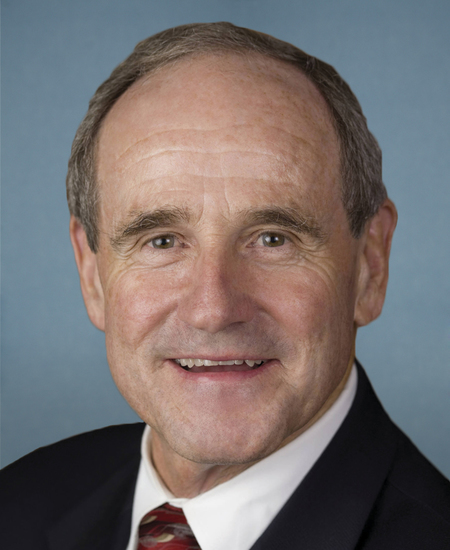
Sen. James E. Risch
Sponsored bills
Maddy summaryThis bill amends the existing Protecting Europe’s Energy Security Act of 2019 by extending a waiver period. It removes a specific subsection (f) and changes the expiration date in another provision to January 1, 2031. The bill directly affects U.S. energy-related policies tied to Europe by delaying the end of a current waiver. It does not create new energy security measures but adjusts the timeline for an existing provision. The change is procedural, with no new substantive requirements added.
Maddy summaryS 4484, the "Illegitimate Court Counteraction Act," imposes U.S. sanctions on individuals or entities supporting the International Criminal Court (ICC) in investigating or prosecuting "protected persons." It directly affects ICC officials, foreign nationals aiding ICC actions against U.S. citizens or officials from non-ICC ally nations (like Israel), and their immediate family members. Key provisions require the President to block property and deny visas to targeted individuals, while permanently rescinding all U.S. funding for the ICC. The bill defines "protected persons" as U.S. military personnel, government officials, and allied officials from nations not party to the ICC’s Rome Statute.
Maddy summaryS 4447, the "Allowing Greater Access to Safe and Effective Contraception Act," would require the FDA to prioritize review of applications for oral contraceptives intended for routine use (excluding emergency contraception or abortion-related drugs), potentially enabling over-the-counter access for adults 18 and older. It includes a fee waiver for these applications and maintains prescription requirements for individuals under 18. The bill also mandates a GAO study on federal funding for contraception across programs like Medicaid, Medicare, and Title X over the past 15 years. These provisions aim to streamline approval for accessible birth control while clarifying funding patterns.
Maddy summaryThis bill (SJRES 91) seeks to block a Centers for Medicare & Medicaid Services (CMS) rule that set minimum staffing requirements for long-term care facilities (like nursing homes) and required transparency in Medicaid payments. If passed, it would cancel the rule (89 Fed. Reg. 40876), preventing it from taking effect under a specific congressional review process. The rule directly affects long-term care providers and Medicaid programs by imposing new staffing and reporting requirements. This resolution is procedural - it does not create new law but halts the implementation of the CMS rule.
Maddy summarySRES 722 is a Senate resolution expressing gratitude for the heroism of U.S. Armed Forces members who participated in the D-Day invasion at Normandy, France, on June 6, 1944. It commemorates the 80th anniversary of this pivotal World War II operation, which helped end the war, and commends the leadership and bravery of those who fought. The resolution requests the President issue a proclamation encouraging public ceremonies to honor veterans' sacrifices and recognizes France's efforts to preserve Normandy's historical sites as a UNESCO World Heritage site. As a ceremonial resolution, it has no legal effect but serves to publicly honor historical service and legacy.
Maddy summarySRES 385 is a non-binding Senate resolution calling for the immediate release of Evan Gershkovich, a U.S. citizen and Wall Street Journal journalist wrongfully detained by Russia since March 2023. It urges the U.S. executive branch to press Russia for his release, demands consular access for him, and condemns Russia’s detention of journalists for political purposes. The resolution also specifically calls for the release of Paul Whelan, detained since 2018, and expresses support for other U.S. citizens wrongfully held in Russia. It does not create new legal requirements but formally expresses congressional concern.
Maddy summarySRES 705 is a ceremonial Senate resolution recognizing May 28, 2024, as the 100th anniversary of the U.S. Border Patrol. It commends the service of current and past Border Patrol agents, including honoring 155 agents who died in the line of duty. The resolution expresses support for improving working conditions and retention for Border Patrol agents but does not create new policies or affect any specific group through legislative action. As a commemorative resolution, it has no binding effect on government operations or policy.
Maddy summarySRES 707 is a non-binding Senate resolution recognizing Jewish American Heritage Month in May. It formally celebrates Jewish Americans' 350+ year contributions to U.S. society, culture, and history - highlighting their roles in government, arts, science, and community service. The resolution calls on elected officials, faith leaders, and civil society to condemn antisemitism and promote education about Jewish heritage, responding to documented rises in antisemitic incidents and Holocaust misinformation. It does not create new laws but affirms longstanding congressional recognition of this month, which has been observed annually since 2006 through presidential proclamations.
Maddy summaryThis resolution designates May 2024 as National Foster Care Month to raise public awareness about challenges faced by children in foster care. It specifically highlights issues like the 368,530 children currently in foster care, the need for stable placements, and barriers to successful transitions to adulthood for youth aging out of the system. The resolution encourages Congress to develop policies that improve outcomes for these children, including supporting foster parents and preventing unnecessary entry into the system. As a symbolic resolution, it does not create new laws but aims to prompt legislative action through recognition and advocacy.