

Shivwits Band of Paiutes Jurisdictional Clarity Act This bill confers legal jurisdiction to the State of Utah over certain civil cases involving the Shivwits Band of Paiutes. It also allows the tribe to lease its land held in trust. The tribe is located in southwestern Utah. Specifically, the bill confers jurisdiction to the State of Utah over any civil cause of action (1) to which the Shivwits Band of Paiutes is a party, and (2) that arises on or within Indian lands. Under the bill, Indian lands are lands of the tribe that are (1) held in trust for the benefit of the tribe, or (2) subject to restrictions by the United States against alienation (i.e., sale or transfer). Additionally, the bill specifies that any cause of action arising from any contract or agreement (including a lease) to which the tribe is party or that affects or arises on these Indian lands shall be deemed a civil cause of action. Therefore, this bill allows the tribe and third parties to resolve contract disputes in state court. The bill also authorizes the tribe to lease its land held in trust for a term of up to 99 years.
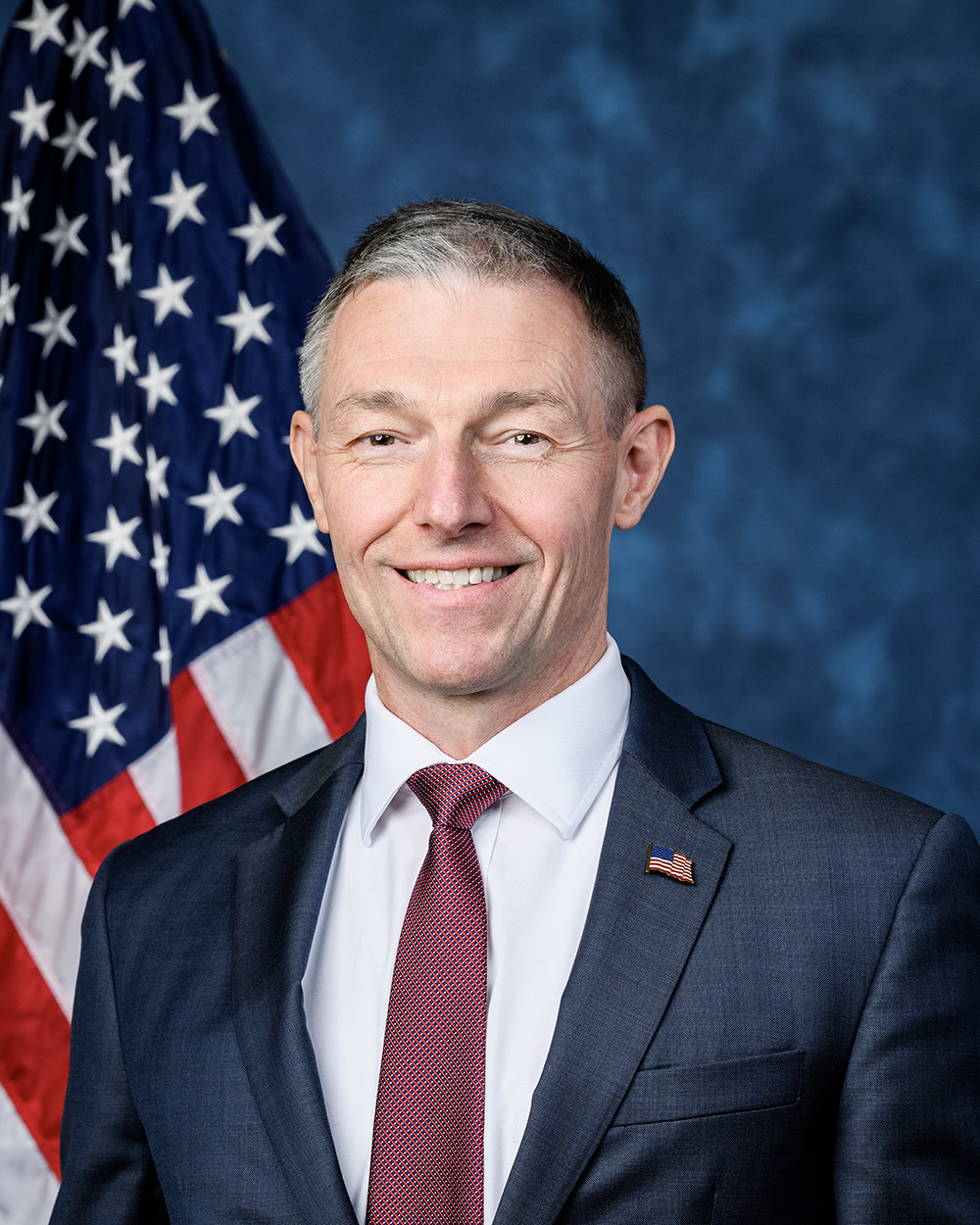
Rep. Mike Kennedy
Sponsored bills
Enhanced Iran Sanctions Act of 2025 This bill imposes sanctions on certain foreign persons (individuals and entities) that are involved in Iran's petroleum sector as well as certain associated persons. The bill also requires or authorizes actions to facilitate the enforcement of sanctions on Iran. Specifically, the bill requires the President to impose visa- and property-blocking sanctions on any foreign person that, after the bill's enactment, knowingly engages in any transaction related to the processing, export, or sale of oil, condensates, gas, liquefied natural gas, or other petrochemical products in whole or in part from Iran. The President must also impose sanctions on certain foreign persons associated with a sanctioned individual or entity. For example, the President must sanction the subsidiaries and corporate officers of a sanctioned business. The bill provides certain exceptions to these sanctions, including specifying that sanctions do not apply to the importation of goods or to conducting or facilitating transactions for humanitarian assistance. The Department of State must establish an interagency working group that shall seek to establish a multilateral contact group to coordinate international efforts to enforce sanctions on Iran. The bill expands the State Department rewards program to authorize a reward payment to any individual who furnishes information leading to the identification of a person (1) subject to sanctions under this bill, or (2) that has attempted or is attempting to evade sanctions under this bill.
Maddy summaryThe Semi-Trailer Tax Parity Act modifies federal tax rules to allow floor plan financing interest rules to apply to semi-trailers and their chassis. This change directly affects businesses that finance semi-trailers for commercial use, such as trucking companies and logistics firms. The bill amends the Internal Revenue Code to include semi-trailers in the category of property eligible for specific interest deduction treatments previously reserved for other types of vehicles. This adjustment ensures that financing costs for semi-trailers are treated similarly to those for other commercial vehicles under existing tax provisions. The policy change takes effect for taxable years beginning after the bill is enacted.
Maddy summaryThis bill, known as the Diabetes Foot Health Access and Modernization Act of 2026, makes two main changes to federal healthcare programs. First, it allows Medicaid to cover foot and ankle care services provided by podiatric physicians, ensuring patients have access to this specialized care. Second, it updates Medicare rules to clarify documentation requirements for diabetic shoes, specifying conditions under which patients can receive extra-depth or custom-molded footwear. The changes take effect on January 1, 2026, for Medicaid services and January 1, 2028, for Medicare shoe coverage.
Maddy summaryThis bill, titled the No Federal Tax Dollars for Illegal Aliens Health Insurance Act of 2026, amends the Affordable Care Act to restrict the use of federal taxpayer funds for health insurance coverage. It directly affects states that receive funding under the ACA and individuals seeking health insurance coverage through federal programs. The key provision prohibits states from using pass-through funding to pay for health insurance or related benefits for individuals who are not U.S. citizens, nationals, or lawfully present aliens. Additionally, the bill requires the Secretary of Health and Human Services to rescind any existing waivers that would have allowed such funding for unauthorized individuals had the new restrictions been in place at the time of approval.
Maddy summaryH.J. Res. 151 seeks to block a Bureau of Land Management (BLM) rule that established management guidelines for Utah's Grand Staircase-Escalante National Monument. The resolution, introduced in March 2026, uses the Congressional Review Act to request Congress disapprove the rule, which was issued in January 2025 and submitted for review. If enacted, the resolution would prevent the rule from taking effect, meaning the BLM would not be required to follow the specific management plan outlined in that rule. This action directly affects the monument's management, as the rule governed activities like land use and conservation within the protected area.
Maddy summaryThis bill, known as the Stop Child Care Funding Fraud Act of 2026, requires states to report on the rate of improper payments made with federal child care funds and outlines specific penalties for high error rates. States must submit reports by June 30 of each program period detailing payment errors and plans to reduce them, with penalties ranging from 5 to 15 percent funding reductions if improper payment rates exceed 6 percent. The law also mandates that states create corrective action plans when error rates are too high and requires the Secretary to publish state-by-state data on payment accuracy in annual reports. These provisions aim to increase transparency and accountability in how states manage federal child care block grant money.
Maddy summaryHR 7739, the Rural Emergency Response Support Act, amends the Fair Labor Standards Act to exempt rural employers of emergency medical technicians (EMTs) and paramedics from standard overtime requirements. It specifically applies to public agencies (like counties or towns) with fewer than 100,000 residents and private entities contracted by them. The key provision removes these employers from FLSA overtime violations when employing EMTs or paramedics, easing compliance for small rural emergency response teams. This directly affects rural EMS providers in smaller communities by allowing flexibility in scheduling without triggering overtime pay obligations under current law.
Law-Enforcement Innovate to De-Escalate Act This bill removes less-than-lethal projectile devices (e.g., certain TASERs) from regulation under the Gun Control Act. The term less-than-lethal projectile device means a device that (1) is not designed or intended to expel (and may not be readily converted to discharge) commonly used ammunition or projectiles exceeding a velocity of 500 feet per second; (2) is designed and intended to be used in a manner not likely to cause death or serious bodily injury; and (3) does not accept (and cannot be readily modified to accept) an ammunition feeding device. The bill also requires the Bureau of Alcohol, Tobacco, Firearms and Explosives to determine whether a device satisfies the definition of a less-than-lethal projectile device within 90 days of a request.
Maddy summaryThe TORCH Act streamlines wildfire prevention efforts on federal lands by expanding the scope of activities that can be conducted with reduced regulatory requirements. It allows forest managers to remove high-priority hazard trees more quickly, increases the acreage limits for certain wildfire mitigation projects from 3,000 to 10,000 acres, and enables the use of timber sales and grazing to reduce fuel loads. The bill also modifies rules for electric utility vegetation management, permits utilities to remove hazardous vegetation near power lines without separate timber sales, and exempts certain forest management activities from additional environmental review requirements. Additionally, it updates good neighbor agreements to include Indian tribes and clarifies how revenue from timber sales on these agreements can be used for restoration work.