Issue · Education

Education

Every education bill, vote, and legislator stance in Illinois, automatically classified by Maddy, our AI policy reader.

Total bills
336
119th Congress
Top supporter
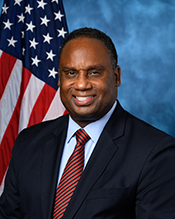
Jonathan L. Jackson
83% support rate
Top opponent
Darin LaHood
33% support rate
Ranked legislators
8
5 support · 3 oppose
Key legislators

Who's moving education in Illinois

Legislators moving education in Illinois
Legislator Party Stance Support rate Votes
Jonathan L. Jackson
Jonathan L. Jackson House · District 1
D
Strong +
83% 127
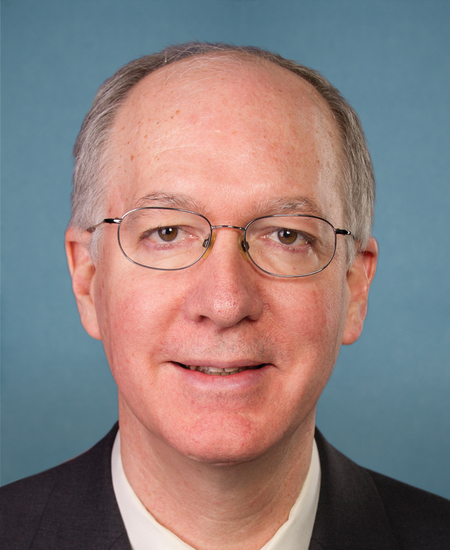
Bill Foster
Bill Foster House · District 11
D
Support
78% 131
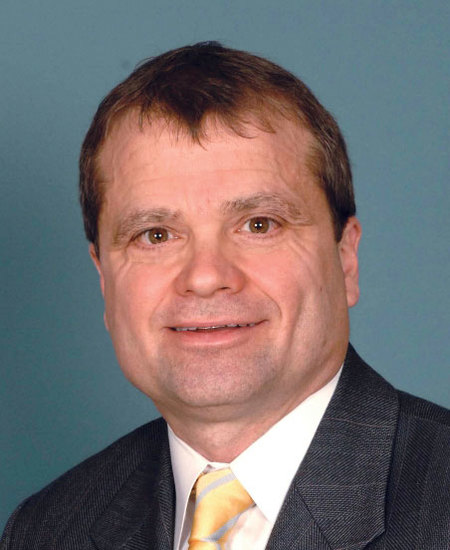
Mike Quigley
Mike Quigley House · District 5
D
Support
78% 127
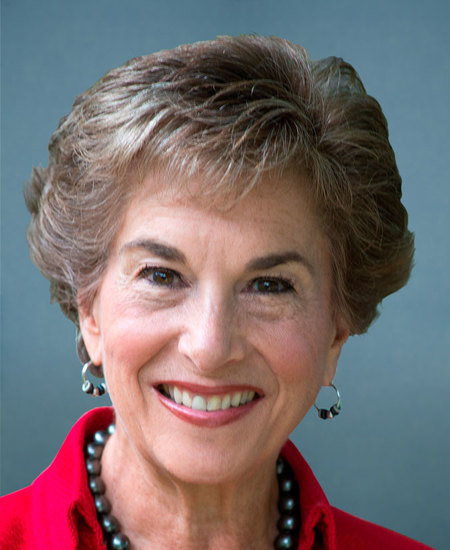
Janice D. Schakowsky
Janice D. Schakowsky House · District 9
D
Support
78% 128
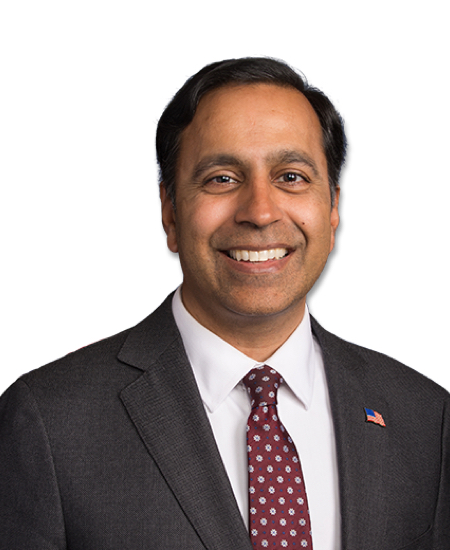
Raja Krishnamoorthi
Raja Krishnamoorthi House · District 8
D
Support
78% 129
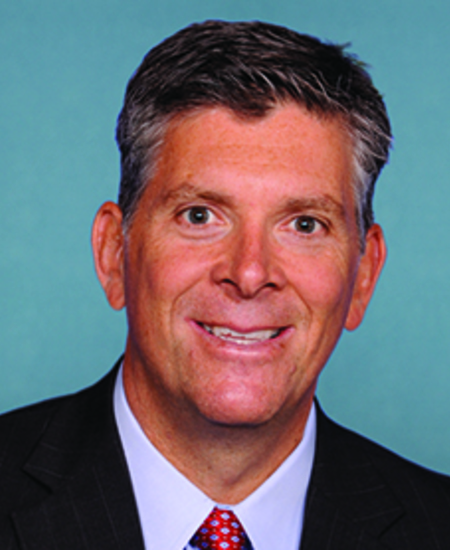
Darin LaHood
Darin LaHood House · District 16
R
Oppose
33% 129
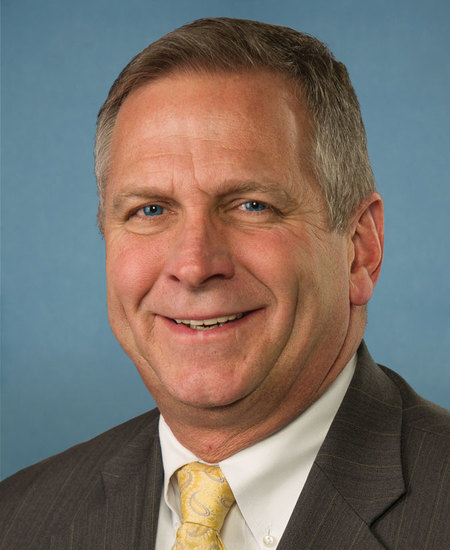
Mike Bost
Mike Bost House · District 12
R
Oppose
33% 129
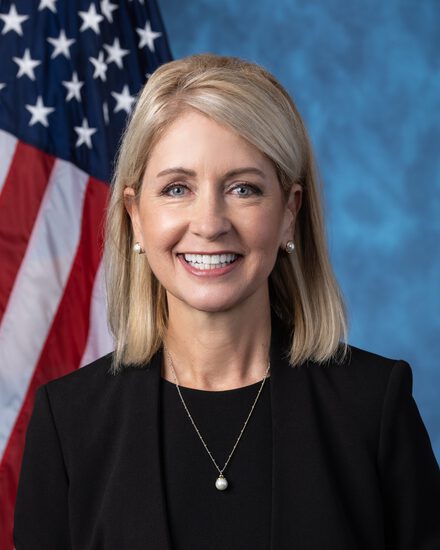
Mary E. Miller
Mary E. Miller House · District 15
R
Oppose
38% 123
Showing 1–10 of 336 bills

All education bills

in committee · United States · House Sep 4, 2026

HR 10298: Public Service Loan Forgiveness Inclusion Act of 2026

The Public Service Loan Forgiveness Inclusion Act of 2026 modifies federal student loan rules to make it easier for borrowers in public service jobs to qualify for debt cancellation. The bill changes how qualifying monthly payments are counted by allowing the first 60 payments to count regardless of their amount, while requiring subsequent payments to meet a specific minimum threshold based on a standard 10-year repayment schedule. It also expands eligibility to include payments made under the standard repayment plan and counts months where repayment was suspended due to administrative forbearance as qualifying payments if the borrower remained employed in public service. The Department of Education is required to notify affected borrowers about these changes within 180 days of enactment, with the new payment counting rules applying to those who have not yet made 120 monthly payments.
in committee · United States · House Aug 27, 2026

HR 10182: CEDS Act

The Care is an Economic Development Strategy (CEDS) Act amends the Public Works and Economic Development Act of 1965 to require that local economic development plans include strategies for increasing access to affordable, quality care-based services. These services specifically include child care, early childhood education, disability and long-term care, and elder care. The bill directs the Secretary of Commerce to issue implementation guidance within one year of enactment to help grant recipients integrate these requirements into their existing plans. To minimize administrative burden, communities with previously approved development strategies are only required to update their plans for compliance during their next regularly scheduled revision cycle.
Sub-Topics Early Childhood Long-Term Care Tags Economic Development
in committee · United States · House Sep 2, 2026

HR 10220: SIMPLE Act

The SIMPLE Act requires the Department of Education to automatically enroll borrowers who are at least 75 days delinquent on federal student loans into the income-driven repayment plan that offers them the lowest monthly payment. To facilitate this, the bill authorizes the use of IRS tax return data to determine a borrower's income and family size without requiring additional action from the borrower, provided they have approved such disclosure or are applying for loan rehabilitation. The legislation also establishes specific notification procedures at 31 days of delinquency and mandates that borrowers rehabilitating defaulted loans be placed in the most favorable repayment plan after making their ninth required payment. These automatic enrollment provisions take effect on July 1, 2028, while changes allowing borrowers to switch between repayment plans become effective immediately upon enactment.
in committee · United States · House Sep 3, 2026

HR 10251: Back-to-School Supplies Affordability Act

The Back-to-School Supplies Affordability Act would prevent new tariffs from being applied to specific school supplies and educational materials, effectively freezing their import duties at levels recorded on January 19, 2025. This measure directly affects students, families, teachers, schools, and local governments by aiming to keep the cost of items like notebooks, backpacks, pencils, and keyboards stable. The bill designates certain products for duty exemption based on specific trade classifications or through regulations issued by the Secretary of Commerce in coordination with the Secretary of Education. Additionally, it requires the Secretary of Commerce to report every 180 days to congressional committees on which items are exempt, while allowing Congress to disapprove specific item designations through a joint resolution.
in committee · United States · House Sep 3, 2026

HR 10277: Access to School Supplies Act of 2026

The Access to School Supplies Act of 2026 establishes a five-year pilot program that provides competitive grants to up to ten local school districts serving high-poverty schools. These funds are intended to help districts purchase books, supplies, and other materials for students and instructional staff at no cost. The legislation authorizes $100 million annually from fiscal years 2027 through 2031 and requires recipients to submit annual reports detailing how the money was spent and which schools benefited. A small portion of the total funding is reserved for outlying areas and Bureau of Indian Education schools, while the program sunsets on September 30, 2031.
in committee · United States · House Jul 27, 2026

HR 9958: Head Start Expansion and Improvement Act of 2026

The Head Start Expansion and Improvement Act of 2026 broadens eligibility for early childhood education services by including recipients of various public assistance programs, such as food stamps and Medicaid, in the definition of qualifying families. The bill authorizes $36 billion annually from fiscal years 2027 through 2032 to support these expanded operations and creates a separate grant program providing $1 billion per year until 2030 for agencies to repair or upgrade aging facilities with safety hazards. Additionally, the legislation establishes a loan forgiveness program that cancels federal student loans for childcare workers who complete three years of full-time service in Head Start or Early Head Start programs. Finally, it authorizes $6.8 billion annually through 2032 to provide salary supplements to Head Start employees, with funding allocated based on local wage gaps and cost-of-living factors.
in committee · United States · House Jul 27, 2026

HR 9959: Green New Deal for Public Schools Act

The Green New Deal for Public Schools Act directs over $700 billion in federal funding to public schools, prioritizing those serving the most vulnerable communities based on CDC social vulnerability rankings. The legislation establishes a new Office of Sustainable Schools and authorizes grants for "healthy green retrofits" that convert school buildings into zero-carbon facilities with clean air, water, and energy systems, while also providing funds to hire additional educators, mental health professionals, and support staff. Additionally, the bill mandates increased federal funding for special education under the Individuals with Disabilities Education Act and creates a climate resiliency program that allows schools to function as community centers during natural disasters. All grant recipients must adhere to strict labor standards, including prevailing wage requirements, Buy American provisions, and local hiring goals that prioritize residents of the surrounding community.
in committee · United States · House Sep 2, 2026

HR 10236: Protecting Student Athletes from Unexpected Tax Liability Act

The Protecting Student Athletes from Unexpected Tax Liability Act requires companies to withhold 30 percent of income tax from payments made for a student athlete's name, image, and likeness. This rule treats these specific commercial payments as if they were standard wages, even though the athletes are not classified as employees. The bill also waives penalties for underpaid taxes in the first year a student athlete is subject to this new withholding requirement. To ensure the policy works effectively, the Treasury Department must report to Congress by 2029 on whether the 30 percent rate is appropriate and how well companies are complying with the law.
Sub-Topics Income Tax
in committee · United States · House Aug 6, 2026

HR 10057: Early Childhood Educator Professional Improvement Act of 2026

The Early Childhood Educator Professional Improvement Act of 2026 authorizes the Department of Health and Human Services to provide five-year grants to States aimed at improving the training, pay, and credentials of early childhood educators. To receive funding, States must submit detailed plans outlining how they will collaborate with various education and childcare groups to establish professional standards, create career ladders, and offer accessible higher education options for working educators. Grant money can be used to offer scholarships for bachelor's degrees, support educators in obtaining necessary licenses, raise salaries to match those of other professionals, and fund ongoing professional development in areas like child development and cultural competence. The bill requires that these federal funds supplement existing state and local resources rather than replace them, and it mandates that States maintain their current spending levels on these activities.
in committee · United States · House Jul 23, 2026

HR 9824: Daycare Not Detentions Act of 2026

The Daycare Not Detentions Act of 2026 provides additional funding to the Department of Health and Human Services to support child care programs, including the Child Care and Development Block Grant, Head Start, and preschool development grants. These funds are intended to help states and organizations cover necessary expenses for these programs through fiscal year 2029. The bill also rescinds $70 billion in previously allocated money for U.S. Customs and Border Protection and U.S. Immigration and Customs Enforcement that has not yet been spent. Overall, the legislation redirects federal resources toward early childhood education and care rather than immigration enforcement activities.
Showing 1 to 10 of 336 bills
1 2 3 34 Next