Maddy summaryThis bill extends Medicare reimbursement rate increases for ground ambulance services through 2028. It adjusts specific payment percentages for ambulance providers: maintaining a 26.7% rate increase for "super rural" ambulance services and setting 4.3% and 3.4% increases for other ground ambulance services during 2025-2028. These changes directly affect Medicare beneficiaries using ground ambulance services and the ambulance providers who serve them, particularly in rural areas. The bill modifies existing Social Security Act provisions to adjust payment rates without altering Medicare eligibility or coverage rules. It provides temporary rate adjustments to help sustain ambulance service availability during this period.
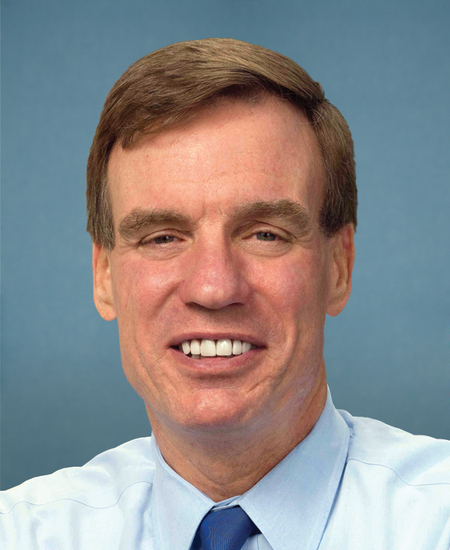
Sen. Mark R. Warner
Sponsored bills
Maddy summaryThis bill reauthorizes U.S. Department of Agriculture (USDA) programs to prevent, detect, and respond to foreign animal diseases like foot-and-mouth disease. It allocates $233 million annually from the Commodity Credit Corporation for fiscal years 2024-2028, broken into specific amounts: $10 million for prevention, $70 million for surveillance, and $153 million for rapid response. These funds directly support USDA’s animal health programs, benefiting livestock producers, agricultural markets, and food safety systems by strengthening disease preparedness. The bill updates previous funding levels and timeframes from the 2019-2023 period to cover the next five years.
Maddy summaryS 1638, the "Protecting Ballot Measures from Foreign Influence Act," prohibits foreign nationals from contributing to or donating to state or local ballot initiatives and referendums. This law directly affects foreign individuals and entities seeking to influence voter decisions on state-level ballot measures. The key provision amends the Federal Election Campaign Act to add "state or local ballot initiative or ballot referendum" to existing restrictions on foreign contributions. The rule applies to contributions made on or after the bill's enactment date.
Maddy summaryThis bill requires the FDIC to reclaim certain compensation paid to executives at failed banks if they were responsible for the institution's failure. It defines "covered compensation" to include salary, bonuses, stock awards, and performance-based pay received within the previous five years. The FDIC would claw back this compensation and deposit the funds into the Deposit Insurance Fund. This directly affects bank executives at institutions that fail, ensuring they bear losses tied to their responsibility for the bank's condition.
Maddy summaryThis bill establishes a federal grant program to help states increase pay for election workers, including unpaid poll workers and election officials. States must submit detailed plans showing how funds will retain and recruit workers, covering reasonable costs like wages or stipends. The program authorizes funding for fiscal years 2024 and beyond, with the Northern Mariana Islands treated as a state for eligibility. It directly affects state election systems and the workers who staff polling places during elections.
Maddy summaryThis bill creates new authorities for the Department of Homeland Security and Department of Justice to detect, identify, monitor, and mitigate drone threats to designated high-risk facilities including critical infrastructure, government buildings, airports, and other security-sensitive locations. It establishes a 5-year pilot program allowing select state and local law enforcement agencies to use specific drone detection technologies, with strict requirements for privacy protections, training, and coordination with the Federal Aviation Administration. The bill limits the use of technologies that disrupt radio or electronic signals, requires intercepted communications to be maintained for no more than 180 days, and mandates annual congressional reporting on the use of these authorities. It also includes detailed provisions for risk-based assessments, privacy safeguards, and coordination with transportation authorities to ensure national airspace safety.
Maddy summaryThe EARN IT Act of 2023 establishes a National Commission on Online Child Sexual Exploitation Prevention to develop voluntary best practices for interactive computer services (such as social media platforms and messaging apps) to prevent, reduce, and respond to online child sexual exploitation. The Commission will create recommended practices considering different platform sizes and business models, including content moderation, reporting systems, and age verification measures. The bill updates federal law to replace the term "child pornography" with "child sexual abuse material" across numerous statutes and technical amendments. These best practices would be voluntary for platforms to adopt, not mandatory requirements, and must be supported by at least 14 of the Commission's 19 members. The Commission's recommendations will be updated every 5 years and published by the Department of Justice.
Maddy summaryThis bill authorizes a Congressional Gold Medal to honor the service of Army and Navy nurses who served during World War II. It directly recognizes approximately 73,000 nurses (including those who died in action or captivity) who provided critical medical care under combat conditions across 6 continents. The medal, designed by the Treasury Secretary, will be displayed at institutions like the Smithsonian, the Women in Military Service Memorial, and military museums. The bill is purely commemorative, with no new benefits or policy changes, focusing solely on formal recognition of their wartime contributions.
Maddy summaryThe SAFE Banking Act of 2023 creates a legal safe harbor for financial institutions that provide services to state-sanctioned marijuana businesses and hemp-related legitimate businesses. It prevents federal banking regulators from taking adverse actions against depository institutions for serving these businesses solely because they operate within state-legal marijuana frameworks. The bill also ensures income from legal marijuana businesses can be considered for qualifying for federally backed mortgage loans and requires updated guidance for suspicious activity reporting related to these businesses. These provisions aim to address longstanding banking access barriers for businesses operating within state-legal marijuana and hemp industries.
Maddy summaryThis bill modifies the federal tax code to allow public schools to qualify for rehabilitation tax credits they previously might have been excluded from. It specifically removes a restriction that prevented tax credits for rehabilitating school buildings used as qualified public educational facilities. The key provision expands access to these credits for public school infrastructure projects, particularly benefiting schools in low-income communities. The bill also requires the Treasury Secretary to report on the program's impact, including facilities rehabilitated, student numbers, and expenditures, within five years of enactment.