

Maddy summaryThe Artificial Intelligence Environmental Impacts Act of 2026 directs the Environmental Protection Agency to study and report on the environmental effects of artificial intelligence, including energy and water use, pollution, and electronic waste. This bill requires large data centers to annually submit detailed public reports on their resource consumption and environmental footprint, with penalties for non-compliance. Additionally, it establishes a stakeholder consortium to develop standardized methods for measuring these impacts and to identify ways to promote beneficial uses of AI while reducing negative effects. The legislation aims to increase transparency and accountability regarding the growing environmental costs associated with AI infrastructure and operations.
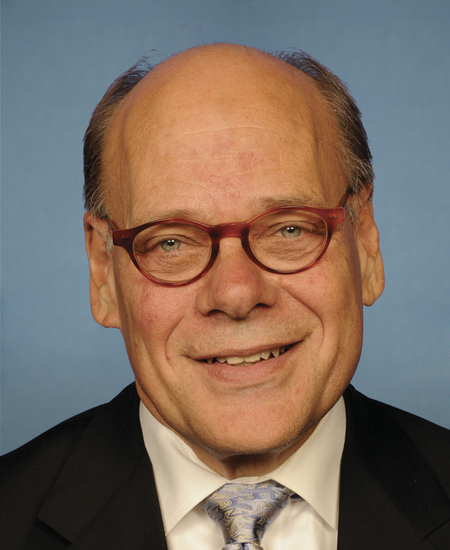
Rep. Steve Cohen
Sponsored bills
Maddy summaryThis resolution expresses support for recognizing June 7, 2026, as Tourette Syndrome Awareness Day to promote understanding and reduce stigma for individuals with the condition. The measure highlights that Tourette Syndrome is a neurological disorder affecting approximately 1 in 50 children, often accompanied by other mental health challenges. By designating this specific date, the House aims to encourage public awareness and compassion for those living with the disorder.
Maddy summaryHR 2768, the Benton MacKaye National Scenic Trail Feasibility Study Act of 2025, requires the U.S. Secretary of Agriculture to conduct a study within one year of enactment to determine if the 287-mile Benton MacKaye Trail - which runs through Georgia, Tennessee, and North Carolina, traversing national forests, wilderness areas, and the Great Smoky Mountains National Park - should be designated as a National Scenic Trail. The study must evaluate the trail’s suitability for this designation, considering its current use, maintenance, economic benefits to rural communities, and existing federal land management. This bill does not change the trail’s status but sets a process to assess its potential future designation under the National Trails System Act.
Maddy summaryThis resolution designates May 2026 as American Stroke Month to raise public awareness about stroke prevention and care. It encourages individuals to learn the B.E.F.A.S.T. warning signs, understand their personal risk factors, and take steps to improve community health outcomes. The bill does not change laws or allocate funding but serves as a symbolic expression of support for stroke education and recovery efforts.
Maddy summaryThe Celiac Safety Act of 2026 officially classifies gluten-containing grains as a major food allergen under federal law, directly impacting the food industry and individuals with celiac disease or gluten intolerance. This change requires manufacturers to label products containing wheat, rye, barley, or their crossbred hybrids with the same prominence as other major allergens like milk. The new labeling requirements will not take effect until 18 months after the law is enacted, giving businesses time to adjust their packaging and production processes.
Maddy summaryThis bill, known as the Arlington National Cemetery Viewshed Protection Act, restricts the construction of large triumphal arches in the Washington, D.C. area to preserve visual sightlines. It specifically bans the building of any such arches within Lady Bird Johnson Park and prohibits the use of federal funds for these structures there. Additionally, the law prevents the erection of triumphal arches taller than 50 feet on any land managed by the National Park Service unless Congress explicitly approves them. These measures aim to limit new monumental structures that could obstruct views of the Arlington National Cemetery from the capital region.
Maddy summaryThe American High-Speed Rail Act expands federal funding and streamlines regulations to support the development of high-speed and higher-speed rail projects across the United States. It authorizes billions of dollars in grants for corridor planning, technology improvements, and construction, while allowing the federal government to cover up to 100% of project costs under specific conditions. The bill also introduces new provisions to facilitate land acquisition, prioritize border projects, and extend labor protections to workers involved in federally funded rail infrastructure. Additionally, the legislation defines higher-speed rail as trains traveling between 110 and 186 miles per hour and includes tax incentives for rail carriers that sell or lease property to support these projects.
Maddy summaryThis House resolution expresses the official sense of the House of Representatives to eliminate all roadway fatalities in the United States by the year 2050. It directly addresses the Department of Transportation and Congress by urging them to adopt a data-driven safe systems approach that considers all aspects of the transportation environment. The measure calls for improved crash data collection, the implementation of proven safety countermeasures, and a commitment to addressing disparities in traffic safety. Additionally, the resolution supports using the term "crash" instead of "accident" to better describe traffic incidents.
Maddy summaryThis resolution formally impeaches Chief Justice John Roberts of the Supreme Court, accusing him of high crimes and misdemeanors for allegedly violating his constitutional oath of office. The document outlines six specific articles of impeachment that claim he politicized the Court, undermined voting rights, favored wealthy interests, granted excessive immunity to the executive branch, issued arbitrary rulings, and failed to recuse himself due to his spouse's lucrative legal recruitment work. If the House were to adopt this measure, it would initiate a trial in the Senate where a two-thirds vote would be required to convict and remove the Chief Justice from office.
Maddy summaryThe SCREEN for Type 1 Diabetes Act of 2026 directs the Centers for Disease Control and Prevention to launch a national public awareness campaign focused on type 1 diabetes detection, screening, and management. This initiative will provide written materials and public service announcements across various media platforms, including social media and television, while consulting with health organizations, schools, and community groups to ensure the content is culturally and linguistically appropriate. The bill authorizes $5 million annually from 2027 to 2031 to fund grants for nonprofit entities and state or local health departments to distribute these resources and increase screening access in communities with high incidence rates. Additionally, the law requires the Secretary of Health and Human Services to submit a report to Congress within one year detailing the campaign's activities and its impact on diabetes detection and management.