Issue · Education

Education

Every education bill, vote, and legislator stance in Florida, automatically classified by Maddy, our AI policy reader.

Total bills
225
119th Congress
Top supporter
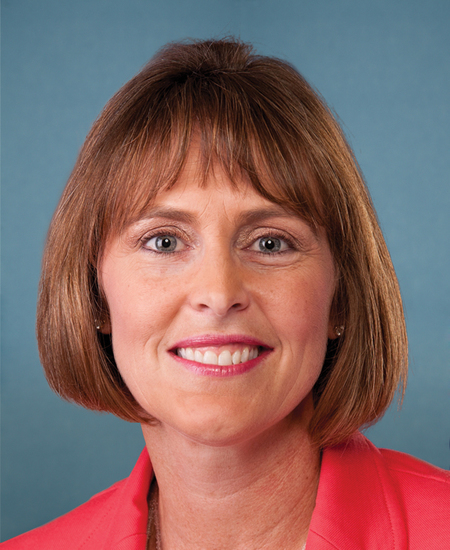
Kathy Castor
78% support rate
Top opponent
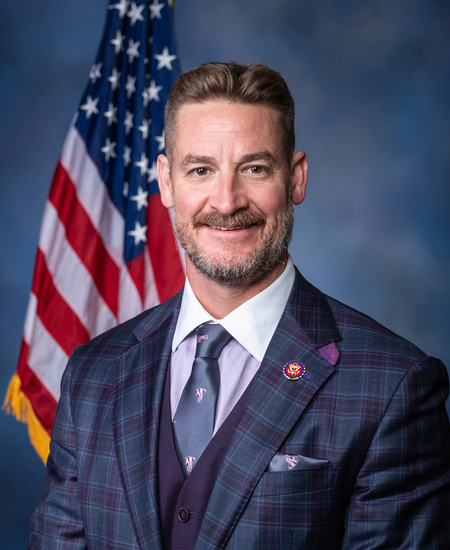
W. Gregory Steube
22% support rate
Ranked legislators
10
5 support · 5 oppose
Key legislators

Who's moving education in Florida

Legislators moving education in Florida
Legislator Party Stance Support rate Votes
Kathy Castor
Kathy Castor House · District 14
D
Support
78% 123
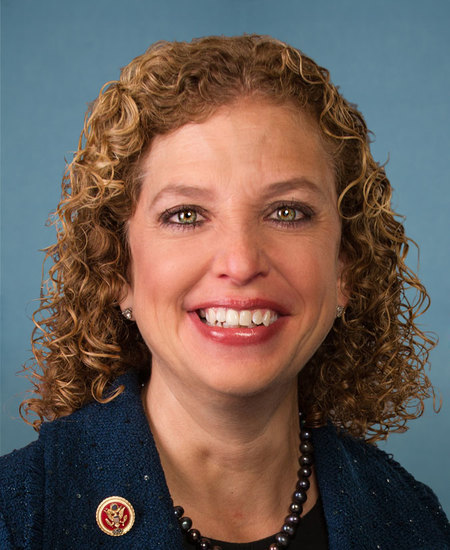
Debbie Wasserman Schultz
Debbie Wasserman Schultz House · District 25
D
Support
78% 130
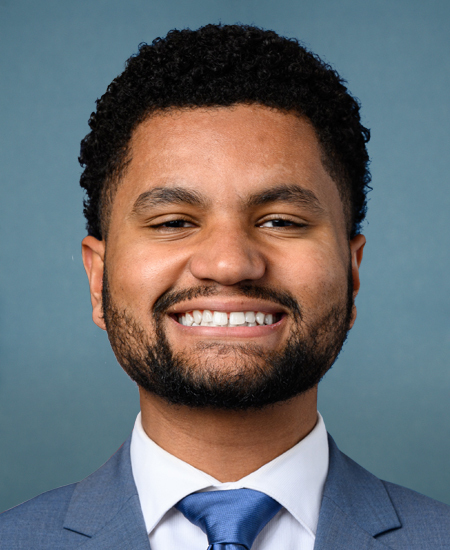
Maxwell Frost
Maxwell Frost House · District 10
D
Support
78% 130
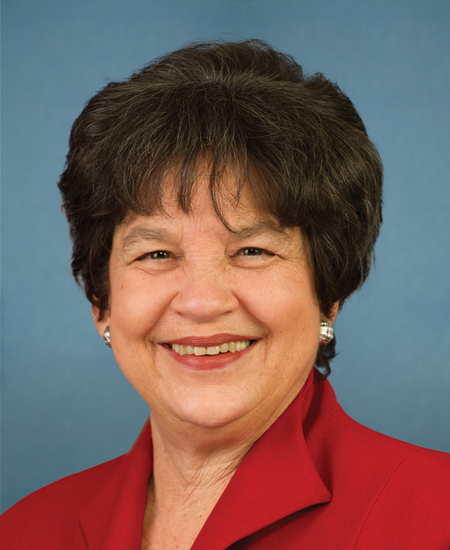
Lois Frankel
Lois Frankel House · District 22
D
Support
75% 121
Frederica S. Wilson
Frederica S. Wilson House · District 24
D
Support
71% 91
W. Gregory Steube
W. Gregory Steube House · District 17
R
Oppose
22% 130
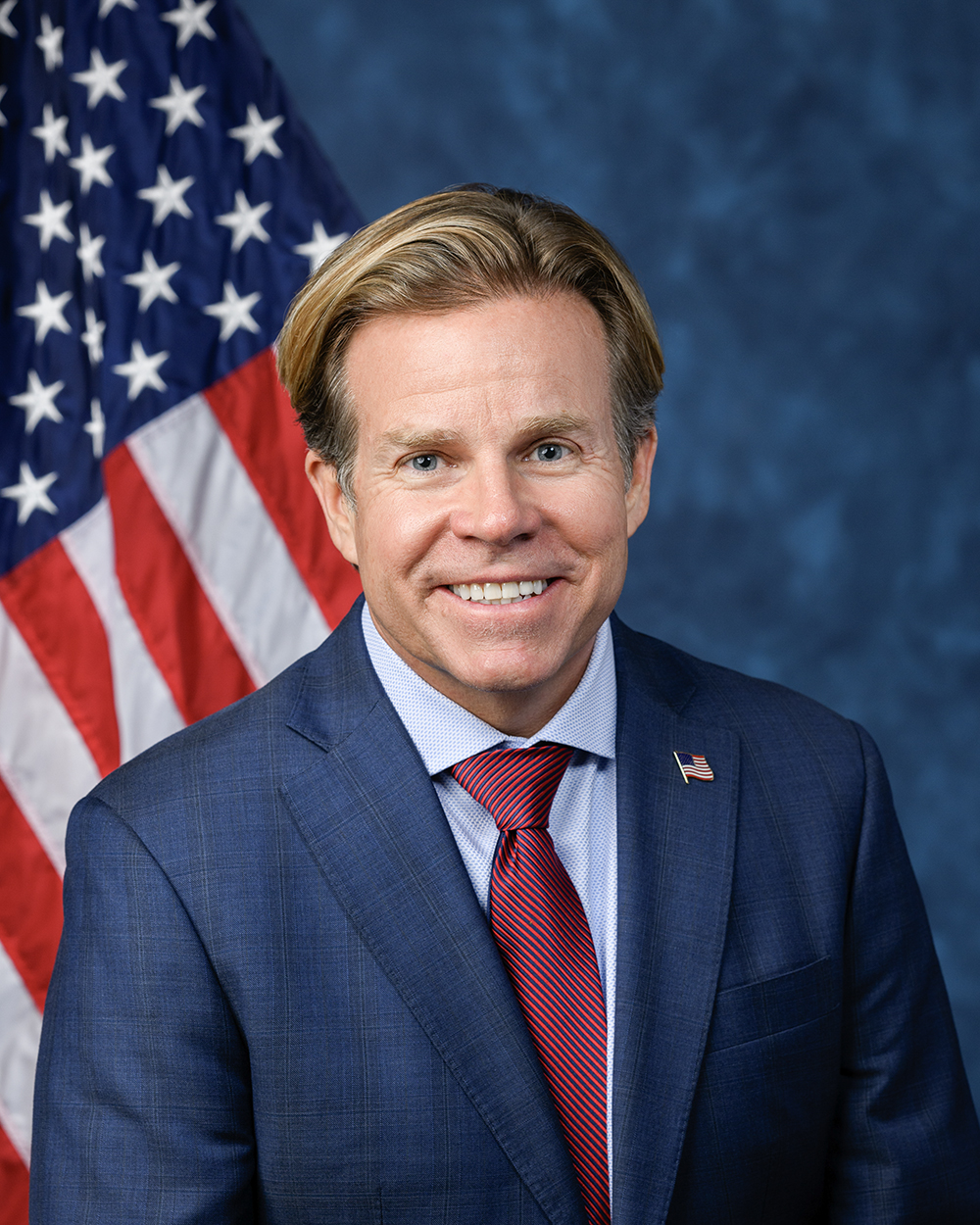
Mike Haridopolos
Mike Haridopolos House · District 8
R
Oppose
22% 126
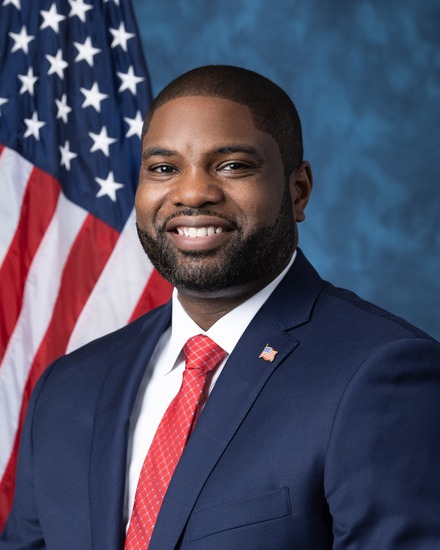
Byron Donalds
Byron Donalds House · District 19
R
Oppose
22% 121
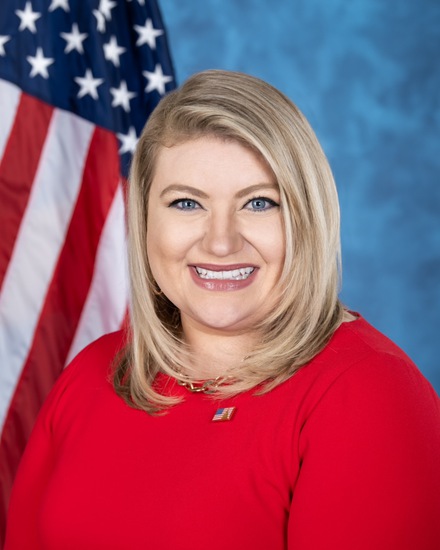
Kat Cammack
Kat Cammack House · District 3
R
Oppose
22% 129
Randy Fine
Randy Fine House · District 6
R
Oppose
22% 105
Showing 1–10 of 225 bills

All education bills

in committee · United States · House Sep 2, 2026

HR 10220: SIMPLE Act

The SIMPLE Act requires the Department of Education to automatically enroll borrowers who are at least 75 days delinquent on federal student loans into the income-driven repayment plan that offers them the lowest monthly payment. To facilitate this, the bill authorizes the use of IRS tax return data to determine a borrower's income and family size without requiring additional action from the borrower, provided they have approved such disclosure or are applying for loan rehabilitation. The legislation also establishes specific notification procedures at 31 days of delinquency and mandates that borrowers rehabilitating defaulted loans be placed in the most favorable repayment plan after making their ninth required payment. These automatic enrollment provisions take effect on July 1, 2028, while changes allowing borrowers to switch between repayment plans become effective immediately upon enactment.
in committee · United States · House Aug 31, 2026

HR 10201: COMPASS Act

The COMPASS Act amends the Individuals with Disabilities Education Act to require schools to include specific information in individualized education programs for students with disabilities. It mandates that these plans must state the projected date when a student will complete their secondary education program. Additionally, the bill requires a statement confirming that the student will receive a certification of completion on that date, regardless of whether they are eligible for a regular high school diploma.
in committee · United States · House Sep 3, 2026

HR 10277: Access to School Supplies Act of 2026

The Access to School Supplies Act of 2026 establishes a five-year pilot program that provides competitive grants to up to ten local school districts serving high-poverty schools. These funds are intended to help districts purchase books, supplies, and other materials for students and instructional staff at no cost. The legislation authorizes $100 million annually from fiscal years 2027 through 2031 and requires recipients to submit annual reports detailing how the money was spent and which schools benefited. A small portion of the total funding is reserved for outlying areas and Bureau of Indian Education schools, while the program sunsets on September 30, 2031.
in committee · United States · House Aug 31, 2026

HR 10200: Family Leave for Parental Involvement in Education Act

The Family Leave for Parental Involvement in Education Act amends the Family and Medical Leave Act to grant eligible private-sector employees up to 48 hours of unpaid leave per year to attend school conferences or activities for their children or grandchildren. This additional time is capped at 8 hours within any 30-day period and can be taken in intermittent blocks rather than all at once. Employers may require employees to use accrued paid vacation, personal, or sick leave instead of taking this unpaid time off. The bill also extends similar leave provisions to federal employees, allowing them to substitute accumulated annual or sick leave for the new parental involvement entitlements.
Sub-Topics Paid Leave
in committee · United States · House Aug 31, 2026

HR 10202: High School Voter Empowerment Act of 2026

The High School Voter Empowerment Act of 2026 requires all public high schools in the United States to be designated as voter registration agencies under federal law. Schools must conduct at least one voter registration drive each academic year, with a specific goal of registering eligible students who are at least 17 years old and enrolled in American Government or Economics classes. To support these efforts, the Department of Education would establish a grant program that reimburses schools for the reasonable costs associated with running these drives. Additionally, state election officials may provide voting machines to schools upon request for use in student council elections.
Sub-Topics K-12 Education Tags Elections
in committee · United States · House Jul 27, 2026

HR 9958: Head Start Expansion and Improvement Act of 2026

The Head Start Expansion and Improvement Act of 2026 broadens eligibility for early childhood education services by including recipients of various public assistance programs, such as food stamps and Medicaid, in the definition of qualifying families. The bill authorizes $36 billion annually from fiscal years 2027 through 2032 to support these expanded operations and creates a separate grant program providing $1 billion per year until 2030 for agencies to repair or upgrade aging facilities with safety hazards. Additionally, the legislation establishes a loan forgiveness program that cancels federal student loans for childcare workers who complete three years of full-time service in Head Start or Early Head Start programs. Finally, it authorizes $6.8 billion annually through 2032 to provide salary supplements to Head Start employees, with funding allocated based on local wage gaps and cost-of-living factors.
in committee · United States · House Jul 27, 2026

HR 9952: Healthy Recess for Learning Act

The Healthy Access for Learning Act requires schools receiving federal education funds to provide students with at least 60 minutes of physical activity time each day. This new requirement includes designated recess periods and physical education classes, aiming to address rising rates of childhood obesity and improve academic performance. The bill amends the Elementary and Secondary Education Act to mandate these activity periods while allowing local school districts to determine the specific methods used to meet the goal. By integrating regular exercise into the school day, the legislation seeks to support student health and learning without reducing instructional time.
Sub-Topics Student Health
in committee · United States · House Aug 3, 2026

HR 10043: Heritage Legacy Act

The Heritage Legacy Act directs the Secretary of Education to provide grants to Historically Black Colleges and Universities (HBCUs) in 2027 and subsequent years, with the grant amount equal to the total tuition charged to all qualified students at each institution. These funds must be used to offer direct scholarships to undergraduate students who are full-time enrollees and can prove they are descendants of individuals who were enslaved in the United States. To receive a scholarship, a student must provide documentation, such as census records, showing that at least one-quarter of their genes come from an ancestor who was enslaved, and the bill sets aside five percent of the funding to cover the costs of verifying these claims. Additionally, the legislation amends the Higher Education Act to ensure that scholarships awarded under this new program are excluded from calculations used to determine a student's financial aid index.
in committee · United States · Senate Jul 22, 2026

S 5068: Service Academy Parity Act

The Service Academy Parity Act establishes a competitive appointment system for the Coast Guard Academy, beginning in the 2029 academic year, to ensure fair selection of cadets alongside existing nomination methods. Under this new system, individuals nominated by the Vice President, Members of Congress, or the Coast Guard Commandant must meet minimum requirements and compete based on academic background, exam scores, and other indicators of success. The bill allocates specific slots for children of fallen or disabled service members, children of missing federal employees, and residents of each state and territory, with appointments made in order of merit within each group. Additionally, the law mandates that nominating officials be notified at least 48 hours before a cadet's appointment is announced to maintain transparency in the process.
in committee · United States · House Jul 23, 2026

HR 9824: Daycare Not Detentions Act of 2026

The Daycare Not Detentions Act of 2026 provides additional funding to the Department of Health and Human Services to support child care programs, including the Child Care and Development Block Grant, Head Start, and preschool development grants. These funds are intended to help states and organizations cover necessary expenses for these programs through fiscal year 2029. The bill also rescinds $70 billion in previously allocated money for U.S. Customs and Border Protection and U.S. Immigration and Customs Enforcement that has not yet been spent. Overall, the legislation redirects federal resources toward early childhood education and care rather than immigration enforcement activities.
Showing 1 to 10 of 225 bills
1 2 3 23 Next