Maddy summaryThe WATCH Act requires foreign laboratories receiving U.S. federal funds for animal research to undergo quarterly inspections to ensure compliance with U.S. animal welfare standards. It directly affects overseas labs conducting NIH-funded studies involving animals, mandating regular checks of their animal care committees, treatment reviews, and record-keeping. Labs must maintain certification of compliance, with public access to these certificates, and face potential suspension of funding if they fail to correct violations after a warning. The bill establishes a process for U.S. authorities to coordinate inspections with foreign governments while upholding U.S. research standards.
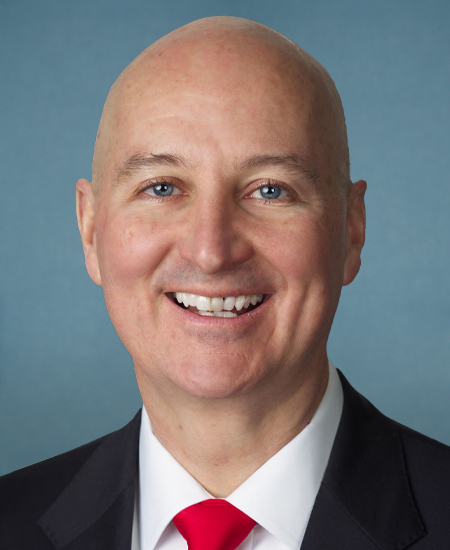
Sen. Pete Ricketts
Sponsored bills
Maddy summaryS 2372, the Accelerating Kids’ Access to Care Act, streamlines enrollment for out-of-state healthcare providers who treat Medicaid-eligible children under 21 with medically complex conditions. It requires states to adopt a process allowing these providers to join state Medicaid/CHIP programs without extra state-level screening, provided they already meet federal Medicare or home-state program requirements and pose low fraud risk. The bill establishes a 5-year enrollment period for eligible providers, directly affecting children needing specialized care across state lines and the providers serving them. Key provisions remove barriers to interstate care coordination while maintaining federal oversight standards.
Maddy summaryThe Community and Hydropower Improvement Act amends the Federal Power Act to streamline hydropower licensing while strengthening tribal consultation and environmental review. It requires the Federal Energy Regulatory Commission to consult with Indian Tribes before approving conditions affecting tribal resources, establishes a fund to reimburse tribes for administrative costs, and creates expedited processes for certain projects like nonpowered dams and pumped storage. The bill updates environmental review requirements to better consider ongoing project effects and includes new procedures for license surrender. It directly affects hydropower developers, tribal nations, and federal agencies involved in licensing decisions.
Maddy summarySRES 269 is a symbolic Senate resolution designating July 22, 2023, as "National Day of the American Cowboy." It does not create new laws or affect specific groups, but encourages the general public to observe the day through ceremonies and activities. The resolution highlights the cultural significance of cowboys, citing their embodiment of values like honesty and work ethic, their economic contributions through ranching, and their role in American traditions and media. This is a ceremonial designation with no direct policy impact or funding changes.
Maddy summaryThis bill modifies SNAP (food stamp) rules to help unemployed or underemployed recipients access job training. It defines "covered individuals" as SNAP households not receiving TANF aid and not enrolled in state job programs, allowing states to use SNAP administrative funds for WIOA job training programs. States must also create publicly available online calculators showing how future earnings compare to SNAP benefits. The law directly affects SNAP recipients facing employment barriers, aiming to ease transitions into work without losing benefits.
Maddy summaryThis bill requires the Federal Housing Finance Agency (FHFA) to immediately revert to the previous mortgage pricing structure (effective April 30, 2023) by eliminating the "recalibrated" fee system for single-family mortgages. It directly affects lenders and borrowers by banning fees based on debt-to-income ratios and mandating that future fee adjustments must align with risk-based pricing principles. The bill also mandates a 14-month GAO study to analyze the previous pricing changes' methodology, economic impacts on borrowers and lenders, and effects on affordable housing. This reverses recent FHFA policy changes without altering the underlying regulatory framework for mortgage enterprises.
Maddy summaryS 2230, the Protecting Investors’ Personally Identifiable Information Act, prevents the Securities and Exchange Commission (SEC) from requiring financial exchanges and their members to report investors' personal details like names, addresses, or Social Security numbers under routine data reporting rules. The SEC may only request such information during an investigation into suspected securities law violations, and must destroy it within 24 hours after the investigation concludes. This directly affects national securities exchanges, associations, and their members who handle market participant data. The bill aims to limit unnecessary collection and retention of sensitive investor information while maintaining enforcement capabilities.
Maddy summaryS 2249, the Passport Act of 2023, requires the U.S. Department of State to process routine passport applications and renewals within an average of 12 weeks. It mandates weekly public updates on processing times, triggers congressional notifications if deadlines are missed for four consecutive weeks, and requires reassignment of non-consular staff during delays. The bill also directs the creation of an online tool showing application status stages and expands appointment availability at passport centers to address past shortages. These changes directly affect U.S. citizens applying for passports and the State Department's Consular Affairs Bureau.
Maddy summaryThis bill establishes a federal compensation program for poultry farmers whose operations are restricted in "control areas" designated by the Animal and Plant Health Inspection Service (APHIS) due to animal health threats. It requires the Secretary of Agriculture to pay affected farmers an amount calculated as their average income from the five most recent flocks multiplied by the number of flocks they were prohibited from raising during the control period. Compensation is capped to avoid double payments - covering only the difference between the calculated amount and any existing state or other compensation received. Payments must be issued within 60 days of a farmer’s request, and farmers who already received compensation for destroyed animals under existing law are excluded.
Maddy summarySJRES 11 is a joint resolution seeking to cancel an Environmental Protection Agency (EPA) rule that set new emissions standards for heavy-duty vehicles, including trucks and buses. The rule, published in the Federal Register on January 24, 2023, would have required manufacturers to meet specific pollution control measures for new vehicles. This resolution uses a congressional disapproval process under the Congressional Review Act to nullify the EPA rule, meaning it would have no legal effect if enacted. If passed, the EPA's emissions standards for heavy-duty vehicles would be voided, removing requirements for manufacturers to comply with those specific pollution controls.