Maddy summaryThis resolution honors the memory of Corey Comperatore, a veteran and volunteer firefighter from Sarver, Pennsylvania, who passed away on July 13, 2024. It formally acknowledges his service to his community and country while mourning his loss as a husband, father, and hero. The House of Representatives is asked to express its condolences and celebrate his life through this commemorative measure.
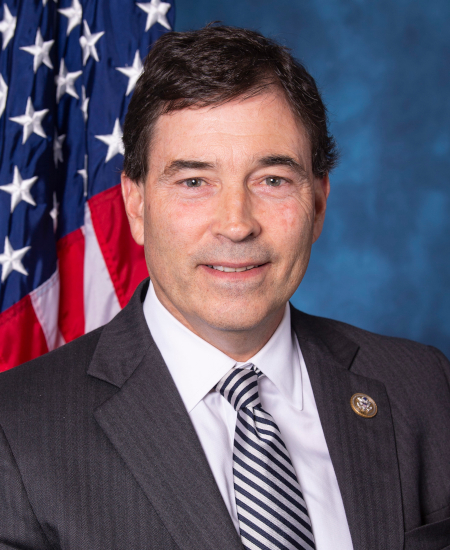
Rep. Troy Balderson
Sponsored bills
Maddy summaryThis bill amends the Energy Policy and Conservation Act to require states to include assessments of threats to local electricity infrastructure (defined as systems under 100 kilovolts) in their energy security plans. It mandates states address physical threats (like weather, attacks, and supply chain risks) and cybersecurity vulnerabilities specifically affecting these local systems, which directly impact electric utilities and their equipment suppliers. The bill updates deadlines, extending the requirement for states to submit plans from 2025 to 2030. These changes aim to strengthen grid resilience by focusing state planning on vulnerabilities in lower-voltage distribution networks.
Maddy summaryThe Energy Emergency Leadership Act (HR 7258) assigns new responsibilities to Assistant Secretaries at the Department of Energy (DOE) for managing energy infrastructure security, emergency response, and resilience. It requires them to handle cybersecurity, supply chain issues, and coordinated planning for energy security threats, risks, and incidents. The bill mandates that the DOE provide technical assistance to states, local governments, tribes, or energy companies upon their request, while working with other federal agencies. This change directly affects the DOE’s internal operations and the entities that can seek federal support during energy emergencies.
Maddy summaryThis bill extends federal funding for school-based health centers through fiscal year 2031. It directly affects schools and community organizations that operate health centers providing medical care to students. The key provision increases the annual grant amount to $55 million per year for the five-year period. This change ensures continued financial support for programs that offer healthcare services directly within educational settings. The legislation does not alter eligibility requirements or program structure, only the funding timeline and amount.
Maddy summaryThis bill redesignates the existing National Parks and Public Land Legacy Restoration Fund as the America's Legacy Restoration Fund to address deferred maintenance on federal lands. It directs revenue from recreation fees and a portion of energy development income into the fund, which must be used primarily for repairing critical infrastructure like roads, trails, and buildings managed by agencies such as the National Park Service and the Forest Service. The legislation establishes strict rules requiring that most funds go toward non-transportation projects, mandates transparency through public dashboards tracking project status, and sets aside a small percentage for matching private donations. Additionally, the bill increases entrance fees for foreign visitors to ensure they contribute to the fund, while prohibiting the use of these specific funds for land acquisition or employee bonuses.
Maddy summaryThe Hydropower Licensing Affordability Act amends the Federal Power Act to modify how federal licenses for hydropower projects are issued. Specifically, it requires that license conditions include measures to reasonably mitigate direct adverse effects on federal reservations and fish populations within applicable river systems. These changes aim to ensure that new or existing hydropower projects address environmental impacts on protected lands and aquatic species before a license is granted. The bill directly affects hydropower project developers and federal agencies responsible for licensing and environmental oversight.
Repealing Big Brother Overreach Act This bill repeals the Corporate Transparency Act. The act requires existing companies and newly created companies to report beneficial ownership information to the Department of the Treasury’s Financial Crimes Enforcement Network for purposes of addressing the financing of terrorism and money laundering.
Maddy summaryThe Patient Choice and Access Act of 2026 would allow health insurance plans starting in 2027 to operate without requiring a network of doctors and hospitals. This change directly affects individuals enrolled in qualified health plans by permitting them to see any provider that accepts the plan's payment rates, rather than being restricted to a specific list of in-network providers. To ensure consumers understand their coverage, the bill mandates that these plans clearly explain potential out-of-pocket costs and offer tools to help members find participating providers. Additionally, the legislation updates federal rules to prevent the government from penalizing plans that choose not to maintain a provider network.
Maddy summaryThis bill, titled the Protect Domestic Oil and Gas Small Business Act of 2026, exempts small oil and gas wells from specific environmental regulations under the Clean Air Act. It directly affects owners and operators of marginal wells, defined as sites producing 15 barrels of oil or less per day, or 90,000 cubic feet of natural gas or less per day. The legislation removes requirements for monitoring, reporting, and leak detection for these smaller operations, while also mandating that the EPA approve any state plan revisions granting this exemption within 180 days. Additionally, the bill requires the EPA to update its regulations to reflect these changes and to terminate any ongoing enforcement actions against marginal wells that were initiated before the law takes effect.
Maddy summaryThis bill would add pharmacist services to Medicare Part B coverage for beneficiaries, specifically covering pharmacist-led testing and treatment for illnesses like flu, COVID-19, or strep throat during public health emergencies. It defines covered services as those performed under state law, often requiring collaboration with a physician, and sets payment at 80% of the lesser of the actual charge or 85% of physician payment rates. Pharmacists would be prohibited from balance billing for these services, ensuring Medicare beneficiaries pay only their standard copayment. The changes would take effect January 1, 2026.