Maddy summaryThis bill changes tax rules to treat direct primary care (DPC) membership fees as deductible medical expenses. It defines DPC as a fixed monthly fee (capped at $150 per person, $300 for families) for primary care services only, excluding procedures requiring anesthesia, prescription drugs (except vaccines), or lab tests. The law ensures these fees can be claimed on tax returns like other medical costs, while clarifying DPC arrangements aren’t considered health insurance plans. It applies to fees paid for DPC services provided through employment or directly to patients, effective for 2024 tax years.
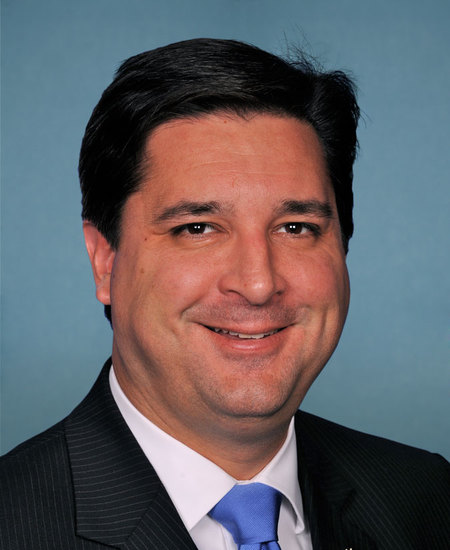
Rep. David Rouzer
Sponsored bills
Maddy summaryHR 3033, the Solidify Iran Sanctions Act of 2023, repeals the expiration date (sunset) from the 1996 Iran Sanctions Act. This permanently maintains existing U.S. sanctions targeting Iran's weapons programs, ballistic missile development, and support for terrorism. The bill directly affects Iran's government and entities involved in these activities by ensuring sanctions remain in effect without needing periodic renewal. It does not impose new sanctions but preserves current policy by removing the automatic expiration provision.
Maddy summaryThis bill would require Medicare to cover FDA-approved blood tests that screen for multiple cancers simultaneously (like breast, lung, or colorectal cancer) for beneficiaries. It directly affects Medicare recipients aged 65+ who could access these new screenings once per year, without prior authorization. The key provision adds "multi-cancer early detection screening tests" to Medicare's covered services under Part B, defining them as blood tests analyzing cell-free DNA, while maintaining existing coverage for standard screenings like mammograms. The bill does not change current coverage for individual cancer screenings but ensures Medicare keeps pace with new medical technology.
Maddy summaryThis bill modifies Medicare's rules for clinical laboratory testing to reduce administrative burdens. It requires the use of statistically valid sampling (instead of full reporting) for "widely available" tests - defined as tests costing under $1,000 per test with over 100 labs performing them - to determine payment rates starting in 2026. The bill also delays reporting deadlines until 2027, updates how labs are defined for payment purposes, and adds annual payment increase caps (2.5% for common tests in 2024-2025, rising to 5% by 2028). These changes directly affect Medicare-participating labs, particularly independent and hospital-based labs conducting common tests.
Maddy summaryThis bill expands Medicare Part B coverage to include specific pharmacist services, directly affecting Medicare beneficiaries and pharmacists who provide these services. It adds new coverage for pharmacist evaluations and treatments related to certain illnesses (like COVID-19, flu, or strep throat) and public health emergencies, requiring payment at 80% of the lesser of actual charge or 85% of physician payment rates (100% during emergencies). The bill also prohibits balance billing for these services, ensuring beneficiaries pay only the standard Medicare copayment. These changes aim to improve access to pharmacist care during health crises while aligning payment with existing physician service frameworks.
Maddy summaryHR 1610 would modernize Medicare coverage for chiropractic care by removing the current restriction that limited beneficiaries to one chiropractic service per visit. It expands coverage to include all services provided by licensed chiropractors within their state-authorized scope, aligning Medicare with VA, military, and private insurance practices. The bill requires chiropractors to complete a Secretary-approved educational webinar to cover non-spinal services, while still allowing payment for spinal manipulation treatments without this requirement. This directly affects Medicare beneficiaries seeking chiropractic care and chiropractors seeking Medicare reimbursement for their services.
Maddy summaryThe Drug Testing for Welfare Recipients Act (HR 204) requires states to implement drug screening for individuals aged 18+ seeking Temporary Assistance for Needy Families (TANF), food stamps (SNAP), or public housing/Section 8 rental assistance. It mandates states to determine if applicants have had drug-related arrests in the past five years, with those having such arrests needing to test negative for controlled substances, while those without such arrests must complete substance abuse screening. Individuals who test positive for drugs would lose benefits for up to one year or until they complete treatment and test negative again. States failing to enforce these requirements face a 15% reduction in federal funding for these programs, and states cannot charge applicants for testing costs.
Maddy summaryThis bill bans federal funding for abortions in most cases, prohibiting the use of taxpayer money for abortion services or health insurance plans covering abortion. Exceptions allow funding for abortions resulting from rape, incest, or when a pregnancy endangers a woman's life. It requires health insurance plans sold through the Affordable Care Act (ACA) marketplaces to clearly disclose any separate costs for abortion coverage and prohibits ACA subsidies from being used for plans that cover abortion (except in the specified exceptions). The law directly affects federal programs like Medicaid, ACA marketplace plans, and insurers offering health coverage to individuals using federal subsidies.
Maddy summaryHR 5089, the *Reducing Regulatory Burdens Act of 2023*, removes the requirement for permits under the Clean Water Act when authorized pesticides are discharged into navigable waters from point sources (like agricultural fields). It directly affects pesticide applicators (e.g., farmers, pest control services) and regulators (EPA, states), eliminating a permit step for standard pesticide applications. The bill amends the Clean Water Act to state that permits are not needed for discharges of authorized pesticides or their residues, unless the discharge results from a FIFRA violation, involves stormwater, or falls under specific industrial categories. This simplifies regulatory compliance for routine pesticide use while maintaining exceptions for discharges linked to violations or certain industrial processes.
Maddy summaryHR 1586, the Forest Protection and Wildland Firefighter Safety Act of 2023, exempts certain fire suppression activities from requiring permits under the Clean Water Act. It directly affects federal agencies like the Forest Service, National Park Service, and Bureau of Land Management, as well as state, local, and tribal governments conducting wildfire response. The bill's key provision removes the need for a Section 402 permit under the Clean Water Act when these covered entities discharge fire retardants, chemicals, or water for fire control or prevention. This change streamlines firefighting operations by eliminating a specific permitting step during active wildfire events.