

Maddy summaryHR 3453, the Empower Charter School Educators to Lead Act, creates new federal grants to help educator-led teams plan and open charter schools. It provides up to $100,000 per team for pre-charter planning, targeting groups led by educators with at least 4.5 years of school-based experience (including after-school programs) and a demonstrated ability to lead. To qualify, teams must submit a community needs assessment and a plan showing how their proposed school will address those needs. The bill reserves 5% of relevant funding for these educator-led grants, adjusting existing ESEA grant formulas to prioritize this new support. This directly affects educators seeking to start charter schools and the communities where those schools would operate.
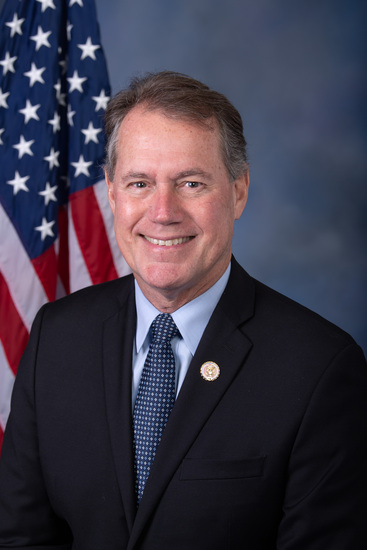
Rep. Ed Case
Sponsored bills
Maddy summaryHR 909, the Crime Victims Fund Stabilization Act of 2025, modifies how funds from the False Claims Act are deposited into the Crime Victims Fund. It specifies that from 2025 through 2029, certain False Claims Act proceeds (specifically those for qui tam plaintiff payments and government damage reimbursements) cannot be deposited into the fund. This change directly affects the composition of the Crime Victims Fund by excluding these specific revenue streams during the specified period. The bill does not create new benefits or alter victim services; it only adjusts fund allocation rules for existing False Claims Act revenues.
Maddy summaryThis concurrent resolution (HCONRES 69) commemorates the 15th anniversary of the January 8, 2011, Tucson shooting that killed six people and injured 13, including former Congresswoman Gabby Giffords. It honors the victims, survivors, and Giffords - now a prominent advocate for gun violence prevention - and recognizes her leadership in promoting civility and reducing gun violence. The resolution also commends Tucson residents and first responders for their resilience and reaffirms Congress’s commitment to respectful dialogue and opposing political violence. As a ceremonial resolution, it does not create new laws or policies.
This resolution expresses the sense of the House of Representatives that (1) Congress should adopt a fiscal target to reduce the federal budget deficit to 3% of gross domestic product or less as soon as possible and no later than the end of FY2030; and (2) after the target is achieved, Congress should continue to pursue further deficit reduction with the goal of achieving a balanced federal budget.
Maddy summaryThis bill directs the National Cancer Institute to review stomach cancer incidence, risk factors (like H. pylori infection), screening effectiveness, and current awareness efforts among high-risk groups and the public. It also requires the Defense Department to study stomach cancer rates, military-specific risk factors (including burn pit exposure and H. pylori), and disparities among active-duty service members and veterans. Both reviews must be completed within 18 months of enactment, with reports to Congress containing recommendations for improved screening guidelines, prevention strategies, and military health system protocols. The findings aim to inform future public health actions targeting early detection and reducing disparities in stomach cancer outcomes.
Maddy summaryHR 4837, the Written Informed Consent Act, requires the Veterans Health Administration (VHA) to update its existing directive on informed consent to include additional medication classes. Specifically, it mandates that written informed consent must be obtained before prescribing antipsychotics, stimulants, antidepressants, anti-anxiety medications (anxiolytics), and narcotics (opioids) to veterans. This expansion directly affects veterans receiving these medications through the VA system, ensuring they are informed about specific treatment risks and alternatives. The key mechanism is amending VHA Directive 1005 to broaden its application beyond long-term opioid therapy to cover the newly listed medication types.
Maddy summaryHR 4611 (EACH Act of 2025) requires all federally funded health programs - including Medicaid, Medicare, military health plans, and the Indian Health Service - to cover abortion services without restrictions, repealing the Hyde Amendment's long-standing ban on federal funding for most abortions. This directly affects millions of people enrolled in these programs, particularly low-income women, women of color (including 25% of Black women and 22% of Hispanic women on Medicaid), and young people. The bill mandates coverage in all federally administered health plans and prohibits state or private insurers from restricting abortion coverage in health insurance. It aims to eliminate current federal and state barriers that deny abortion access to people who rely on government health programs.
Maddy summaryHR 6901 establishes two key programs for civilian workers involved in U.S. nuclear weapons programs. It creates a commemorative medal for current or former civilian employees or contractors who directly participated in atomic weapon detonations, cleanup of radioactive material from detonations or accidents, or were exposed to radiation during WWII. The bill also creates a $75,000 compensation program for eligible individuals diagnosed with specific radiation-linked cancers (like leukemia, thyroid cancer, or lung cancer) who participated in cleanup efforts, requiring documentation and offsetting any existing payments under the Radiation Exposure Compensation Act. This bill directly affects civilian workers and contractors with documented exposure or participation in nuclear program cleanup activities.
Maddy summaryThe "Peace Through Strength Against Russia Act of 2025" proposes to significantly expand and strengthen U.S. sanctions against the Russian Federation and its supporters. The bill mandates blocking property and restricting visas for Russian government officials, state-owned financial institutions, and entities supporting Russia's defense industrial base or war efforts in Ukraine, including those involved in kidnapping Ukrainian children. Key provisions prohibit U.S
Maddy summaryHR 6895, the Debt Solution and Accountability Act, requires the Treasury Secretary to submit detailed reports to Congress before increasing the debt limit. These reports must include current and projected debt levels, drivers of future debt, plans to reduce debt growth (short, medium, and long-term), and analyses of how debt limit actions affect government spending, debt service, and the dollar's global role. The bill also mandates a progress report within 180 days after any debt limit increase or suspension, and requires public posting of all reports on Treasury's website for six months. Additionally, it grants congressional committees specific access to Treasury financial data upon request, including cash flow details and debt transaction information. The bill focuses solely on transparency and reporting requirements, without altering debt policy or spending levels.