

Maddy summaryThis bill amends the Department of Defense's Transition Assistance Program (TAP) and the Department of Veterans Affairs' Solid Start Program to enhance mental health support during military-to-civilian transitions. It requires TAP to provide specific information on suicide risk factors (including depression, homelessness, and relationship strain), treatment options for conditions like PTSD and substance abuse, and the impact of losing social support systems. The Solid Start Program must now assist veterans in enrolling in VA healthcare and educate them about available mental health resources. The Secretaries of Defense and Veterans Affairs must jointly report to Congress within one year on the materials developed under these changes.
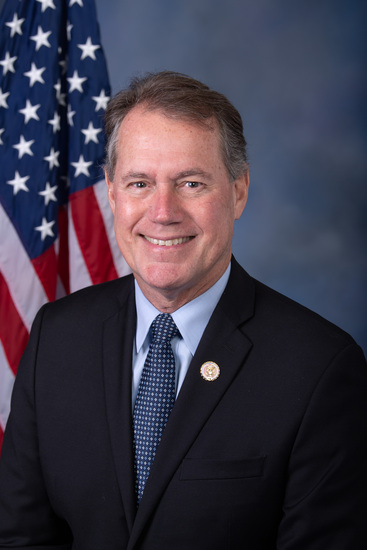
Rep. Ed Case
Sponsored bills
Maddy summaryThe PORCUPINE Act amends the Arms Export Control Act to include Taiwan alongside New Zealand and Israel in specific certification and reporting requirements related to U.S. arms exports. This legislative change ensures Taiwan is treated similarly to these allied nations in certain foreign policy contexts involving defense article transfers. The bill also directs the Secretary of State to assess the feasibility of creating an expedited licensing process for military equipment transfers from designated allies to Taiwan within 90 days. Additionally, the act requires biennial reports on the implementation of these amendments and includes a provision stating that the legislation does not alter existing U.S. policy toward Taiwan under the Taiwan Relations Act. The entire measure is set to expire seven years after its enactment.
Maddy summaryHRES 996 is a resolution introduced by multiple House members to impeach Kristi Lynn Arnold Noem, the Secretary of Homeland Security, for alleged violations of law and the Constitution. It outlines three articles of impeachment: obstructing congressional oversight by denying access to detention facilities and withholding funds, violating public trust through warrantless arrests and excessive force (including tear gas on children), and self-dealing by awarding federal contracts to associates without competitive bidding. If approved by the House, this resolution would formally charge Noem, triggering a Senate trial to determine her removal from office. The resolution itself does not enact new policy but initiates the constitutional impeachment process against a sitting Cabinet official.
Maddy summaryHRES 995 is a symbolic resolution supporting Korean American Day, commemorating January 13 as the anniversary of the 1903 arrival of the first large wave of Korean immigrants to the U.S. It urges all Americans to recognize Korean Americans' contributions to U.S. society, economy, and U.S.-South Korea relations, honoring their historical journey and ongoing impact. The resolution has no legal effect or policy changes - it serves solely as a formal acknowledgment of cultural heritage.
Maddy summaryThis bill amends the Food and Nutrition Act of 2008 to explicitly include both "urban and rural parts" of Hawaii in two specific references within the law. It directly affects how food assistance programs administered under the Act apply to rural communities in Hawaii, ensuring these areas are formally recognized in the legal text. The change is purely technical, updating language to prevent ambiguity about rural coverage without altering program benefits or eligibility. This is a minor procedural adjustment, not a substantive policy change.
Maddy summaryThe Partnerships for Agricultural Climate Action Act creates a federal grant program to fund climate-friendly farming practices that reduce greenhouse gas emissions, store carbon in soil, and increase resilience to extreme weather. It provides grants to state and tribal governments, farmer groups, cooperatives, and conservation organizations to develop or implement projects meeting specific climate goals, with priority for initiatives supporting beginning farmers, socially disadvantaged producers, and those incorporating Indigenous agricultural knowledge. The program allocates $150 million annually from 2026 to 2034 (with at least one-third reserved for tribal governments), requiring non-federal matching funds for most applicants and strict rules on fund usage and reporting.
Maddy summaryThis bill amends federal grant provisions to increase funding and clarify terms for Alaska Native and Native Hawaiian-serving agricultural education institutions. It extends the maximum grant period from unspecified to three years and adjusts funding levels, increasing annual support to $15 million per year from fiscal years 2027 through 2031 (up from $10 million annually in prior years). The changes directly affect institutions designated as serving Alaska Native or Native Hawaiian students in agricultural education programs. The policy update ensures stable, long-term funding for these institutions to support student enrollment and program development.
Maddy summaryHR 6088, the *Restoring Food Security for American Families and Farmers Act of 2025*, repeals specific sections (10101-10108) from a prior reconciliation law. This action revives previous provisions related to food security programs that were modified by those repealed sections. The bill directly affects federal food assistance and agricultural support programs by restoring their prior legal framework. It does not create new policies but reverses recent changes to existing food security measures.
Maddy summaryHR 5164 renews federal funding for U.S. aquaculture research programs, providing $15 million annually from fiscal years 2026 through 2030. It directly affects research institutions and organizations receiving federal grants under the Food and Agriculture Act of 1977. The bill removes a previous cap on indirect costs (like administrative expenses) for these grants, allowing full reimbursement under new rules, while maintaining other cost limitations. This change aims to streamline funding for aquaculture innovation without altering the program's core purpose.
Maddy summaryThis bill establishes a federal grant program to boost domestic sales of U.S.-grown specialty crops (like fruits, vegetables, nuts, and nursery products). It authorizes $75 million annually to fund grants for eligible organizations - such as agricultural trade groups, cooperatives, or state agencies - that develop marketing plans for domestic promotion. Grantees must provide at least 25% non-Federal matching funds (including in-kind support) and cannot use funds to promote foreign products or most for-profit corporations. The program includes strict oversight, requiring annual reviews, spending audits, and evaluations to ensure funds effectively expand domestic markets for specialty crops.