Maddy summaryThis bill requires the Secretary of Agriculture to suppress wildfires on specific National Forest System lands within 24 hours of detection. It directly affects lands classified as high-risk - those in severe drought (D2+), under National Wildland Fire Preparedness Level 5, or in the top 10% of fire exposure zones. Key provisions mandate immediate suppression of prescribed fires that exceed limits, prohibit hindering state/local firefighting efforts, and restrict using fire as a management tool to only compliant prescribed burns. Backfires or burnouts may only be initiated with an incident commander’s order or for firefighter safety, and must be controlled until extinguished.
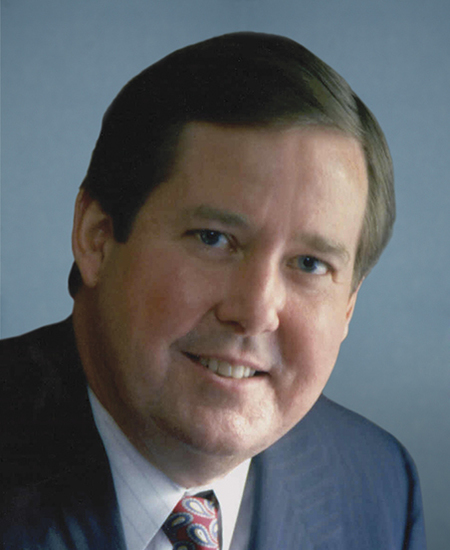
Rep. Ken Calvert
Sponsored bills
Maddy summaryThis bill establishes specific water allocation requirements for Central Valley Project (CVP) agricultural contractors based on water year types, guaranteeing at least 100% of contract water in Wet and Above Normal years, 50% in Dry years, and other specified percentages in other conditions. It requires CVP and SWP operations to follow the Preferred Alternative and Biological Opinions, with strict conditions for reconsultation during severe drought periods (requiring 4 consecutive years of D3/D4 drought). The bill also includes infrastructure provisions for the Shasta Dam enlargement project and includes a 7-year sunset provision for its main operational requirements. These provisions directly affect CVP contractors, SWP contractors, and water management agencies in California.
Maddy summaryThe Proven Forest Management Act of 2022 streamlines forest management activities on National Forest System land, primarily focusing on reducing wildfire risk through fuel reduction projects. It requires the Secretary of Agriculture (managing National Forests) to coordinate with local governments and communities when planning projects, while mandating multiple ecosystem benefits like reducing forest fuels, improving water quality, and maintaining biodiversity - unless costs are deemed excessive. A key provision allows projects under 10,000 acres (with up to 3,000 acres of mechanical thinning) to bypass certain environmental reviews under the National Environmental Policy Act (NEPA), provided they align with local input and forest plans. This directly affects federal land managers and communities near National Forests by accelerating wildfire risk mitigation while maintaining ecological standards.
Maddy summaryThe Maximum Pressure Act (HR 6114) is a legislative proposal that would maintain and expand U.S. sanctions against Iran. The bill would codify existing sanctions, require Iran to meet 12 specific conditions before sanctions could be lifted (including ending support for terrorism, releasing hostages, and ending nuclear enrichment), and expand sanctions on Iran's Revolutionary Guard Corps and missile programs. It also establishes new reporting requirements for the U.S. government to monitor Iran's activities and the impact of sanctions. The legislation would require congressional review before any sanctions could be lifted or modified, preventing the executive branch from unilaterally easing restrictions.
Maddy summaryThis bill revokes a specific waiver determination related to Iran sanctions that the State Department submitted to Congress on September 11, 2023. It directly affects the application of certain sanctions under two 2012 laws: the National Defense Authorization Act (Section 1245(d)(5)) and the Iran Freedom and Counter-Proliferation Act (Sections 1244(i) and 1247(f)). The bill’s key provision is to nullify the September 11 waiver, meaning the underlying sanctions must now be enforced without exception. This is a procedural change that reinstates the original sanctions requirements, not a new policy.
Maddy summaryHR 5840, the Transportation Security Screening Modernization Act of 2024, simplifies the process for transportation workers to obtain multiple TSA security credentials. It requires the TSA to allow individuals to apply for and renew programs like the TWIC (Transportation Worker Identification Credential) and HAZMAT Endorsement through a single enrollment at any TSA center, with a combined fee lower than separate applications. The bill mandates coordinated expiration dates for all credentials and ensures state-issued commercial driver's licenses reflect the correct HAZMAT endorsement validity. These changes aim to reduce duplication and costs for workers needing multiple security clearances. The TSA must implement these changes within two years and publish details online.
Maddy summaryThe Maintaining Investments in New Innovation Act (HR 5547) extends the exclusivity period for certain advanced drugs from 7 to 11 years. It defines an "advanced drug product" as a drug using genetically targeted technology to change how genes work, such as drugs that suppress or activate gene function. The bill amends the Social Security Act to update the definition of "qualifying single source drug" to include these advanced therapies with the longer exclusivity period. This change directly affects drug manufacturers developing such advanced therapies and influences Medicare's drug coverage rules by delaying generic competition for these specific treatments.
Maddy summaryThis bill would require Medicare to cover FDA-approved blood tests that screen for multiple cancers simultaneously (like breast, lung, or colorectal cancer) for beneficiaries. It directly affects Medicare recipients aged 65+ who could access these new screenings once per year, without prior authorization. The key provision adds "multi-cancer early detection screening tests" to Medicare's covered services under Part B, defining them as blood tests analyzing cell-free DNA, while maintaining existing coverage for standard screenings like mammograms. The bill does not change current coverage for individual cancer screenings but ensures Medicare keeps pace with new medical technology.
Maddy summaryThe Secure the Border Act of 2023 is a comprehensive immigration bill that focuses on strengthening border security, reforming asylum processes, and updating employment verification systems. The bill requires the immediate resumption of border wall construction, mandates specific staffing levels for Border Patrol agents, and establishes new technology investment plans for Customs and Border Protection. It also introduces stricter asylum eligibility rules, expands penalties for visa overstays, and creates a new employment eligibility verification system that requires employers to check worker authorization status. Additionally, the bill includes provisions for family detention standards, child repatriation policies, and increased funding for border security operations while prohibiting certain types of funding for organizations that facilitate illegal immigration.
Maddy summaryHR 589, the MAHSA Act, imposes U.S. sanctions on Iran's Supreme Leader, President, and affiliated entities responsible for human rights abuses and terrorism. It targets the Supreme Leader's Office, the President's cabinet, security forces involved in the crackdown following Mahsa Amini's death, and entities financing abuses. The bill requires the President to annually determine and apply existing sanctions - like property blocking and visa bans - against these individuals and entities. This directly affects Iran's top leadership and security apparatus, aiming to hold them accountable for abuses including the Morality Police's role in Amini's detention and the subsequent violent suppression of protests.