Maddy summaryHB 5704 establishes a working group to study how to create a construction workforce pipeline program, focusing on training students and workers for skilled trades jobs. The group will examine expanding high school pre-apprenticeship programs, increasing career awareness, removing barriers to apprenticeships, and exploring financial incentives for employers. It will include representatives from trade associations, schools, business groups, and education officials, with the first report due by December 2025. The bill does not create the program itself but directs a study to inform future policy, with no fiscal impact on state or local budgets.
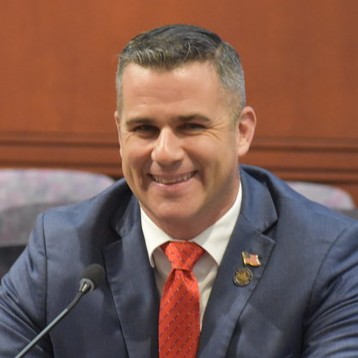
Rep. Greg Howard
Sponsored bills
Maddy summaryHB 5749 requires new residential and commercial developments, major renovations (increasing wastewater by 25%+), and replacements of failing systems in "environmentally sensitive areas" to install nitrogen-reducing septic systems. These systems must meet performance standards set by the Department of Public Health and undergo annual inspections. The bill applies to properties in designated zones at risk from nitrogen pollution, such as coastal areas, watersheds, and near drinking water sources. It takes effect October 1, 2025, with departments required to establish standards and designate sensitive areas by March 2026.
Maddy summaryHB 5026 exempts the sale, storage, use, and consumption of aircraft weighing less than 6,000 pounds (maximum certificated takeoff weight) from state sales and use taxes. This change directly affects owners, buyers, and sellers of small aircraft, such as personal or small business planes. The bill amends existing tax law to create a uniform exemption for this category of aircraft, removing a tax burden previously applied to their purchase and use. It does not apply to larger aircraft or other taxable items.
Maddy summaryHB 5037 establishes the Connecticut Connect 700 Program to create new state government hiring pathways for people with disabilities. The bill requires the state to offer up to 700 hours of paid on-the-job trial work experience to qualifying individuals, allowing them to demonstrate skills before permanent hiring. This program directly affects state agencies and job seekers with disabilities by promoting inclusive hiring, reducing workforce turnover, and increasing diversity in state employment. The key mechanism is the structured trial period designed to foster economic self-sufficiency while helping the state build a more diverse workforce.
Maddy summaryThis bill establishes the Mystic Aquarium Animal Rescue Fund to support the aquarium's work rescuing, rehabilitating, and releasing stranded marine mammals. Funded through annual state appropriations from the General Fund, the money will directly support the aquarium's rescue operations, educational outreach programs, and marine conservation research. The fund specifically targets marine mammal welfare and scientific efforts, benefiting the Mystic Aquarium's program and broader coastal conservation initiatives in Connecticut.
Maddy summaryHB 5800 allocates unspecified annual funding from the state General Fund to support rifle teams at technical high schools, continuing existing program financing. The bill appropriates money for the fiscal years ending June 2026, 2027, and each year after that. It directly affects technical high schools that operate rifle teams by providing ongoing financial support for their participation in competitive shooting sports. This is a straightforward funding measure with no new policy requirements or eligibility changes.
Maddy summaryHB 5802 (2025) requires the Commissioner of Administrative Services to increase the salaries of harbor masters. This bill directly affects harbor masters, who are state employees responsible for managing harbor operations. The key provision mandates a salary adjustment through the Commissioner's office, with no additional implementation details provided in the text. The bill focuses solely on adjusting compensation for this specific state workforce role.
Maddy summaryHB 5895 permits local and regional school districts to install security camera systems in self-contained special education classrooms, which are dedicated learning environments for students with specific needs. The bill amends education statutes to remove legal barriers preventing such installations, directly affecting school boards and administrators managing these specialized classrooms. Key provisions clarify that cameras may only be placed in self-contained special education settings, not general classrooms or school areas. The law aims to provide schools with a tool for monitoring safety in these specific instructional spaces, without mandating camera use. This is a policy change focused on enabling school districts to make their own decisions about safety measures in designated classrooms.
Maddy summaryHB 5892 establishes a task force composed of certified teachers from diverse school districts and grade levels to study how standardized exams impact students. The task force will analyze the effects of state-mandated exams and develop recommendations to improve their implementation or explore alternative methods for measuring student achievement. This bill does not change current testing requirements but creates a formal process to evaluate their impact. The task force’s work is intended to inform future policy decisions about assessment practices. (3 sentences)
Maddy summaryHB 5891 would create a tiered teacher evaluation system in Connecticut. Educators rated "proficient" or "exemplary" would no longer require annual formal evaluations, allowing them to focus more on classroom instruction. Those rated "developing" or "below standard" would continue to be evaluated annually. The bill aims to reduce administrative burden for high-performing teachers while providing ongoing support for educators needing improvement, as stated in the bill's purpose.