Issue · Housing

Housing

Every housing bill, vote, and legislator stance in Connecticut, automatically classified by Maddy, our AI policy reader.

Total bills
75
2026 Regular Session
Top supporter
Jan Hochadel
89% support rate
Top opponent
Stephen Harding
11% support rate
Ranked legislators
10
5 support · 5 oppose
Key legislators

Who's moving housing in Connecticut

Legislators moving housing in Connecticut
Legislator Party Stance Support rate Votes
Jan Hochadel
Jan Hochadel Senate · District 13
D
Strong +
89% 33
M.D. Rahman
M.D. Rahman Senate · District 4
D
Strong +
89% 33
Christine Cohen
Christine Cohen Senate · District 12
D
Strong +
89% 33
Mae Flexer
Mae Flexer Senate · District 29
D
Strong +
89% 33
Gary Winfield
Gary Winfield Senate · District 10
D
Strong +
89% 33
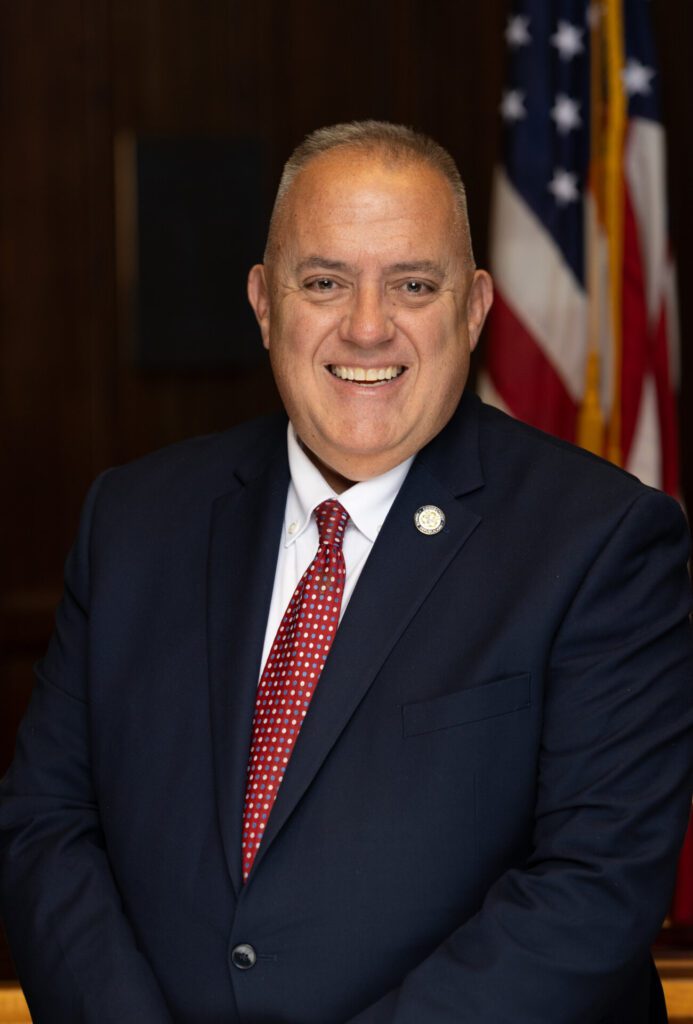
Stephen Harding
Stephen Harding Senate · District 30
R
Strong −
11% 33
Tony Hwang
Tony Hwang Senate · District 28
R
Strong −
11% 33
Eric Berthel
Eric Berthel Senate · District 32
R
Strong −
11% 33
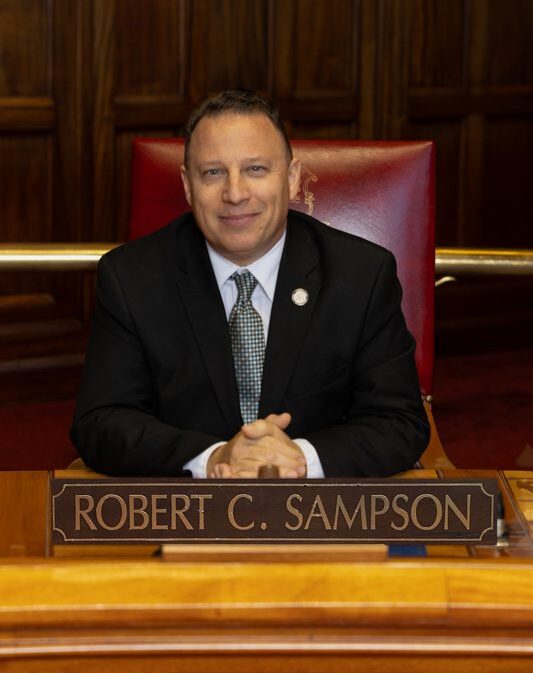
Rob Sampson
Rob Sampson Senate · District 16
R
Oppose
22% 33
Ryan Fazio
Ryan Fazio Senate · District 36
R
Oppose
22% 33
Showing 21–30 of 75 bills

All housing bills

passed · Connecticut · House Apr 10, 2026

HB 5314: AN ACT CONCERNING THE "HOMES FOR CT" LOAN PROGRAM.

HB 5314 updates Connecticut's "Homes for CT" loan program to set a clear interest rate cap: loans from participating financial institutions must charge a rate not exceeding The Wall Street Journal's published prime rate (replacing a previous Federal Home Loan Bank reference). It also expands the Connecticut Housing Finance Authority's role, allowing it to provide additional loans or forgivable grants-in-aid to eligible borrowers beyond those from banks, with these new loans being subordinate to bank loans. The changes directly affect Connecticut homebuyers (particularly first-time buyers) who qualify for the program through participating lenders. The bill takes effect July 1, 2026, and aims to streamline program administration while maintaining affordability.
signed · Connecticut · Senate Jun 4, 2026

SB 335: AN ACT CONCERNING UTILITY CHARGES FOR RESIDENTIAL DWELLING UNITS.

SB 335 prohibits landlords from charging tenants extra for utilities (like heat or electricity) if the rental unit lacks an individual meter for those services. It directly affects tenants in residential rental properties where utilities are included in rent but not separately metered. The bill amends rental agreement laws to make any clause requiring such payments unenforceable. Landlords must now charge only for utilities when a tenant has a dedicated meter, preventing "pass-through" fees for shared building systems. This takes effect October 1, 2026.
Sub-Topics Renters Tenant Rights
in committee · Connecticut · House Mar 18, 2026

HJ 31: RESOLUTION CONCERNING THE REAUTHORIZATION OF THE COMMUNITY INVESTMENT FUND BOARD AND PROGRAM.

This House Joint Resolution reauthorizes the Community Investment Fund 2030 Board and its program under Connecticut General Statute §32-285a. It enables the State Bond Commission to issue bonds for eligible projects during fiscal years 2028-2032, as required by law before bond issuance. The resolution does not change program details but formally continues the existing board's authority to review project applications and recommend funding to the Governor.
in committee · Connecticut · Senate Feb 11, 2026

SB 175: AN ACT AUTHORIZING BONDS OF THE STATE FOR STUDENT HOUSING AT THE AVERY POINT CAMPUS OF THE UNIVERSITY OF CONNECTICUT.

SB 175 authorizes the state to issue up to $40 million in bonds specifically for designing and building new student housing at the University of Connecticut's Avery Point Campus. This funding directly supports UConn students by expanding housing capacity at that campus location. The bill enables the State Bond Commission to issue these bonds, with proceeds dedicated solely to constructing new on-campus housing facilities.
Sub-Topics Higher Education
in committee · Connecticut · Senate Mar 25, 2026

SB 151: AN ACT PROHIBITING CERTAIN LAND USE AND ZONING LIMITATIONS ON HOUSING.

SB 151 prohibits local municipalities from imposing specific zoning restrictions that limit housing options, effective October 1, 2026. It directly affects local governments (by restricting their zoning authority), homeowners (especially those seeking to add accessory units or operate home-based businesses), and housing developers. Key provisions ban requirements like minimum lot sizes over 5,000 square feet for single-family homes, caps on multifamily units, excessive parking mandates, and restrictions on cottage food operations or home child care in residential zones. The bill exempts historic properties, agricultural land, and conservation areas, and does not override essential safety codes. This aims to increase housing density and affordability by removing common barriers to diverse housing types.
in committee · Connecticut · House Apr 7, 2026

HB 5160: AN ACT APPROPRIATING FUNDS TO ASSIST HOMELESS PERSONS.

HB 5160 appropriates $33.5 million from the state's General Fund to the Department of Housing for the 2026-2027 fiscal year to support programs assisting people experiencing homelessness. The bill directs the Department of Housing to use these funds for services and initiatives aimed at helping homeless individuals, including housing support and related assistance programs. It becomes effective on July 1, 2026, providing immediate funding for homeless assistance efforts without creating new programs or altering eligibility criteria.
signed · Connecticut · House Jun 4, 2026

HB 5163: AN ACT ESTABLISHING A TASK FORCE TO STUDY METHODS AND PROGRAMS FOR IMPROVING AFFORDABILITY FOR CHILDREN, FAMILIES AND YOUNG PROFESSIONALS.

HB 5163 establishes a state task force to study ways to improve affordability for children, families, and young professionals. The task force will examine existing programs (like cash assistance, child care, and job training), analyze systemic barriers (such as housing costs, transportation access, and racial disparities), and identify funding sources and collaboration opportunities between state agencies. Composed of agency commissioners, legislative leaders, and experts in relevant fields, the task force must submit a preliminary report by June 2027 and a final report by June 2028 to the legislature. The bill does not create new programs but aims to provide data-driven recommendations for future affordability initiatives.
Sub-Topics Affordable Housing
in committee · Connecticut · Senate Mar 26, 2026

SB 338: AN ACT CONCERNING HOUSING UNIT-EQUIVALENT POINTS FOR DEVELOPMENTS SUBJECT TO LITIGATION.

SB 338 modifies Connecticut's rules for municipalities seeking a moratorium on affordable housing appeals. It establishes that towns qualify for a 4-year (or 5-year for larger towns with housing plans) pause by completing housing developments totaling 2% of their total units (or 75 points, whichever is greater). Smaller projects (95% low-income or ≤40 units) and towns with existing housing plans are excluded from the moratorium and face adjusted thresholds (1.5% or 65 points). The bill defines specific point calculations for certification of completed housing developments, requiring documentation of unit locations, assigned points, and compliance with thresholds.
Sub-Topics Affordable Housing
in committee · Connecticut · House Apr 7, 2026

HB 5370: AN ACT ESTABLISHING A MEDICAL RESPITE PILOT PROGRAM.

HB 5370 establishes a five-year medical respite pilot program to provide supportive care for homeless individuals requiring medical recuperation but not hospitalization. The program, operating in four selected cities from 2026-2031, will offer up to four care units with 24-hour supervision, healthcare referrals, and case management to help participants secure housing. It requires a planning group with hospitals and homelessness nonprofits to design the program and pursue funding, along with two mandatory reports evaluating participant numbers, Medicaid cost savings, and expansion recommendations. The bill directly affects homeless individuals in participating cities by connecting medical care with housing support services.
Sub-Topics Medicaid Homelessness
in committee · Connecticut · Senate Mar 26, 2026

SB 332: AN ACT CONCERNING NOTICE TO PARTIES BEFORE A FAIR RENT COMMISSION.

SB 332 requires fair rent commissions in municipalities (with populations of 15,000+ per census) to provide clear written notice to hearing participants about their rights and the commission’s authority before hearings begin, and to announce this at the start of each hearing. The bill mandates that the Commissioner of Housing create and publish model notice templates on the Department of Housing website for local commissions to use. This applies directly to landlords, tenants, and other parties involved in fair rent commission hearings, as well as the commissions themselves. The law takes effect October 1, 2026, and focuses solely on improving procedural transparency.
Sub-Topics Renters Tenant Rights
Showing 21 to 30 of 75 bills
Previous 1 2 3 4 8 Next