Issue · Environment

Environment

Every environment bill, vote, and legislator stance in Connecticut, automatically classified by Maddy, our AI policy reader.

Total bills
62
2026 Regular Session
Top supporter
Minnie Gonzalez
100% support rate
Top opponent
Travis Simms
20% support rate
Ranked legislators
10
5 support · 5 oppose
Key legislators

Who's moving environment in Connecticut

Legislators moving environment in Connecticut
Legislator Party Stance Support rate Votes
Minnie Gonzalez
Minnie Gonzalez House · District 3
D
Strong +
100% 7
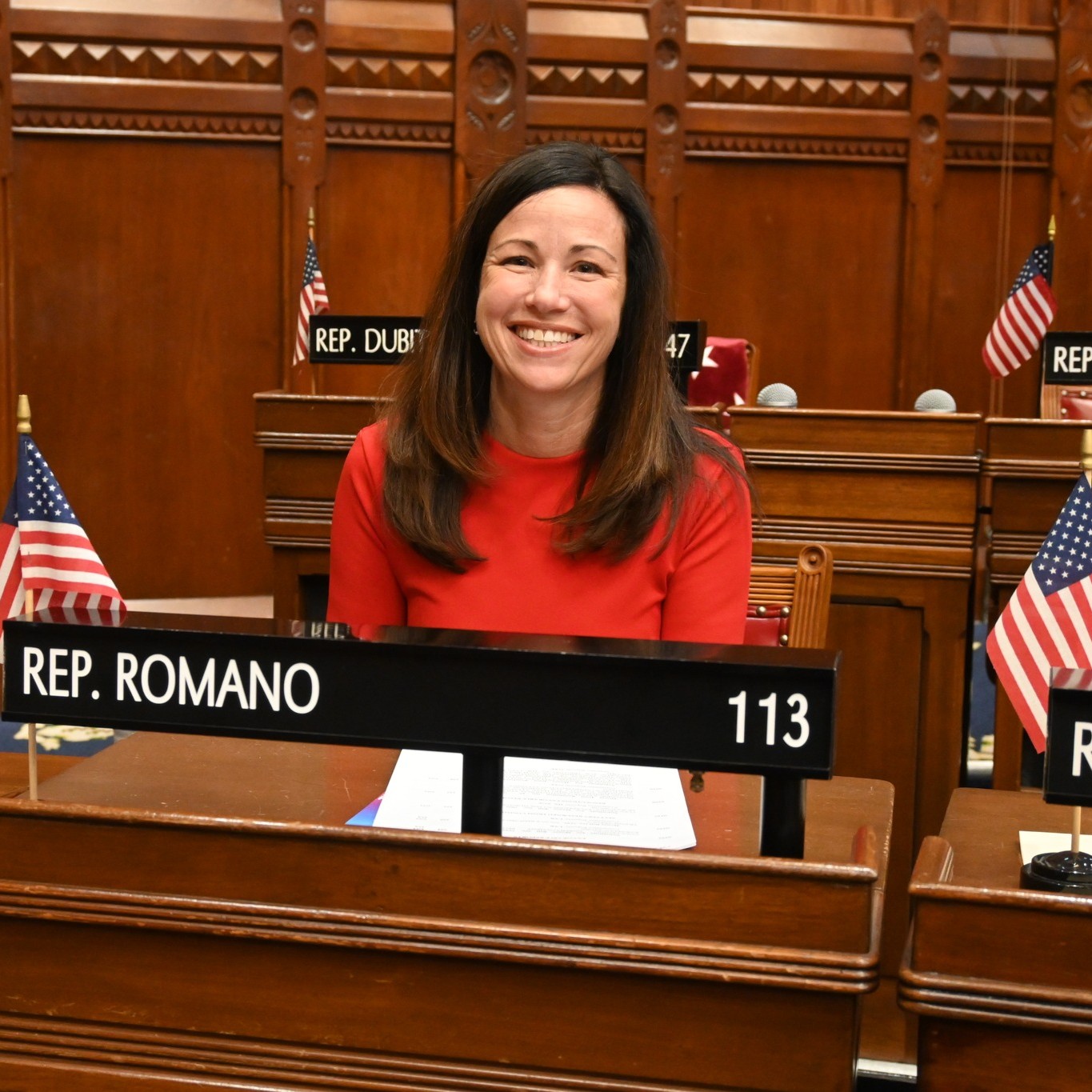
Amy Romano
Amy Romano House · District 113
R
Strong +
100% 5
Greg Howard
Greg Howard House · District 43
R
Strong +
100% 5
Doug Dubitsky
Doug Dubitsky House · District 47
R
Strong +
100% 7
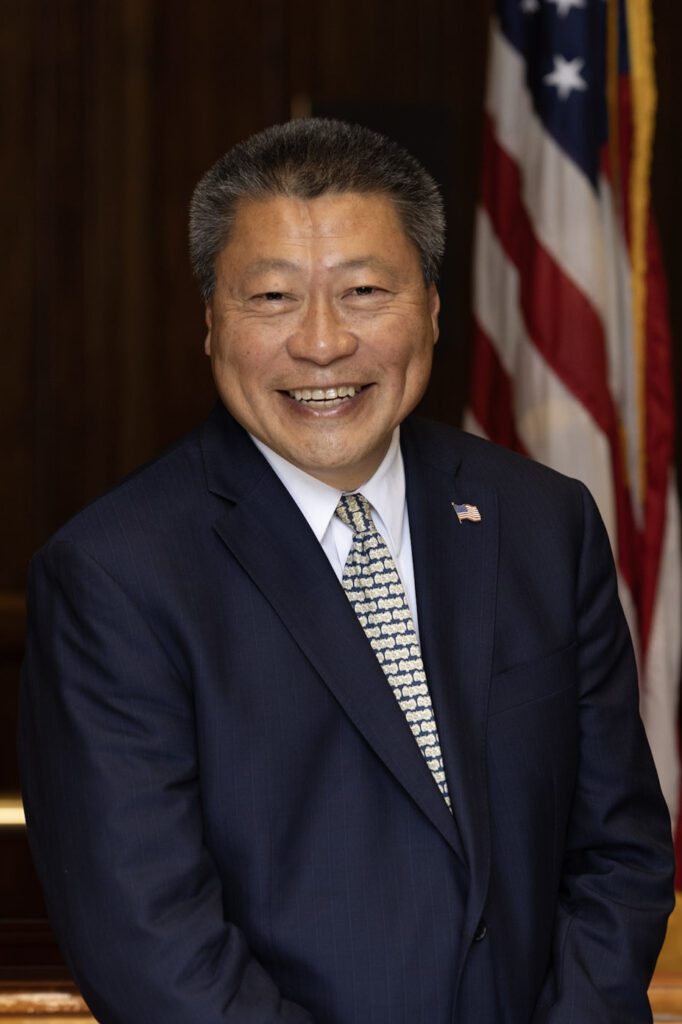
Tony Hwang
Tony Hwang Senate · District 28
R
Strong +
93% 16
Travis Simms
Travis Simms House · District 140
D
Strong −
20% 5
Matt Lesser
Matt Lesser Senate · District 9
D
Oppose
23% 15
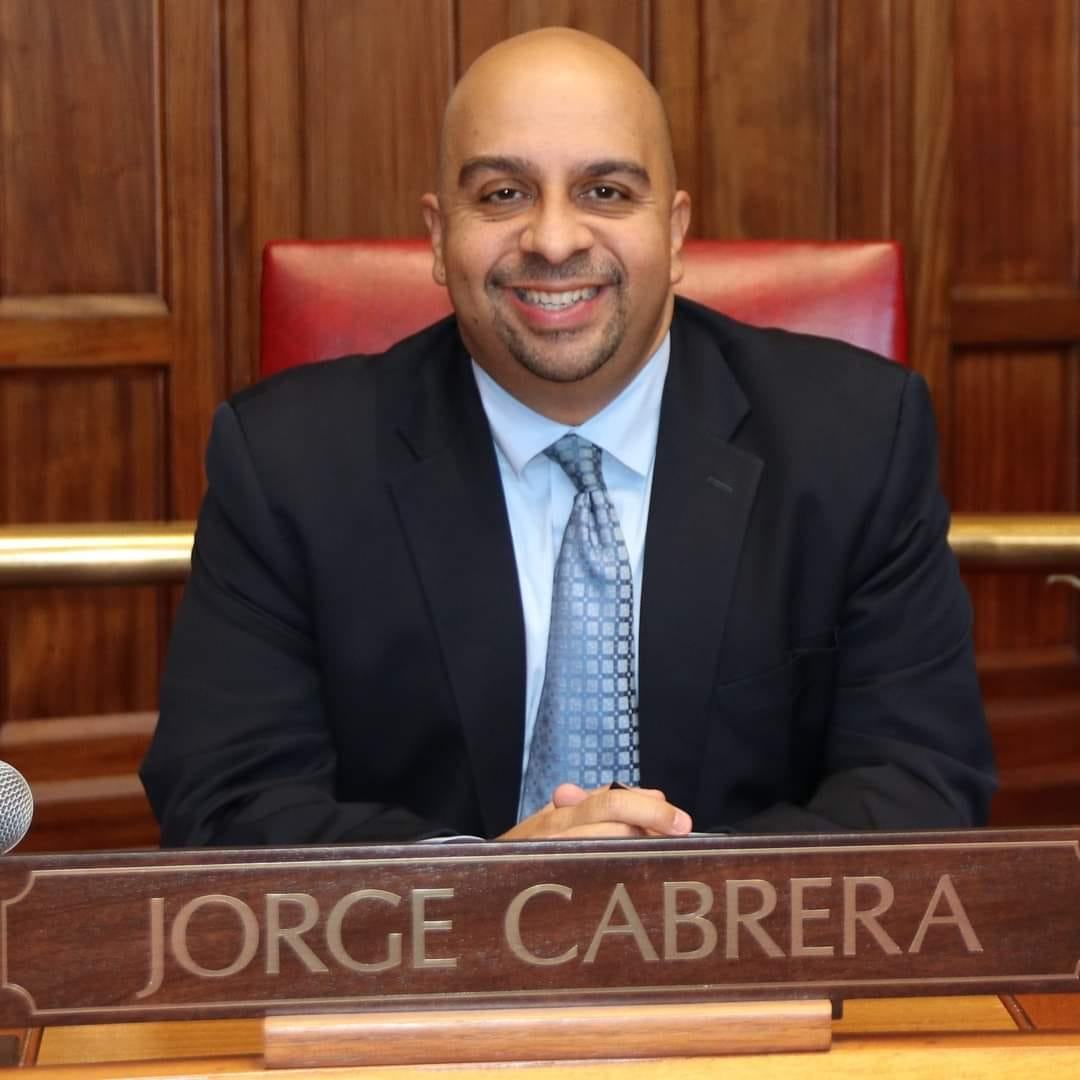
Jorge Cabrera
Jorge Cabrera Senate · District 17
D
Oppose
29% 16
Herron Gaston
Herron Gaston Senate · District 23
D
Oppose
29% 16
Bob Duff
Bob Duff Senate · District 25
D
Oppose
29% 16
Showing 41–50 of 62 bills

All environment bills

in committee · Connecticut · Senate Feb 4, 2026

SB 63: AN ACT AUTHORIZING BONDS OF THE STATE FOR THE REMEDIATION OF FILL PILE WASTE CONTAMINATION IN THE TOWN OF FAIRFIELD.

SB 63 authorizes the state to issue bonds (up to a specified amount) to fund a grant for Fairfield Town to clean up waste contamination from a specific fill pile site. The Department of Energy and Environmental Protection would administer the grant, directly supporting Fairfield's cleanup efforts. This bill provides funding for remediation but does not create new environmental regulations or change existing laws. It affects Fairfield residents by addressing a defined environmental site through state financial assistance.
in committee · Connecticut · Senate Feb 10, 2026

SB 109: AN ACT AUTHORIZING BONDS OF THE STATE FOR REHABILITATION OF UTILITIES ASSOCIATED WITH CONNECTING NORWICH PUBLIC WORKS THROUGH THE FORMER NORWICH STATE HOSPITAL PROPERTY AND EXTENDING TO THE PRESTON INCINERATOR SITE.

SB 109 authorizes the state to issue up to $5 million in bonds to fund the rehabilitation of sewer and water utility infrastructure. The funds will be provided as a grant to the Department of Energy and Environmental Protection to upgrade lines, pump stations, and related equipment connecting Norwich Public Works through the former Norwich State Hospital property (in Norwich and Preston towns) and extending to the Preston Incinerator site. This project directly affects the towns of Norwich and Preston by improving public utility infrastructure along this specific corridor. The bill focuses on concrete physical upgrades to aging utility systems, with no additional policy changes beyond the funding mechanism.
Sub-Topics Drinking Water
in committee · Connecticut · Senate Apr 8, 2026

SJ 37: RESOLUTION PROPOSING AN AMENDMENT TO THE STATE CONSTITUTION CONCERNING ENVIRONMENTAL RIGHTS.

This Senate Joint Resolution (SJ 37) proposes adding a new constitutional amendment to Connecticut's state constitution, establishing enforceable environmental rights for all residents. It would guarantee every person the right to clean air, water, soil, ecosystems, and a stable climate, requiring the state to protect these rights equitably regardless of race, gender, income, or location. The amendment also mandates the state to conserve natural resources and prohibits avoidable environmental harm or diversion of funds meant for environmental protection. If approved by voters in November 2026, this would become a permanent part of Connecticut's constitution, directly affecting all residents and future generations.
Sub-Topics Air Quality
signed · Connecticut · Senate Jun 2, 2026

SB 147: AN ACT CONCERNING A STUDY ON THE NEED FOR EXTENDED PRODUCER RESPONSIBILITY FOR ELECTRONIC NICOTINE DELIVERY SYSTEMS AND VAPOR PRODUCTS AND INCLUDING AEROSOL PAINTS UNDER THE PAINT STEWARDSHIP PROGRAM.

SB 147 directs the Commissioner of Energy and Environmental Protection to study whether extended producer responsibility programs are needed for recycling solar panels and vapes, focusing on material reuse, fire safety, and cost comparisons. The study will assess the volume of solar panels expected to be discarded in the next five years, fire risks from vape disposal, current disposal costs versus potential program costs, and required infrastructure for such programs. It also expands the existing paint stewardship program to include aerosol paints under the definition of "architectural paint." The Commissioner must submit a report with findings and recommendations by January 1, 2027.
Sub-Topics Recycling
in committee · Connecticut · House Apr 2, 2026

HB 5337: AN ACT CONCERNING DISTRICT HEATING SYSTEM INCENTIVES.

HB 5337 requires gas companies to create incentive programs for customers connecting to district heating systems that capture and distribute waste heat (minimum 30 million BTUs annually). These incentives, based on projected natural gas demand reductions using historical usage data, pay end-use customers for switching to district heating systems. The program must operate by March 2016 through June 2027, with the state Commissioner of Energy establishing a replacement program by July 2027. Funding is capped at $9 million total, collected through utility rates from gas customers in the system's service area, with payments limited to equivalent savings from existing conservation programs. This directly affects gas companies, district heating operators, and residential/commercial end-users who connect to qualifying systems.
Sub-Topics Oil & Gas Conservation
signed · Connecticut · Senate May 27, 2026

SB 9: AN ACT SUPPORTING COMMUTERS AND MICROTRANSIT SERVICES AND CONCERNING PUBLIC TRANSPORTATION.

SB 9 provides a tax credit for Connecticut businesses with 100 or more employees in federally designated "severe nonattainment" air quality areas (as defined by the Clean Air Act). The credit covers 50% of eligible spending on commuting programs that reduce single-occupancy vehicle trips, including public transportation, carpooling, or microtransit services, up to $250 per employee annually, with a total annual cap of $1.5 million. Businesses must submit a plan to the state transportation department detailing how they will implement these programs to qualify for the credit.
in committee · Connecticut · Senate Mar 31, 2026

SB 320: AN ACT ESTABLISHING A WORKING GROUP CONCERNING ELECTRIC TRANSMISSION FACILITIES AND ELECTRIC GRID CAPACITY PLANNING.

SB 320 creates a working group within the Department of Energy and Environmental Protection, required to begin by October 1, 2026. The group will examine delays in building electric transmission lines, costs for grid upgrades needed for new energy projects (like solar), and fair cost-sharing methods for infrastructure improvements. It must submit recommendations to the legislature by July 1, 2027, focusing on state agency coordination, grid planning, and potential policy changes affecting utilities and energy developers. This bill directly affects state agencies, electric distribution companies, and future energy infrastructure decisions.
signed · Connecticut · House Jun 4, 2026

HB 5153: AN ACT CONCERNING MINOR REVISIONS TO DEPARTMENT OF ENERGY AND ENVIRONMENTAL PROTECTION RELATED STATUTES.

HB 5153 creates a new electric vehicle rebate program prioritizing residents in environmental justice communities and low-income households. It allows rebates or vouchers for purchasing or leasing battery electric, plug-in hybrid, or fuel cell vehicles, with income eligibility capped at 300% of the federal poverty level and a 200% bonus for qualifying residents. Vehicles must cost $50,000 or less, and rebates prioritize those in environmental justice communities or participating in state assistance programs. The bill also makes minor adjustments to land conservation grant rules, allowing urban agriculture or habitat restoration on publicly owned land in targeted communities, but this affects less than 20% of annual grant funding.
signed · Connecticut · House Jun 4, 2026

HB 5241: AN ACT CONCERNING A STUDY OF TRIPLE BOTTOM LINE JUSTICE.

HB 5241 establishes a pilot program in a city with over 148,000 residents to test a "Triple Bottom Line Justice" approach, which integrates environmental cleanup, health equity, and community engagement. The program requires state health and environmental agencies to partner with a local community organization to use ICD-10 Z codes (which track social and environmental health factors) in healthcare billing, aiming for 20% adoption by 2030. It mandates annual reports on progress, develops educational materials for healthcare providers on these codes, and evaluates how transforming polluted sites ("Brownfields to Healthfields") can reduce long-term health costs. The pilot must conclude by January 2028 with a final report to the legislature.
in committee · Connecticut · House Apr 7, 2026

HB 5330: AN ACT CONCERNING CERTAIN WILDLIFE ACTION PLANS.

HB 5330 establishes a state conservation program for wildlife species not traditionally harvested, requiring Connecticut's Department of Energy and Environmental Protection to implement actions like habitat protection, climate impact monitoring, and assistance for private landowners. The bill creates a legislative working group with representatives from conservation groups, universities, local governments, water utilities, and agricultural organizations to develop a funding plan for the program, with a report due by January 15, 2027. It also authorizes the sale of wildlife-themed merchandise (e.g., stamps, posters) to generate revenue for the program, which will be allocated to the conservation efforts. The program takes effect on October 1, 2026.
Sub-Topics Conservation Wildlife
Showing 41 to 50 of 62 bills
Previous 1 4 5 6 7 Next