

Issue · Energy
Energy (Solar)
Every energy bill, vote, and legislator stance in Connecticut, automatically classified by Maddy, our AI policy reader.
Total bills
7
2026 Regular Session
Top supporter
Tony Hwang
100% support rate
Top opponent
Bob Duff
12% support rate
Ranked legislators
10
5 support · 5 oppose
Key legislators
Who's moving solar in Connecticut
| Legislator | Party | Stance | Support rate | Votes |
|---|---|---|---|---|
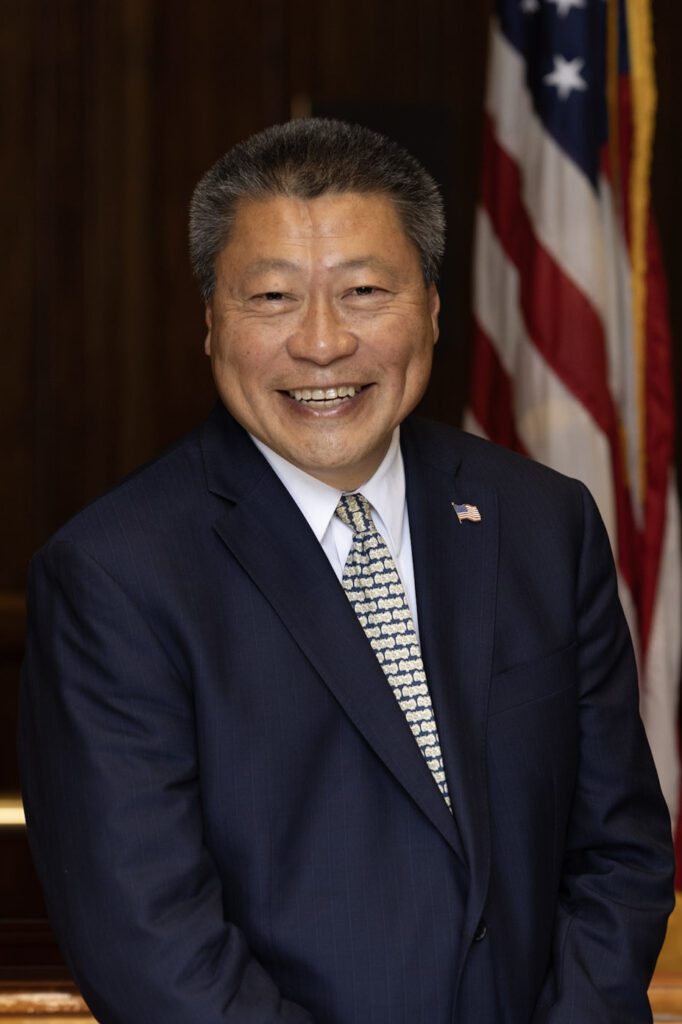
Tony Hwang
Senate · District 28
|
R |
Strong +
|
100% | 8 |
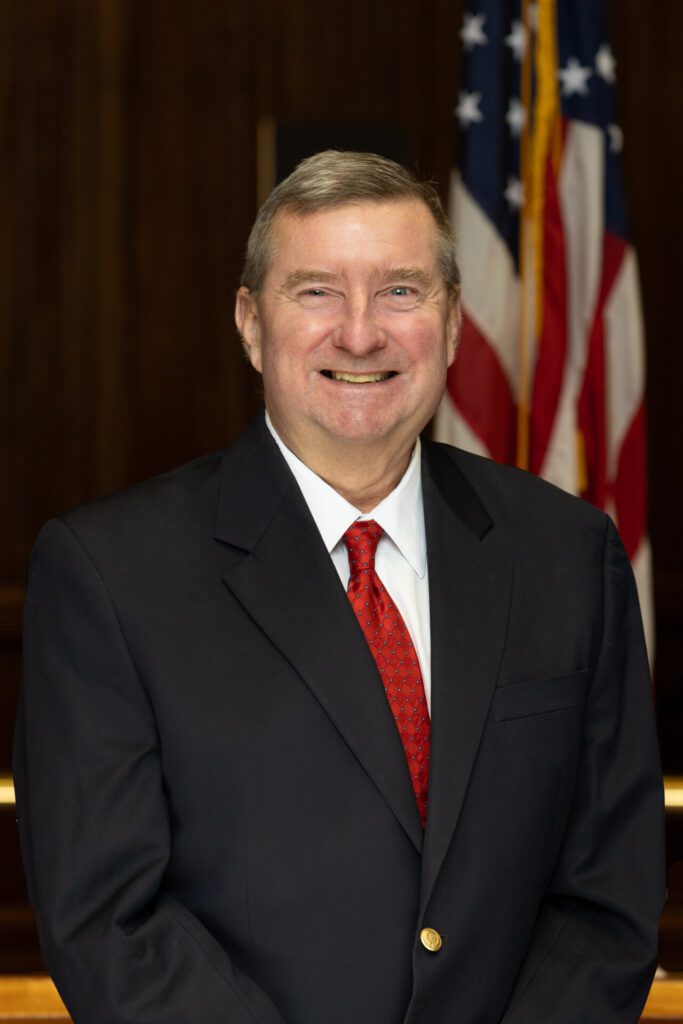
John Kissel
Senate · District 7
|
R |
Strong +
|
100% | 7 |
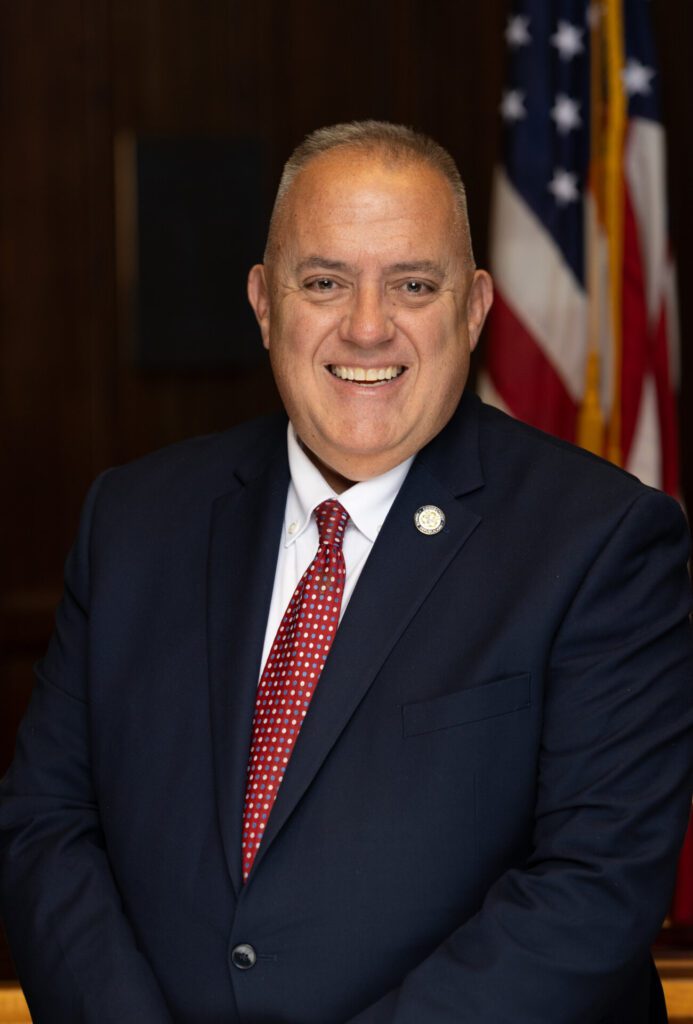
Eric Berthel
Senate · District 32
|
R |
Strong +
|
88% | 8 |
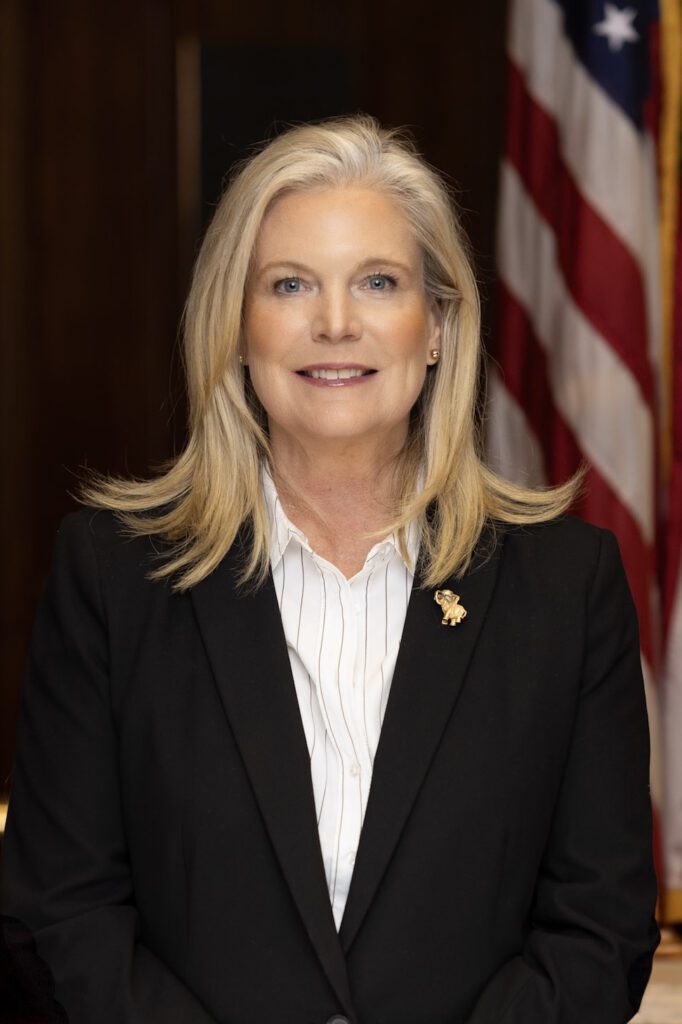
Heather Somers
Senate · District 18
|
R |
Strong +
|
88% | 8 |
Henri Martin
Senate · District 31
|
R |
Strong +
|
88% | 8 |
Bob Duff
Senate · District 25
|
D |
Strong −
|
12% | 8 |

Ceci Maher
Senate · District 26
|
D |
Strong −
|
12% | 8 |

Christine Cohen
Senate · District 12
|
D |
Strong −
|
12% | 8 |

Derek Slap
Senate · District 5
|
D |
Strong −
|
12% | 8 |

Doug McCrory
Senate · District 2
|
D |
Strong −
|
12% | 8 |
Showing 7 of 7
bills
All energy bills
HB 5442: AN ACT CONCERNING THE PROPERTY TAX EXEMPTION FOR AND TAX AGREEMENTS RELATED TO CERTAIN CLASS I RENEWABLE ENERGY SOURCES.
Topics
✓ Budget & TaxesSupports Budget & TaxesBill expands property tax exemptions for renewable energy systems, providing tax relief to homeowners, farms, and businesses while promoting sustainable energy adoption.
✓ EnergySupports EnergyBill expands property tax exemptions for renewable energy systems, promoting solar, wind, and geothermal adoption and strengthening clean energy infrastructure.
✓ EnvironmentSupports EnvironmentBill expands property tax exemptions for renewable energy systems including solar, wind, and geothermal, promoting clean energy adoption and environmental protection.
HB 5462: AN ACT CONCERNING NOISE POLLUTION.
Topics
✓ EnergySupports EnergyBill promotes renewable energy by testing solar-powered noise barriers, generating electricity while reducing noise, aligning with clean energy infrastructure goals.
✓ EnvironmentSupports EnvironmentBill promotes solar-powered noise barriers that reduce traffic noise while generating clean electricity, directly supporting environmental protection through renewable energy and pollution reduction.
✓ TransportationSupports TransportationBill establishes pilot program for solar-powered noise barriers on state highways, improving infrastructure and promoting sustainable transportation solutions.
SB 233: AN ACT CONCERNING CONSUMER PROTECTIONS REGARDING RESIDENTIAL SOLAR AND ENERGY STORAGE SYSTEMS.
HB 5036: AN ACT STREAMLINING RESIDENTIAL SOLAR PERMITTING AND ENERGY INFRASTRUCTURE.
Topics
✓ EnergySupports EnergyBill creates standardized solar permitting platform to accelerate residential solar adoption, directly advancing renewable energy infrastructure and reducing installation barriers for clean energy.
✓ TechnologySupports TechnologyCreates automated digital platform for solar permitting, advancing electronic government services per bill's 'smart solar permitting platform' and 'electronic government information' subjects.
Sub-Topics
Solar
HB 5340: AN ACT CONCERNING RENEWABLE POWER GENERATION.
Topics
✓ EnergySupports EnergyMandates tariffs for small-scale residential renewable systems, expanding access for low-income households and affordable housing developments per bill summary.
✓ EnvironmentSupports EnvironmentMandates renewable energy tariffs for residential systems under 25 kW, expanding clean energy access to low-income households and affordable housing, directly reducing emissions and promoting environmental protection.
SB 320: AN ACT ESTABLISHING A WORKING GROUP CONCERNING ELECTRIC TRANSMISSION FACILITIES AND ELECTRIC GRID CAPACITY PLANNING.
Topics
✓ EnergySupports EnergyCreates working group to address grid upgrade delays and costs for renewable projects (e.g., solar), enabling infrastructure development for clean energy integration.
✓ EnvironmentSupports EnvironmentCreates working group to address grid upgrades for solar energy, enabling renewable integration and supporting clean energy expansion.