Issue · Transportation

Transportation (Roads & Highways)

Every transportation bill, vote, and legislator stance in Colorado, automatically classified by Maddy, our AI policy reader.

Total bills
9
2026 Regular Session
Top supporter
Matt Martinez
100% support rate
Top opponent
Ken DeGraaf
0% support rate
Ranked legislators
10
5 support · 5 oppose
Key legislators

Who's moving roads & highways in Colorado

Legislators moving roads & highways in Colorado
Legislator Party Stance Support rate Votes
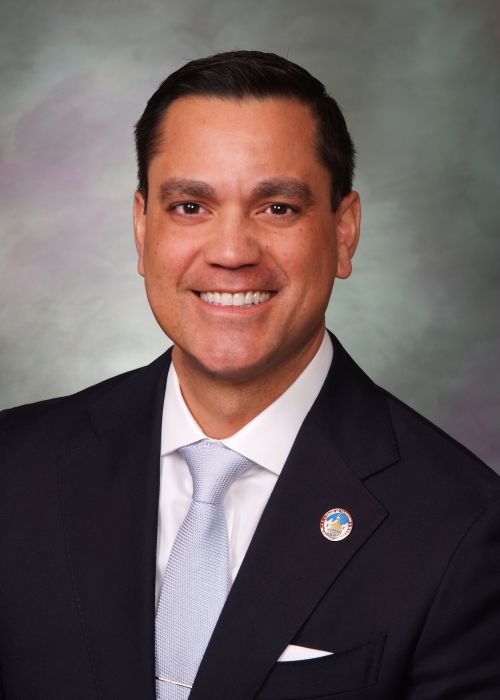
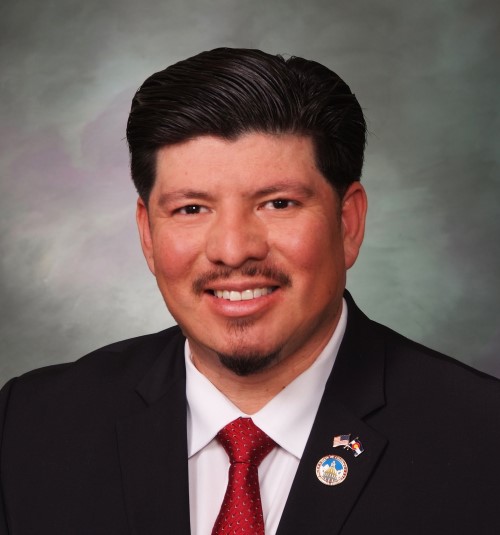
Matt Martinez
Matt Martinez House · District 62
D
Strong +
100% 6
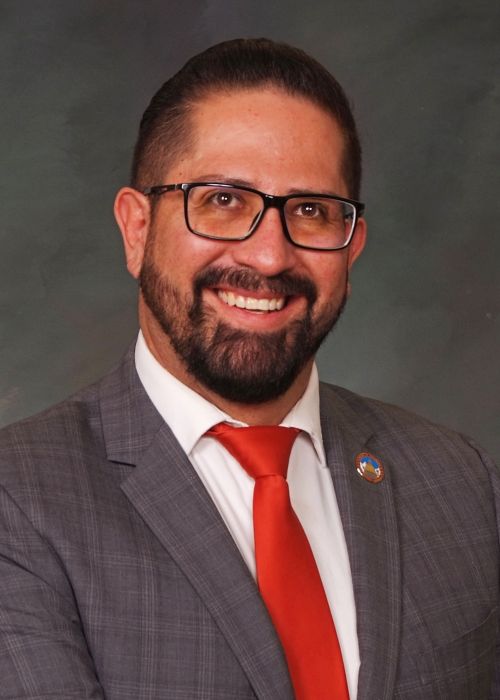
Sean Camacho
Sean Camacho House · District 6
D
Strong +
100% 6
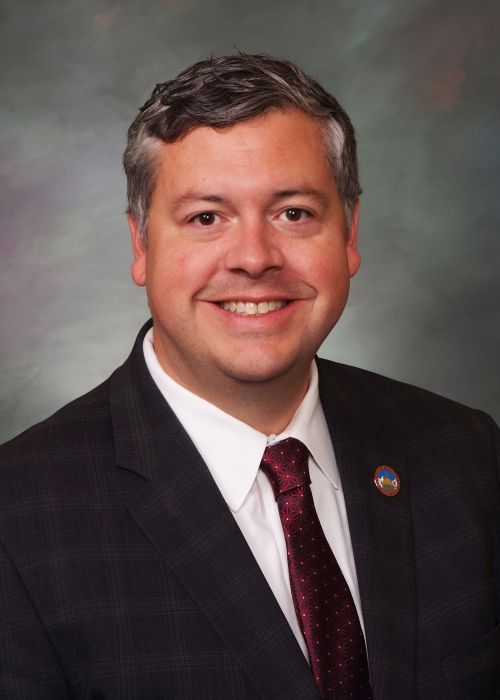
Steven Woodrow
Steven Woodrow House · District 2
D
Strong +
100% 6
Alex Valdez
Alex Valdez House · District 5
D
Strong +
100% 4
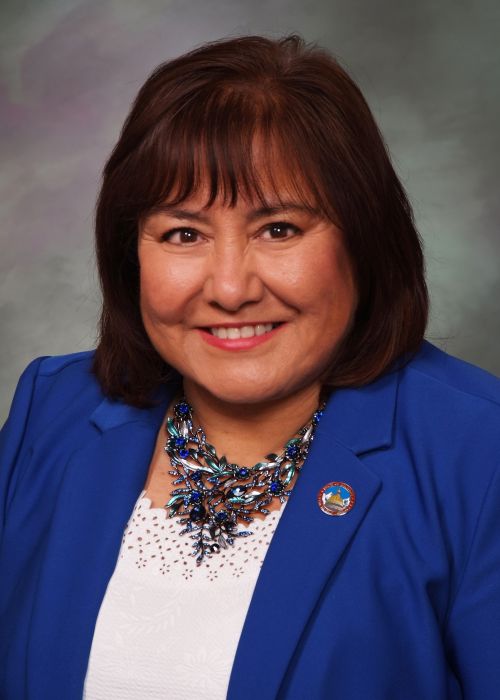
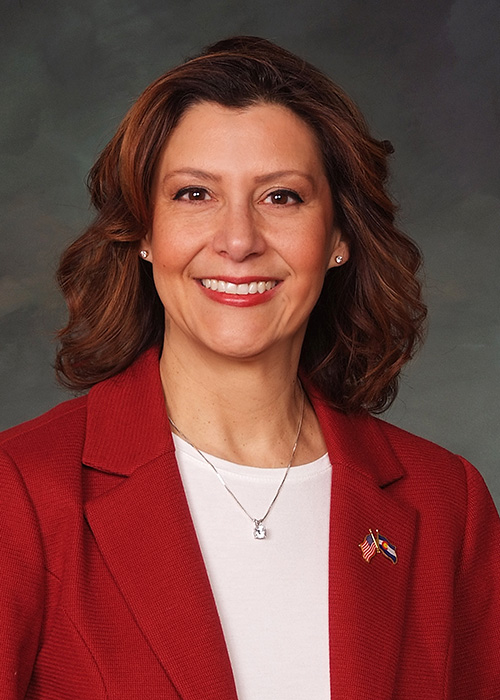
Cecelia Espenoza
Cecelia Espenoza House · District 4
D
Strong +
100% 4
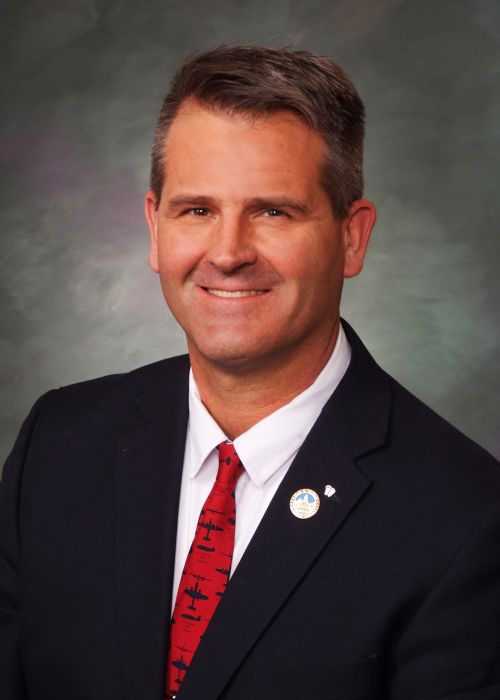
Ken DeGraaf
Ken DeGraaf House · District 22
R
Strong −
0% 5
Lori Garcia Sander
Lori Garcia Sander House · District 65
R
Strong −
0% 5
Ava Flanell
Ava Flanell House · District 14
R
Strong −
0% 4
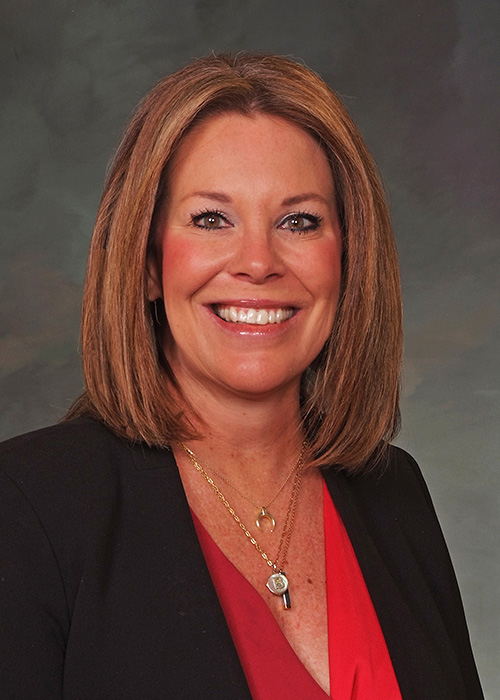
Brandi Bradley
Brandi Bradley House · District 39
R
Strong −
0% 4
Carlos Barron
Carlos Barron House · District 48
R
Strong −
0% 4
Showing 9 of 9 bills

All transportation bills

passed · Colorado · Senate May 20, 2026

SJR 24: Motorcycle Safety Awareness Month

This bill designates May 2026 as "Motorcycle Safety Awareness Month" in Colorado to promote rider safety and encourage shared road awareness. The resolution aims to highlight the importance of motorcycle rider training and education while reminding all drivers to be alert around motorcycles. It does not create new laws or change existing regulations but serves as a formal recognition to raise public awareness about motorcycle safety.
Sub-Topics Roads & Highways
passed both · Colorado · House Apr 16, 2026

HJR 1026: Governor Roy Romer Memorial Highway

This bill designates a specific section of Interstate 25 in Denver County, stretching from Mile Marker 204.51 to 213.13, as the Governor Roy Romer Memorial Highway to honor his public service. The legislation authorizes the Colorado Department of Transportation to accept donations and place signs marking this stretch of road, while also allowing for cooperation with local authorities to maintain those signs. This measure directly affects the state's transportation department and the communities along the designated highway by creating a permanent tribute to former Governor Roy Romer.
Sub-Topics Roads & Highways
signed · Colorado · Senate May 27, 2026

SB 141: Wildlife Collision Prevention

Beginning on January 1, 2027, the act authorizes an optional collision prevention fee (fee), which is collected at the time of registration of a passenger motor vehicle, light-weight truck, motorcycle, or recreational vehicle (motor vehicle). An individual may decline to pay the fee when registering a motor vehicle, and nonpayment of the fee does not affect the individual's ability to register the motor vehicle. In connection with imposing the fee, the statewide bridge and tunnel enterprise (enterprise) within the department of transportation (department) is required to collaborate with:The department of revenue and county clerks to develop language to notify individuals about the fee, including explicit language regarding the ability to decline to pay the fee and the fact that nonpayment of the fee will not affect an individual's ability to register a motor vehicle; andThe department of revenue, the department, county clerks, the division of parks and wildlife, and other impacted stakeholders to conduct a public outreach campaign to educate the public about the fee and what benefits the fee will provide. The enterprise is required to initiate the public outreach campaign as soon as practicable and must develop and deliver customer-facing educational materials to county clerks on or before December 1, 2026.The fee amount is set at $5 and, beginning in state fiscal year 2028-29, the enterprise is allowed to adjust this fee amount upward for inflation.     75% of the revenue from the fee is credited to the newly created collision prevention fund (fund), which is continuously appropriated to the enterprise for use in the following ways:To fund wildlife safe passage projects, defined as one or more projects that reduce wildlife-vehicle collisions and improve habitat connectivity by providing wildlife road crossings;To provide matching money as required by federal grant programs relating to wildlife safe passage projects; To expend for administrative and personnel expenses related to those purposes; andTo promote the fee and fund to maximize participation in the optional fee, in collaboration with the department of revenue, impacted stakeholders, and interested organizations.In determining which wildlife safe passage projects the enterprise will undertake, the enterprise is required to:Consult with the division of parks and wildlife (division) and the Colorado wildlife and transportation alliance;Consult with the tribal government if the project is on or adjacent to tribal land;Consult with relevant local governments with jurisdiction over the area of the proposed project and any relevant local organizations engaging in work to reduce vehicle collisions;Consider studies concerning the prioritization of wildlife within the state;Consider whether the wildlife safe passage project is related to a bridge or tunnel project undertaken by the enterprise; andIn consultation with the division, consider opportunities for landowner agreements or additional conservation efforts that may be necessary to ensure the continued functionality of infrastructure associated with a proposed wildlife safe passage project.     25% of the revenue from the fee is credited to the wildlife cash fund and continuously appropriated to the division to provide services related to wildlife connectivity and wildlife crossing-related conservation efforts.     The act also modifies the process for the keep Colorado wild pass fee, which is an existing optional fee paid at the time an individual registers a motor vehicle, to align with the process for the collision prevention fee by removing the presumption that an individual who declines to pay the keep Colorado wild pass fee is presumed to decline to pay that fee in subsequent years with respect to registration of the same motor vehicle. With this change, an individual must affirmatively opt out of the payment of both the keep Colorado wild pass fee and the collision prevention fee each year that the individual registers the motor vehicle.     For the 2026-27 state fiscal year:$53,516 is appropriated from the DRIVES cash fund to the department of revenue for use by the division of motor vehicles; Of funds appropriated from the parks and outdoor recreation cash fund to the department of natural resources for use by the division, $778 is reappropriated to the department of revenue for use by the division of motor vehicles; and$19,940 is appropriated from the legal services cash fund, from revenue received from the department from the collision prevention fund, to the department of law to provide legal services for the department.(Note: This summary applies to this bill as enacted.)
signed · Colorado · House Mar 26, 2026

HB 1170: Department of Transportation Supplemental

The 2025 general appropriations act is amended to balance and make adjustments to the total amount appropriated to the department of transportation.(Note: This summary applies to this bill as enacted.)
signed · Colorado · House Jun 1, 2026

HB 1102: Funding for Colorado DRIVES Account

The act redirects a portion of certain vehicle registration fees to increase the amount of revenue that is directed to the Colorado DRIVES vehicle services account (DRIVES account) created in the highway users tax fund (HUTF). Beginning on July 1, 2026, the act redirects fees for special vehicle registrations for personalized license plates from the HUTF to the DRIVES account; except that, consistent with current law, $2 of each fee is remitted to the county general fund. Beginning on July 1, 2027, the act redirects $2 of each late vehicle registration fee from the HUTF to the DRIVES account and, consistent with current law, credits the remainder of the fees to the HUTF.(Note: This summary applies to this bill as enacted.)
signed · Colorado · Senate May 27, 2026

SB 35: Increase of Traffic Violation Penalties

The act increases the penalties for improperly passing a vehicle in a no-passing zone and clarifies that no-passing zones are indicated by a solid yellow line or line pavement markings. The act requires the Colorado department of transportation to prioritize installing signage on roadways with increased incidents of crashes resulting from illegal overtaking on the left.     The act increases the points assessed for multiple speeding violations within a one-year, 2-year, or 5-year period for driving 20 miles per hour or more in excess of the reasonable and prudent speed or driving in excess of a 75 miles per hour speed limit and requires drivers driving a vehicle 100 miles per hour or greater be assessed 4 additional points. The act requires that drivers who have multiple speeding violations within a one-year, 2-year, or 5-year period receive a summons and complaint upon committing their violation instead of a penalty assessment notice.     The act increases the fine for violating regulations regarding transporting hazardous materials by motor vehicle to $500 and increases the fine range for a second or subsequent violation to $500 to $1,000.     The act appropriates $30,943 to the Colorado department of revenue from the Colorado DRIVES vehicle services account.(Note: This summary applies to this bill as enacted.)
passed · Colorado · House Apr 21, 2026

HB 1071: Local Government Vehicle Identification System on Interstate Highways

Current law allows the state to locate an automated vehicle identification system (AVIS) on a highway that is part of the federal interstate highway system but prohibits a county, city and county, or municipality (local government) from doing so. The bill authorizes a local government city and county or municipality to locate an AVIS on a highway that is part of the federal interstate highway system.(Note: Italicized words indicate new material added to the original summary; dashes through words indicate deletions from the original summary.)(Note: This summary applies to the reengrossed version of this bill as introduced in the second house.)
signed · Colorado · Senate Apr 20, 2026

SB 21: Clean Fleet Enterprise Replace Aging Diesel Trucks

The act authorizes the clean fleet enterprise (enterprise) to incentivize, support, and accelerate the replacement of a truck that is part of a fleet and that is powered by a diesel-fueled internal combustion engine, is a model year of 2009 or earlier, and is registered, operable, and capable of independent roadway operation (aging diesel truck) with a diesel truck that is a model year of 2018 or later (new diesel truck) until December 31, 2031. The act also allows the enterprise to provide funding or financing through grant programs, rebate programs, revolving loan funds, or other strategies to help owners and operators of aging diesel truck fleets finance the replacement of aging diesel trucks with new diesel trucks to reduce the up-front costs of acquiring new diesel trucks until December 31, 2031.     The enterprise may use the clean fleet enterprise fund to provide money to support the replacement of aging diesel trucks with new diesel trucks, but the enterprise is required to ensure that it does not expend more than 20% of the fund's income during a state fiscal year for the support.     To qualify for any money provided by the enterprise for the replacement of aging diesel trucks with new diesel trucks, the act requires a purchaser of the new diesel truck to surrender an aging diesel truck to the seller of the new truck. The seller of the new diesel truck must decommission the aging diesel truck by drilling a hole in the engine's block and cutting the chassis rails in half. The seller must be an authorized dealer of new diesel trucks who must certify that the new diesel truck meets all state and federal emissions and safety standards for its model year.     The enterprise must prioritize applications to replace aging diesel trucks from businesses that are privately owned, independently owned, or have limited access to capital. The enterprise is not allowed to accept an application from the owner or operator of a motor vehicle fleet that owns, leases, or operates more than 50 heavy-duty motor vehicles or from a business entity with annual gross revenue exceeding $100 million. The enterprise is required to prioritize the replacement of an aging diesel truck that has a model year of no later than 2006.     The act expands the business purpose of the enterprise to include providing incentives and support for refrigerated transport units powered by zero emission technology. The act allows the enterprise to exercise its rights and powers without regard to the state 'Procurement Code'.     The act requires the enterprise to annually prepare a report that includes the estimated pollution reduction benefits of the enterprise. The enterprise must seek to ensure that all projects funded by the enterprise achieve measurable results and outcomes.(Note: This summary applies to this bill as enacted.)
passed · Colorado · Senate Feb 24, 2026

SR 1: Morgan County Road Improvements

This Senate Resolution (SR 1) demands that the Colorado Department of Transportation (CDOT) prioritize funding and implement road improvement projects for state highways in Morgan County. It cites a 2023 CDOT assessment showing 70% of Morgan County's non-interstate state highways (about 145 miles) have a drivability life of three years or less, likely declining to one year by 2025. The resolution urges CDOT to reevaluate its project planning to address this underserved condition, specifically addressing Morgan County's road maintenance needs. As a non-binding resolution, it does not create new law or funding but formally requests CDOT action.
Sub-Topics Roads & Highways