Issue · Labor & Employment

Labor & Employment (Workplace Safety)

Every labor & employment bill, vote, and legislator stance in Colorado, automatically classified by Maddy, our AI policy reader.

Total bills
3
2026 Regular Session
Top supporter
Yara Zokaie
100% support rate
Top opponent
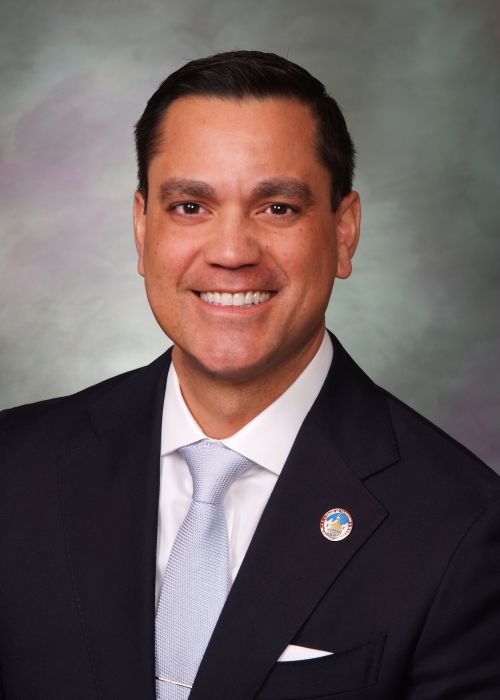
Chris Richardson
0% support rate
Ranked legislators
10
5 support · 5 oppose
Key legislators

Who's moving workplace safety in Colorado

Legislators moving workplace safety in Colorado
Legislator Party Stance Support rate Votes
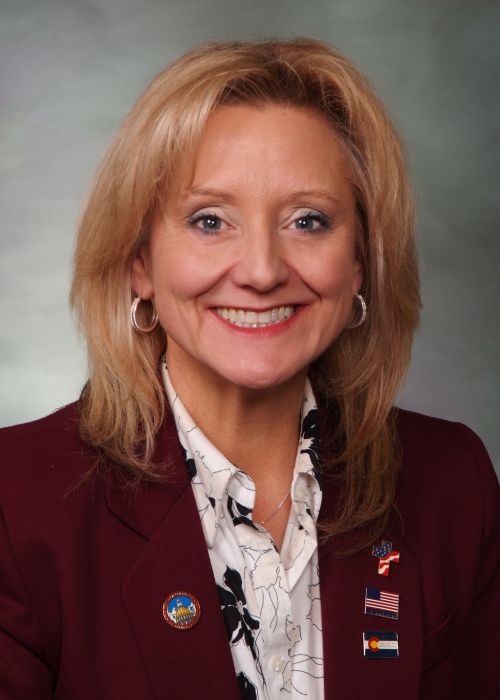
Yara Zokaie
Yara Zokaie House · District 52
D
Strong +
100% 10
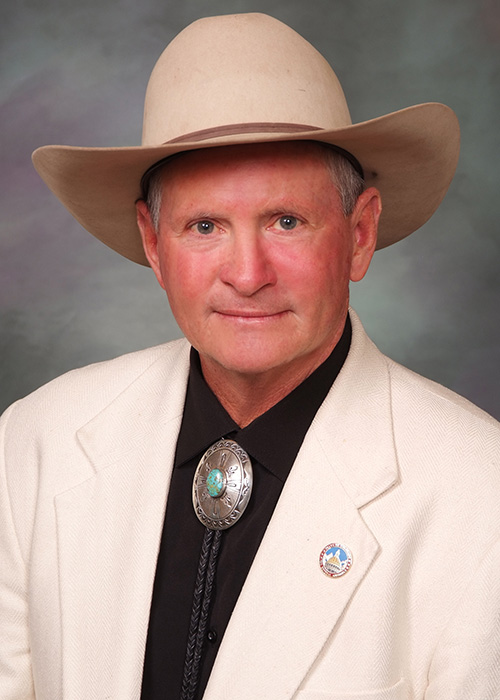
Bob Marshall
Bob Marshall House · District 43
D
Strong +
100% 7
Javier Mabrey
Javier Mabrey House · District 1
D
Strong +
100% 7
Regina English
Regina English House · District 17
D
Strong +
100% 7
Sean Camacho
Sean Camacho House · District 6
D
Strong +
100% 7
Chris Richardson
Chris Richardson House · District 56
R
Strong −
0% 7
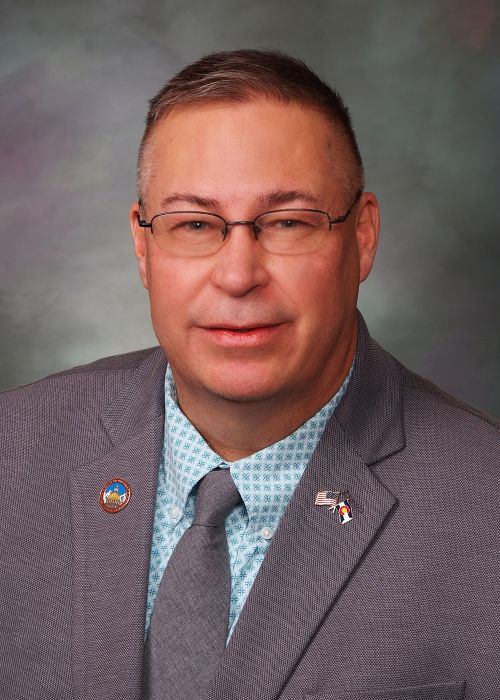
Larry Suckla
Larry Suckla House · District 58
R
Strong −
0% 7
Rebecca Keltie
Rebecca Keltie House · District 16
R
Strong −
0% 7
Matt Soper
Matt Soper House · District 54
R
Strong −
0% 5
Rick Taggart
Rick Taggart House · District 55
R
Strong −
0% 5
Showing 3 of 3 bills

All labor & employment bills

signed · Colorado · Senate Jun 3, 2026

SB 160: Personal Protective Equipment & Meatpackers

The act prohibits employers from making deductions from the wages or compensation of an employee for personal protective equipment. The act also requires an employer with 500 or more employees who are engaged in the slaughter of livestock or the rendering or packaging of meat to provide its employees reasonable access to restrooms. The division of labor standards and statistics in the department of labor and employment may fine an employer who fails to provide restroom access.(Note: This summary applies to this bill as enacted.)
passed · Colorado · House May 13, 2026

HB 1054: Protections for Worker Safety

Section 1 of the bill requires an employer to ensure the employer's workplace is free from recognized hazards, as interpreted consistent with the federal occupational safety and health administration's interpretation of the general duty clause of the 'Occupational Safety and Health Act of 1970' (OSH Act) as of September 1, 2025. Additionally, employers have the general duty to:Ensure that each workplace is constructed, equipped, arranged, operated, and conducted as to provide reasonable and adequate protection to the lives, health, and safety of all individuals employed or working in the workplace; andComply with standards for workplace health and safety adopted by rule by the division of labor standards and statistics in the department of labor and employment (division) attorney general.     The bill authorizes the following actions to address workplace health and safety concerns:The attorney general or the division may refer workplace health and safety concerns to relevant state or local authorities;The attorney general, the division, a labor organization, a worker organization, or a person aggrieved by a violation of the bill may file a civil action;For each violation of the bill or of rules adopted pursuant to the bill, a court may order the person an employer that violates the bill or rules to pay statutory damages to a person aggrieved by the violation; andA court may order a person an employer that violates the bill or rules adopted pursuant to the bill to pay a penalty to the attorney general for each violation.     The bill creates the workplace health and safety fund (fund) into which penalties collected pursuant to the bill are credited. The money in the fund may be used by the division attorney general for specified purposes.     The bill authorizes the division attorney general to adopt rules:To replace any requirement of the OSH Act or the 'Federal Mine Safety and Health Act of 1977' that is repealed or revoked; or amended in any manner that results in the federal protections of workers' rights or worker safety becoming less stringent; and      To define standards for workplace health and safety if there is no standard in effect under the OSH Act; andAs necessary to implement the bill.      Section 2 authorizes the attorney general to apply to the appropriate district court for an order for specified relief if a person fails to obey an investigative demand, subpoena, warrant, or other investigative process related to worker and employee protection.      Sections 2 3 through 8 11 make conforming amendments.(Note: Italicized words indicate new material added to the original summary; dashes through words indicate deletions from the original summary.)(Note: This summary applies to the reengrossed version of this bill as introduced in the second house.)
vetoed · Colorado · House May 28, 2026

HB 1005: Worker Protection Collective Bargaining

The act makes the following changes to the 'Labor Peace Act':Specifies that employees' right to bargain collectively includes the right to bargain collectively concerning any mandatory subject of bargaining;Eliminates the requirement for a second election to negotiate a union security agreement clause in the collective bargaining process;Declares that it is not an unfair labor practice for an employer to refuse to agree to a lawful proposal made by the exclusive representative of the employees, or for the exclusive representative of the employees to refuse to agree to a lawful proposal made by the employer, concerning a mandatory subject of bargaining if the refusing party has bargained in good faith with the other party; andRequires employers and employees, through their exclusive representative, to bargain in good faith.(Note: This summary applies to this bill as enacted.)