Issue · Criminal Justice

Criminal Justice (Policing)

Every criminal justice bill, vote, and legislator stance in Colorado, automatically classified by Maddy, our AI policy reader.

Total bills
3
2026 Regular Session
Top supporter
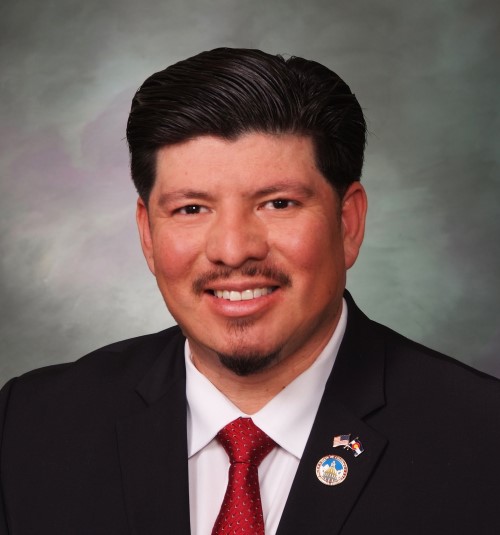
Yara Zokaie
100% support rate
Top opponent
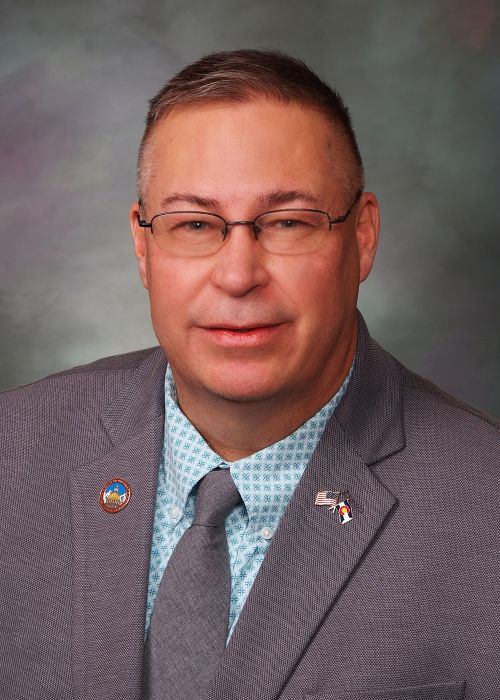
Rebecca Keltie
0% support rate
Ranked legislators
10
5 support · 5 oppose
Key legislators

Who's moving policing in Colorado

Legislators moving policing in Colorado
Legislator Party Stance Support rate Votes
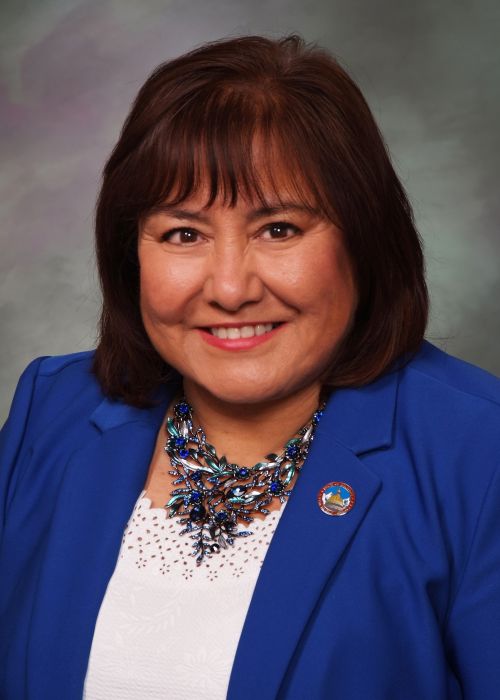
Yara Zokaie
Yara Zokaie House · District 52
D
Strong +
100% 8
Cecelia Espenoza
Cecelia Espenoza House · District 4
D
Strong +
100% 7
Chad Clifford
Chad Clifford House · District 37
D
Strong +
100% 7
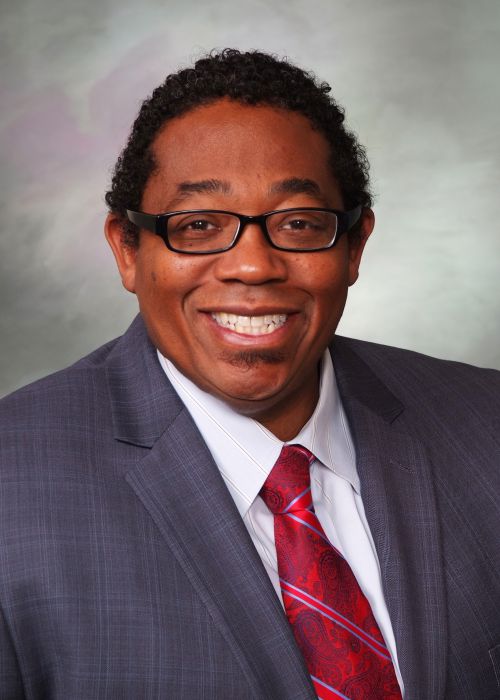
Michael Carter
Michael Carter House · District 36
D
Strong +
100% 7
Andy Boesenecker
Andy Boesenecker House · District 53
D
Strong +
100% 6
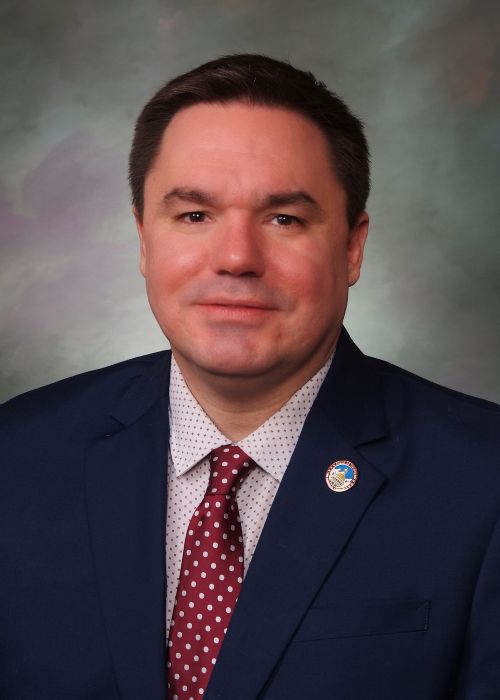
Rebecca Keltie
Rebecca Keltie House · District 16
R
Strong −
0% 6
Rick Taggart
Rick Taggart House · District 55
R
Strong −
0% 6
Stephanie Luck
Stephanie Luck House · District 60
R
Strong −
0% 5
Carlos Barron
Carlos Barron House · District 48
R
Strong −
0% 4
Chris Richardson
Chris Richardson House · District 56
R
Strong −
0% 4
Showing 3 of 3 bills

All criminal justice bills

signed · Colorado · Senate Jun 3, 2026

SB 190: Release Information About Peace Officer Use of Force

The act clarifies that video and audio recordings (recordings) depicting an incident of a peace officer's use of force that resulted in death (incident) must be provided to the decedent's immediate family within 21 days after the incident regardless of whether there is a complaint of peace officer misconduct for the incident.     The act requires the multi-agency team investigating the incident or the law enforcement agency that employs the peace officer who used force in the incident to notify the decedent's immediate family about the multi-agency team investigation into the incident within 24 hours after the scene of the incident is cleared. The notification must include the names of the law enforcement agencies that comprise the multi-agency investigating team and the status of the investigation.     The act prohibits a peace officer participating in the investigation of a criminal matter involving an incident from making an extrajudicial statement on behalf of a law enforcement agency that the peace officer knows or reasonably should know will be disseminated by means of public communication and will have a substantial likelihood of materially prejudicing an adjudicative proceeding on the matter. Video of an incident produced for purposes of a community or critical incident briefing must include certain disclaimers, and narration or commentary must be limited to the facts of the incident.(Note: This summary applies to this bill as enacted.)
signed · Colorado · House May 27, 2026

HB 1123: Preventing Sexual Abuse in Jails

The act permits a county or municipal jail (local detention facility) to conduct a strip search of a person who is detained in the local detention facility, only:When the facility is conducting intake of the detained person who has come in from outside the facility and a strip search upon intake is part of the detention facility's policy;When 2 personnel of the facility have determined and reasonably believe the detained person is concealing a controlled substance, a dangerous instrument, or contraband; or Under a circumstance or set of conditions in which there has been a prior incident of possession of a controlled substance, a dangerous instrument, contraband, or any other item that creates grave danger to property or injury to persons and substantially obstructs the performance of the institutional functions of the local detention facility, the circumstance or set of conditions give rise to a substantial likelihood that a similar incident may occur again, and the local detention facility has a written policy authorizing a strip search under the circumstances or set of conditions.     The act requires that each local detention facility document the number of, reason for, and results of a strip search in a report that each facility must submit annually to the jail standards advisory committee and the Colorado attorney general. The act requires detention facility personnel to record strip searches via body-worn camera and limits access to the recordings. The act requires each sheriff to coordinate with the sheriff's body-worn camera vendor to implement a tag for strip searches in body-worn camera footage tagging options and ensure that strip search footage has the most restrictive level of access available within the sheriff's body-worn camera system.     The act requires local detention facilities to have a policy detailing staff protocol for responding to suspected, alleged, or witnessed sexual abuse and requires staff to report suspected, alleged, or witnessed sexual abuse. The act creates whistleblower protection policies for jail staff and creates a right of action against a local detention facility for a staff member who was subject to an adverse employment action because the staff member disclosed information to the proper supervising authority about sexual abuse or sex-based harassment in the local detention facility.     The act requires local detention facilities to inform prisoners of their rights and the resources available to them if they are a victim of sexual abuse while in jail and allow sexual assault advocates to access prisoners who request advocacy services. The act requires local detention facilities to designate a 'Prison Rape Elimination Act of 2003' (PREA) coordinator and requires jails to provide the coordinator's contact information to prisoners and the public.     The act requires the removal of peace officers standards and training board (P.O.S.T. board) certification from any peace officer who is found by an administrative law judge, hearing officer, or internal investigation to have sexually abused a prisoner in a local detention facility.     The act appropriates $38,916 to the department of law from the P.O.S.T. board cash fund for P.O.S.T. board support.(Note: This summary applies to this bill as enacted.)
signed · Colorado · Senate May 26, 2026

SB 120: Missing Person Training & Higher Education Reporting

The act requires a person seeking certification or recertification from the peace officers standards and training board to undergo training on various missing person alerts active within the state. The department of public safety is required to create a missing person alert training program for persons seeking certification or recertification of their peace officer status.     The act requires an institution of higher education (institution) to either conduct a preliminary wellness assessment for no longer than 6 hours or immediately contact a law enforcement agency if a student is reported missing. If the student is not found within the 6-hour period, or if there is evidence of a credible risk to the student's safety, the institution shall notify the institution's police department or the nearest law enforcement agency with jurisdiction over the student's current local address on file with the institution or the student's permanent address on file with the institution if the institution does not have its own police department.     An institution is required to adopt and publish a preliminary wellness assessment policy. The preliminary wellness assessment must consist of at least the following steps: A digital contact attempt, a residential verification, and an academic and social inquiry. An institution that conducts a preliminary wellness assessment is immune from civil liability if the institution acted in good faith. An institution is required to maintain contemporaneous written documentation regarding the steps the institution took to complete the preliminary wellness assessment. The records are subject to certain disclosure requirements.(Note: This summary applies to this bill as enacted.)