SB 120 Colorado Senate · 2026 Regular Session

Missing Person Training & Higher Education Reporting

Summary
The act requires a person seeking certification or recertification from the peace officers standards and training board to undergo training on various missing person alerts active within the state. The department of public safety is required to create a missing person alert training program for persons seeking certification or recertification of their peace officer status.     The act requires an institution of higher education (institution) to either conduct a preliminary wellness assessment for no longer than 6 hours or immediately contact a law enforcement agency if a student is reported missing. If the student is not found within the 6-hour period, or if there is evidence of a credible risk to the student's safety, the institution shall notify the institution's police department or the nearest law enforcement agency with jurisdiction over the student's current local address on file with the institution or the student's permanent address on file with the institution if the institution does not have its own police department.     An institution is required to adopt and publish a preliminary wellness assessment policy. The preliminary wellness assessment must consist of at least the following steps: A digital contact attempt, a residential verification, and an academic and social inquiry. An institution that conducts a preliminary wellness assessment is immune from civil liability if the institution acted in good faith. An institution is required to maintain contemporaneous written documentation regarding the steps the institution took to complete the preliminary wellness assessment. The records are subject to certain disclosure requirements.(Note: This summary applies to this bill as enacted.)
Bill status signed all 5 stages cleared
Introduction
Feb 2026
Committee Review
Mar 2026
Senate Passage
May 2026
House Passage
May 2026
Signed into Law
May 2026
Introduced Feb 23, 2026 Signed May 26, 2026
Maddy AI version diff · 5 comparisons

What changed between versions

Rerevised Final Act · 5 edits · Apr 29, 2026
MODERATE
This bill finalizes changes to the Colorado Missing Persons Alert Training Program and updates campus safety protocols for missing students. It clarifies that peace officers must receive training on specific state missing person alerts and establishes a structured, time-bound process for colleges to assess missing students, including a mandatory six-hour window for initial checks before contacting law enforcement. The bill also adds legal protections for institutions acting in good faith during these assessments.
Scope change
The scope was refined to explicitly include training on the State Emergency Alert System and specific missing person alert statutes for peace officers, and it expanded the campus safety protocol to include detailed steps for wellness assessments and liability protections for institutions.
REQUIREMENT

Added a mandatory requirement for the Peace Officers Standards and Training Board to include training on all state missing person alerts, including the State Emergency Alert System, in the basic and reserve officer curricula.

Modified the campus protocol to require institutions to conduct a preliminary wellness assessment within six hours of a missing student report before notifying police, unless there is credible evidence of immediate risk.

Required institutions to adopt and publish a written policy detailing their wellness assessment procedures, authorized personnel, and record-keeping systems.

DEFINITION

Added specific definitions for the minimum steps of a preliminary wellness assessment, including digital contact attempts, residential verification, and academic/social inquiries.

ENFORCEMENT

Added immunity from civil liability for institutions and employees who act in good faith while following the new missing student notification and assessment procedures.

Floor votes · House Apr 27, 2026

How they voted

This bill passed the Senate by voice vote (no roll call recorded).
Full legislative history

Actions timeline

Total actions
16
Key actions
7
Committee
2
May 26, 2026
Signed into law
Governor Signed
executive
May 5, 2026
Lower · Passed
Signed by the Speaker of the House
lower
May 4, 2026
Upper · Passed
Signed by the President of the Senate
upper
Apr 27, 2026
Lower · Passed
House Third Reading Passed - No Amendments
lower
Mar 26, 2026
Lower · Passed
House Committee on State, Civic, Military, & Veterans Affairs Refer Unamended to House Committee of the Whole
lower
Mar 16, 2026
Introduced
Introduced In House - Assigned to State, Civic, Military, & Veterans Affairs
lower
Mar 16, 2026
Upper · Passed
Senate Third Reading Passed - No Amendments
upper
Mar 4, 2026
Upper · Passed
Senate Committee on Judiciary Refer Amended to Senate Committee of the Whole
upper
Feb 23, 2026
Introduced
Introduced In Senate - Assigned to Judiciary
upper
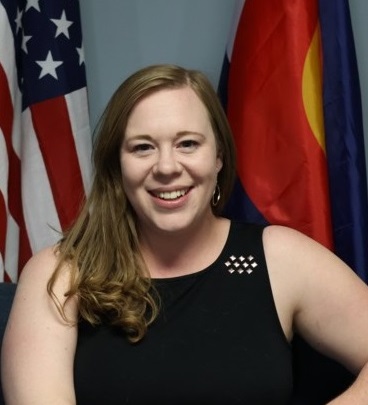
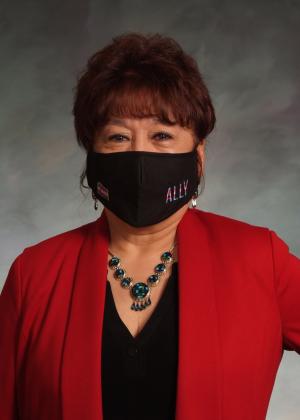
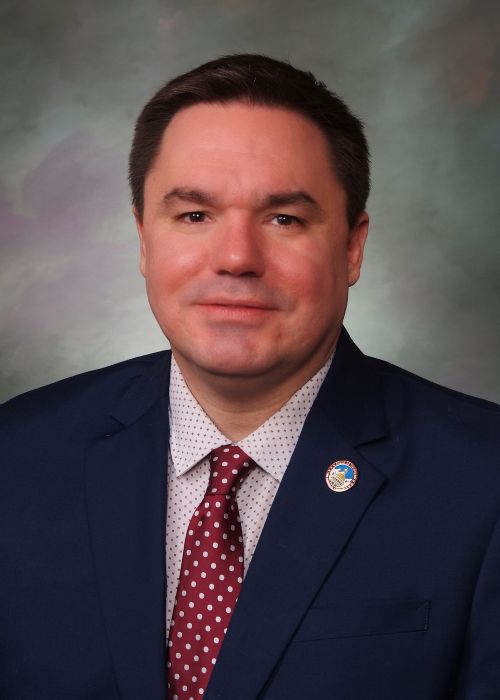
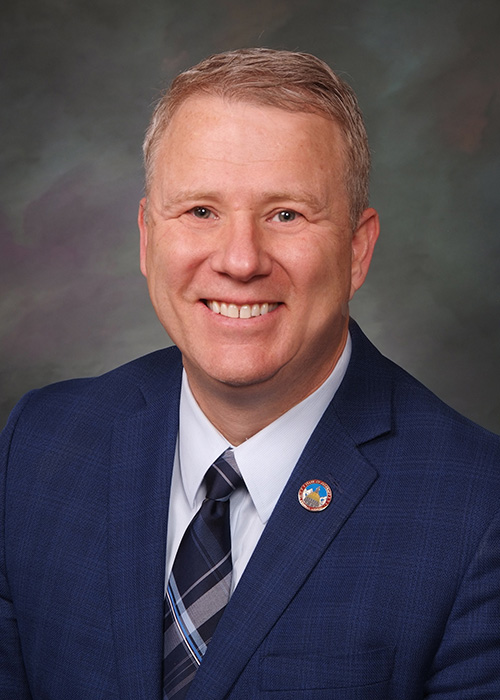
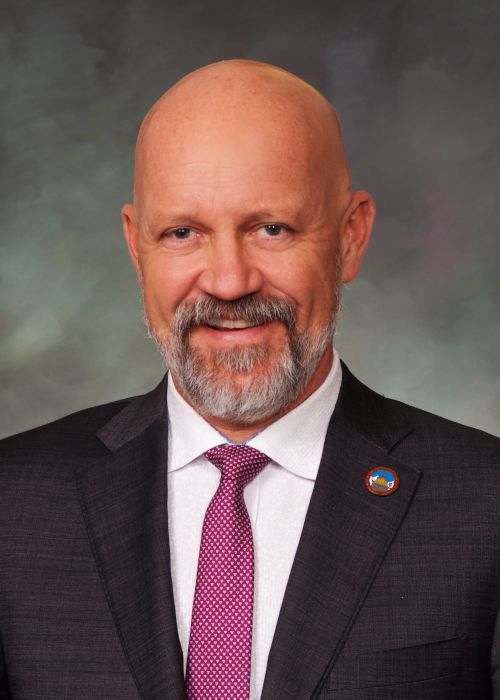
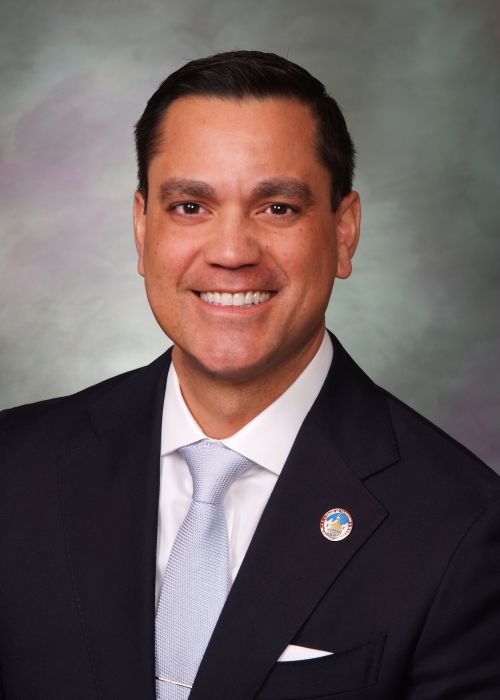
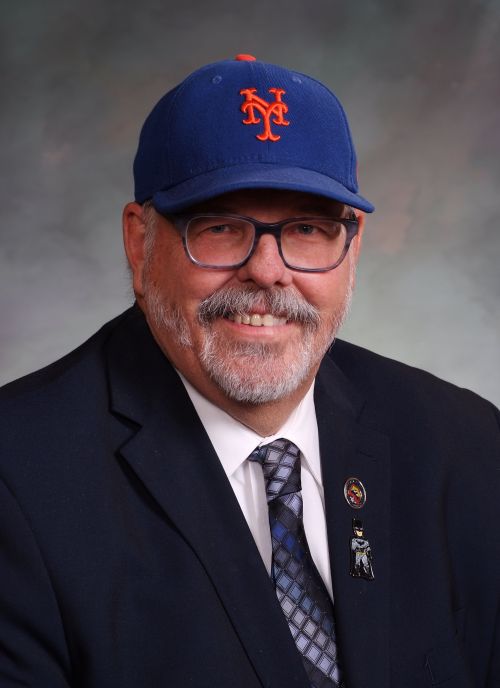
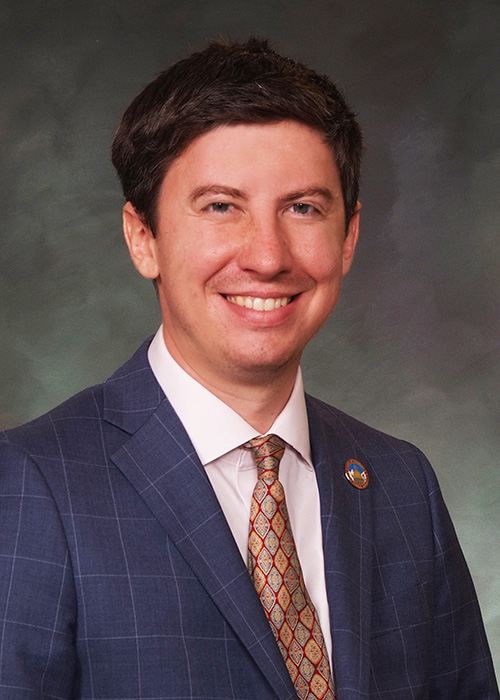
4 primary · 40 co-sponsors

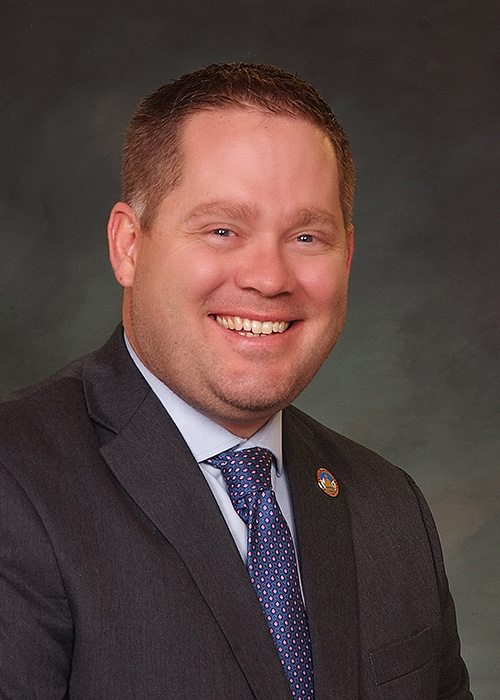
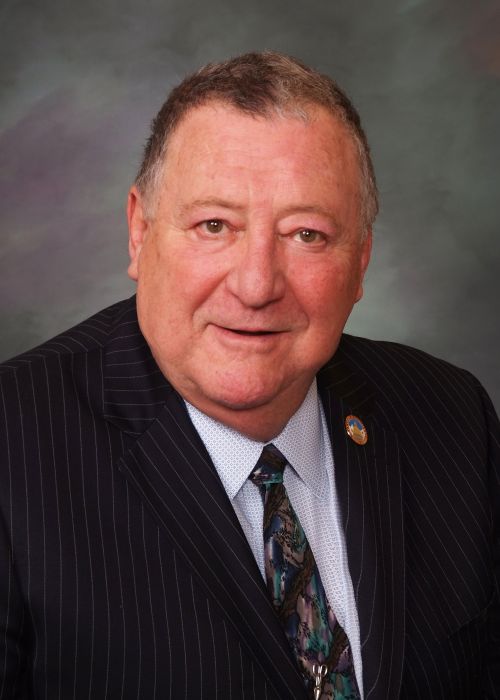
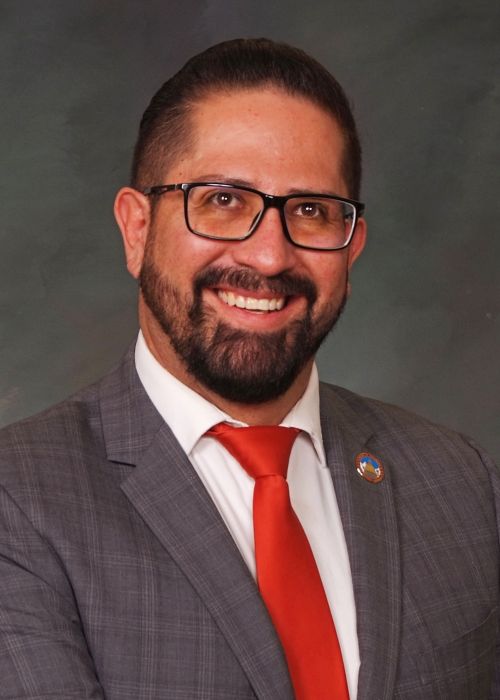
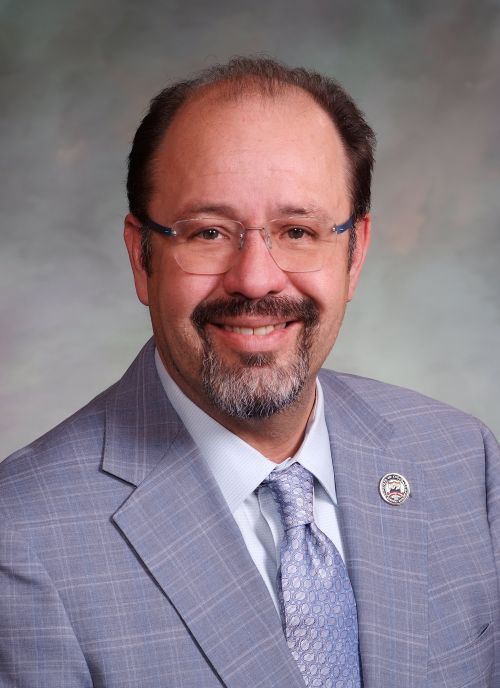
Sponsors