Issue · Budget & Taxes

Budget & Taxes

Every budget & taxes bill, vote, and legislator stance in Colorado, automatically classified by Maddy, our AI policy reader.

Total bills
151
2026 Regular Session
Top supporter
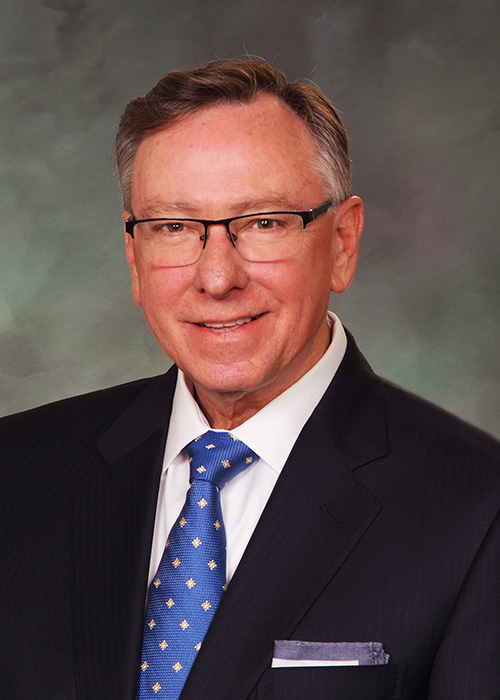
Matt Ball
100% support rate
Top opponent
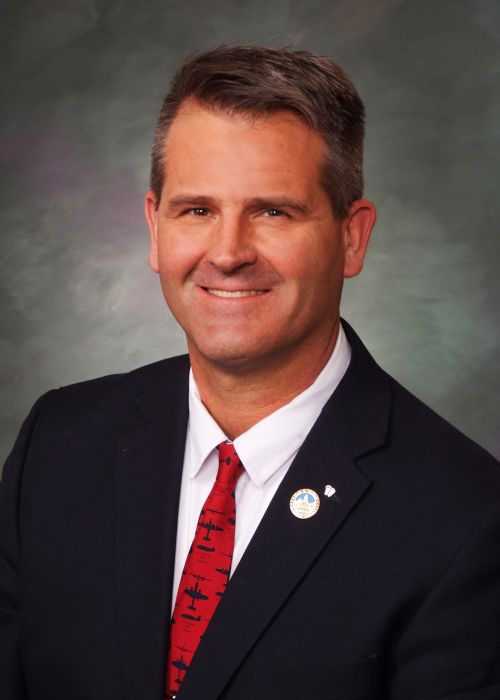
Mark Baisley
14% support rate
Ranked legislators
10
5 support · 5 oppose
Key legislators

Who's moving budget & taxes in Colorado

Legislators moving budget & taxes in Colorado
Legislator Party Stance Support rate Votes
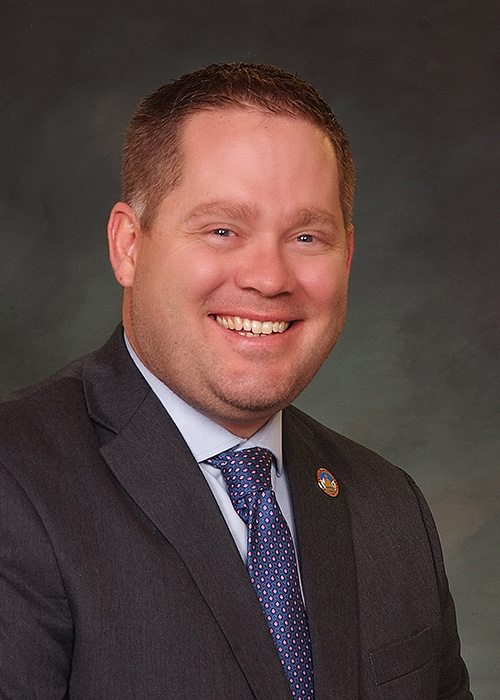
Matt Ball
Matt Ball Senate · District 31
D
Strong +
100% 32
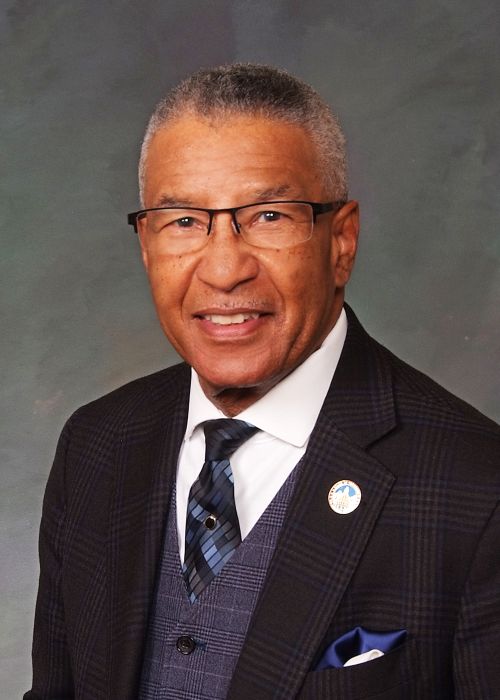
Tony Exum
Tony Exum Senate · District 11
D
Strong +
100% 33
Kyle Mullica
Kyle Mullica Senate · District 24
D
Strong +
88% 50
Marc Snyder
Marc Snyder Senate · District 12
D
Strong +
83% 48
Julie Gonzales
Julie Gonzales Senate · District 34
D
Strong +
82% 80
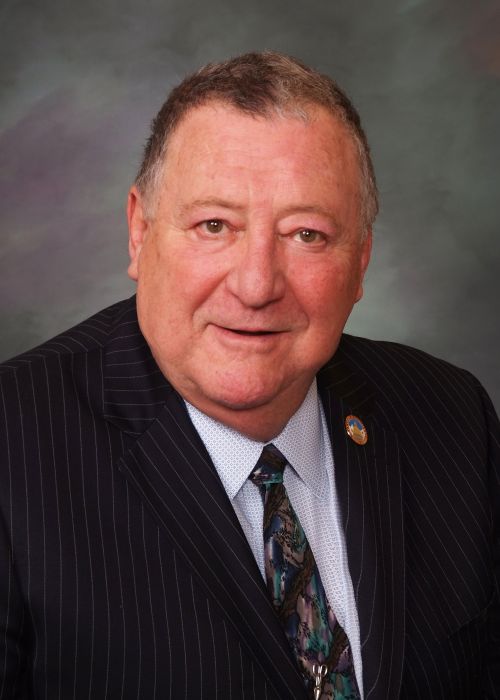
Mark Baisley
Mark Baisley Senate · District 4
R
Strong −
14% 36
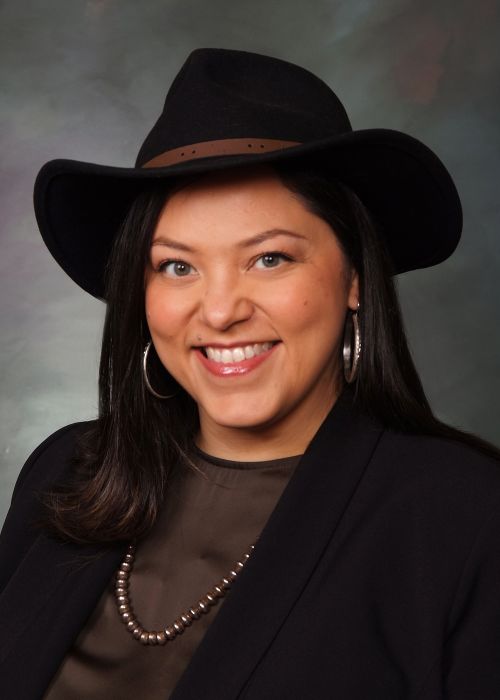
Brandi Bradley
Brandi Bradley House · District 39
R
Oppose
20% 194
Scott Bottoms
Scott Bottoms House · District 15
R
Oppose
21% 233
Stephanie Luck
Stephanie Luck House · District 60
R
Oppose
22% 187
Ken DeGraaf
Ken DeGraaf House · District 22
R
Oppose
23% 196
Showing 31–40 of 151 bills

All budget & taxes bills

signed · Colorado · House May 27, 2026

HB 1381: Eliminate Cash Balance Requirement in Judicial Cash Fund

The act eliminates the requirement that the general assembly transfer sufficient funds to the commission on judicial discipline special cash fund (fund) so that the fund balance at the beginning of each fiscal year is at least $400,000. The act transfers $400,000 from the fund to the general fund.(Note: This summary applies to this bill as enacted.)
Sub-Topics State Budget
signed · Colorado · House May 27, 2026

HB 1349: Funding for Prevention Services Programs Colorado Department of Early Childhood

The existing nurse home visitor program (program) provides regular in-home visiting nurse services to low-income first-time mothers during their pregnancies and through their children's second birthday. The nurse home visitor program fund (fund) is subject to annual appropriation by the general assembly to the department of early childhood (department) for grants to entities for operation of the program. Among other revenue sources, the fund consists of money received pursuant to the master tobacco settlement agreement. The act requires the state treasurer, on July 1, 2026, and on each July 1 thereafter through July 1, 2029, to transfer $5.1 million from the fund to the Colorado child abuse prevention trust fund (trust fund).     Funds from the trust fund are subject to annual appropriation by the general assembly to the Colorado child abuse prevention board (board) within the department for child abuse prevention programs. These prevention services are eligible for reimbursement money received for prevention services and programs identified in the federal Title IV-E prevention services clearinghouse pursuant to the federal 'Family First Prevention Services Act of 2018' (federal reimbursement money received for prevention services and programs). The trust fund and the board are scheduled to repeal on July 1, 2027. The act continues the trust fund and board indefinitely.     The act requires the department, on or before November 1, 2029, to report to the joint budget committee on the effect of the transfers from the fund to the trust fund, including an accounting of any additional federal reimbursement money received for prevention services and programs.     For the 2026-27 state fiscal year, the act increases an appropriation for home visiting from the general fund to the department by $5.1 million and decreases by a corresponding amount an appropriation for home visiting to the department from the fund. For the 2026-27 state fiscal year, the act increases an appropriation for child maltreatment prevention from the Colorado child abuse prevention trust fund to the department by $5.1 million and decreases by a corresponding amount an appropriation to the department from the general fund.(Note: This summary applies to this bill as enacted.)
signed · Colorado · House Jun 1, 2026

HB 1406: Repeal Capital Construction Funding Requirements

Current law requires most state agencies and institutions of higher education that receive an appropriation for capital construction to set aside an amount of money equal to the recorded depreciation of the capital asset that was acquired, repaired, improved, replaced, renovated, or constructed with the appropriation (annual depreciation-lease equivalent payment) to pay for the long-term maintenance costs of the capital asset. Currently, the money that state agencies or institutions of higher education set aside for maintenance costs is credited to the capitol complex renovation fund. The act repeals the annual depreciation-lease equivalent payment requirement.     Currently, the department of personnel uses the money in the capitol complex renovation fund (fund) for capital construction needs for existing state-owned buildings in the capitol complex. The act requires the state treasurer to transfer $15,263,000 from the fund to the general fund on June 30, 2026. The act also requires the state treasurer to transfer the remaining balance of the fund on June 30, 2027, to the general fund and then repeals the fund. In addition, the act repeals a reporting requirement in connection with the use of the money in the fund.     The act also repeals the capitol complex master plan implementation fund, including its ongoing transfers to the fund.     The act decreases multiple cash fund and general fund appropriations made in the annual general appropriation act for the 2026-27 state fiscal year to various state departments for annual depreciation-lease equivalent payments.(Note: This summary applies to this bill as enacted.)
signed · Colorado · House Jun 4, 2026

HB 1399: Eliminate General Fund Transfer to Multimodal Transportation Fund

Under current law, the state treasurer is required to transfer $10.5 million from the general fund to the multimodal transportation and mitigation options fund every July 1 beginning on July 1, 2024, and ending on July 1, 2031. The act eliminates this annual transfer only for 2026, 2027, and 2028.     The act decreases the cash funds appropriation from the multimodal transportation and mitigation options fund created in the annual general appropriation act for the 2026-27 state fiscal year made to the department of transportation for multimodal transportation projects by $10.5 million.(Note: This summary applies to this bill as enacted.)
in committee · Colorado · House Apr 28, 2026

HCR 1003: Nonmortgage Property Tax Exemption

If approved by the voters of the state at the 2026 general election, the concurrent resolution authorizes a county to allow an exemption from property tax imposed by the county to the owner-occupier of single-family residential real property owned outright by the owner-occupier without a mortgage.(Note: This summary applies to this concurrent resolution as introduced.)
signed · Colorado · House May 27, 2026

HB 1404: Transfer Tobacco Education Fund to Preschool Program Fund

The act transfers $10 million from the tobacco education programs fund to the preschool programs cash fund on June 30, 2027.     For the 2026-27 state fiscal year, the act reduces the general fund appropriation to the department of early childhood (department) for the universal preschool program by $10 million and makes a corresponding $10 million appropriation to the department from the preschool programs cash fund for the universal preschool program.(Note: This summary applies to this bill as enacted.)
signed · Colorado · House May 29, 2026

HB 1392: Digital Trunked Radio System Support

The act requires the state treasurer to transfer any unexpended and unencumbered money remaining in the public safety communications revolving fund at the end of a fiscal year to the public safety communications trust fund (trust fund).     The act clarifies that the primary purpose of the money in the trust fund is to support the digital trunked radio system (DTRS) by acquiring and maintaining public safety communications systems and equipment for use by the office of public safety communications (office), state departments, and other users of the system. The money in the fund may also be used for the payment of maintenance expenses of the office, state departments, and other users related to the DTRS, including the cost of leased or rented equipment, infrastructure maintenance, tower lease costs, payments to local governmental entities for radio communications systems, or payments related to public safety radio systems.(Note: This summary applies to this bill as enacted.)
Sub-Topics State Budget
signed · Colorado · House May 29, 2026

HB 1395: Repeal Wildfire Resilient Homes Grant Program

Under existing law, the department of public safety administers the wildfire resilient homes grant program, which provides grants to homeowners for the purpose of making their homes more resilient to wildfire risk. The grant program is funded through the wildfire resilient homes grant program cash fund (grant program cash fund).     The act requires the state treasurer to transfer the unexpended and unencumbered balance of the grant program cash fund to the general fund on June 30, 2026, and repeals the wildfire resilient homes grant program, effective July 1, 2026.(Note: This summary applies to this bill as enacted.)
Sub-Topics State Budget
signed · Colorado · Senate Jun 2, 2026

SB 181: Works Program Reserves & Cost of Living Adjustment

Current law requires counties to offer Colorado works program (works program) applicants and participants that demonstrate good cause an extension beyond the 60-month lifetime maximum. Good cause includes an applicant or participant who is a child-only case, who is the head of a single parent household unit and has a child less than one year old, or who is experiencing hardship. The act makes the extension permissible rather than a requirement and removes an applicant or participant who is a child-only case or experiencing hardship from the good cause determination.     The act suspends the works program basic cash assistance grant cost of living adjustment during the 2026-27 and 2027-28 state fiscal years.     Current law establishes minimum reserve balances for the total statewide county temporary assistance for needy families (TANF) reserve and the Colorado long-term works reserve (reserves). The act removes those reserve minimums. The act eliminates a requirement for each reserve to replenish money in the other under certain conditions and for the general assembly to effectively backfill the balances of both reserves if their balances fall below specified minimums.(Note: This summary applies to this bill as enacted.)
signed · Colorado · House May 28, 2026

HB 1360: Affordable Housing Financing Fund

The act directs the state treasurer to transfer $130 million from the state affordable housing fund (fund) to the general fund on June 30, 2026, and makes 3 corresponding adjustments to the affordable housing financing fund (financing fund). First, the act reduces the July 1, 2026, transfer from the fund to the financing fund by the amount of the June 30, 2026, transfer from the state affordable housing fund. Second, for the 2026-27 state fiscal year only, the act adjusts the prioritization of programs funded by the financing fund so that the programs are funded in the following order: The concessionary debt program, the affordable housing equity program, and the land banking program. Third, the act ensures that this transfer does not reduce the amount that may be spent on administrative expenses to implement programs funded by the financing fund in the 2026-27 state fiscal year and pools the costs of administering these programs between the administrator and the office of economic development for state fiscal years beginning with the 2026-27 state fiscal year.     Under current law, if legislative council staff's March economic and revenue forecast projects that state revenue will not exceed the state fiscal year spending limit, the general assembly may reduce the funding allocated to the financing fund. The act allows for the general assembly to so reduce the funding allocated to the financing fund for the 2025-26 state fiscal year as a result of revenue forecasts projecting that state revenue will not exceed the state fiscal year spending limit.(Note: This summary applies to this bill as enacted.)
Showing 31 to 40 of 151 bills
Previous 1 3 4 5 16 Next