Issue · Technology

Technology

Every technology bill, vote, and legislator stance in California, automatically classified by Maddy, our AI policy reader.

Total bills
204
2025-2026 Regular Session
Top supporter
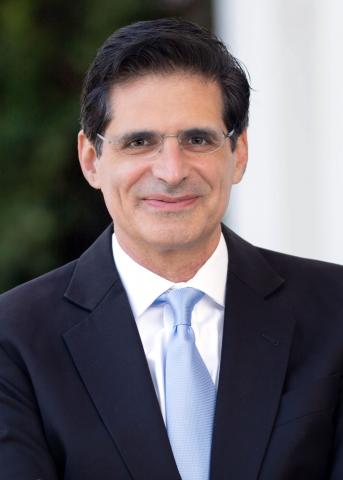
Josh Becker
100% support rate
Top opponent
Brian Jones
2% support rate
Ranked legislators
10
5 support · 5 oppose
Key legislators

Who's moving technology in California

Legislators moving technology in California
Legislator Party Stance Support rate Votes
Josh Becker
Josh Becker Senate · District 13
D
Strong +
100% 383
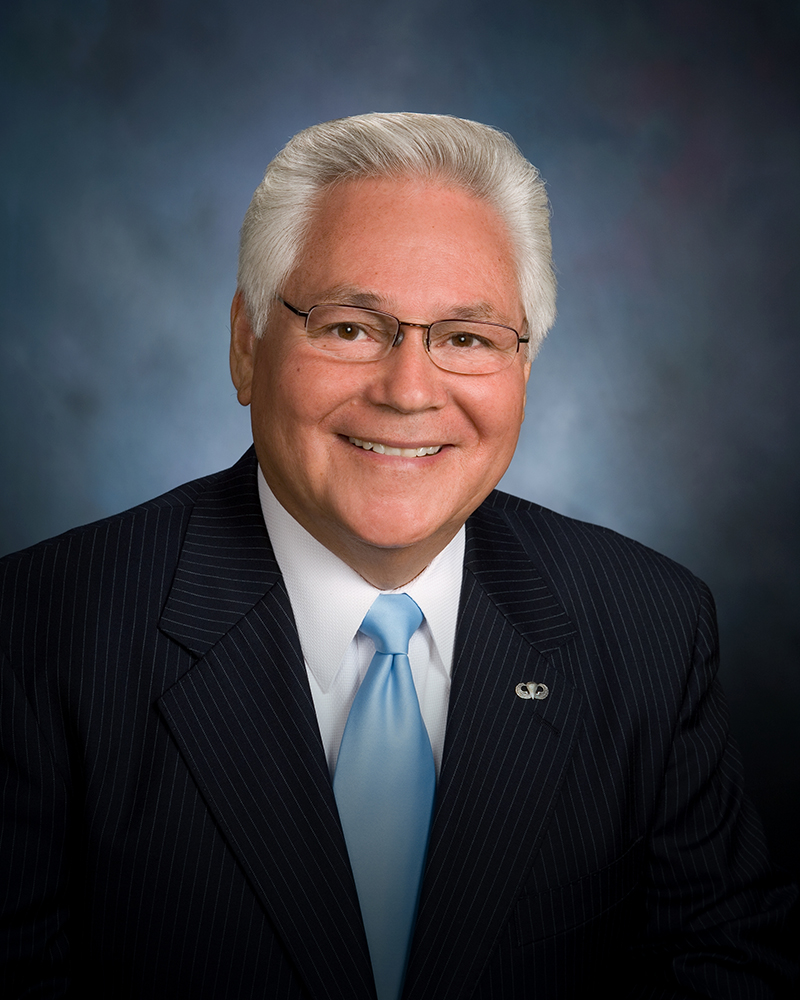
Bob Archuleta
Bob Archuleta Senate · District 30
D
Strong +
98% 415
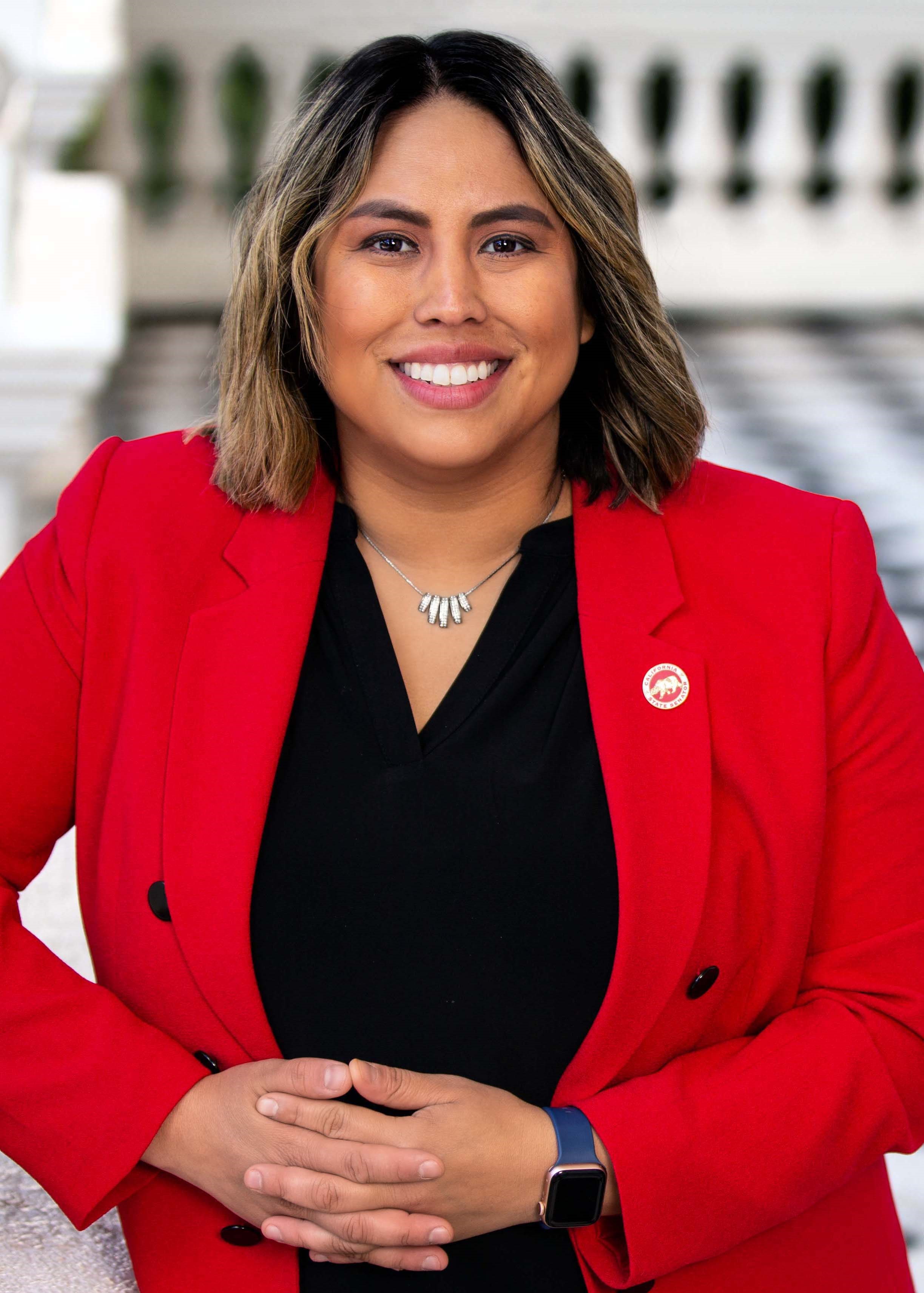
Caroline Menjivar
Caroline Menjivar Senate · District 20
D
Strong +
98% 422
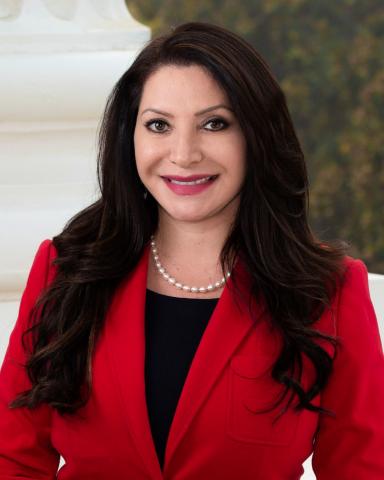
Susan Rubio
Susan Rubio Senate · District 22
D
Strong +
98% 375
Catherine Blakespear
Catherine Blakespear Senate · District 38
D
Strong +
98% 403
Brian Jones
Brian Jones Senate · District 40
R
Strong −
2% 334
Marie Alvarado-Gil
Marie Alvarado-Gil Senate · District 4
R
Strong −
4% 329
Steve Choi
Steve Choi Senate · District 37
R
Strong −
6% 381
Tony Strickland
Tony Strickland Senate · District 36
R
Strong −
6% 405
Kelly Seyarto
Kelly Seyarto Senate · District 32
R
Strong −
7% 619
Showing 151–160 of 204 bills

All technology bills

passed · California · Assembly Sep 10, 2025

AB 446: Surveillance pricing.

Existing law, the California Consumer Privacy Act of 2018 (CCPA) , grants a consumer various rights with respect to personal information that is collected or sold by a business, as defined, including the right to direct a business that sells or shares personal information about the consumer to third parties not to sell or share the consumer's personal information, as specified. Existing law, the California Privacy Rights Act of 2020, approved by the voters as Proposition 24 at the November 3, 2020, statewide general election, amended, added to, and reenacted the CCPA and establishes the California Privacy Protection Agency and vests the agency with full administrative power, authority, and jurisdiction to enforce those provisions. Existing law requires a retail grocery store or grocery department within a general retail merchandise store that uses a point-of-sale system to have a clearly readable price indicated on 85% of the total number of packaged consumer commodities offered for sale, subject to specified exemptions. This bill would, subject to certain exceptions, prohibit a grocery establishment, as defined, from engaging in surveillance pricing. The bill would define "surveillance pricing" to mean offering or setting a customized price increase for a good or service for a specific consumer or group of consumers, based, in whole or in part, on personally identifiable information collected through electronic surveillance technology, as specified. The bill would provide that only a public prosecutor, as specified, may bring an action against a violator of these provisions to recover specified civil penalties, injunctive relief, and reasonable attorney's fees and costs, and would authorize a consumer to bring an action for injunctive relief and reasonable attorney's fees and costs. The bill would declare that any waiver of these provisions is against public policy and is void and unenforceable. This bill would declare that its provisions further the purposes and intent of the California Privacy Rights Act of 2020.
passed · California · Assembly Sep 9, 2025

AB 33: Autonomous vehicles.

Existing law authorizes the operation of an autonomous vehicle on public roads for testing purposes by a driver who possesses the proper class of license for the type of vehicle operated if specified requirements are satisfied. Existing law prohibits the operation of an autonomous vehicle on public roads until the manufacturer submits an application to the Department of Motor Vehicles, as specified, and that application is approved. A violation of the Vehicle Code or a local ordinance adopted pursuant to that code is an infraction. This bill would prohibit the delivery of commercial goods, as defined, directly to a residence or to a business for its use or retail sale through the operation of an autonomous vehicle without a human safety operator on any highway within the State of California. The bill would make a first violation of this provision subject to a $10,000 administrative fine and a $25,000 administrative fine for subsequent violations. The bill would authorize the department to suspend or revoke the permit of an autonomous vehicle manufacturer for repeated violations of this provision. The bill would require the department to submit a report to the Legislature evaluating the performance of autonomous vehicle technology and its impact on public safety and employment, as specified. This bill would require all relevant state agencies, including, among others, the Department of Transportation and the State Air Resources Board, to provide information to the department to research this report. The bill would prohibit the department from issuing a deployment permit for the use of an autonomous vehicle to deliver commercial goods without a human safety operator until a later enacted statute authorizes the issuance of a permit for that purpose. The bill would also make certain findings and declarations related to these provisions.
Sub-Topics Autonomous Vehicles
passed both · California · Senate Aug 30, 2026

SB 259: Elections: vote by mail ballots.

Existing law makes it a misdemeanor for any person having charge of a completed vote by mail ballot to interfere with a ballot's return to the local elections official. This bill would additionally make it a misdemeanor for any person having charge of a vote by mail ballot to interfere, as defined, with a ballot's delivery to a voter. The bill would make it a felony for a person with authority to direct one or more persons subject to their supervision or authority to interfere with a ballot's return to the local elections official or delivery to a voter. By expanding the scope of an existing crime, this bill would impose a state-mandated local program. The California Constitution requires the state to reimburse local agencies and school districts for certain costs mandated by the state. Statutory provisions establish procedures for making that reimbursement. This bill would provide that no reimbursement is required by this act for a specified reason. This bill would declare that it is to take effect immediately as an urgency statute.
signed · California · Assembly Oct 3, 2025

AB 962: Pupil safety: comprehensive school safety plans: use of smartphones.

Existing law provides that it is the intent of the Legislature that all public schools, teaching kindergarten or any of grades 1 to 12, inclusive, operated by a school district, in cooperation with specified entities and individuals, develop a comprehensive school safety plan, as provided. Existing law provides that school districts and county offices of education are responsible for the overall development of a comprehensive school safety plan for each of its schools, as provided. Existing law requires a comprehensive school safety plan to, among other things, identify appropriate strategies and programs that will provide or maintain a high level of school safety and address the school's procedures for complying with existing laws related to school safety. Existing law requires the governing board of a school district, a county board of education, and the governing body of a charter school to, by July 1, 2026, develop and adopt a policy to limit or prohibit the use by its pupils of smartphones while the pupils are at a schoolsite or while the pupils are under the supervision and control of an employee or employees of that school district, county office of education, or charter school. Existing law, however, specifies circumstances in which a pupil may not be prohibited from possessing or using a smartphone, including, among others, in the case of an emergency or in response to a perceived threat of danger. This bill would instead authorize the prohibition on the use of a smartphone by a pupil in the case of an emergency or in response to a perceived threat of danger if that circumstance is explicitly addressed in a comprehensive school safety plan.
signed · California · Assembly Oct 1, 2025

AB 665: Commissioner of Financial Protection and Innovation: report: Office of the Ombuds.

The California Consumer Financial Protection Law requires the Commissioner of Financial Protection and Innovation to prepare and publish on the Department of Financial Protection and Innovation's internet website an annual report detailing actions taken during the prior year under the law and requires the report to include information on actions taken with respect to, among other things, the activities of the Financial Technology Innovation Office. This bill would additionally require the report to include information on actions taken with respect to the Office of the Ombuds.
signed · California · Senate Oct 3, 2025

SB 660: California Health and Human Services Data Exchange Framework.

Existing law establishes the Department of Health Care Access and Information to oversee and administer various health programs related to health care infrastructure, such as health policy and planning, health professions development, and facilities design review and construction, among others. Existing law requires the California Health and Human Services Agency to establish the California Health and Human Services Data Exchange Framework to require the exchange of health information among health care entities and government agencies in the state, among other things. Existing law requires the agency to convene a stakeholder advisory group to advise on the development, implementation, and administration of the California Health and Human Services Data Exchange Framework. This bill would require the Department of Health Care Access and Information, on or before January 1, 2026, to take over the establishment, implementation, and all of the functions related to the California Health and Human Services Data Exchange Framework, including the data sharing agreement and policies and procedures, from the agency. The bill would expand the entities that are specifically required to execute a data sharing agreement with the California Health and Human Services Data Exchange Framework. The bill would require the department, no later than July 1, 2026, to establish a process to designate qualified health information organizations as data sharing intermediaries that have demonstrated their ability to meet requirements of the California Health and Human Services Data Exchange Framework. The bill would require the department, by July 1, 2027, and in collaboration with the stakeholder advisory group, to develop and submit a report to the Legislature on the California Health and Human Services Data Exchange Framework, including compliance with data sharing agreements. The bill would expand the membership of the stakeholder advisory group, as specified.
signed · California · Assembly Sep 26, 2025

AB 45: Privacy: health data: location and research.

Existing law prohibits a person or business, as defined, from collecting, using, disclosing, or retaining the personal information of a person who is physically located at, or within a precise geolocation of, a family planning center, as defined, except as necessary to perform the services or provide the goods requested and prohibits a person or business from selling or sharing this personal information. Existing law authorizes an aggrieved person or entity to institute and prosecute a civil action against a person or business for a violation of these provisions and specifies the damages and costs authorized to be recovered. This bill would recast the above-described provisions, and instead prohibit the collection, use, disclosure, sale, sharing, or retention of the personal information of a natural person who is physically located at, or within a precise geolocation of, a family planning center, except under certain circumstances, including, among others, for the collection or use as necessary to perform the services or provide the goods requested. The bill would also provide that these provisions do not alter applicable law regarding use by a law enforcement agency, as defined, of personal information generated by an electronic monitoring device. The bill would authorize an aggrieved person to institute and prosecute a civil action against a natural person, association, proprietorship, corporation, trust, foundation, partnership, or any other organization or group of people acting in concert for a violation of these provisions. The bill would also make other nonsubstantive changes. This bill would, subject to specified exceptions, prohibit geofencing, or selling or sharing personal information with a third party to geofence, as defined, an entity that provides in-person health care services in California for specified purposes, and would prohibit the use of personal information obtained in violation of this provision. The bill would provide that violators are subject to an injunction and liable for a civil penalty assessed and recovered in a civil action brought by the Attorney General, and deposited in the California Reproductive Justice and Freedom Fund. The bill would require those penalties to be awarded by the State Department of Public Health for grants to implement a program or to fund an existing program that provides and promotes medically accurate and comprehensive reproductive and sexual health education, as provided. The bill would also provide that a statement signed under penalty of perjury, as specified, that the personal information will not be used for selling or sharing personal information in violation of these geofencing provisions is prima facie evidence that the personal information was not sold or shared in violation of these geofencing provisions. By expanding the crime of perjury, this bill would impose a state-mandated local program. Existing law, the Confidentiality of Medical Information Act (CMIA) , generally prohibits a provider of health care, a health care service plan, or a contractor from disclosing medical information regarding a patient, enrollee, or subscriber without first obtaining an authorization, unless a specified exception applies. The CMIA prohibits a provider of health care, a health care service plan, a contractor, or an employer from releasing medical information that would identify an individual or related to an individual seeking or obtaining an abortion in response to a subpoena or a request or to law enforcement if that subpoena, request, or the purpose of law enforcement for the medical information is based on, or for the purpose of enforcement of, either another state's laws that interfere with a person's rights to choose or obtain an abortion or a foreign penal civil action. This bill would, similar to the provisions of the CMIA, prohibit the release of research records, in a personally identifying form, developed or acquired by a person in the course of conducting research relating to anyone seeking or obtaining health care services, or relating to personal information, in response to a subpoena or a request or to law enforcement if that subpoena, request, or the purpose of law enforcement for the medical information is based on, or for the purpose of enforcement of, either another state's laws that interfere with a person's rights to choose or obtain an abortion or a foreign penal civil action. The California Constitution requires the state to reimburse local agencies and school districts for certain costs mandated by the state. Statutory provisions establish procedures for making that reimbursement. This bill would provide that no reimbursement is required by this act for a specified reason.
died · California · Assembly Feb 2, 2026

AB 1010: Local government: broadband: traffic control requirements: state standard.

Existing law authorizes any municipal corporation to acquire, construct, own, operate, or lease any public utility, and provides that "public utility" for these purposes means to supply the inhabitants of that municipal corporation with specified services, including a means of communication. Existing law similarly authorizes a municipal utility district and a public utility district to acquire, construct, own, operate, control, or use works for supplying the inhabitants of the district with specified services, including a means of communication. Existing law authorizes a county service area to acquire, construct, improve, maintain, and operate broadband internet access services. This bill would state the intent of the Legislature to enact legislation to implement a state standard of traffic control requirements for local governments during broadband deployment.
passed both · California · Assembly Aug 30, 2026

AB 1159: Student personal information.

Existing law, the K–12 Pupil Online Personal Information Protection Act (KOPIPA) , generally protects the personal information of a student enrolled in a K–12 course of instruction, defined as a "pupil," by prescribing requirements and prohibitions applicable to an operator of an internet website, online service, online application, or mobile application with actual knowledge that the site, service, or application is used primarily for K–12 school purposes and was designed and marketed for K–12 school purposes. Existing law, the Early Learning Personal Information Protection Act (ELPIPA) , generally protects the personal information of a child enrolled in a preschool or prekindergarten course of instruction, defined as a "pupil," by prescribing requirements and prohibitions applicable to an operator of an internet website, online service, online application, or mobile application with actual knowledge that the site, service, or application is used primarily for preschool or prekindergarten purposes and was designed and marketed for preschool and prekindergarten purposes. This bill would instead apply the provisions of KOPIPA and ELPIPA to an operator, or an entity working on behalf of the operator, of an internet website, online service, online application, or mobile application with actual knowledge that the site, service, or application is used for the applicable school purposes and was designed or marketed for those purposes, as specified. The bill would, among other changes to KOPIPA and ELPIPA related to protecting the personal information of students, prohibit an operator from using covered information, as defined, including persistent unique identifiers, created or gathered by the operator's site, service, or application to train a generative artificial intelligence system or service or develop an artificial intelligence system. This bill would also enact the Higher Education Student Information Protection Act (HESIPA) , which would generally protect the personal information of a student enrolled in a higher education institution, as defined, in a similar manner as KOPIPA and ELPIPA. The bill would make HESIPA operative on July 1, 2027. This bill would authorize a pupil or student actually harmed by noncompliance with KOPIPA, ELPIPA, or HESIPA to bring a civil action against the noncompliant operator, as prescribed, and would require a person bringing that action to furnish a copy of the complaint to the Attorney General within 10 days after filing the action.
failed · California · Assembly Feb 2, 2026

AB 1300: State and local government: data protection and privacy: immigration.

Existing law requires the Attorney General to publish model policies limiting assistance with immigration enforcement to the fullest extent possible consistent with federal and state law at public schools, public libraries, health facilities operated by the state or a political subdivision of the state, courthouses, Division of Labor Standards Enforcement facilities, the Agricultural Labor Relations Board, the Division of Workers Compensation, and shelters, and ensuring that they remain safe and accessible to all California residents, regardless of immigration status. Existing law requires the Attorney General to publish guidance, audit criteria, and training recommendations aimed at ensuring that any databases operated by state and local law enforcement agencies, including databases maintained for the agency by private vendors, are governed in a manner that limits the availability of information therein to the fullest extent practicable and consistent with federal and state law, to anyone or any entity for the purpose of immigration enforcement. Existing law, the California Values Act, prohibits California law enforcement agencies from using agency or department moneys or personnel to investigate, interrogate, detain, detect, or arrest persons for immigration enforcement purposes, including, among other things, providing personal information about an individual, making or intentionally participating in arrests based on civil immigration warrants, or performing the functions of an immigration officer, as specified. This bill would prohibit a state or local government agency from collecting immigration-related personally identifiable information unless it is explicitly required by law to do so and the collection is justified by a legitimate government purpose. The bill would prohibit a state or local government agency from sharing personally identifiable information with federal immigration enforcement agencies without a judicial warrant or court order. The bill would require any contract, agreement, or memorandum of understanding that facilitate data sharing between a state or local government agency and federal immigration enforcement authorities to comply with oversight mechanisms to ensure compliance with civil rights and privacy protections and be subject to review by the State Auditor, as described below. Because the bill would require local agencies to perform additional duties, it would impose a state-mandated local program. The bill would make these provisions enforceable by administrative action or by imposition of a civil penalty recovered by an action brought by the Attorney General. This bill would require the State Auditor to conduct audits of all state and local government agency data-sharing agreements at least every 2 years to ensure compliance with existing laws protecting privacy and civil rights. The bill would require the Office of the Attorney General to establish an oversight task force to review complaints and violations related to unauthorized data collection and sharing that would report to the Legislature annually on data privacy trends, risks, and policy recommendations. The California Constitution requires the state to reimburse local agencies and school districts for certain costs mandated by the state. Statutory provisions establish procedures for making that reimbursement. This bill would provide that, if the Commission on State Mandates determines that the bill contains costs mandated by the state, reimbursement for those costs shall be made pursuant to the statutory provisions noted above.
Showing 151 to 160 of 204 bills
Previous 1 15 16 17 21 Next