Issue · Healthcare

Healthcare

Every healthcare bill, vote, and legislator stance in California, automatically classified by Maddy, our AI policy reader.

Total bills
1,105
119th Congress
Top supporter
Adam B. Schiff
76% support rate
Top opponent
Tom McClintock
36% support rate
Ranked legislators
10
5 support · 5 oppose
Key legislators

Who's moving healthcare in California

Legislators moving healthcare in California
Legislator Party Stance Support rate Votes
Adam B. Schiff
Adam B. Schiff Senate
D
Support
76% 223
Alex Padilla
Alex Padilla Senate
D
Support
75% 216
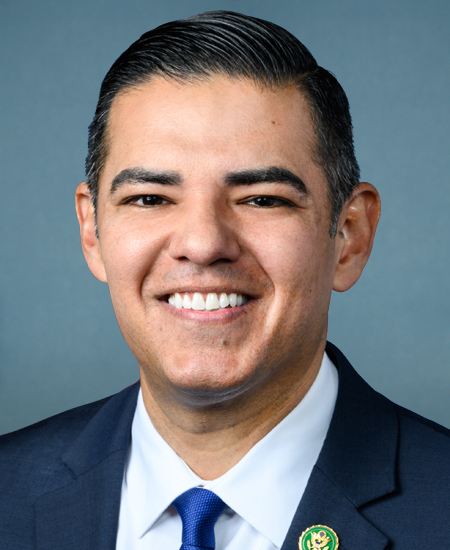
Robert Garcia
Robert Garcia House · District 42
D
Support
67% 209
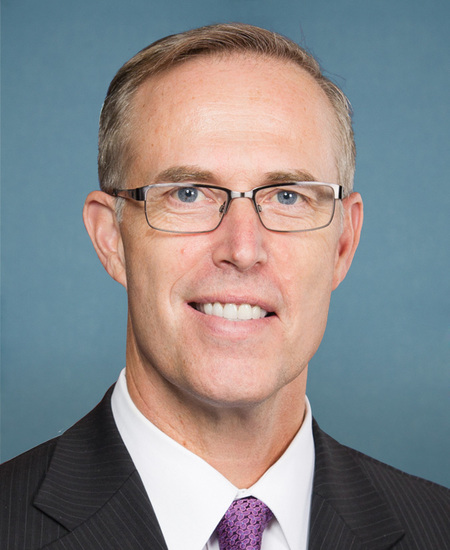
Jared Huffman
Jared Huffman House · District 2
D
Support
67% 210
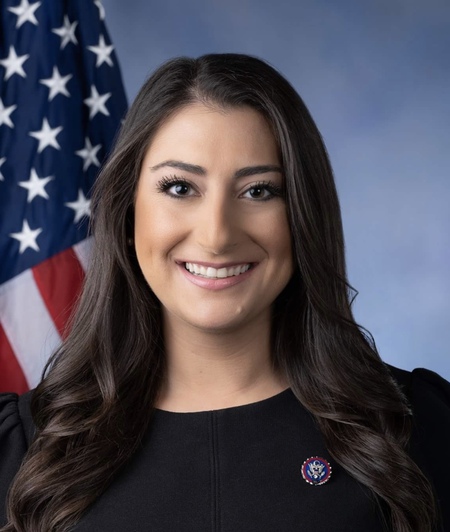
Sara Jacobs
Sara Jacobs House · District 51
D
Support
67% 210
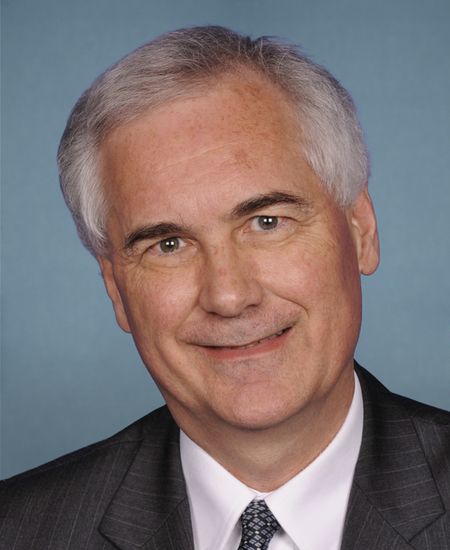
Tom McClintock
Tom McClintock House · District 5
R
Oppose
36% 205
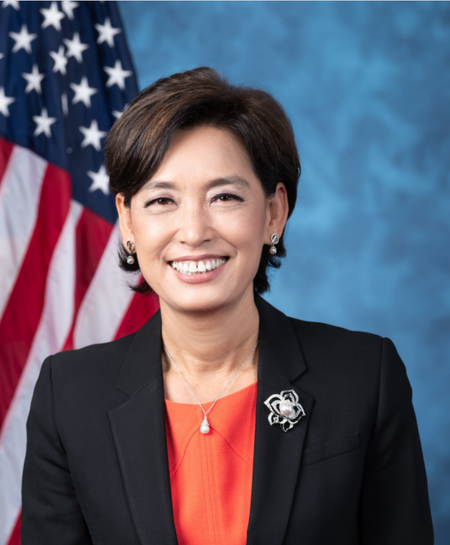
Young Kim
Young Kim House · District 40
R
Oppose
39% 210
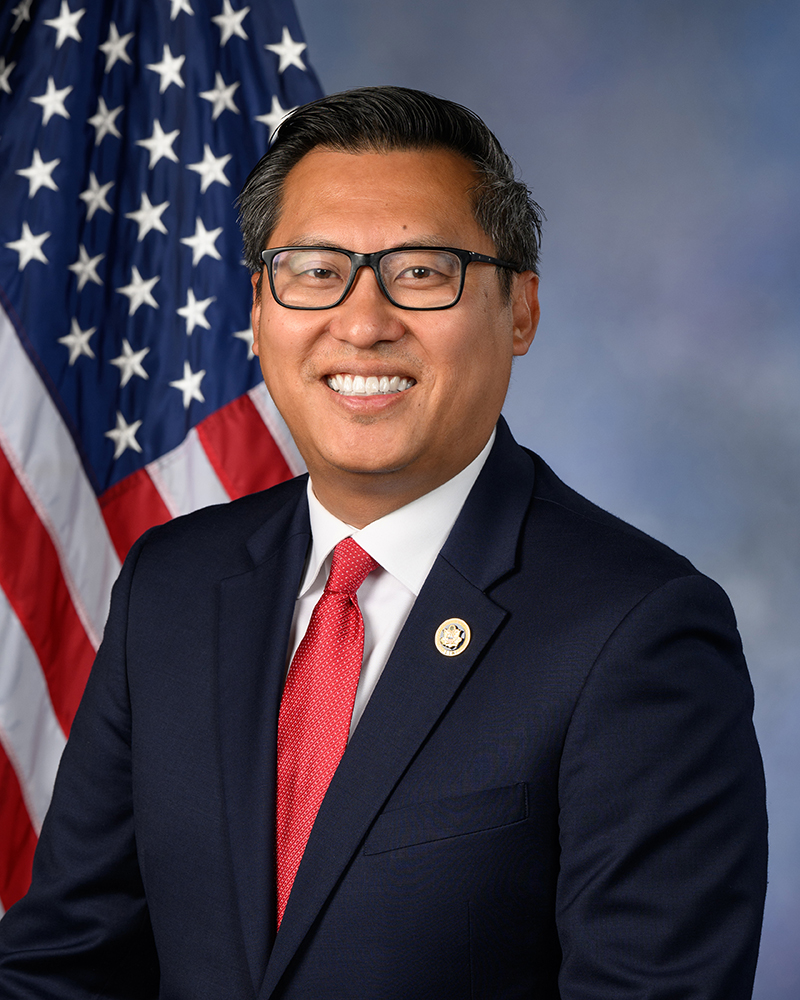
Vince Fong
Vince Fong House · District 20
R
Oppose
39% 207
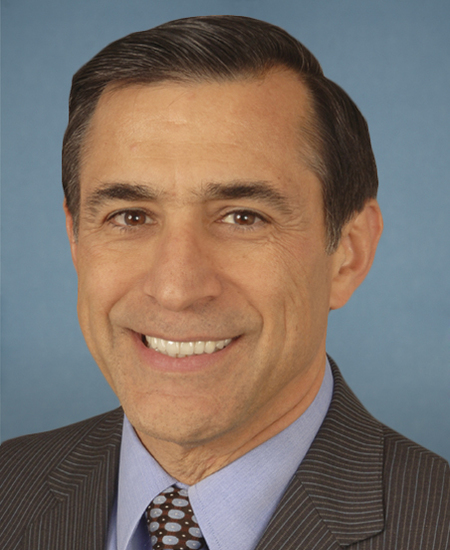
Darrell Issa
Darrell Issa House · District 48
R
Mixed −
44% 209
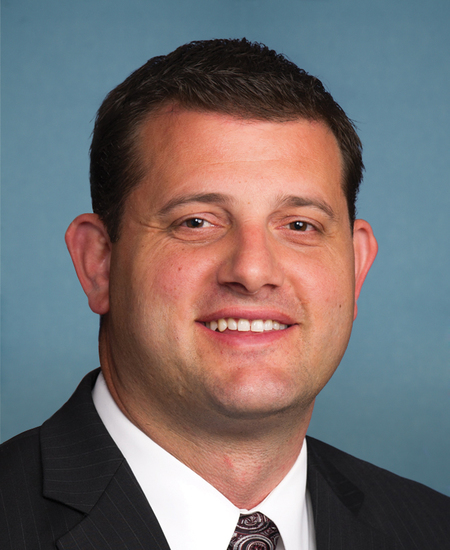
David G. Valadao
David G. Valadao House · District 22
R
Mixed −
44% 207
Showing 1–10 of 1,105 bills

All healthcare bills

in committee · United States · House Sep 8, 2026

HRES 1514: Recognizing suicide as a serious public health problem, expressing support for the designation of September 8, 2026, as "988 Day" and the role of the 988 Suicide and Crisis Lifeline, and for other purposes.

This House resolution formally recognizes suicide as a significant public health issue in the United States and highlights the impact of the 988 Suicide and Crisis Lifeline on individuals and communities. It commends the establishment of the 988 number as a nationwide three-digit dialing code for crisis support, noting its role in connecting people to mental health resources. The bill supports the designation of September 8, 2026, as "988 Day" to raise awareness about the service and promote access to mental health care. Additionally, it encourages continued public education and federal, state, and local efforts to expand crisis intervention programs for high-risk populations.
in committee · United States · House Sep 10, 2026

HR 10345: EBOLA Act

The EBOLA Act requires the President to rejoin the World Health Organization within 30 days of enactment and immediately coordinate with that body to address an ongoing Ebola outbreak in Central and Eastern Africa. The legislation authorizes necessary funding to cover U.S. membership fees and financial obligations, as well as voluntary contributions to support international disease response efforts. By mandating this rapid re-entry into the global health agency, the bill aims to enhance the nation's ability to monitor emerging infectious diseases and prevent the spread of the virus to American soil.
Sub-Topics Public Health
in committee · United States · House Sep 10, 2026

HR 10331: Patient Navigation Assistance Act

The Patient Navigation Assistance Act amends federal law to require states to reimburse Medicaid for patient navigator services provided to eligible individuals by qualified health care or community-based organizations. These navigators, who must hold specific degrees and certifications in fields such as nursing or social work, help patients access medical, social, and financial resources through referrals and individualized education. The bill also classifies these services as covered medical assistance, allowing the federal government to share the cost of providing them with states.
Sub-Topics Medicaid
in committee · United States · Senate Jul 22, 2026

S 5066: Health Equity and Accountability Act of 2026

The Health Equity and Accountability Act of 2026 is a comprehensive legislative proposal designed to reduce health disparities by mandating standardized data collection on race, ethnicity, gender identity, and socioeconomic status across federal health programs. The bill requires the Department of Health and Human Services to establish new commissions and task forces focused on preventing bias in artificial intelligence and ensuring equitable data reporting during public health emergencies. It also expands access to care for underserved populations by removing citizenship barriers to Medicaid, increasing funding for minority-serving institutions, and requiring culturally and linguistically appropriate services from federally assisted health providers. Additionally, the legislation addresses specific disease disparities through targeted research grants and mandates that drug manufacturers investigate and report on racial or ethnic differences in drug safety and effectiveness.
in committee · United States · House Sep 10, 2026

HRES 1528: Recognizing suicide as a serious public health problem and expressing support for the designation of September, 2026, as "National Suicide Prevention Month" as well as September 10, 2026, as "World Suicide Prevention Day".

This House resolution formally recognizes suicide as a serious public health problem in the United States and expresses support for designating September 2026 as National Suicide Prevention Month and September 10, 2026, as World Suicide Prevention Day. The bill cites data from the CDC, SAMHSA, and the VA to highlight that suicide is a leading cause of death among young people, veterans, and during the postpartum period, while also noting the significant economic costs associated with it. It declares suicide prevention a national priority and emphasizes that mental health is as important as physical health. The resolution supports the development of strategies to improve access to quality mental health, substance abuse, and suicide prevention services for all communities.
in committee · United States · House Sep 8, 2026

HRES 1519: Supporting the designation of September 17, 2026, as "National Physician Suicide Awareness Day" to raise awareness of, and promote a national discussion about, physician suicide and to reduce the stigma of mental health conditions, and for other purposes.

This House resolution supports designating September 17, 2026, as "National Physician Suicide Awareness Day" to highlight the mental health challenges facing doctors in the United States. The bill cites high levels of stress, burnout, and stigma among physicians as key reasons for establishing this day of reflection and education. It encourages the President to issue a proclamation urging the public to observe the date with awareness campaigns and educational activities. Additionally, the resolution calls for increased research into the barriers that prevent physicians from seeking mental health care.
Sub-Topics Mental Health
in committee · United States · House Sep 3, 2026

HR 10245: 9–8–8 and 9–1–1 Integration Act

The 9-8-8 and 9-1-1 Integration Act directs the Secretary of Health and Human Services to establish a multidisciplinary panel that will develop recommendations for training and protocols for emergency dispatchers. The primary goal is to ensure that individuals experiencing behavioral health or substance use crises are connected to appropriate care services rather than being met solely by law enforcement. The panel must consider integrating the 9-8-8 crisis line with the 9-1-1 system, utilizing standardized assessment tools to evaluate caller needs, and implementing training on cultural competency and implicit bias. Additionally, the legislation requires the creation of data collection standards to track response outcomes and disparities while protecting caller privacy, with reports submitted to Congress upon the release of recommendations and every five years thereafter.
Sub-Topics Law Enforcement Mental Health Tags Public Safety
in committee · United States · House Jul 27, 2026

HR 9959: Green New Deal for Public Schools Act

The Green New Deal for Public Schools Act directs over $700 billion in federal funding to public schools, prioritizing those serving the most vulnerable communities based on CDC social vulnerability rankings. The legislation establishes a new Office of Sustainable Schools and authorizes grants for "healthy green retrofits" that convert school buildings into zero-carbon facilities with clean air, water, and energy systems, while also providing funds to hire additional educators, mental health professionals, and support staff. Additionally, the bill mandates increased federal funding for special education under the Individuals with Disabilities Education Act and creates a climate resiliency program that allows schools to function as community centers during natural disasters. All grant recipients must adhere to strict labor standards, including prevailing wage requirements, Buy American provisions, and local hiring goals that prioritize residents of the surrounding community.
in committee · United States · House Sep 1, 2026

HR 10208: To provide for the continued use of certain trust land in San Diego County for healthcare purposes.

This bill restricts approximately 8.6 acres of trust land in San Diego County, California, to be used exclusively for providing health and social services to members of the Ewiiaapaayp Band of Kumeyaay Indians. The legislation explicitly prohibits the use of this property for class II or class III gaming operations or any other commercial activities. These specific usage restrictions will remain in effect for 50 years from the date the bill is enacted.
in committee · United States · House Sep 3, 2026

HR 10295: 9-8-8 Call Center Improvement Act

The 9-8-8 Call Center Improvement Act directs the Secretary of Health and Human Services to provide grants to new or existing crisis call centers that serve regional or local communities. These funds are intended to help centers purchase or upgrade technology, train staff, improve daily operations, and hire additional personnel. The bill authorizes $441 million in appropriations for fiscal year 2027 to support these efforts, with the money remaining available until it is fully spent.
Sub-Topics Mental Health
Showing 1 to 10 of 1,105 bills
1 2 3 111 Next