Issue · Education

Education

Every education bill, vote, and legislator stance in California, automatically classified by Maddy, our AI policy reader.

Total bills
420
2025-2026 Regular Session
Top supporter
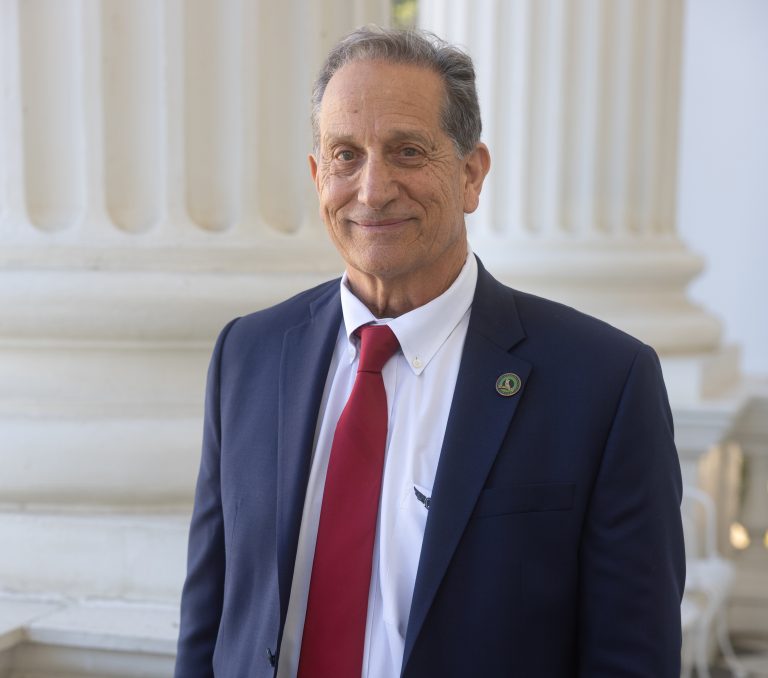
Pilar Schiavo
100% support rate
Top opponent
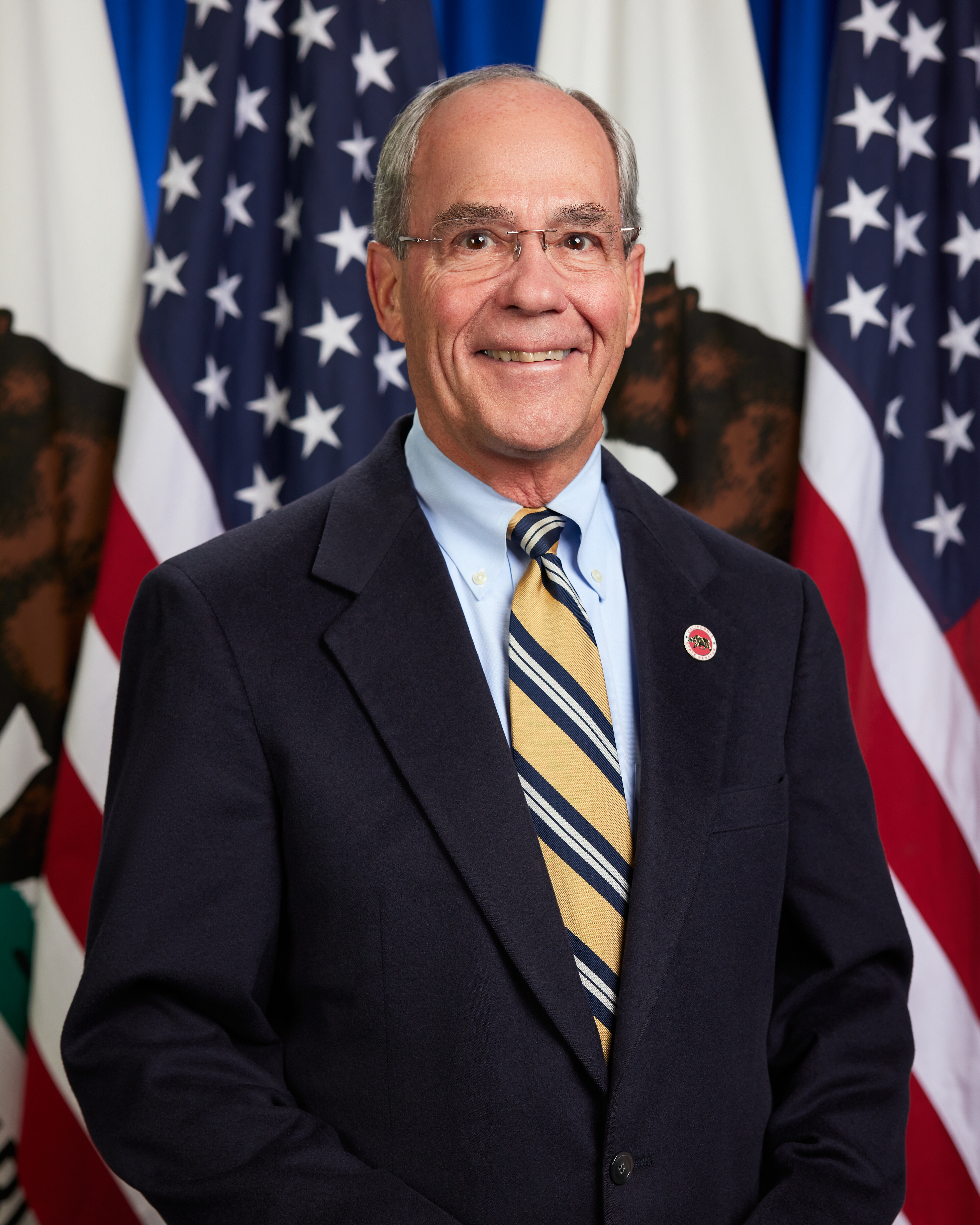
Natasha Johnson
0% support rate
Ranked legislators
10
5 support · 5 oppose
Key legislators

Who's moving education in California

Legislators moving education in California
Legislator Party Stance Support rate Votes
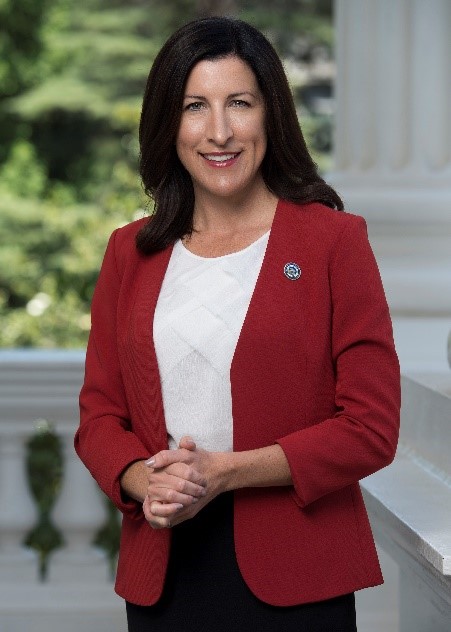
Pilar Schiavo
Pilar Schiavo House · District 40
D
Strong +
100% 467
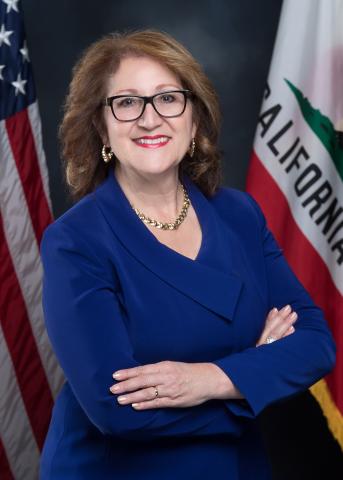
Cottie Petrie-Norris
Cottie Petrie-Norris House · District 73
D
Strong +
100% 451
Eloise Reyes
Eloise Reyes Senate · District 29
D
Strong +
100% 393
Ash Kalra
Ash Kalra House · District 25
D
Strong +
99% 609
Catherine Stefani
Catherine Stefani House · District 19
D
Strong +
99% 603
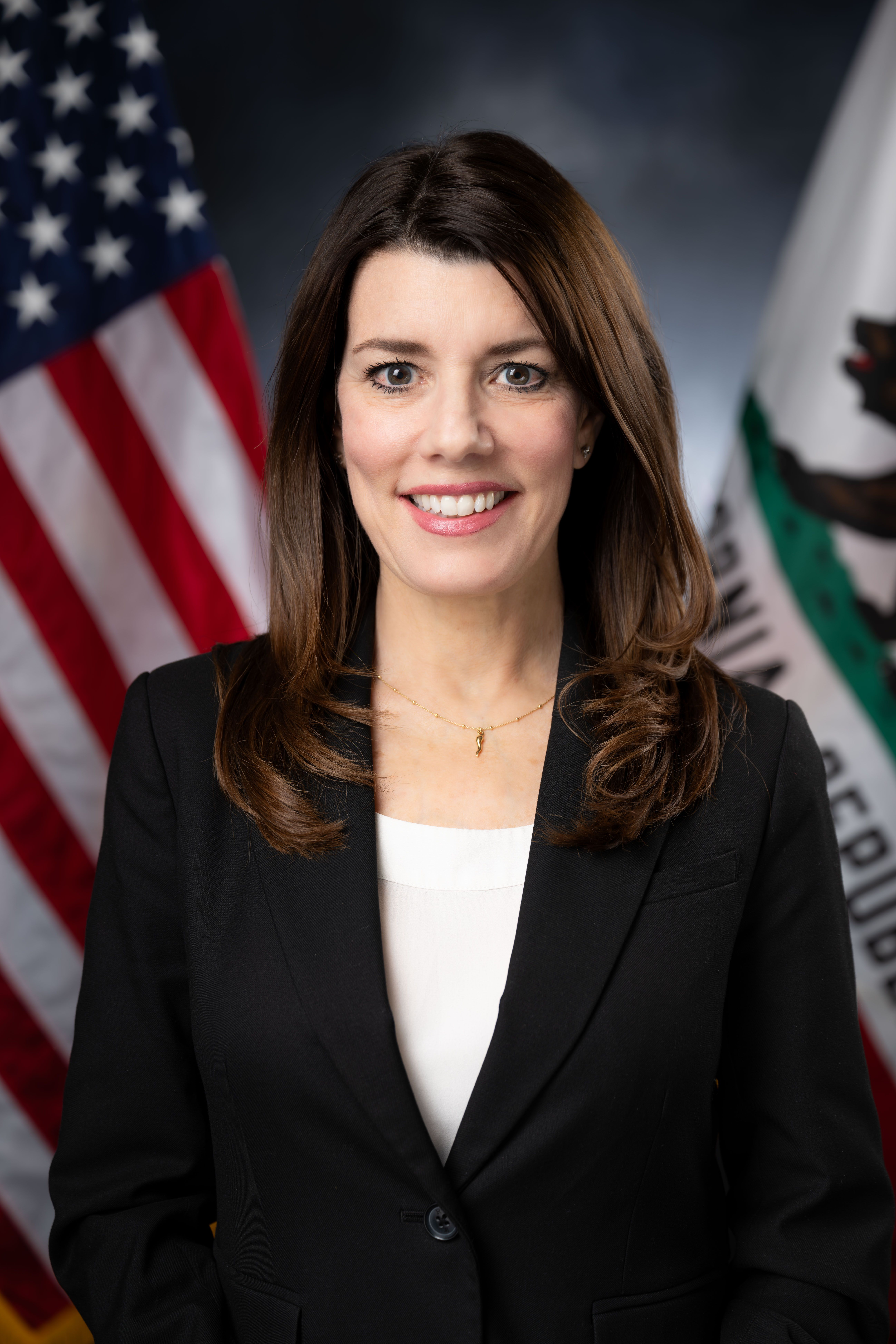
Natasha Johnson
Natasha Johnson House · District 63
R
Strong −
0% 329
Stan Ellis
Stan Ellis House · District 32
R
Strong −
0% 504
James Gallagher
James Gallagher House · District 3
R
Strong −
2% 324
Ali Macedo
Ali Macedo House · District 33
R
Strong −
3% 580
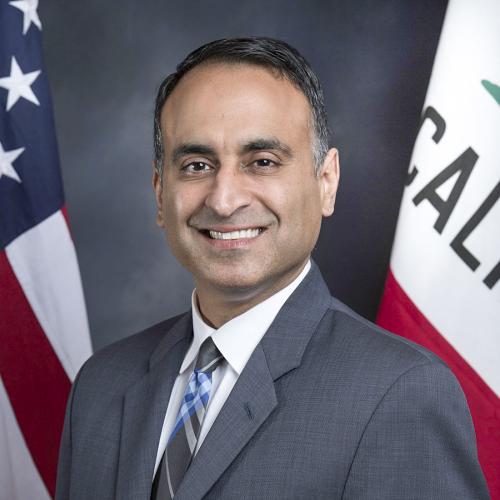
Roger Niello
Roger Niello Senate · District 6
R
Strong −
4% 487
Showing 281–290 of 420 bills

All education bills

failed · California · Senate Feb 2, 2026

SB 305: Seymour-Campbell Student Success Act of 2012: Free Application for Federal Student Aid and California Dream Act application.

Existing law, known as the Seymour-Campbell Student Success Act of 2012, provides that the act's purpose is to increase California community college student access and success by providing effective core matriculation services, including orientation, assessment and placement, counseling, and other education planning services, and academic interventions. This bill would require, as part of the act, community colleges to provide, commencing with the 2026–27 academic year, students with specified information related to completing and submitting the Free Application for Federal Student Aid and the California Dream Act application, and to confirm, commencing with the 2027–28 academic year, that students who have not opted out have completed and submitted the Free Application for Federal Student Aid or the California Dream Act application, as specified. The bill would require community college districts to ensure that students are directed to services to assist students in complying with the bill's requirements, and that the information shared by students is handled in compliance with state and federal privacy laws. The bill would require the Student Aid Commission to adopt regulations that include model opt-out forms and acceptable use policies, as specified. By imposing new duties on community college districts, the bill would impose a state-mandated local program. The California Constitution requires the state to reimburse local agencies and school districts for certain costs mandated by the state. Statutory provisions establish procedures for making that reimbursement. This bill would provide that, if the Commission on State Mandates determines that the bill contains costs mandated by the state, reimbursement for those costs shall be made pursuant to the statutory provisions noted above.
failed · California · Assembly Feb 2, 2026

AB 1462: Public postsecondary education: community colleges: baccalaureate degree program: Allan Hancock College.

Existing law authorizes the Board of Governors of the California Community Colleges, in consultation with the California State University and the University of California, to authorize the establishment of community college district baccalaureate degree programs, as provided. Existing law requires a baccalaureate degree program offered by a community college district to (1) be offered in a subject area with unmet workforce needs in the local community or region of the district, (2) not offer a program or program curricula already offered by the California State University or University of California, and (3) have the expertise, resources, and student interest to offer a quality baccalaureate degree in the chosen field of study. If, during the consultation process related to a proposed baccalaureate degree program, the California State University or the University of California believes there is program duplication and the applicable segment submits written objections, existing law requires the objecting segment and the Chancellor of the California Community Colleges to establish a written agreement before the program is approved, as provided. This bill would authorize the board of governors to approve a baccalaureate degree program at Allan Hancock College without a written agreement between the objecting segment and the chancellor if the board of governors determines the proposed baccalaureate degree program satisfies the baccalaureate degree program requirements described above. This bill would make legislative findings and declarations as to the necessity of a special statute for Allan Hancock College.
Sub-Topics Higher Education
failed · California · Assembly Feb 2, 2026

AB 1452: State mandates: claims.

The California Constitution, whenever the Legislature or a state agency mandates a new program or higher level of service on any local government, including school districts, requires the state to provide a subvention of funds to reimburse the local government, unless an exception applies. Statutory provisions that establish procedures for making that reimbursement include a requirement that no claim shall be made or paid unless it exceeds $1,000. This bill would change the minimum claim amount to $800.
failed · California · Assembly Feb 2, 2026

AB 988: Pupil instruction: statewide dual enrollment framework: advisory board.

Existing law authorizes a community college district to enter into a College and Career Access Pathways (CCAP) partnership with the governing board of a school district, a county office of education, or the governing body of a charter school with the goal of developing seamless pathways from high school to community college for career technical education or preparation for transfer, improving high school graduation rates, or helping high school pupils achieve college and career readiness. This bill would require the Superintendent of Public Instruction, in collaboration with the dual enrollment advisory board, which the bill would establish, to develop a statewide dual enrollment framework to provide guidance for how dual enrollment programs should operate in the state to reach specified goals. The bill would require the dual enrollment advisory board membership to be composed of specified individuals, as provided. The bill would require the Superintendent and the advisory board, in developing the framework, to do certain things, including, among others, reviewing existing laws, policies, and efforts in California and other states on dual enrollment, course choice, pupil remediation, articulation and transfer, and transition courses, and providing a guide of best practices to accomplish specified dual enrollment-related policies. The bill would require the Superintendent to, by January 1, 2027, submit the framework to certain legislative committees, as provided.
passed · California · Assembly Aug 13, 2026

AB 1171: Part-Time Community College Faculty Health Insurance Program.

Existing law establishes the California Community Colleges, administered by the Board of Governors of the California Community Colleges, as one of the segments of public postsecondary education in the state. Existing law requires the board to appoint a chief executive officer, known as the Chancellor of the California Community Colleges. Existing law establishes community college districts throughout the state, under the administration of community college district governing boards, and authorizes these districts to provide instruction at the community college campuses they operate. Existing law establishes the Part-Time Community College Faculty Health Insurance Program, which authorizes the governing board of a community college district to provide a program of health insurance for part-time faculty, multidistrict part-time faculty, and their dependents. Existing law requires the chancellor, by June 15 of each year, to apportion to each community college that establishes a program an amount that equals up to12 of the total cost of the individual premiums required to be paid for the health insurance coverage of participating part-time faculty, multidistrict part-time faculty, and their dependents, and to apportion any remaining funds to each community college district that establishes a program and meets certain criteria, up to the total cost of the individual premiums required to be paid for the health insurance coverage of the participants, as provided. If funds appropriated for purposes of the program remain after those apportionments, existing law requires that the balance revert to the General Fund annually, as specified. This bill would instead require that the balance be deposited into the Part-Time Community College Faculty Health Insurance Program Fund, which the bill would create. The bill would continuously appropriate the moneys in the fund to the chancellor for purposes of the above-described apportionments, as specified. This bill would state the intent of the Legislature that, by January 1, 2030, each community college district commence negotiations with the exclusive representatives for part-time community college faculty to offer health insurance benefits to part-time and multidistrict part-time community college faculty and their eligible dependents.
Sub-Topics Higher Education
passed · California · Assembly Aug 24, 2026

AB 664: Community colleges: baccalaureate degree program: Southwestern Community College District.

Existing law establishes the California Community Colleges, under the administration of the Board of Governors of the California Community Colleges, as one of the segments of public postsecondary education in this state. Existing law establishes community college districts throughout the state and authorizes them to provide instruction at the campuses they operate. Existing law authorizes the Board of Governors of the California Community Colleges, in consultation with the California State University and the University of California, to authorize the establishment of community college district baccalaureate degree programs, as provided. This bill would authorize the Chancellor of the California Community Colleges to authorize the Southwestern Community College District to offer no more than 4 workforce-aligned baccalaureate degree programs, one each in forensic studies, allied health education and leadership, interaction design, and teaching English to speakers of other languages, as provided. The bill would require the Legislative Analyst's Office to, on or before July 1, 2031, conduct and present to the Legislature and the Governor an interim evaluation of any of the baccalaureate degree programs that are offered pursuant to that authorization and, on or before July 1, 2035, a final evaluation of those degree programs, as provided. The bill would repeal these provisions on January 1, 2037. This bill would make legislative findings and declarations as to the necessity of a special statute for the Southwestern Community College District. This bill would not become operative if either AB 2694 or SB 960 of the 2025–26 Regular Session, or both of those bills, are enacted and take effect on or before January 1, 2027.
Sub-Topics Higher Education
failed · California · Senate Feb 2, 2026

SB 538: Public Employees' Retirement System: teaching service.

Existing law authorizes a member of the Public Employees' Retirement System (PERS) who is subsequently employed to perform service subject to coverage by the Defined Benefit Program of the State Teachers' Retirement Plan to elect to retain coverage by PERS for that subsequent service. Existing law prescribes requirements for the exercise of this election, including that the election be submitted in writing, as specified, within 60 days after the member's date of hire to perform the service. Existing law authorized, until January 1, 2024, a member of PERS who provided emergency teaching services pursuant to a specified executive order to elect to retain coverage notwithstanding the failure to meet specified administrative requirements. This bill would authorize a member providing services as a substitute teacher, as defined, under certain circumstances to elect to retain coverage under PERS.
Sub-Topics Teachers
passed · California · Assembly Aug 13, 2026

AB 805: Career Apprenticeship Bridge Program.

Existing law establishes the Division of Apprenticeship Standards within the Department of Industrial Relations and requires the division, among other things, to evaluate apprenticeship and preapprenticeship programs to ensure that the program evaluated is complying with its standards, as specified. Existing law requires the Chief of the Division of Apprenticeship Standards to perform various functions with respect to apprenticeship programs and the welfare of apprentices. This bill would establish the Career Apprenticeship Bridge Program to be administered by the division and would authorize the division to work with the State Department of Education and the Office of the Chancellor of the California Community Colleges in order to, among other things, identify resources to support youth apprenticeships. The bill would require a program applicant for a Career Apprenticeship Bridge Program to submit documentation to the chief, as specified. The bill would require the chief, before approving a Career Apprenticeship Bridge Program, to present the application, as described, to the State Department of Education to review whether specified requirements are met. The bill would authorize the chief, among other things, to issue rules and regulations that govern Career Apprenticeship Bridge Programs, as specified.
failed · California · Assembly Apr 2, 2025

AB 89: Interscholastic sports: gender equity.

Existing law recognizes the California Interscholastic Federation ("CIF") to be a voluntary organization that consists of school and school-related personnel with responsibility for administering interscholastic athletic activities in secondary schools. Existing law requires the CIF to report, as provided, to the appropriate policy committees of the Legislature and the Governor on its goals and objectives with regard to, and the status of, among other things, gender equity in interscholastic athletics, including, but not limited to, the number of male and female pupils participating in interscholastic athletics in secondary schools, and actions it has taken in order to ensure compliance with Title IX of the federal Education Amendments of 1972. This bill would require the CIF to amend its constitution, bylaws, and policies to prohibit a pupil whose sex was assigned male at birth from participating on a girls' interscholastic sports team.
failed · California · Senate Feb 2, 2026

SB 539: School facilities.

(1) The Leroy F. Greene School Facilities Act of 1998 provides for the adoption of rules, regulations, and procedures, under the administration of the Director of General Services, for the allocation of state funds by the State Allocation Board for the construction and modernization of public school facilities. The act permits a school district ​to apply for hardship assistance in cases of extraordinary circumstances. The act requires, for health and safety projects for school facilities that are determined by the Department of General Services to pose an unacceptable risk of injury to occupants in the event of a seismic event, a school district to demonstrate that certain conditions are satisfied, including that the school facilities are needed to ensure the health and safety of pupils if the health and safety of pupils is at risk. This bill would apply the above-described provisions to health and safety projects for school facilities that are determined by the Department of General Services to pose an unacceptable risk of injury to occupants in the event of a wildfire, flood, or other state of emergency proclaimed by the Governor, and would specify that the above-described condition includes ending the disruption to the delivery of educational services due to damage to, or destruction of, school facilities. The bill, for projects approved under these provisions, would authorize a school district to employ any project delivery method authorized under existing law to support concurrent coordination and approval by the State Department of Education, the State Architect, and the State Allocation Board for expedited permitting, approval, and construction processes, and would authorize those state agencies to use machine learning to automate nondiscretionary aspects of those processes. The bill would also authorize a school district to use machine learning to prepare documents and materials for the permitting process for these projects. (2) Existing law requires the State Department of Education to take specified actions relating to the construction of school facilities, including to establish standards for use by school districts to ensure that the design and construction of school facilities are educationally appropriate and promote school safety. This bill would require the department, the Division of the State Architect, the Office of Public School Construction, and the State Allocation Board, beginning July 1, 2026, and every 5 years thereafter, to engage the Government Operations Agency to collaboratively review the processes relating to school design and construction to identify short-term, intermediate, and long-term improvements that can be made to those processes. The bill would require those entities, on or before December 1, 2026, and every 5 years thereafter, to submit a report to the appropriate fiscal and policy committees of the Legislature that identifies process changes to streamline how local educational agencies receive the approval required for school construction and secure state funding. The bill would require the report required on or before December 1, 2026, to also address specified priorities, including, among other things, implementation of specific timeframes for the Division of the State Architect to review submitted proposals and the development of an alternative project delivery method specific to the need to expedite school reconstruction and repair in the aftermath of an emergency.
Sub-Topics School Safety
Showing 281 to 290 of 420 bills
Previous 1 28 29 30 42 Next