Issue · Budget & Taxes

Budget & Taxes (Sales Tax)

Every budget & taxes bill, vote, and legislator stance in California, automatically classified by Maddy, our AI policy reader.

Total bills
25
2025-2026 Regular Session
Top supporter
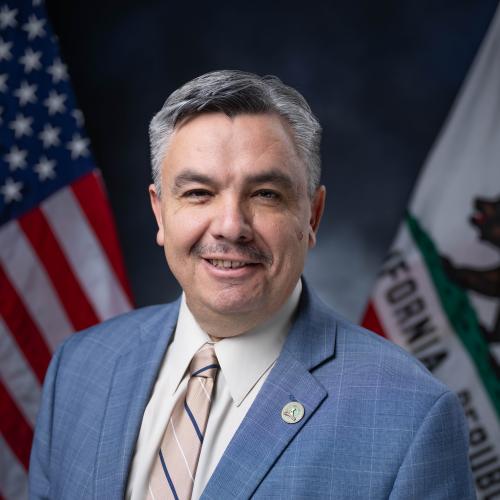
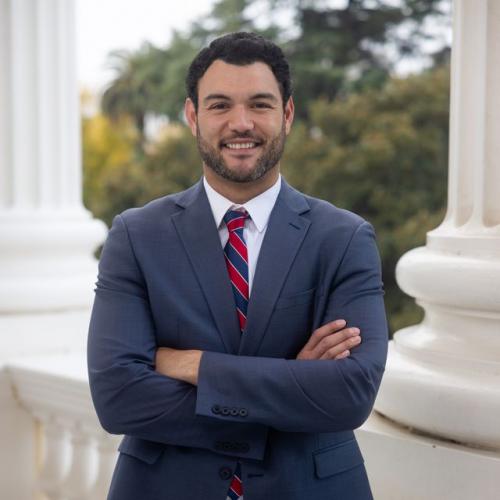
Juan Carrillo
100% support rate
Top opponent
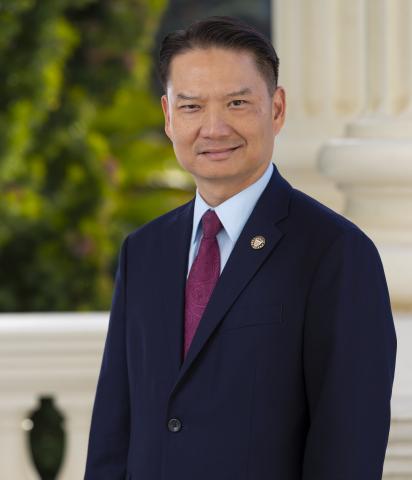
Tri Ta
0% support rate
Ranked legislators
10
5 support · 5 oppose
Key legislators

Who's moving sales tax in California

Legislators moving sales tax in California
Legislator Party Stance Support rate Votes
Juan Carrillo
Juan Carrillo House · District 39
D
Strong +
100% 15
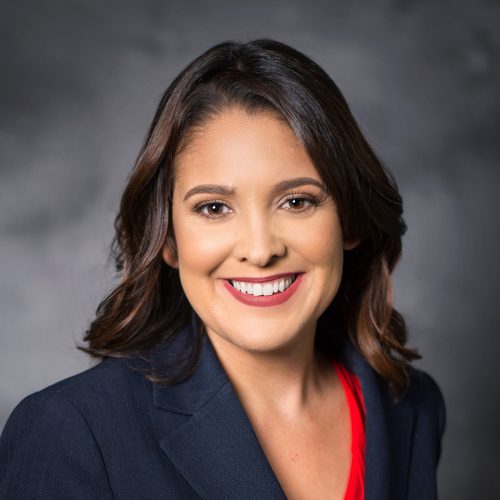
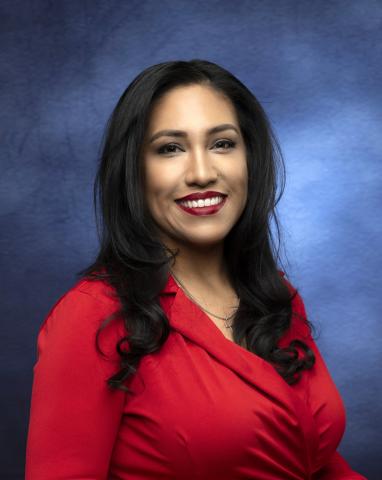
Blanca Pacheco
Blanca Pacheco House · District 64
D
Strong +
100% 14
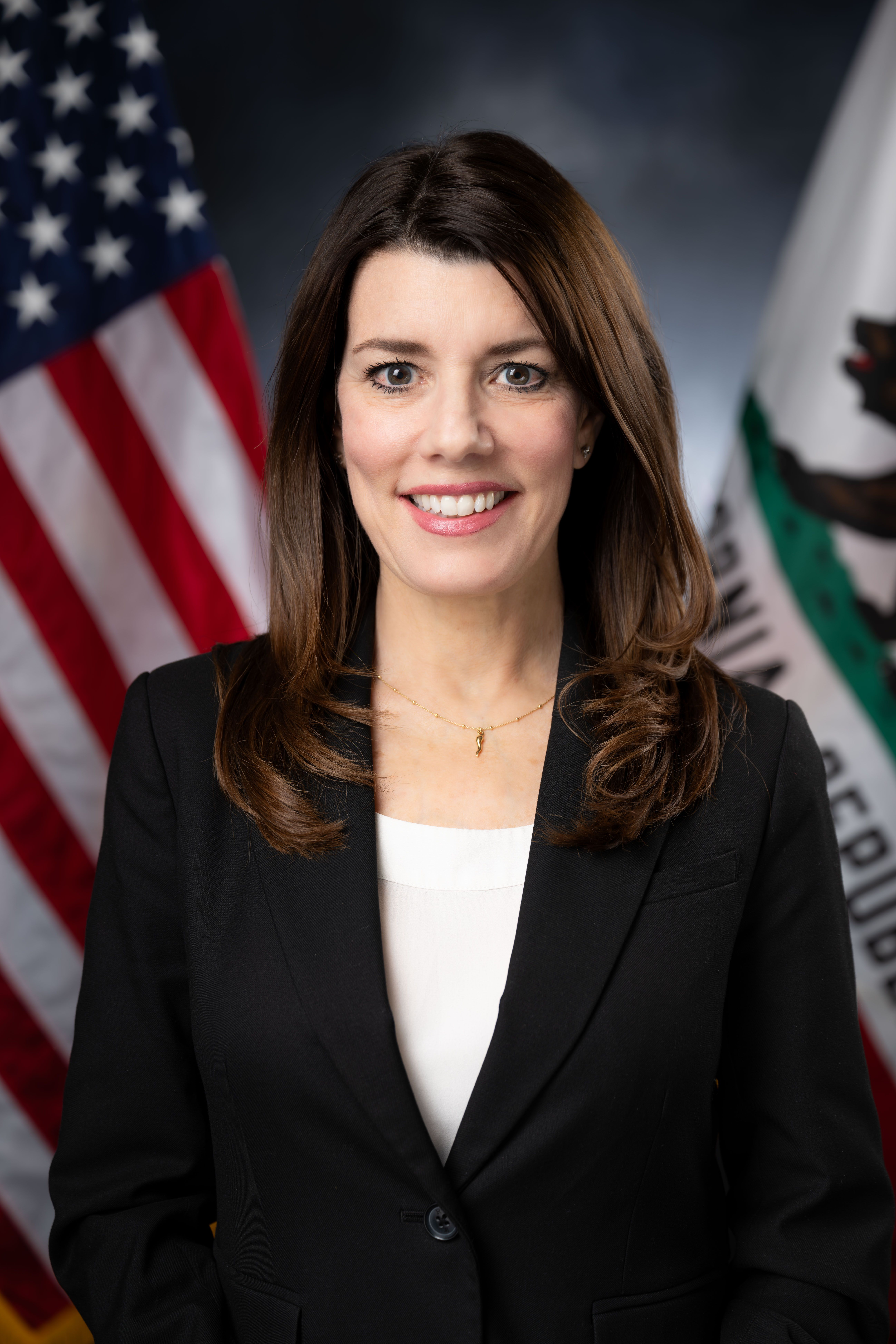
Catherine Stefani
Catherine Stefani House · District 19
D
Strong +
100% 14
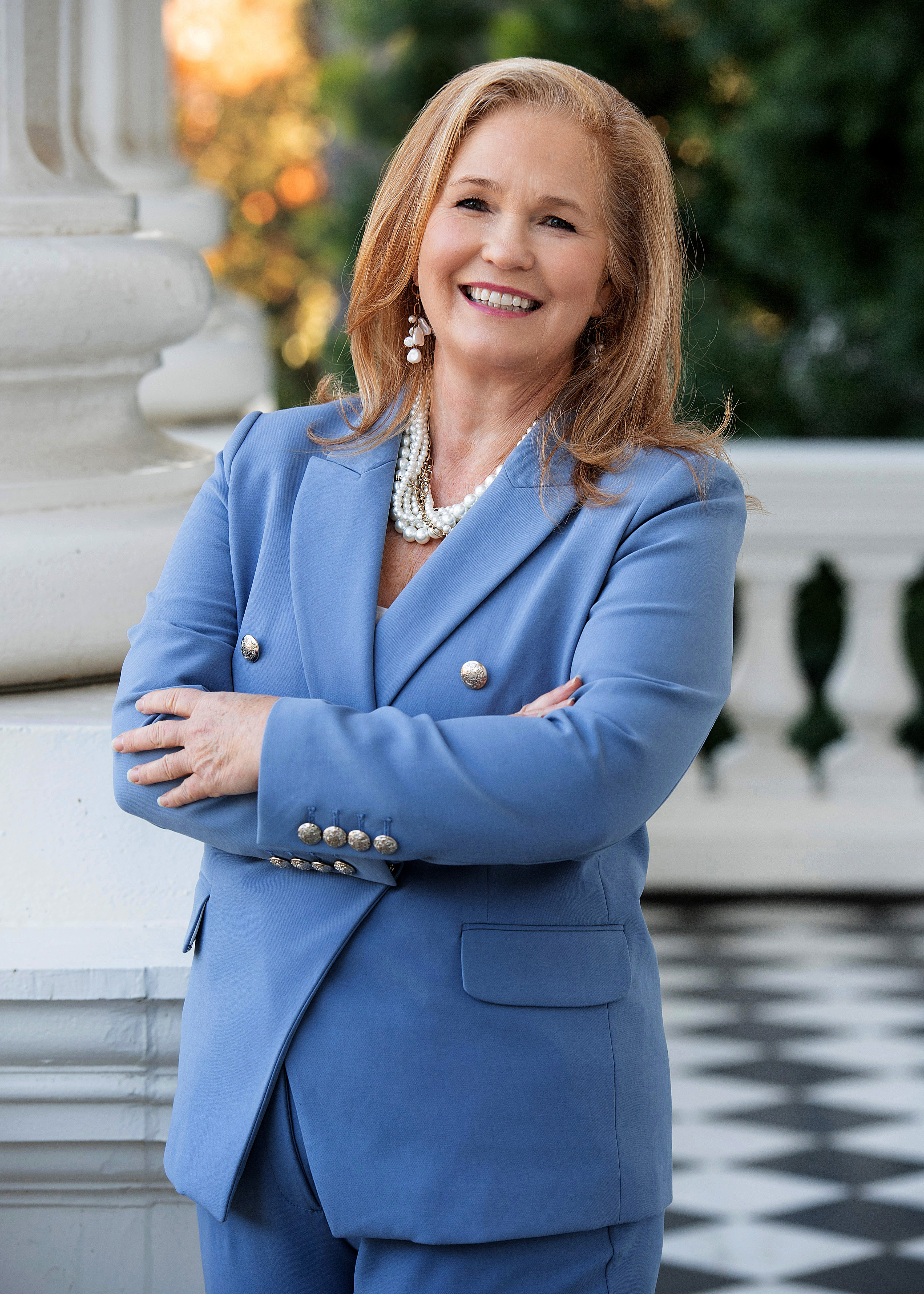
Gail Pellerin
Gail Pellerin House · District 28
D
Strong +
100% 14
JA
Jesse Arreguín Senate · District 7
D
Strong +
100% 14
Tri Ta
Tri Ta House · District 70
R
Strong −
0% 17
Kelly Seyarto
Kelly Seyarto Senate · District 32
R
Strong −
0% 13
David Tangipa
David Tangipa House · District 8
R
Strong −
0% 12
Suzette Valladares
Suzette Valladares Senate · District 23
R
Strong −
0% 12
Carl DeMaio
Carl DeMaio House · District 75
R
Strong −
0% 11
Showing 1–10 of 25 bills

All budget & taxes bills

signed · California · Assembly Jul 13, 2026

AB 2641: Sales and use taxes: exclusion: pawnbrokers: transfer of vested property.

Existing state sales and use tax laws impose a tax on retailers measured by the gross receipts from the sale of tangible personal property sold at retail in this state, or on the storage, use, or other consumption in this state of tangible personal property purchased from a retailer for storage, use, or other consumption in this state. Existing law defines "sale" and "purchase" for these purposes and provides certain exclusions from those definitions. Existing law, until January 1, 2027, excludes the transfer of vested property by a pawnbroker to a person who pledged the property to the pawnbroker as security for a loan, if specified requirements are met, from the definition of "sale" and "purchase," thus excluding that transfer from imposition of sales and use tax. This bill would extend the exclusion of the transfer of vested property by a pawnbroker to the person who pledged it, as described above, until January 1, 2032. Existing law requires a bill authorizing a sales and use tax exemption to contain, among other things, specific goals, purposes, and objectives that the tax expenditure will achieve, detailed performance indicators, and data collection requirements. This bill would include that additional information required for the above sales and use tax exclusion. The Bradley-Burns Uniform Local Sales and Use Tax Law authorizes counties and cities to impose local sales and use taxes in conformity with the Sales and Use Tax Law, and existing laws authorize districts, as specified, to impose transactions and use taxes in accordance with the Transactions and Use Tax Law, which generally conforms to the Sales and Use Tax Law. Amendments to the Sales and Use Tax Law are automatically incorporated into the local tax laws. Existing law requires the state to reimburse counties and cities for revenue losses caused by the enactment of sales and use tax exemptions. This bill would provide that, notwithstanding Section 2230 of the Revenue and Taxation Code, no appropriation is made and the state shall not reimburse any local agencies for sales and use tax revenues lost by them pursuant to this bill. This bill would take effect immediately as a tax levy.
in committee · California · Senate May 14, 2026

SB 1275: Sales and use tax exemption: vehicle license fee imposition: motor vehicles.

(1) Existing state sales and use tax laws impose a tax on retailers measured by the gross receipts from the sale of tangible personal property sold at retail in this state or on the storage, use, or other consumption in this state of tangible personal property purchased from a retailer for storage, use, or other consumption in this state. The Sales and Use Tax Law provides various exemptions from those taxes. This bill would, on and after July 1, 2027, and before July 1, 2032, exempt from those taxes the gross receipts from the sale of, and the storage, use, or other consumption of a used motor vehicle sold by specified dealers or their affiliates or a new motor vehicle. Existing law requires a bill authorizing a new tax expenditure to contain, among other things, specific goals the tax expenditure will achieve, detailed performance indicators, and data collection requirements. This bill would exclude the exemption from that requirement. The Bradley-Burns Uniform Local Sales and Use Tax Law authorizes counties and cities to impose local sales and use taxes in conformity with the Sales and Use Tax Law, and existing laws authorize districts, as specified, to impose transactions and use taxes in accordance with the Transactions and Use Tax Law, which generally conforms to the Sales and Use Tax Law. Amendments to the Sales and Use Tax Law are automatically incorporated into the local tax laws. This bill would provide that the exemption created by this bill does not apply to local sales and use taxes or transactions and use taxes. Existing law imposes or dedicates certain state sales and use tax rates for local funding, including through the Local Revenue Fund 2011. This bill would provide that the exemption created by this bill does not apply to those state sales and use tax rates imposed or dedicated for local government funding, including those rates for which revenues are deposited into the Local Revenue Fund 2011. (2) The Vehicle License Fee Law imposes a license fee for the privilege of operating upon the public highways in this state of specified vehicles, including any vehicle of a type which is subject to registration under the Vehicle Code. This bill would impose, on and after July 1, 2027, and before July 1, 2032, upon the sale of a used motor vehicle sold by specified dealers or their affiliates or the first sale of a new motor vehicle to a consumer, an additional license fee equal to 3.9375% of the gross receipts from the sale. The bill would require the dealer to collect the license fee, as described, and remit the funds. The bill would require the Department of Motor Vehicles to report the amounts collected to the California Department of Tax and Fee Administration and deposit those moneys in the General Fund. This bill would include a change in state statute that would result in a taxpayer paying a higher tax within the meaning of Section 3 of Article XIIIA of the California Constitution, and thus would require for passage the approval of 23 of the membership of each house of the Legislature. (3) This bill would take effect immediately as a tax levy.
passed both · California · Senate Aug 27, 2026

SB 1406: Sales and Use Tax Law: vehicles: shell companies.

The Sales and Use Tax Law imposes a tax on retailers measured by the gross receipts from the sale of tangible personal property sold at retail in this state, or on the storage, use, or other consumption in this state of tangible personal property purchased from a retailer for storage, use, or other consumption in this state, measured by sales price. Under the Sales and Use Tax Law, there is a presumption that a vehicle, vessel, or aircraft shipped or brought into this state within 12 months from the date of its purchase was acquired for storage, use, or other consumption in this state and is subject to the use tax if any of specified conditions are satisfied, including where the vehicle is purchased by a resident of this state, as defined. Existing law provides that, for purposes of this presumption, a closely held company or limited liability company is considered a resident of this state if 50% or more of the shares or membership interests are held by shareholders or members who are residents of this state. This bill would additionally provide that a partnership, limited partnership, or limited liability partnership is a resident of this state if 50% of the partnership, limited partnership, or limited liability partnership interests are held by partners that are residents of this state. The bill would also provide that, for purposes of the above-described presumption, a shell company, as defined, is a resident of this state if any shareholder, partner, member, or beneficial owner is a resident of this state. The bill would hold any officer, manager, partner, beneficial owner, or member of a shell company personally liable for any unpaid taxes, and any interest and penalties on those taxes, the nonpayment of which may constitute a crime, due on the purchase of a vehicle, vessel, or aircraft. By expanding the scope of crimes related to the violation of the Sales and Use Tax Law, this bill would impose a state-mandated local program. The bill would also make nonsubstantive and conforming changes to these provisions. This bill would include a change in state statute that would result in a taxpayer paying a higher tax within the meaning of Section 3 of Article XIIIA of the California Constitution, and thus would require for passage the approval of 23 of the membership of each house of the Legislature. The California Constitution requires the state to reimburse local agencies and school districts for certain costs mandated by the state. Statutory provisions establish procedures for making that reimbursement. This bill would provide that no reimbursement is required by this act for a specified reason. This bill would take effect immediately as a tax levy.
passed both · California · Senate Aug 28, 2026

SB 1151: Sales and Use Tax Law: exemptions: infant formula.

Existing sales and use tax laws impose taxes on retailers measured by the gross receipts from the sale of tangible personal property sold at retail in this state, or on the storage, use, or other consumption in this state of tangible personal property purchased from a retailer for storage, use, or other consumption in this state. The Sales and Use Tax Law provides various exemptions from those taxes, including an exemption for the gross receipts from the sale of, and the storage, use, or other consumption in this state of, food products for human consumption, as specified. This bill would specify that "food products" includes infant formula. This bill would take effect immediately as a tax levy.
Sub-Topics Sales Tax
in committee · California · Senate May 14, 2026

SB 1113: Corporate tax: exclusions: qualifying shipping activities.

The Corporation Tax Law, in conformity with federal income tax law, generally defines "gross income" as income from whatever source derived, except as specifically excluded, and provides various exclusions from gross income. Existing federal income tax law authorizes a qualifying vessel operator, as defined, to elect to determine its corporate tax burden for specified international shipping activities using a per-ton rate and provides an exclusion from gross income for qualifying shipping activities of an electing corporation or a member of an electing group, as specified. This bill, for taxable years beginning on or after January 1, 2026, would provide an exclusion from gross income for qualifying shipping activities of an electing corporation or a member of an electing group for which an election is in effect under the above-described federal law, as specified. The bill would also provide special rules relating to depreciation and basis of a qualifying vessel, as defined, and would, in conformity with federal income tax laws, provide for the nonrecognition of gain from the disposition of a qualifying vessel where the electing corporation acquires a replacement qualifying vessel, as provided. This bill would take effect immediately as a tax levy.
in committee · California · Senate May 14, 2026

SB 1343: Income tax credit: sales and use tax paid: natural disasters.

Existing state sales and use tax laws impose a tax on retailers measured by the gross receipts from the sale of tangible personal property sold at retail in this state of, or on the storage, use, or other consumption in this state of, tangible personal property purchased from a retailer for storage, use, or other consumption in this state. The California Emergency Services Act authorizes the Governor to proclaim a state of emergency in an area affected, or likely to be affected, thereby if certain criteria are met, including there are conditions of disaster or of extreme peril to the safety of persons and property within the state caused by conditions such as air pollution, fire, flood, storm, epidemic, riot, drought, cyberterrorism, sudden and severe energy shortage, electromagnetic pulse attack, or plant or animal infestation or disease. The Personal Income Tax Law and the Corporation Tax Law allow various credits against the taxes imposed by those laws. This bill would allow, for taxable years beginning on or after January 1, 2027, and before January 1, 2032, a credit against those taxes to a qualified taxpayer, as defined, in an amount equal to qualified tax payments made during the taxable year, subject to certain limitations. The bill would define "qualified tax payment" to mean an unreimbursed sales or use tax payment paid or incurred by the qualified taxpayer in the taxable year for certain tangible personal property purchased proximate to the date upon which a natural disaster destroyed a qualified taxpayer's principal residence, major appliances, or residential furniture to replace those items, as specified. Existing law requires any bill authorizing a new tax expenditure to contain, among other things, specific goals that the tax expenditure will achieve, detailed performance indicators, and data collection requirements. This bill also would include additional information required for any bill authorizing a new tax expenditure. This bill would take effect immediately as a tax levy.
passed both · California · Senate Aug 28, 2026

SB 1172: Bradley-Burns Uniform Local Sales and Use Tax Law: tax sharing agreements.

Existing law prohibits a local agency from entering into any form of agreement that would result, directly or indirectly, in the payment, transfer, diversion, or rebate of any tax revenue resulting from the imposition of a sales and use tax under the Bradley-Burns Uniform Local Sales and Use Tax Law to any person for any purpose when the agreement results in a reduction in the amount of revenue under the Bradley-Burns Uniform Local Sales and Use Tax Law that, in the absence of the agreement, would be received by another local agency and the retailer continues to maintain a physical presence within the territorial jurisdiction of that other local agency. Existing law also requires a local agency entering into an agreement that results in a reduction of the amount of revenue under the Bradley-Burns Uniform Local Sales and Use Tax Law that, in the absence of the agreement, would be received by another local agency to take certain actions with respect to that agreement, including posting the proposed agreement on its internet website for at least 30 days prior to ratification or approval of that agreement by its governing body. This bill would prohibit a person from paying compensation to a consultant with respect to a specific tax sharing agreement, as defined, that exceeds the lower of 5% of the total tax revenues shared pursuant to the tax sharing agreement and $250,000. The bill would define a tax sharing agreement for this purpose to mean any agreement that would result, directly or indirectly, in the payment, transfer, diversion, or rebate of any tax revenue resulting from the imposition of a sales and use tax under the Bradley-Burns Uniform Local Sales and Use Tax Law to any person for any purpose. The bill would exclude from these provisions agreements between a local agency and a member of the agency's staff directly employed by the jurisdiction or technical consultants providing noncompensated advisory services. The bill would apply these provisions only to agreements entered into on and after January 1, 2027. The bill would include findings that changes proposed by this bill address a matter of statewide concern rather than a municipal affair and, therefore, apply to all cities, including charter cities.
Sub-Topics Revenue Sales Tax
signed · California · Assembly Jun 1, 2026

AB 1768: Transactions and use taxes: Counties of Contra Costa and Los Angeles.

Existing law authorizes various local governmental entities, subject to certain limitations and approval requirements, to levy a transactions and use tax for general or specific purposes, in accordance with the procedures and requirements set forth in the Transactions and Use Tax Law, including a requirement that the combined rate of all taxes that may be imposed in accordance with that law in any county not exceed 2%. This bill would authorize, until December 31, 2031, the County of Los Angeles, by an ordinance adopted by the county, to levy a tax pursuant to the Transactions and Use Tax Law at a rate not to exceed 0.5% for general and special purposes, subject to voter approval, as specified. The bill would also authorize, until December 31, 2031, the County of Contra Costa, by an ordinance adopted by the county, to levy a tax pursuant to the Transactions and Use Tax Law at a rate not to exceed 0.625% for general or specific purposes, subject to voter approval, as specified. The bill would authorize those taxes to exceed the 2% limit described above. This bill would make legislative findings and declarations as to the necessity of a special statute for the Counties of Contra Costa and Los Angeles. This bill would declare that it is to take effect immediately as an urgency statute.
Sub-Topics Sales Tax Tags Local Government
passed both · California · Assembly Aug 27, 2026

AB 2484: San Diego Metropolitan Transit System: transactions and use tax: voter initiatives.

The Mills-Deddeh Transit Development Act establishes the San Diego Metropolitan Transit Development Board, also known as the San Diego Metropolitan Transit System (MTS) , governed by a 15-member board with specified powers and duties related to the operation of public transit services in the southern portion of the County of San Diego. The act authorizes MTS to impose a transactions and use tax of up to 0.5% for public transit purposes within its jurisdiction, or a portion of its jurisdiction, pursuant to the Transactions and Use Tax Law and subject to voter approval and various other requirements. This bill would also authorize those taxes to be imposed by a qualified voter initiative. To the extent that the bill would impose additional duties on a county elections official, the bill would impose a state-mandated local program. The Transactions and Use Tax Law limits the combined rate of all taxes that may be imposed in accordance with that law in any county to 2%. This bill would prohibit the tax rate of 0.5% described above that may be imposed by MTS or a qualified voter initiative from being considered for purposes of the combined rate limit under the Transactions and Use Tax Law. The California Constitution requires the state to reimburse local agencies and school districts for certain costs mandated by the state. Statutory provisions establish procedures for making that reimbursement. This bill would provide that, if the Commission on State Mandates determines that the bill contains costs mandated by the state, reimbursement for those costs shall be made pursuant to the statutory provisions noted above.
in committee · California · Senate May 6, 2026

SB 1118: Personal Income Tax Law: Corporation Tax Law: tax credits: backup generators: solar batteries.

The Personal Income Tax Law and the Corporation Tax Law allow various credits against the taxes imposed by those laws. This bill would, for taxable years beginning on or after January 1, 2027, and before January 1, 2032, allow a credit against those taxes equal to 50% of the cost of a backup electricity generator or solar battery, as specified, by a qualified taxpayer, as defined, for use in a residence or commercial property. The bill would limit the credit to $5,000 per residence or commercial property in the case of the purchase of a backup electricity generator, and to $7,500 in the case of a solar battery. The bill would only apply these provisions in taxable years for which an appropriation is made in the Budget Act or another statute for the purposes of administering the credits. Existing law requires any bill authorizing a new tax expenditure to contain, among other things, specific goals the tax expenditure will achieve, detailed performance indicators, and data collection requirements. This bill would include additional information required for any bill authorizing a new tax expenditure. This bill would take effect immediately as a tax levy.
Showing 1 to 10 of 25 bills
1 2 3 Next