Issue · Budget & Taxes

Budget & Taxes (Income Tax)

Every budget & taxes bill, vote, and legislator stance in California, automatically classified by Maddy, our AI policy reader.

Total bills
65
2025-2026 Regular Session
Top supporter
Mike Gipson
100% support rate
Top opponent
Carl DeMaio
0% support rate
Ranked legislators
10
5 support · 5 oppose
Key legislators

Who's moving income tax in California

Legislators moving income tax in California
Legislator Party Stance Support rate Votes
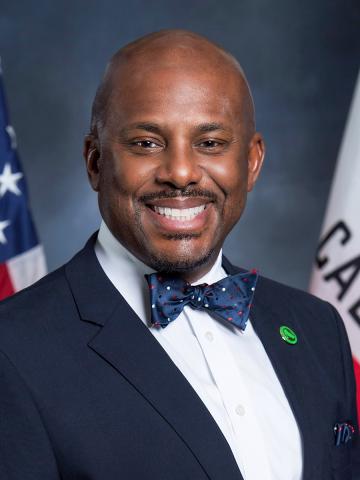
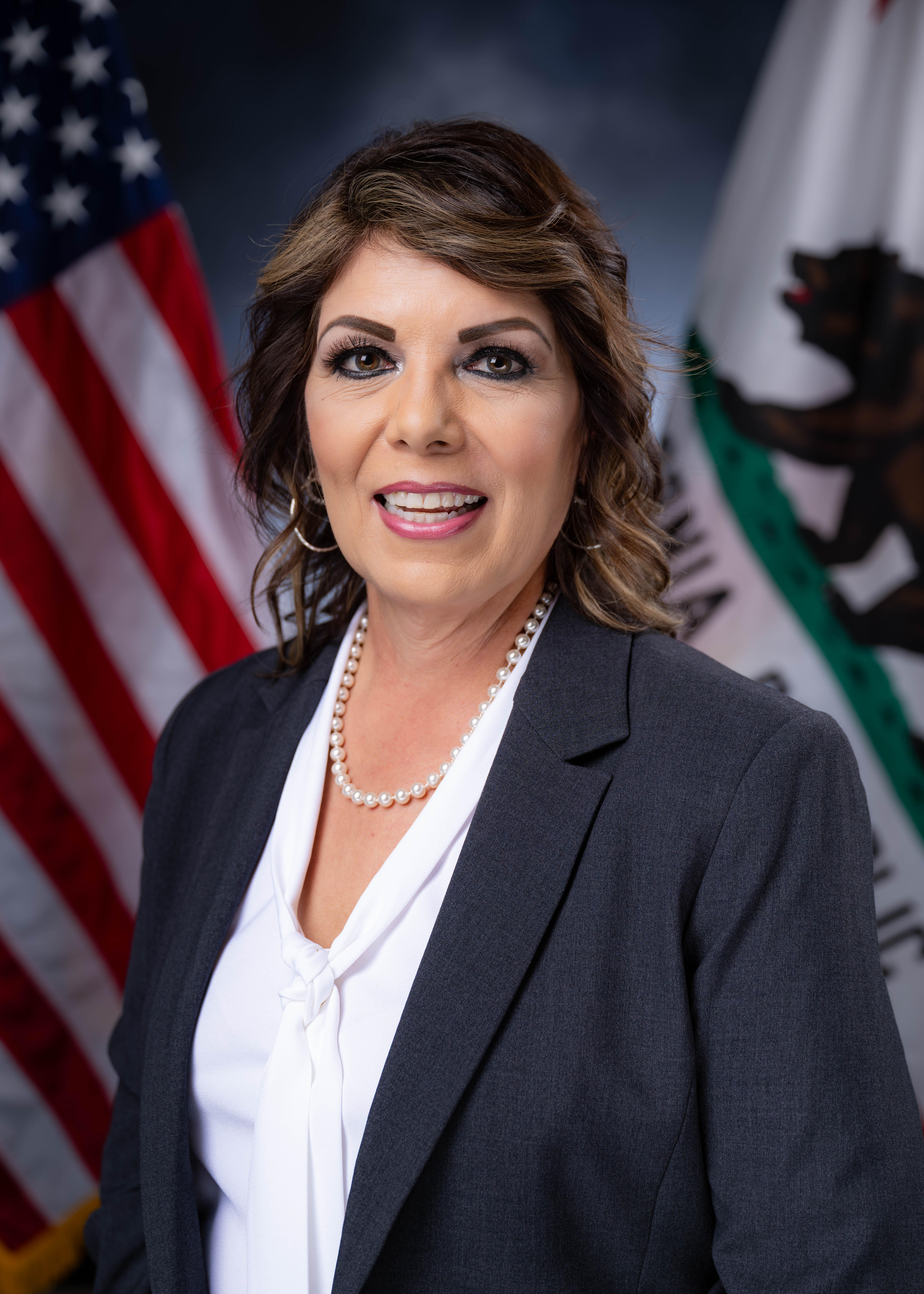
Mike Gipson
Mike Gipson House · District 65
D
Strong +
100% 15
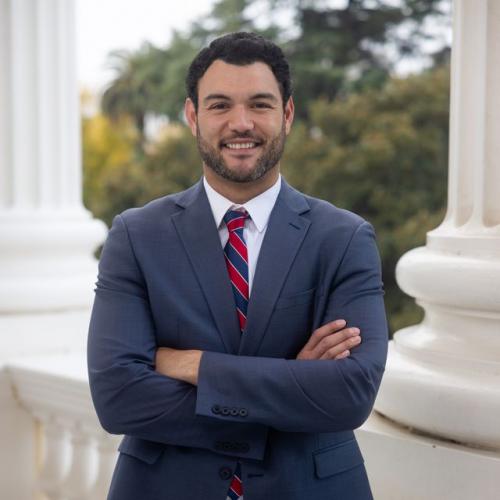
Sharon Quirk-Silva
Sharon Quirk-Silva House · District 67
D
Strong +
100% 15
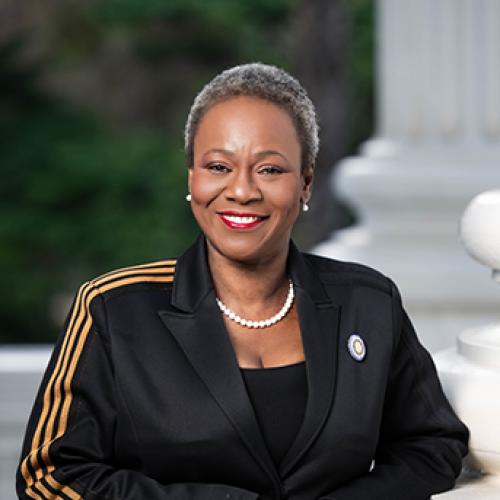
Tina McKinnor
Tina McKinnor House · District 61
D
Strong +
100% 15
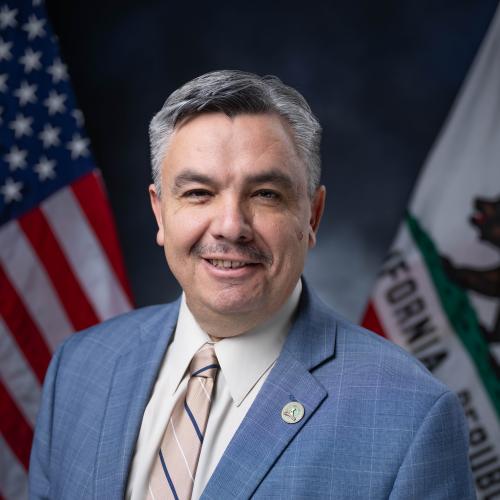
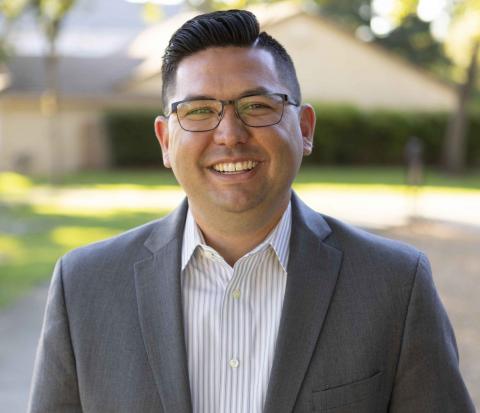
Juan Carrillo
Juan Carrillo House · District 39
D
Strong +
100% 11
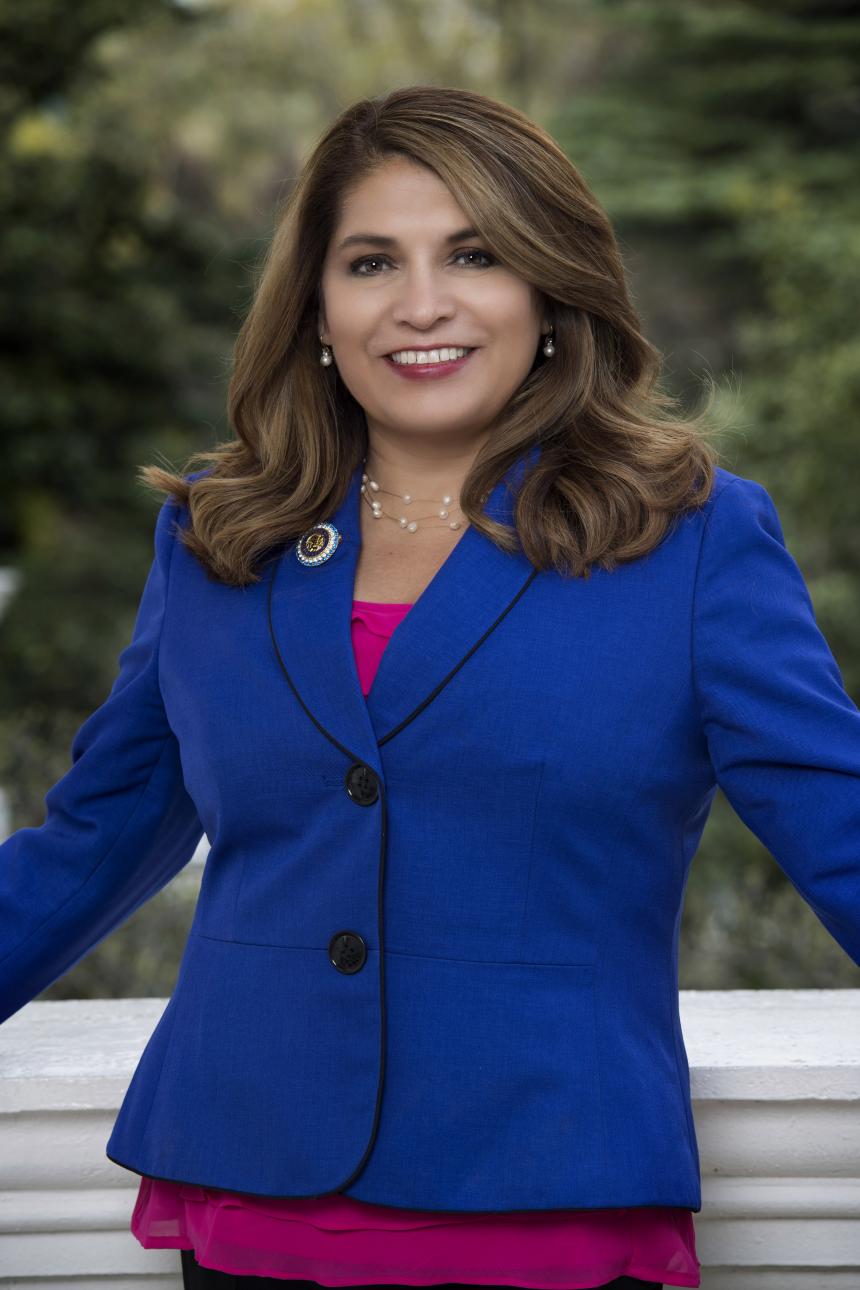
Michelle Rodriguez
Michelle Rodriguez House · District 53
D
Strong +
100% 9
Carl DeMaio
Carl DeMaio House · District 75
R
Strong −
0% 15
David Tangipa
David Tangipa House · District 8
R
Strong −
0% 7
Joshua Hoover
Joshua Hoover House · District 7
R
Strong −
0% 7
Kelly Seyarto
Kelly Seyarto Senate · District 32
R
Strong −
0% 7
Megan Dahle
Megan Dahle Senate · District 1
R
Strong −
0% 7
Showing 61–65 of 65 bills

All budget & taxes bills

failed · California · Senate Feb 2, 2026

SB 269: Personal income taxes: Fire Safe Home Tax Credits Act.

The Personal Income Tax Law allows various credits against the tax imposed by that law. Existing law requires any bill authorizing a new tax credit to contain, among other things, specific goals, purposes, and objectives that the tax credit will achieve, detailed performance indicators, and data collection requirements. This bill would allow credits against the tax imposed by the Personal Income Tax Law for each taxable year beginning on or after January 1, 2026, and before January 1, 2031, to a qualified taxpayer for qualified costs relating to qualified home hardening, as defined, and for qualified costs relating to qualified vegetation management, as defined, in specified amounts, not to exceed an aggregate amount of $50,000,000 per taxable year. This bill would require a qualified taxpayer to reserve a credit for qualified costs relating to qualified home hardening or qualified vegetation management to be eligible for the above-described credits and provide all necessary information for this purpose, as specified. This bill also would include additional information required for any bill authorizing a new income tax credit and would require the Legislative Analyst's Office to prepare a written report regarding the credits, as provided. This bill would take effect immediately as a tax levy.
Sub-Topics Income Tax Tax Credits
failed · California · Senate Feb 2, 2026

SB 1: Personal income taxes: exclusion: Military Services Retirement and Surviving Spouse Benefit Payment Act.

The Personal Income Tax Law, in conformity with federal income tax laws, defines "gross income" as income from whatever source derived, except as specifically excluded, and provides various exclusions from gross income, including an exclusion for combat-related special compensation. This bill, for taxable years beginning on or after January 1, 2025, and before January 1, 2035, would exclude from gross income retirement pay received by a qualified taxpayer, as defined, during the taxable year, not to exceed $20,000, from the federal government for service performed in the uniformed services, as defined. The bill, for taxable years beginning on or after January 1, 2025, and before January 1, 2035, would also exclude from gross income annuity payments received by a qualified taxpayer, as defined, during the taxable year, not to exceed $20,000, pursuant to a United States Department of Defense Survivor Benefit Plan. The bill would make related findings and declarations. Existing law requires any bill authorizing a new tax expenditure to contain, among other things, specific goals, purposes, and objectives that the tax expenditure will achieve, detailed performance indicators, and data collection requirements. This bill also would include additional information required for any bill authorizing a new tax expenditure. This bill would take effect immediately as a tax levy.
passed · California · Senate Jun 30, 2026

SB 353: Income tax: credits: food banks.

The Personal Income Tax Law and the Corporation Tax Law allow various credits against the taxes imposed by those laws, including, for taxable years beginning on or after January 1, 2017, and before January 1, 2027, a credit for qualified taxpayers in an amount equal to 15% of the qualified value of fresh fruits or vegetables and specified raw agricultural products or processed foods donated to a food bank. This bill would extend the authorization for those tax credits for taxable years beginning before January 1, 2032. Existing law requires any bill authorizing a new tax expenditure to contain, among other things, specific goals that the tax expenditure will achieve, detailed performance indicators, and data collection requirements. For purposes of complying with these requirements, existing law requires the Franchise Tax Board to submit a report to the Legislature regarding the utilization of the credit on or before December 1 of each year until January 1, 2026. This bill would extend that reporting requirement to December 1, 2035. This bill would take effect immediately as a tax levy.
failed · California · Assembly Feb 2, 2026

AB 397: Personal Income Tax Law: young child tax credit.

The Personal Income Tax Law allows various credits against the taxes imposed by that law, including a young child tax credit to a qualified taxpayer in a specified amount multiplied by the earned income tax credit adjustment factor, as provided. That law also allows a payment from the continuously appropriated Tax Relief and Refund Account for an amount in excess of tax liability. Existing law defines "qualified taxpayer" for this purpose to include an eligible individual, as defined, who has a qualifying child, defined to be a child younger than 6 years of age as of the last day of the taxable year, and who meets other specified criteria. This bill, for taxable years beginning on or after January 1, 2025, would instead define a "qualifying child" to mean a child younger than a specified age as of the last day of the taxable year, as described. By increasing the payments from the Tax Relief and Refund Account, a continuously appropriated fund, the bill would make an appropriation. Existing law requires any bill authorizing a new tax expenditure to contain, among other things, specific goals that the tax expenditure will achieve, detailed performance indicators, and data collection requirements. This bill would include additional information required for any bill authorizing a new tax expenditure.
failed · California · Assembly Feb 2, 2026

AB 398: Personal income tax: Earned Income Tax Credit.

The Personal Income Tax Law, in modified conformity with federal income tax laws, allows an earned income tax credit against personal income tax and a payment from the Tax Relief and Refund Account, a continuously appropriated fund, for an allowable credit in excess of tax liability to an eligible individual that is equal to that portion of the earned income tax credit allowed by federal law, as determined by the earned income tax credit adjustment factor, as specified. The law provides that the amount of the credit is calculated as a percentage of the eligible individual's earned income and is phased out above a specified amount as income increases, and provides alternative calculation factors under specified circumstances. Existing law, for taxable years beginning on or after January 1, 2020, and until and including the taxable year in which the minimum wage is set at $15 per hour, requires the phaseout percentage for eligible individuals to be recalculated by the Franchise Tax Board so that the calculated amount of credit for a taxpayer with an earned income of $30,000 is equal to zero. This bill, for taxable years beginning on or after January 1, 2025, if the amount of credit computed for an eligible individual is less than $355, as specified, would allow the credit for the eligible individual to be $355 instead, except as otherwise specified. By authorizing additional payments from a continuously appropriated account, this bill would make an appropriation. Existing law requires any bill authorizing a new tax expenditure to contain, among other things, specific goals that the tax expenditure will achieve, detailed performance indicators, and data collection requirements. This bill also would include additional information required for any bill authorizing a new tax expenditure.
Showing 61 to 65 of 65 bills
Previous 1 5 6 7