Issue · Technology

Technology

Every technology bill, vote, and legislator stance in Arizona, automatically classified by Maddy, our AI policy reader.

Total bills
98
57th Legislature - Second Regular Session
Top supporter
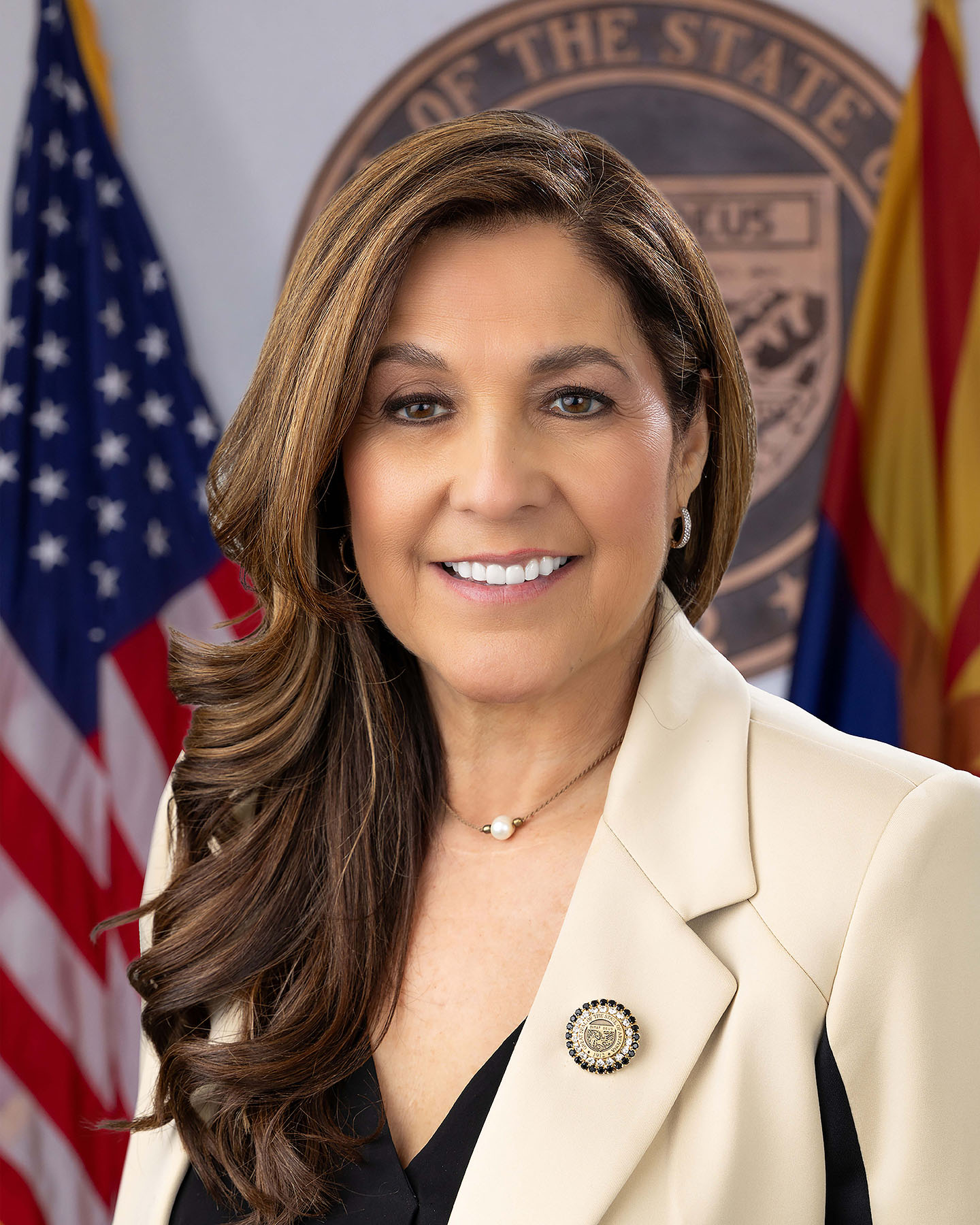
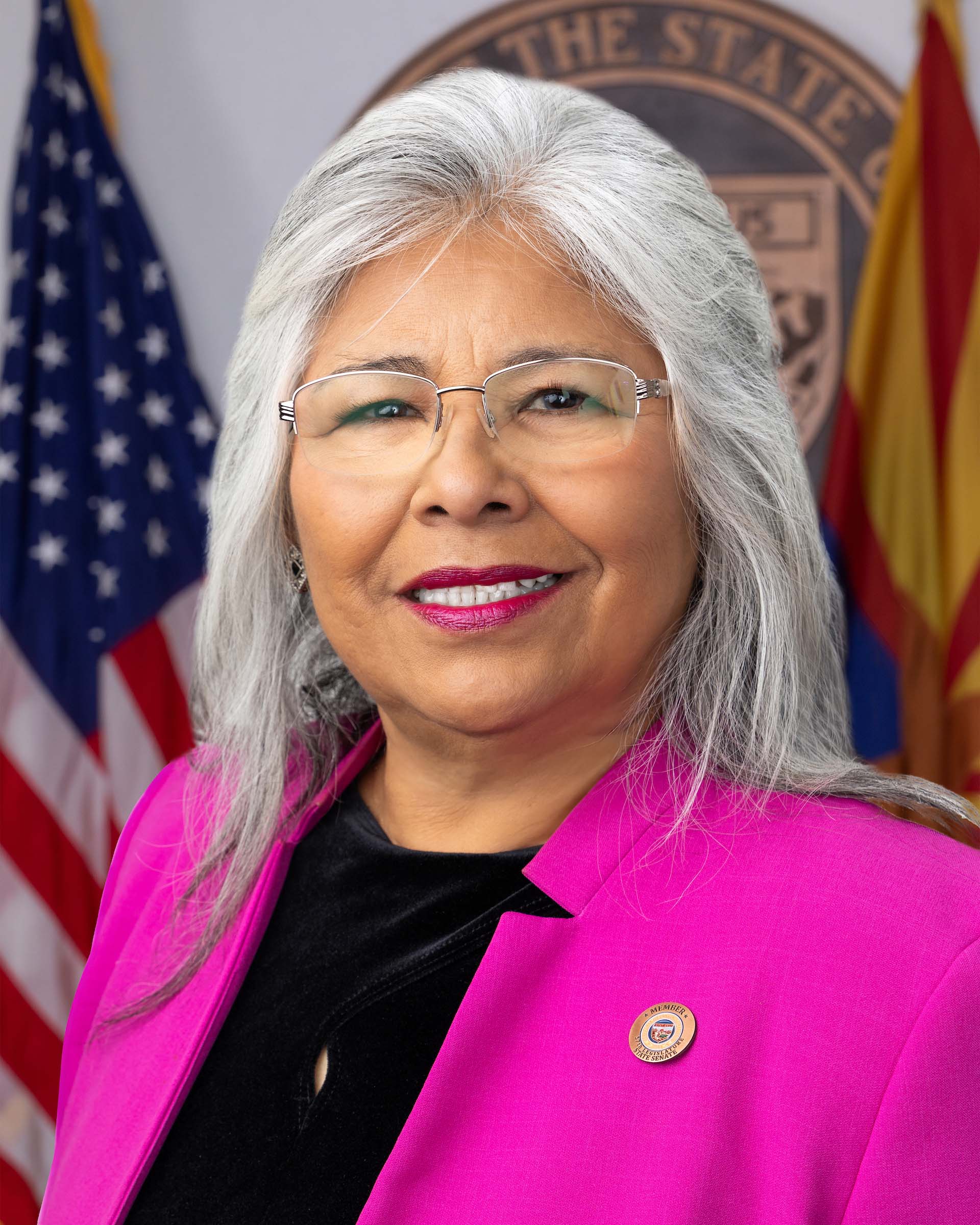
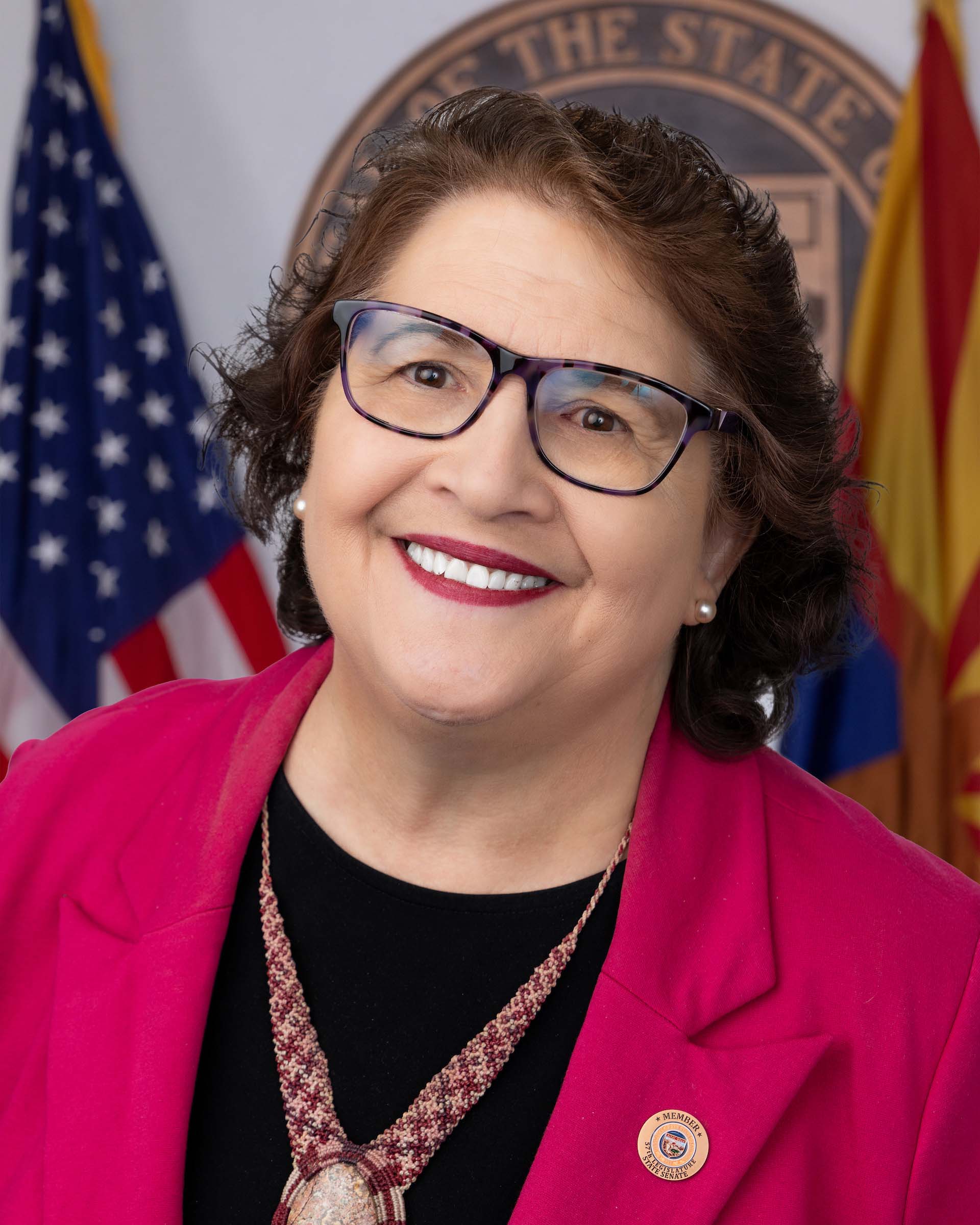
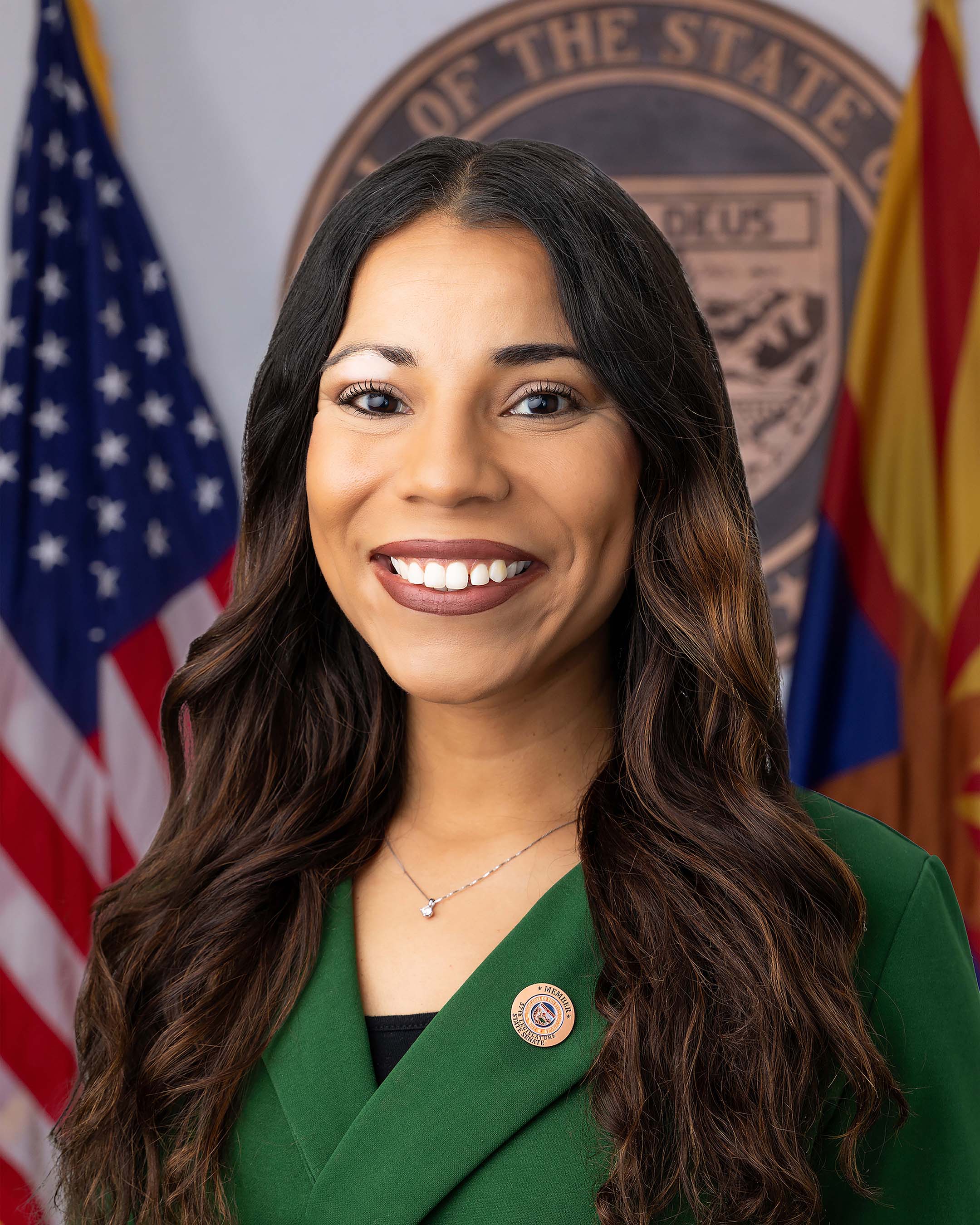
Kevin Payne
83% support rate
Top opponent
Catherine Miranda
19% support rate
Ranked legislators
10
5 support · 5 oppose
Key legislators

Who's moving technology in Arizona

Legislators moving technology in Arizona
Legislator Party Stance Support rate Votes
Kevin Payne
Kevin Payne Senate · District 27
R
Strong +
83% 148
David Gowan
David Gowan Senate · District 19
R
Strong +
82% 159
Tim Dunn
Tim Dunn Senate · District 25
R
Strong +
82% 159
J.D. Mesnard
J.D. Mesnard Senate · District 13
R
Strong +
82% 158
John Kavanagh
John Kavanagh Senate · District 3
R
Strong +
82% 158
Catherine Miranda
Catherine Miranda Senate · District 11
D
Strong −
19% 143
Eva Diaz
Eva Diaz Senate · District 22
D
Strong −
20% 120
Sally Gonzales
Sally Gonzales Senate · District 20
D
Oppose
21% 157
Mitzi Epstein
Mitzi Epstein Senate · District 12
D
Oppose
22% 150
Analise Ortiz
Analise Ortiz Senate · District 24
D
Oppose
24% 143
Showing 21–30 of 98 bills

All technology bills

introduced · Arizona · Senate Feb 9, 2026

SB 1717: biometric identifiers; commercial use; prohibitions

SB 1717 prohibits businesses from collecting or using individuals' biometric data (like fingerprints, facial scans, or voiceprints) for commercial purposes without first obtaining clear consent and informing them. It requires businesses to securely store this data, not sell or share it without specific exceptions (such as completing a financial transaction), and destroy it within a year after the purpose ends or when legally required documents expire. The law directly affects companies using biometric technology for services, marketing, or other commercial applications. Violations carry civil penalties up to $25,000 per incident, enforceable by the Arizona Attorney General.
introduced · Arizona · House Feb 11, 2026

HB 4057: social media platforms; requirements; minors

HB 4057 requires social media platforms operating in Arizona to implement specific privacy protections for minors under 18 who use their services. Platforms must establish high-privacy settings, allow minors to opt out of unnecessary personal data collection, and prohibit targeted advertising based on minors' personal information (only permitting age/location targeting). The law defines "minor" as under 18 residing in Arizona and excludes certain services like email, educational tools, or news platforms from its scope. The Arizona Attorney General has exclusive enforcement authority, and the bill does not allow private lawsuits for violations.
passed both · Arizona · Senate May 5, 2026

SB 1786: artificial intelligence; content verification

This Arizona bill requires companies providing generative AI tools to Arizona residents to embed unremovable origin information in AI-generated content like images, videos, or audio. Covered providers must use standard methods (e.g., watermarks) to include provenance data showing the content's source and modifications, while minor edits like brightness adjustments or cropping are excluded. The law aims to increase transparency about AI content creation and prevent misleading content by making it clear when media is AI-generated. It directly affects AI companies operating publicly in Arizona for personal use, requiring them to implement these verification measures.
passed both · Arizona · Senate Jun 11, 2026

SB 1798: school safety; identification system; appropriation

SB 1798 establishes a two-year pilot program for Arizona school districts with 80-85 schools (covering kindergarten through 12th grade) to install camera-based safety systems that detect registered sex offenders, individuals with criminal records, or "individuals of concern" designated by schools or law enforcement. The system must issue alerts within 60 seconds after analyst review, while strictly prohibiting the storage of video, audio, biometric data, or live monitoring to comply with privacy laws. The bill appropriates $2 million from the state general fund for this program, which expires December 31, 2027, and requires a report on implementation to state leaders. It directly affects participating school districts by mandating specific safety technology with built-in privacy safeguards.
in committee · Arizona · Senate Feb 24, 2026

SB 1819: vertiports; design; zoning

SB 1819 requires Arizona's Department of Transportation to create a statewide plan for vertiports (vertically taking off airports) and electric aircraft charging stations by 2026, consulting with airports, airlines, and federal agencies. It designates a department expert to assist local governments and mandates that all new vertiport and charging station projects must be publicly bid with no preference for existing operators. The bill directly affects local governments, airports, and future operators of electric aircraft infrastructure by setting planning and procurement standards. It does not change existing safety rules but establishes a process for developing advanced air mobility infrastructure. The bill focuses on planning and project selection, not on regulating operations or funding.
introduced · Arizona · Senate Feb 9, 2026

SB 1799: commerce authority; tax incentives; certification

SB 1799 provides tax relief for owners, operators, and qualified colocation tenants of computer data centers in Arizona that meet specific investment thresholds. To qualify, a data center must either invest $25 million (in counties under 800,000 population) or $50 million (in larger counties) within five years of certification, or have already invested $250 million before September 1, 2013. The Commerce Authority reviews applications within 60 days, certifies qualifying centers, and the tax relief applies during a defined period. Centers failing to meet investment requirements by the fifth anniversary risk certification revocation and potential recapture of previously granted tax benefits.
Sub-Topics Tax Incentives Tags Economic Development
introduced · Arizona · House Feb 12, 2026

HB 4082: social media platforms; user restrictions

HB 4082 proposes that social media platforms in Arizona must restrict users under 16 from accessing content and engaging in social interactions. The bill requires platforms to implement age-appropriate design features, default safety settings, and annual risk assessments to address potential harms to minors. Platforms must also publish safety policies detailing risk categories and mitigation strategies, while maintaining compliance records for three years. This legislation directly affects social media companies operating in Arizona, mandating specific safety measures without restricting business transactions or advertising.
passed · Arizona · Senate Mar 31, 2026

SB 1654: appropriations; end-point monitoring; elections

SB 1654 appropriates $100,000 from Arizona's state general fund for fiscal year 2026-2027 to reimburse counties for election security measures. Specifically, it funds end-point monitoring of election systems and interception of malicious signals that could disrupt voting. This bill directly affects Arizona counties responsible for administering elections, providing financial support for these security protocols. The measure is currently in early legislative stages (Senate First and Second Readings) and does not alter election procedures or voting rules.
Sub-Topics State Budget Tags Elections
failed · Arizona · House Feb 26, 2026

HB 4009: data centers; state lands; map

HB 4009 requires Arizona's state land department to create a map identifying state lands suitable for data center development within two years of the law's effective date. The department must consult with the data center industry when developing the map, which will guide future land use planning under Section 37-331.03. The map must be submitted to the governor, Senate President, House Speaker, and Secretary of State. This procedural bill, which failed to pass in February 2026, does not change existing laws but establishes a framework for future data center siting decisions.
introduced · Arizona · Senate Feb 10, 2026

SB 1790: personal data collection; business; requirements

SB 1790 requires businesses that collect personal data from multiple sources (data brokers) to follow specific rules when handling sensitive information like biometrics, health details, genetic data, precise location tracking, and financial information. It prohibits selling or sharing sensitive data without explicit consent and mandates businesses to verify a child's age (under 16) before collecting their data. The law defines "sensitive data" broadly, including government IDs, health records, and private communications, while exempting deidentified data and publicly available information. It applies to any business collecting data linked to Arizona residents, creating new requirements for transparency and consent.
Showing 21 to 30 of 98 bills
Previous 1 2 3 4 10 Next